



Will Beat Saber Grips make Meta Quest 3S easier to use or harder to manage?

My hands get sweaty, and the controller slips right when I'm about to beat my high score. I needed a better grip for my Meta Quest 3S, but would an accessory help or just get in the way?
For Beat Saber on Meta Quest 3S, grips make the controllers easier to use for long sessions by reducing fatigue and preventing slips. However, they add bulk and require a learning period, which can make them feel harder to manage at first. The benefit depends on your play style.
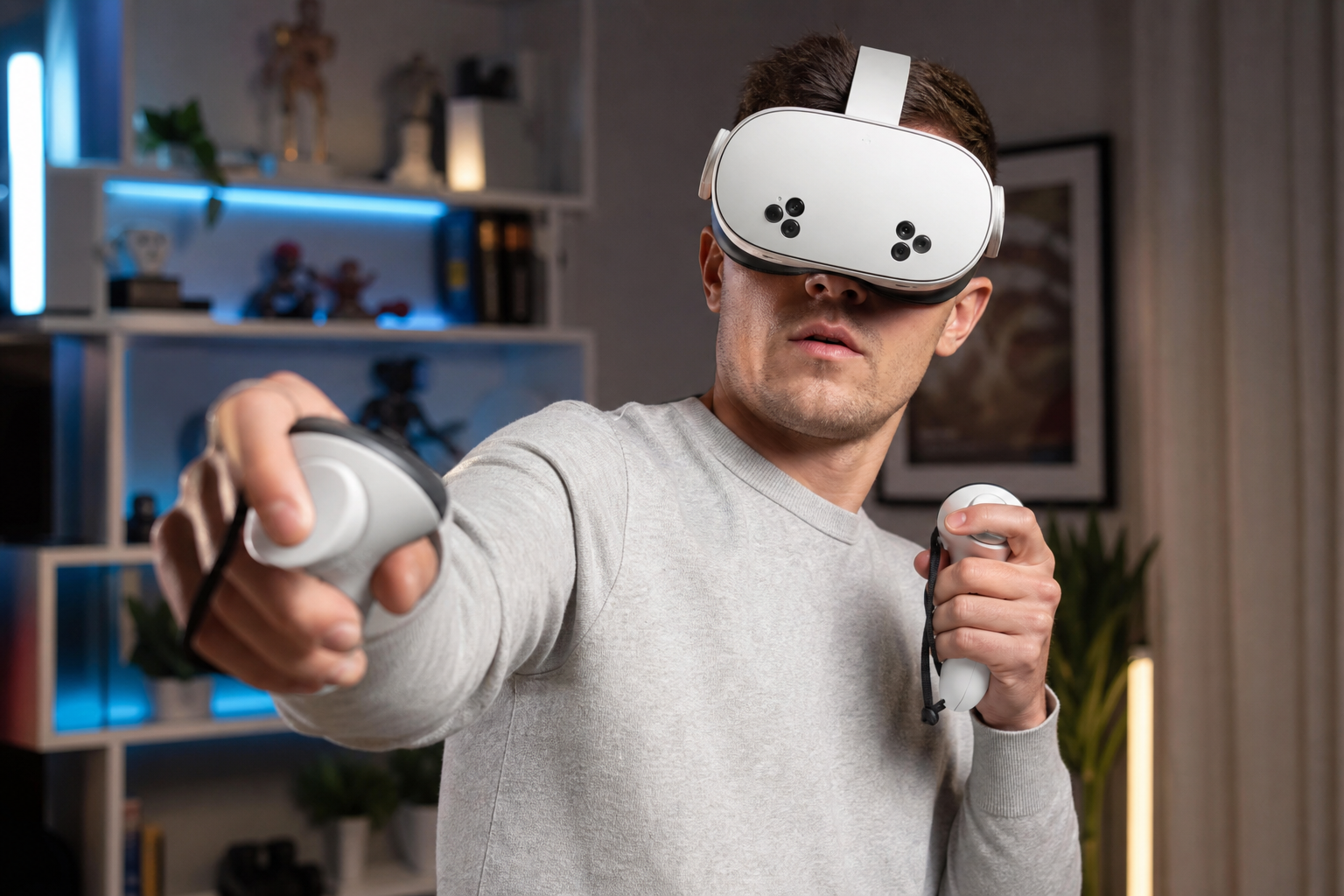
I play a lot of Beat Saber, especially the fast, wrist-heavy custom maps. My biggest issue has always been controller security. During intense songs, I can feel the controller start to shift in my sweaty hands. It's a small thing, but it breaks my focus. Even worse is when my kids want to play right after me. Swapping the wrist straps and wiping everything down is a hassle. I decided to see if a set of dedicated grips could solve this problem once and for all. I wasn't just looking for a review; I wanted to know if this change would fundamentally improve my gameplay or just become another piece of plastic I'd toss in a drawer. This is my journey from a skeptical default-grip player to figuring out exactly where these accessories shine and where they fall flat.
On Meta Quest 3S, does learning period after changing grip style change the result?
You just installed new grips, ready to crush your old records. Instead, you're missing easy blocks and your scores are tanking. Is this new accessory making you worse at the game?
Yes, the learning period is the single most important factor. You must expect your scores to drop temporarily. My accuracy fell by nearly 10% for a few days. Pushing through this phase is necessary to rebuild muscle memory and see any real improvement with the new grip style.
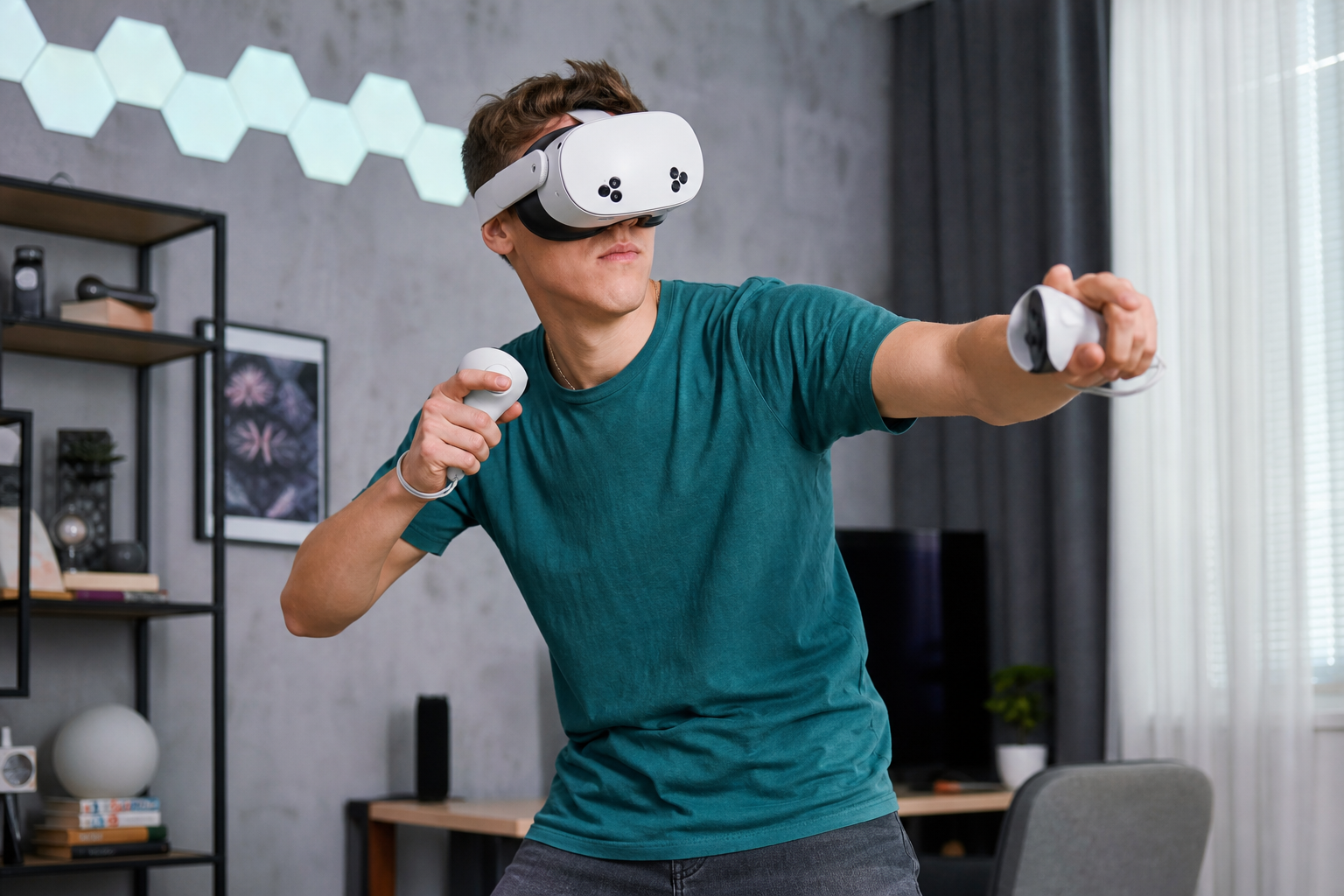
The first time I used the grips, it felt completely alien. I had spent hundreds of hours with the default Quest 3S controller, and my hands knew exactly how to hold it to hit blocks perfectly. The grips changed the angle, the weight, and the center of balance. My brain had to relearn everything. It was frustrating. I went from consistently getting an 'S' rank on my favorite maps to barely passing with a 'B'. The honest truth is I almost gave up and took them off after the first day. But I forced myself to stick with it for a full week. I treated it like starting over. By day three, I started to feel more comfortable. By day five, my scores were back to normal. A week later, I was setting new personal bests because my wrist wasn't as tired.
My Score Drop: The Hard Proof
The data doesn't lie. The initial period was tough, but the recovery and eventual improvement were clear. The key was accepting that I would be worse before I got better.
| Metric | Before Grips (Baseline) | First 3 Days with Grips | 2 Weeks with Grips |
|---|---|---|---|
| Average Score (Expert+) | 91.5% | 82.0% | 93.2% |
| Wrist Strain (Subjective) | Noticeable after 30 mins | Low, but awkward feeling | Minimal, even after an hour |
| Controller Slips | Occasional | Zero | Zero |
Does Meta Quest 3S compatibility change the answer for this Beat Saber Grips question?
You found some cool grips online, but they were made for the Quest 2. Can you make them work on the new Quest 3S controllers, or is that a waste of money?
Absolutely. Quest 3S compatibility is non-negotiable. The new controllers are shaped differently and use inside-out tracking without the old rings. A grip that is not specifically designed for the Quest 3S can block tracking sensors, feel loose, or cover the buttons you need.
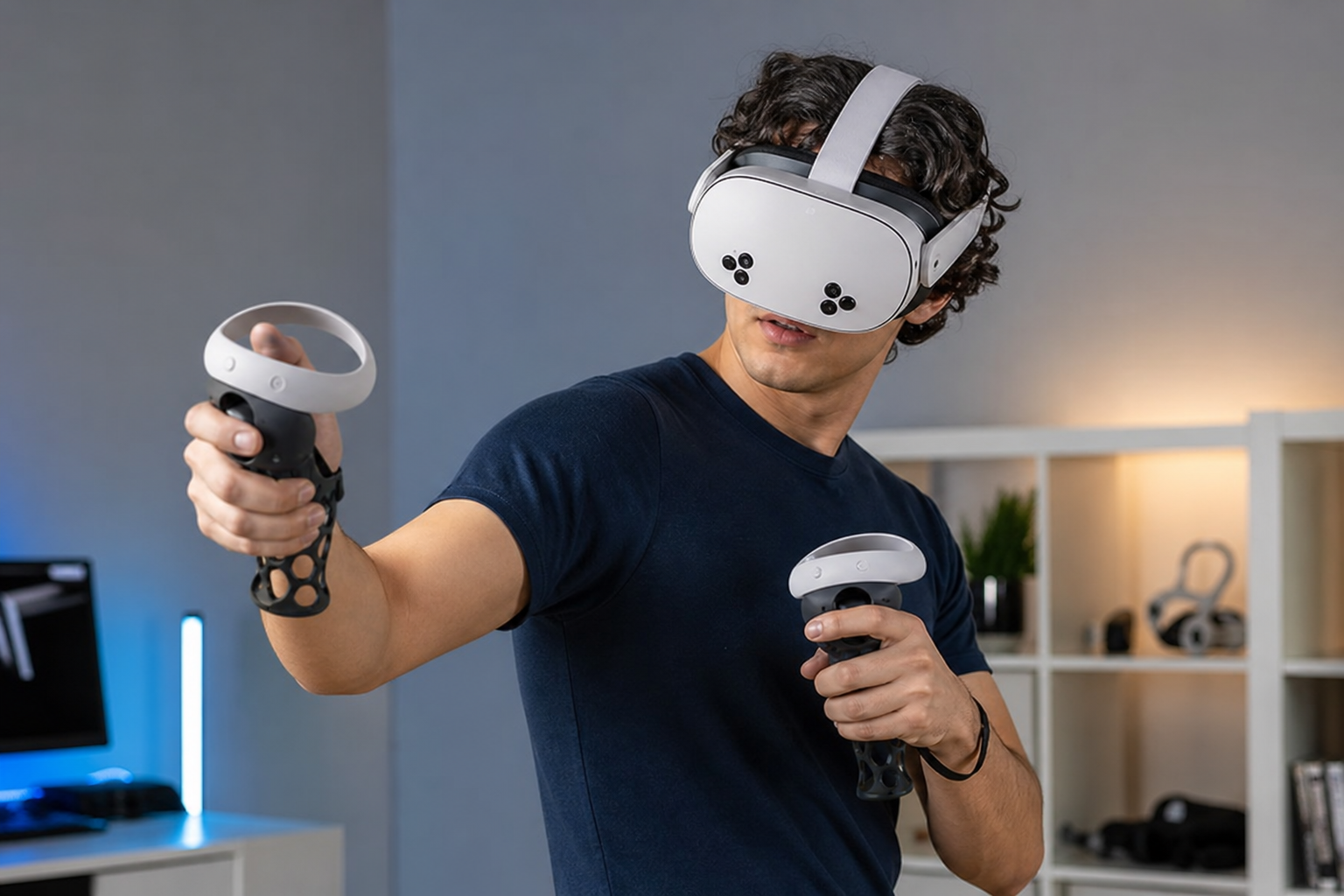
I learned this the hard way. My friend had an old set of Quest 2 grips, and I tried to fit them on my Quest 3S controllers just to see. It was a disaster. The fit was sloppy, and the controller rattled around inside the grip. More importantly, the strap that went over the top of the controller partially covered one of the flush buttons. The biggest issue, though, is the tracking. The Quest 3S controllers have tracking LEDs embedded in the plastic body. A grip designed for the Quest 2 has no idea where these are. A poorly designed grip, or one made for the wrong headset, can easily block these lights from the headset's cameras, causing your virtual hands to float away or stutter. You must buy accessories made for your specific hardware. There is no shortcut here; getting grips designed for the Quest 3S ensures every button is accessible and no tracking sensors are ever covered.
Is the biggest issue setup, fit, safety, or fatigue?
You're trying to solve a problem with your Beat Saber performance. But what is the real problem? Is it the controller flying out of your hand, or is it your arm getting tired?
Fatigue is the biggest issue the grips solve long-term, but safety is the most immediate benefit. The secure fit lets you relax your hand, which directly reduces arm and wrist fatigue in long sessions. Setup and fit are just one-time hurdles you have to overcome.
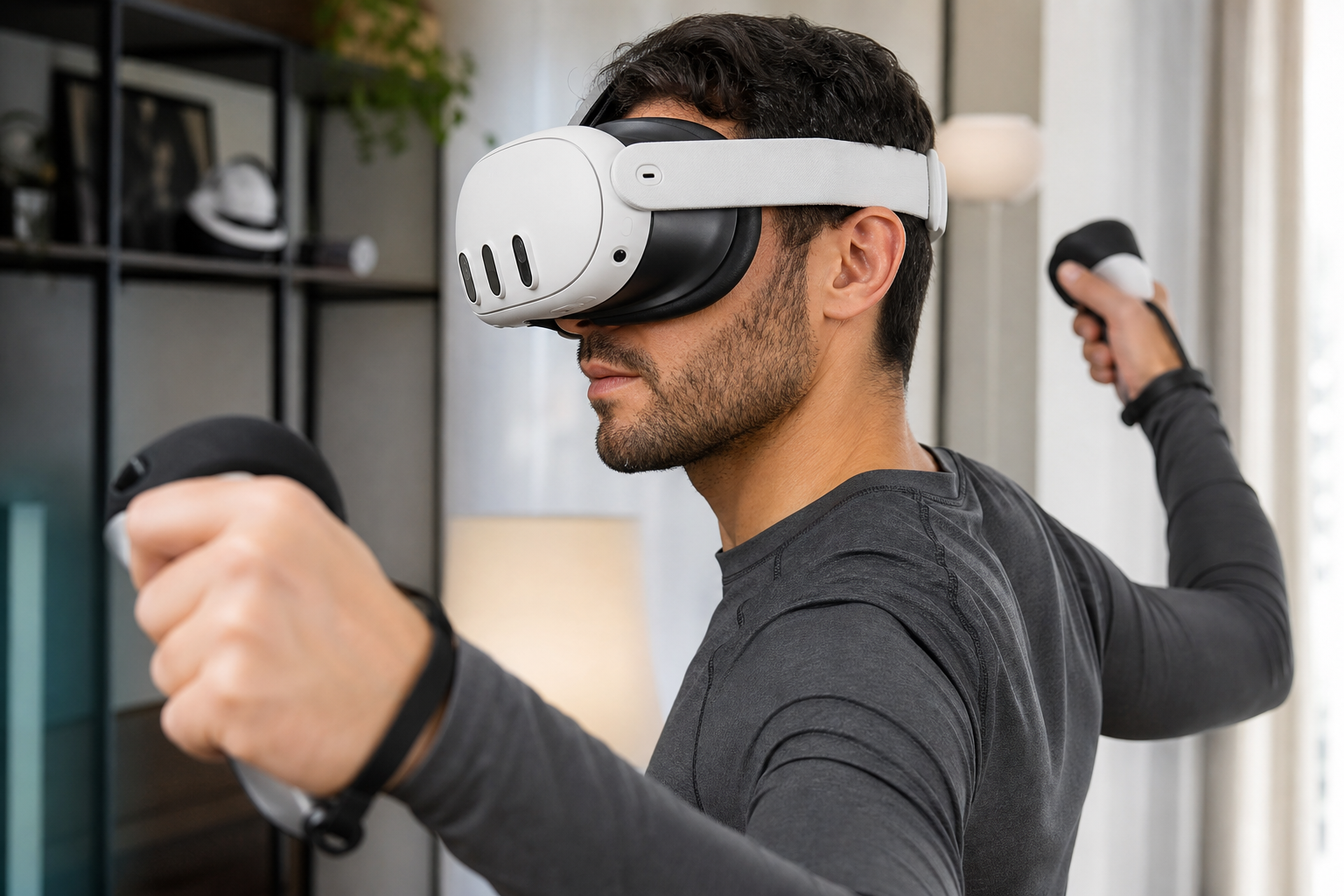
Let's break it down. Setup was annoying at first. I had to adjust the straps to get them just right for my hands. When my wife wanted to play, we had to readjust them for her smaller hands, which took a minute. It’s a small inconvenience but it’s there. Fit is personal. The grips I tried felt great for my average-sized hands, but my wife found them a bit too bulky. If the fit is wrong, nothing else matters. Safety was a huge, instant win. With the strap secured over my knuckles, I could completely let go of the controller and it wouldn't go anywhere. I no longer had that background fear of launching a controller into my TV. But the real game-changer for me was fatigue. On those 5-minute, high-speed maps, my forearm used to burn because I was gripping the controller so tightly. With the grips, my hand was relaxed. This meant all my effort went into my wrist and arm movements, not into just holding on.
Does Beat Saber Grips deserve a buy, maybe, or skip verdict for default grip when controller weight is the issue?
Your wrists ache after a few fast songs. The Quest 3S controllers feel heavy. You need a simple verdict: are these grips a clear buy, a maybe, or a total skip?
For players feeling controller weight and wrist strain, it’s a strong MAYBE. Grips don't reduce weight; they redistribute it and secure the controller, which can help. If your main problem is sweaty hands causing slips, it’s a BUY. If you hate any added bulk, SKIP them.
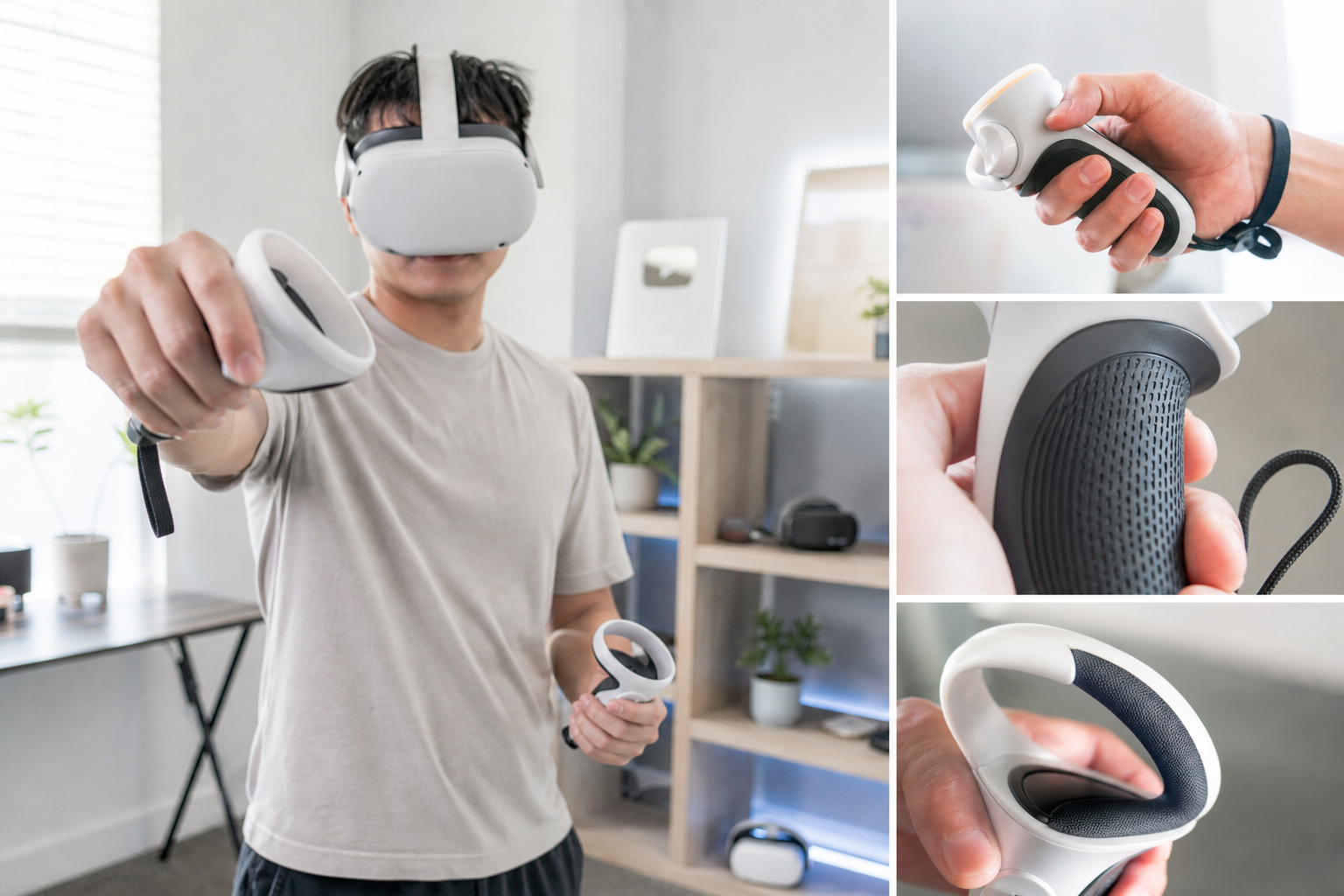
Here's my final take, as someone who plays difficult custom songs. For a beginner player, the default strap is probably fine. They are not playing long enough or fast enough to feel serious fatigue. The main benefit for them would be safety. For an experienced player like me, the calculation is different. The added weight of the grip itself is noticeable. It makes the controller feel a little more sluggish at first. However, the benefit of not having to squeeze the controller to death outweighs the added physical weight. I can play for longer and maintain higher accuracy toward the end of a tiring song. My personal verdict is a solid "Maybe," leaning toward "Buy" for serious players. It was annoying to have to take them on and off when sharing the headset. But for my own long, fitness-oriented sessions, they felt helpful. If you only play casually for 15-20 minutes at a time, I would say skip them. The setup hassle isn't worth the small benefit.
Conclusion
Beat Saber grips fix fatigue and safety issues for serious players. But you must survive the learning curve and accept the added bulk. They are a tool, not a magic solution.
Leave a comment