



Why does long play sessions feel worse when USB-C wattage shows up, and can a Quest Battery Pack help?

You’re deep into a movie, completely lost in the story. Then the low battery warning pops up, and your long play session is over. It’s incredibly frustrating.
A quality Quest Battery Pack can solve this. It provides a consistent wattage that the headset needs, preventing the low power warning and keeping the internal battery charged. This effectively eliminates the main cause of shortened long play sessions, unlike many standard power banks.
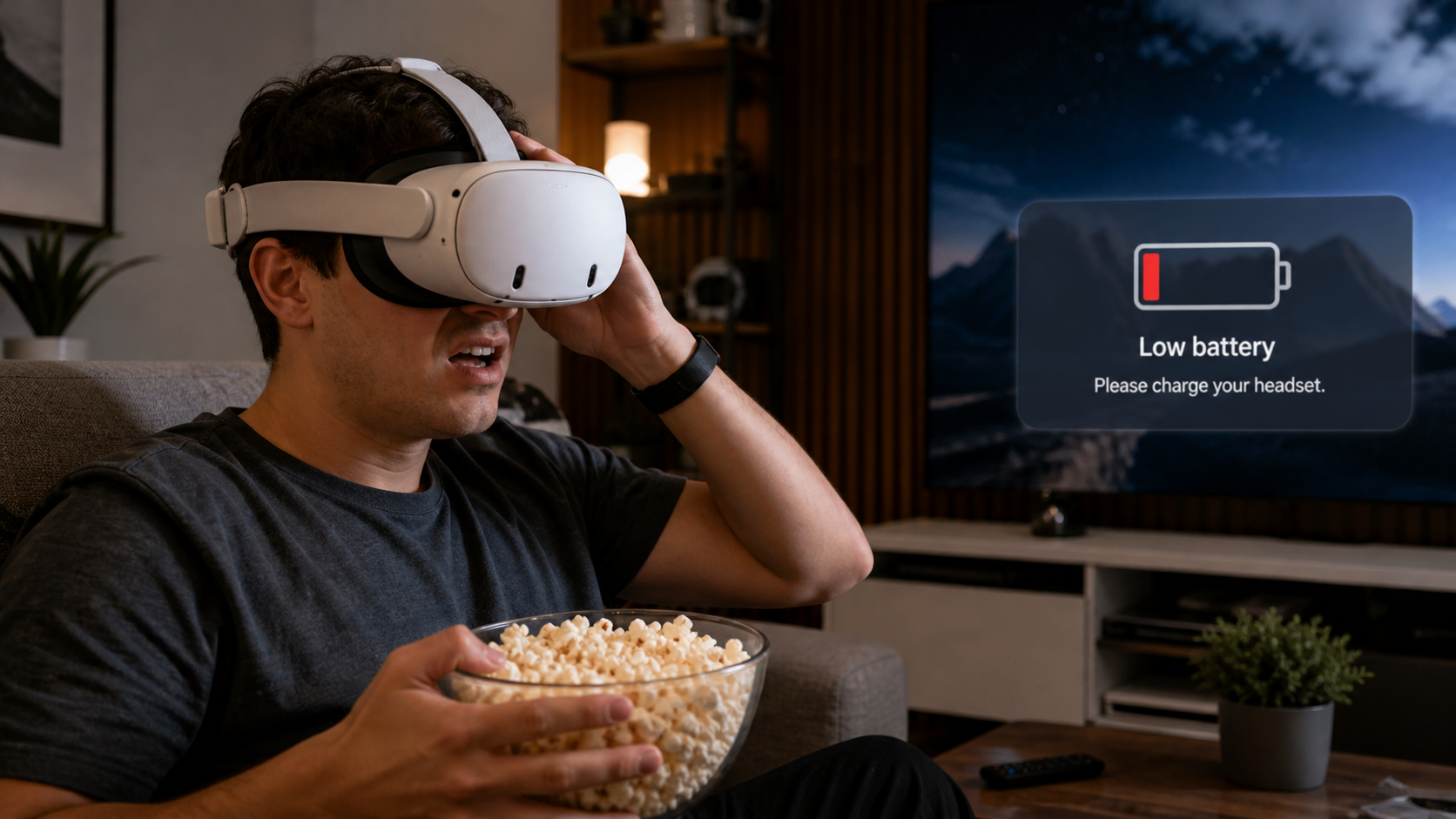
I’ve been there more times than I can count. My Quest is my personal movie theater, but the two-hour battery life just doesn't cut it for a full feature film. I tried using a standard power bank I had lying around, routing the cable from my pocket up to the headset. But soon, I started seeing that dreaded notification: "USB-C wattage is too low to maintain charge." The headset battery would still drain, just a bit slower. This frustration led me on a mission to find a real solution. I decided to test a dedicated battery strap against my old pocket power bank to see if it really made a difference.
When you compare a battery strap against a pocket power bank, does USB-C wattage feel better or worse?
You think a power bank is a simple fix. But the cable snags, the weight in your pocket is awkward, and the low wattage warning still appears.
A battery strap feels significantly better. Its integrated design removes cable clutter and improves headset balance. More importantly, it's engineered to deliver the consistent high wattage the Quest needs, so that annoying low-power notification almost never shows up during a session.
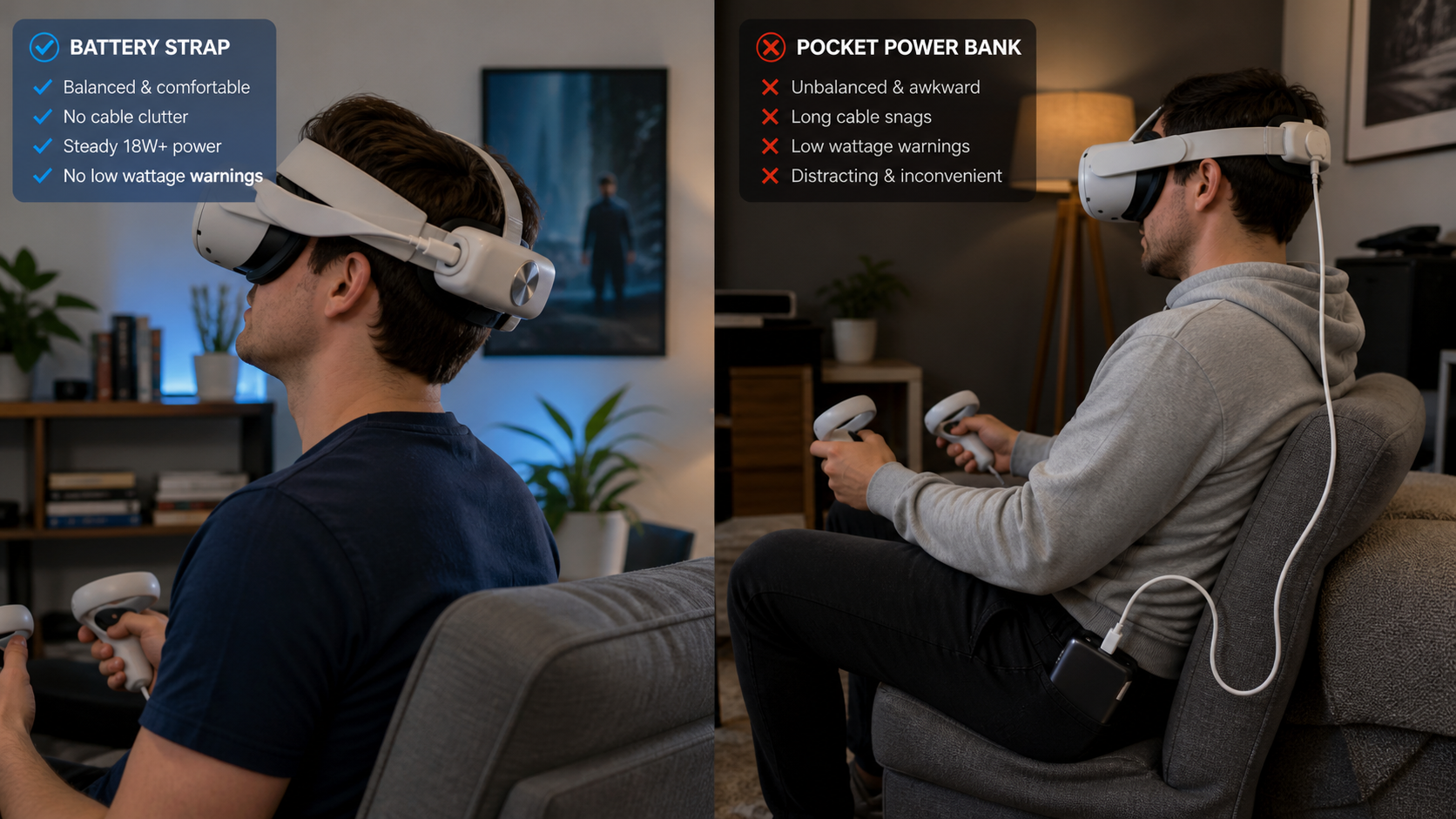
My first attempt to extend my movie sessions involved a 10,000 mAh power bank that I usually use for my phone. I put it in my pocket and ran a long USB-C cable up my back to the headset. The experience was immediately clumsy. Every time I shifted in my seat or got up for a drink, I felt the cable pull. It was a constant, annoying reminder that I was tethered. The bigger issue was performance. About 45 minutes into a movie, the low wattage warning would pop up. The power bank just couldn't keep up.
Then I tried a dedicated battery strap. The difference was night and day. The battery is part of the head strap itself, acting as a counterweight to the headset. This made the whole setup feel more balanced and comfortable on my face. There were no cables to worry about. I just put the headset on, and it worked.
Subjective Feel and Performance
Here is a simple breakdown of my personal experience comparing the two solutions. I focused on the things that actually impact a long, comfortable session.
| Feature | Pocket Power Bank | Dedicated Battery Strap |
|---|---|---|
| Comfort & Balance | Poor. All weight is on the front of the face. The weight in a pocket feels lopsided when moving. | Excellent. Acts as a counterweight, balancing the headset and reducing pressure on the face. |
| Cable Management | Terrible. The long cable snags on clothes and chairs. It's a constant distraction. | Perfect. A short, integrated cable connects the battery to the headset. No mess, no snags. |
| Wattage Consistency | Bad. Frequently triggered the 'low wattage' warning, causing the headset to still drain. | Great. Designed to provide a steady 18W+, so the headset battery level stays high. |
The verdict was clear. The battery strap didn't just feel better physically; it performed better electrically. The constant, correct wattage was the key.
Could mAh claims versus real session length be the real reason USB-C wattage remains in long play sessions?
You see a huge mAh number on a power bank and assume it means hours of playtime. But in reality, your headset still dies quickly. It's confusing.
Yes, this is the core issue. Real session length is dictated by sustained wattage, not just mAh capacity. Most phone power banks can't consistently deliver the 18W or more the Quest demands. This forces the headset to drain its internal battery, even while connected.
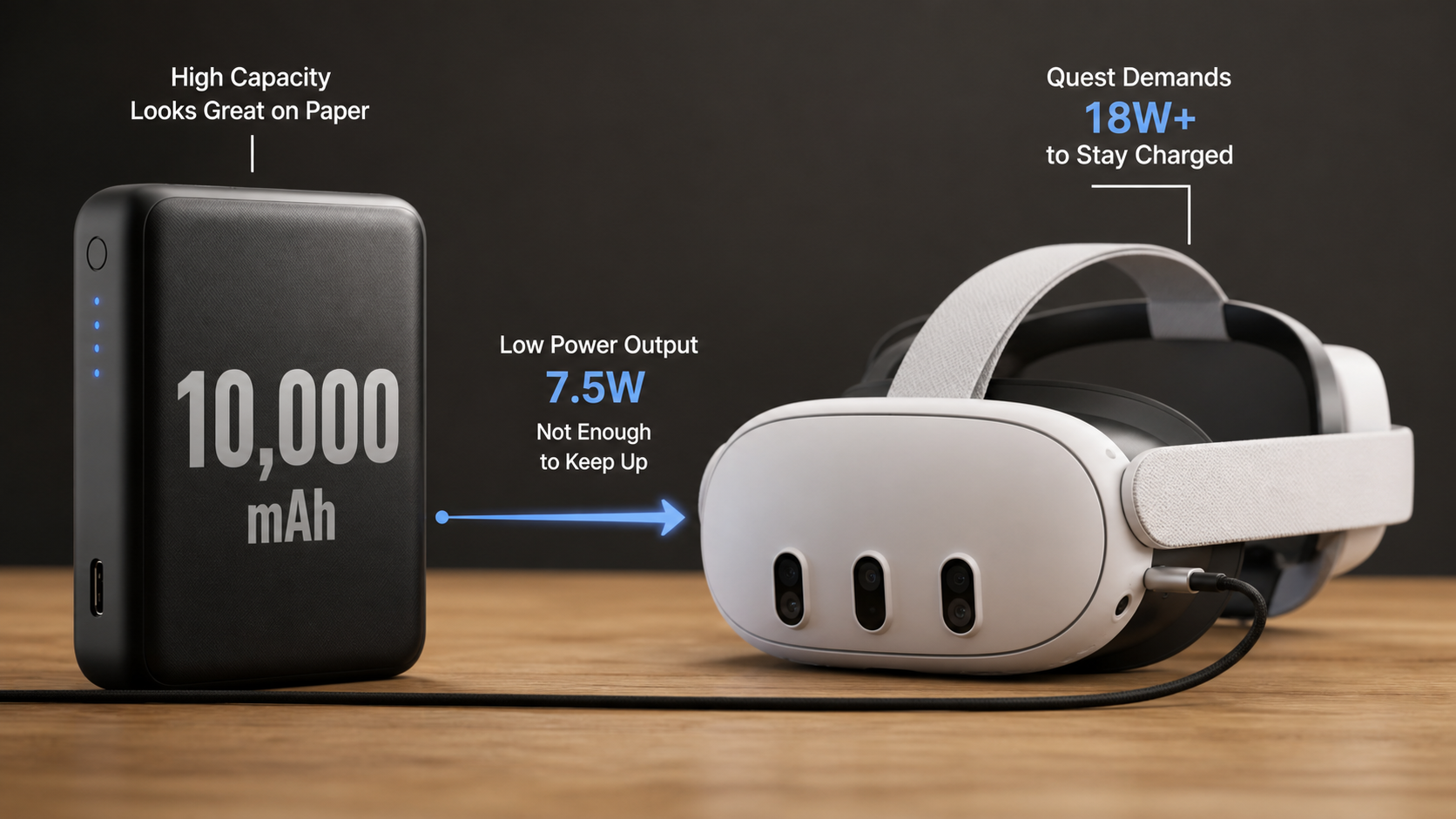
I fell into this trap myself. I thought my 10,000 mAh pocket bank would give me at least 4-5 extra hours of use. In practice, it barely gave me one extra hour before the low wattage warning appeared and the internal battery started to drop. The problem isn't the total capacity (the mAh). The problem is the delivery speed (the wattage). Think of it like a bucket of water. The mAh is the size of the bucket. The wattage is the size of the hose coming out of it. If the Quest needs a very wide hose to drink from, a bucket with a tiny hose won't help much, no matter how much water is in it. The Quest will drain its internal "cup" faster than the tiny hose can refill it. That's why dedicated battery straps are different. They are built with a "wide hose" specifically for the Quest, ensuring the power delivery matches the headset's demand. This keeps the internal battery topped off and prevents the system from panicking with a low wattage warning.
Would a fitness movement observation make the verdict more trustworthy?
Watching a movie while seated is one thing. But what happens when you need to move around? A flimsy setup can quickly become a real problem and ruin the experience.
Absolutely. Observing during fitness or active games makes the verdict far more trustworthy. A pocket power bank becomes a liability with movement; it can fall, and the cable can get tangled. A battery strap stays securely attached, providing stable balance and total freedom of movement.
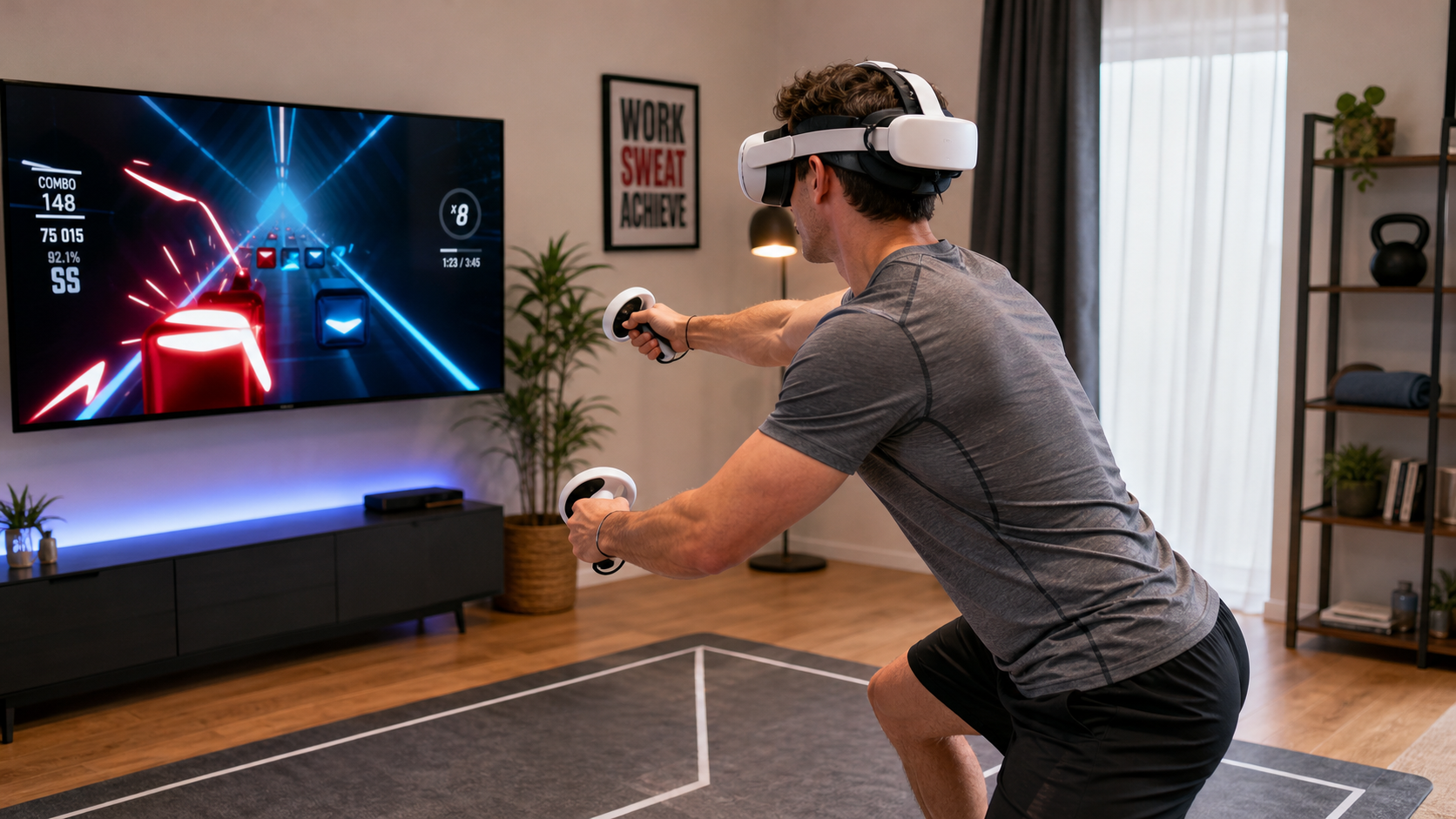
To test this, I stopped watching movies for a bit and fired up a rhythm game that requires a lot of arm swinging and ducking. This is where the pocket power bank setup completely failed. The power bank bounced around in my pocket, and I was constantly afraid the cable would get snagged on my arm and either damage the port or yank the headset off my face. It was impossible to get immersed in the game because I was so worried about the physical connection. It made the entire experience stressful instead of fun.
Switching back to the battery strap was a revelation for active use. It stayed firmly in place. The added weight at the back actually helped with stability during quick head movements. There was no cable to think about, no weight shifting in my pocket. I could move freely and confidently. This test proved that a battery strap isn't just for comfort while sitting; it's essential for any activity that involves movement. It makes the entire system feel like a single, cohesive unit, which is exactly what you want for immersive VR. It's a much more honest test of a product's real-world usability.
What final verdict should Quest Touch Plus Controllers users get for Quest Battery Pack when long play sessions is limited by USB-C wattage?
You want to enjoy your Quest for hours, but the battery life and power warnings are holding you back. Is a battery pack the right investment for you?
For any user wanting long, uninterrupted sessions, a dedicated battery strap is a game-changing accessory. It directly solves the USB-C wattage problem, improves comfort with better balance, and eliminates cable distractions. If your sessions last longer than 90 minutes, it is a must-have.
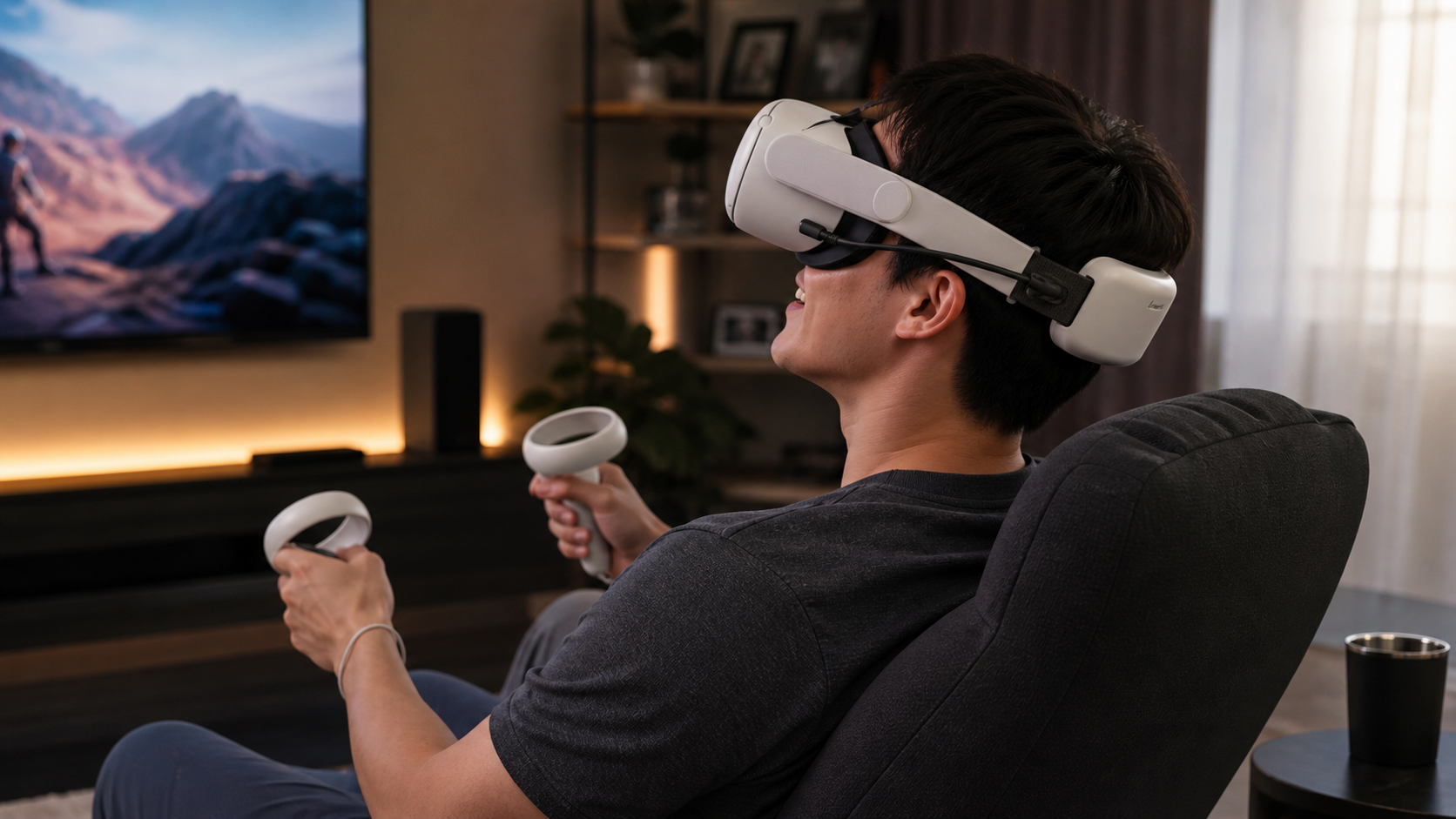
After all my testing, my conclusion is simple. The problem was never just about battery capacity; it was about the entire user experience. The constant low wattage warnings from my pocket power bank were a symptom of a bigger issue: it was the wrong tool for the job. A dedicated battery strap was helpful everywhere. It made the headset more comfortable to wear by adding a counterweight. It was helpful by removing the annoying cable that always got in the way. Most importantly, it was helpful by providing the correct, stable power so I could finally finish a movie without a single battery warning.
Where did it feel annoying? Honestly, the only minor annoyance was the initial setup and adding a bit more overall weight to the headset. But the improved balance quickly made me forget about the extra weight. So, who should skip it? If you only play in short bursts of 30-60 minutes, the standard battery is probably enough for you. But for users like me, who use the Quest for watching movies, long social VR sessions, or extended gaming, a battery strap isn't just a nice-to-have accessory. It's an essential upgrade that transforms the entire experience.
Conclusion
A dedicated battery strap solves the frustrating USB-C wattage issue and improves comfort. For anyone wanting longer VR sessions, it is an essential and worthwhile upgrade over a standard power bank.
Leave a comment