



When does a Silicone Head Strap for Meta Quest stop feeling helpful in Beat Saber sessions?

I thought this simple silicone strap would solve all my Beat Saber problems. My headset slipping mid-song, covered in sweat? I figured this was the fix. I was wrong.
A silicone head strap stops being helpful in Beat Saber when intense, long sessions cause enough sweat for it to slip. For small-headed users, this slippage can outweigh the initial comfort and cleanliness benefits, especially when the headset starts to shift during high-speed songs.
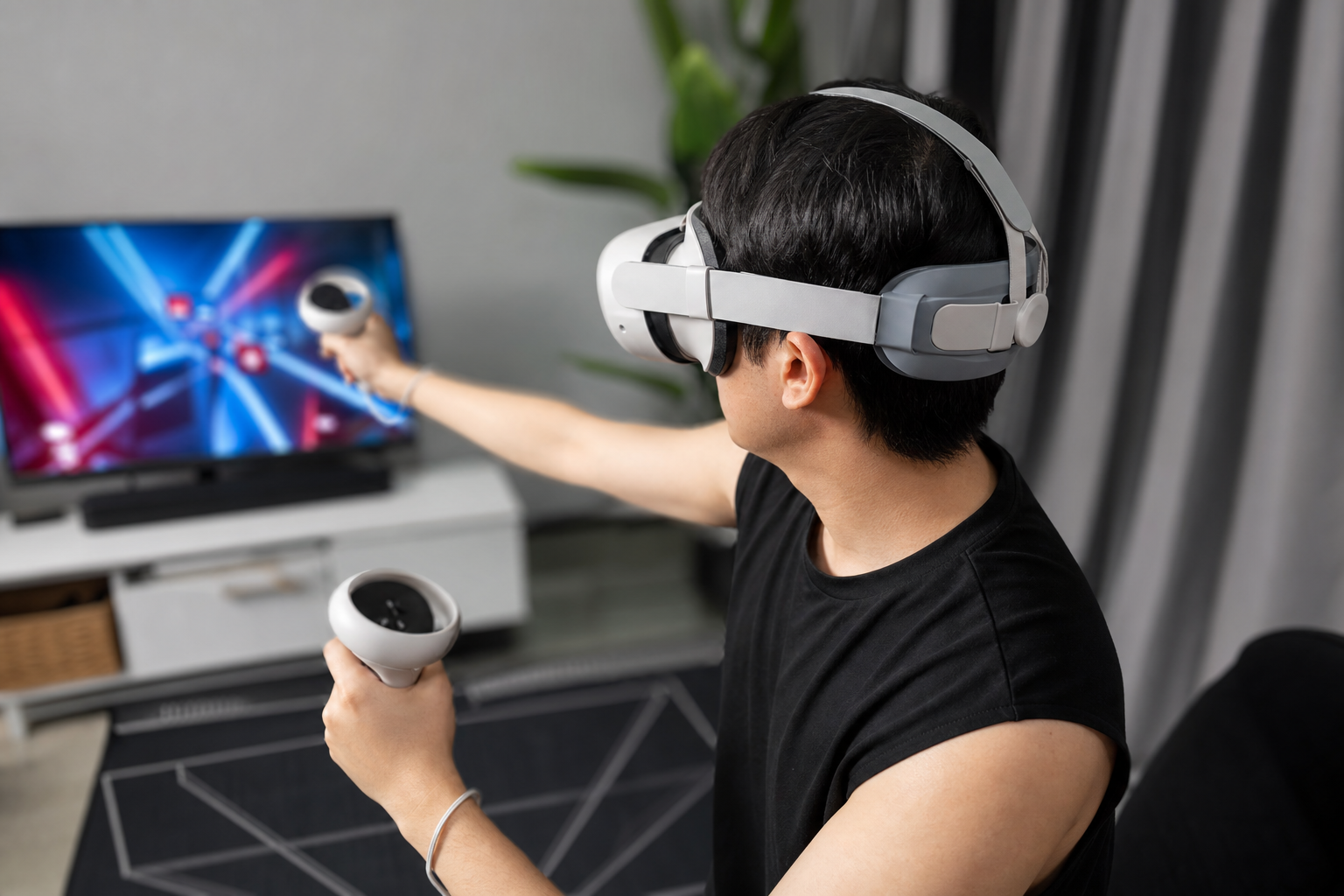
I went into this test thinking a silicone head strap was the perfect upgrade. It promised to be more hygienic and easier to clean than the original cloth strap that came with my Quest. For a game as active as Beat Saber, that sounded like a dream. But my experience as a long-session player with a smaller head showed me that the reality is much more complicated. The things that make it great for a beginner can become its biggest weakness for an expert. Let's break down where this accessory shines and where it completely falls apart, starting with the biggest issue of all: sweat.
Does sweat cleanup affect beginners and experienced users in the same way?
Sweat makes your headset slide all over your face. You have to stop playing to wipe it down, which ruins your focus. But does this hit everyone the same?
No, sweat cleanup affects users very differently. Beginners play shorter, less intense sessions, so sweat is manageable. Experienced players produce more sweat in long sessions, which makes silicone straps slippery and forces them to stop and clean everything, ruining their flow.
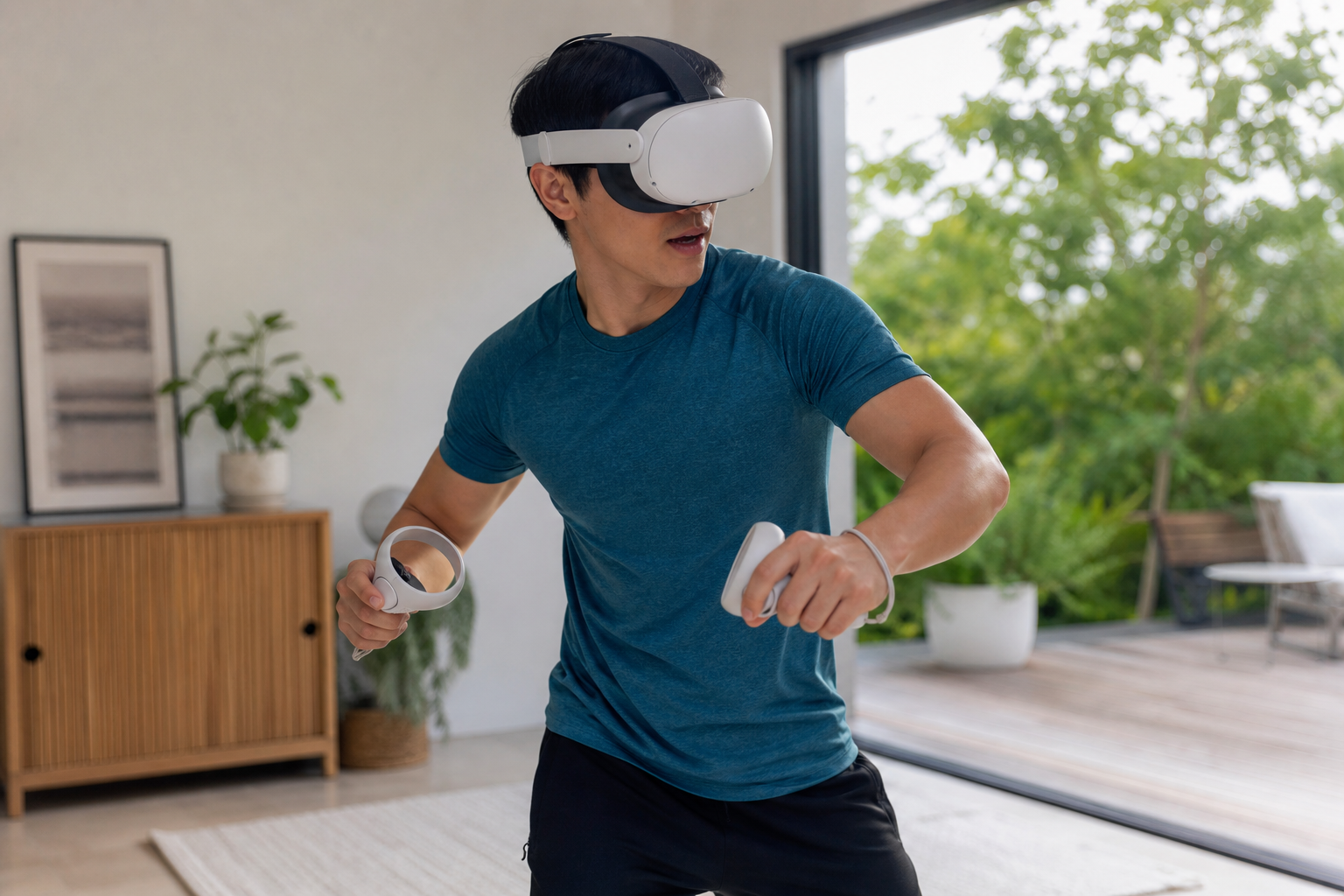
When I first put the silicone strap on, it felt amazing. The material gripped the back of my head and felt much more secure than the default cloth strap. During a short, 10-minute session on a few medium-difficulty songs, it was perfect. I barely broke a sweat, and the headset didn't move at all. After I was done, a quick wipe with a cloth made it look brand new. For a beginner or someone playing a less active game, this is where the story would end with a five-star review. But for me, the real test was a 45-minute Expert+ session. After about 15 minutes, the story changed completely. The sweat started to build up, and since silicone doesn't absorb anything, it just sat there between the strap and my head. That grippy material suddenly became a slick, slippery surface. The headset started to shift with every fast movement.
Beginner vs. Experienced User Breakdown
The difference in experience is huge. It all comes down to the intensity and length of the play session. A beginner's "sweat problem" is mostly about post-game hygiene, which the silicone strap solves perfectly. An experienced player's problem is about stability during the game, which the silicone strap can actually make worse. Here is a simple breakdown of what I found.
| Feature | Beginner Experience (Short Session) | Experienced User Experience (Long Session) |
|---|---|---|
| Initial Grip | Excellent, feels secure and stable. | Excellent, feels like a solid upgrade at first. |
| Sweat Interaction | Minimal sweat, strap stays in place. Easy to wipe. | Heavy sweat makes the silicone slippery. Headset shifts. |
| Session Interruption | None. Play session ends before sweat is an issue. | Frequent pauses needed to wipe strap and readjust headset. |
| Post-Session Cleanup | Quick wipe, very hygienic. | Quick wipe, but the problem is during the session, not after. |
Does a Beat Saber stability clip prove enough for Quest Touch Plus Controllers users?
Your controllers feel loose during fast songs. You get that awful feeling that they might fly out of your hands. I tried a stability clip to see if it fixes this.
For most Beat Saber sessions, a stability clip for the Quest Touch Plus Controllers helps a lot. It adds confidence, but it is not a complete fix. During the most intense songs with rapid wrist flicks, the controller can still shift slightly in your hand.
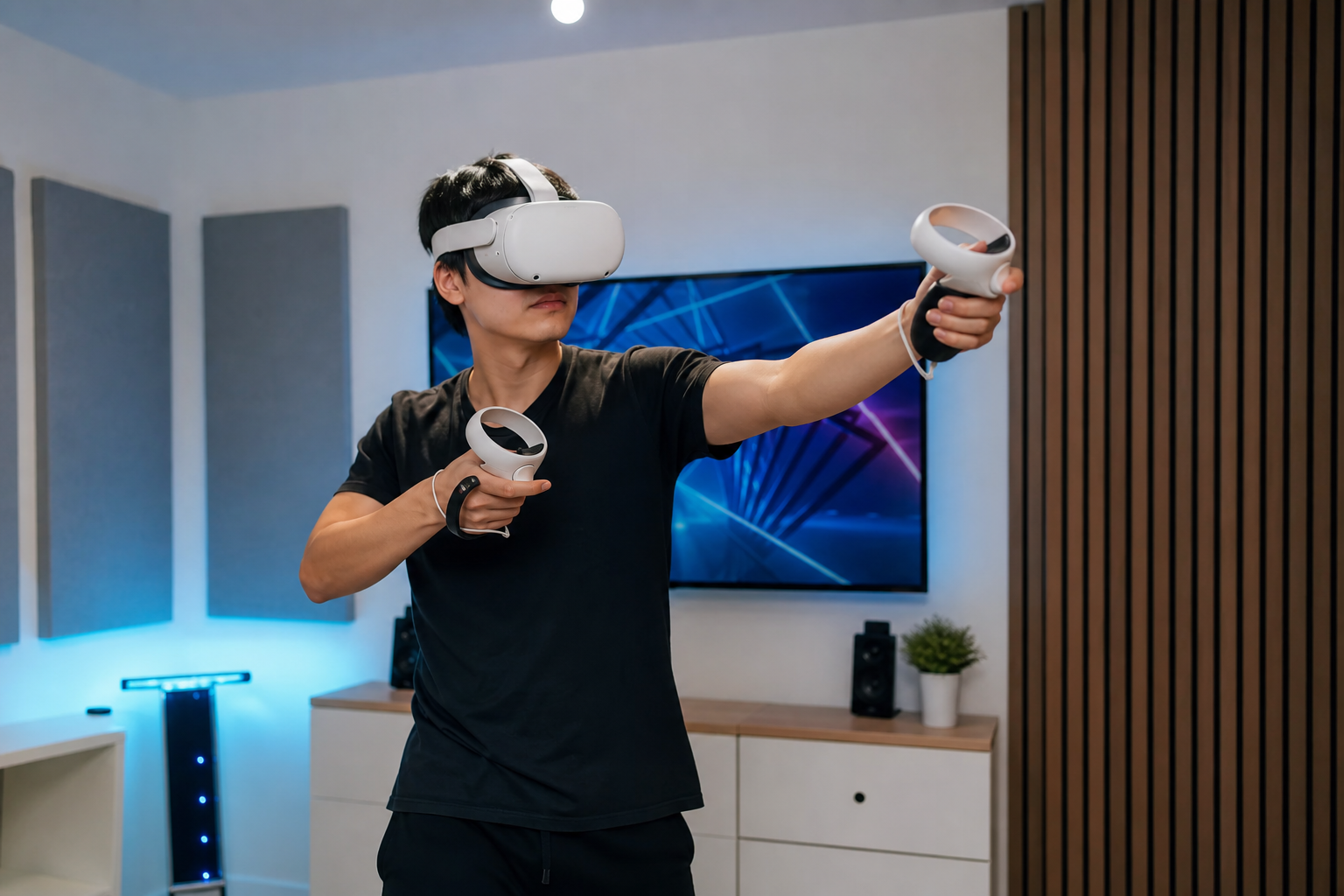
The Quest Touch Plus Controllers are great, but they feel different from the old Quest 2 controllers. They don't have the tracking ring, which I used to use as an anchor point for my grip. With the bare controllers, I rely entirely on the wrist strap and a tight grip. During a fast-paced song, I always worry about the controller twisting or slipping in my hand, especially when my palms get sweaty. I tested a simple stability clip that adds a knuckle strap, and the difference was immediate. I could finally relax my grip. My hands didn't get as tired, and I felt much more connected to the virtual sabers. It was a huge improvement for general gameplay. But the key question is whether it's "enough." For 90% of songs, the answer is yes. But when I played a few tracks on Expert+ that required extreme wrist flicks, I could still feel a tiny bit of movement. The controller would shift just a millimeter or two inside the strap. It never felt like it would fly away, but it was enough to make me miss a block here and there. It's an excellent aid, but it's not a perfect lock.
Can Quest Touch Plus Controllers fit checks catch the problem before the first full session?
You think your headset and controllers are perfectly adjusted. Then, a few minutes into a game, everything starts to slip and feel completely wrong. A simple fit check helps, but it has limits.
A fit check can catch major issues, like a loose strap or a bad grip. However, it cannot replicate the sweat and fast movements of a real Beat Saber session. The real problems, like pressure points and slippage, often appear only after 15 minutes of intense play.
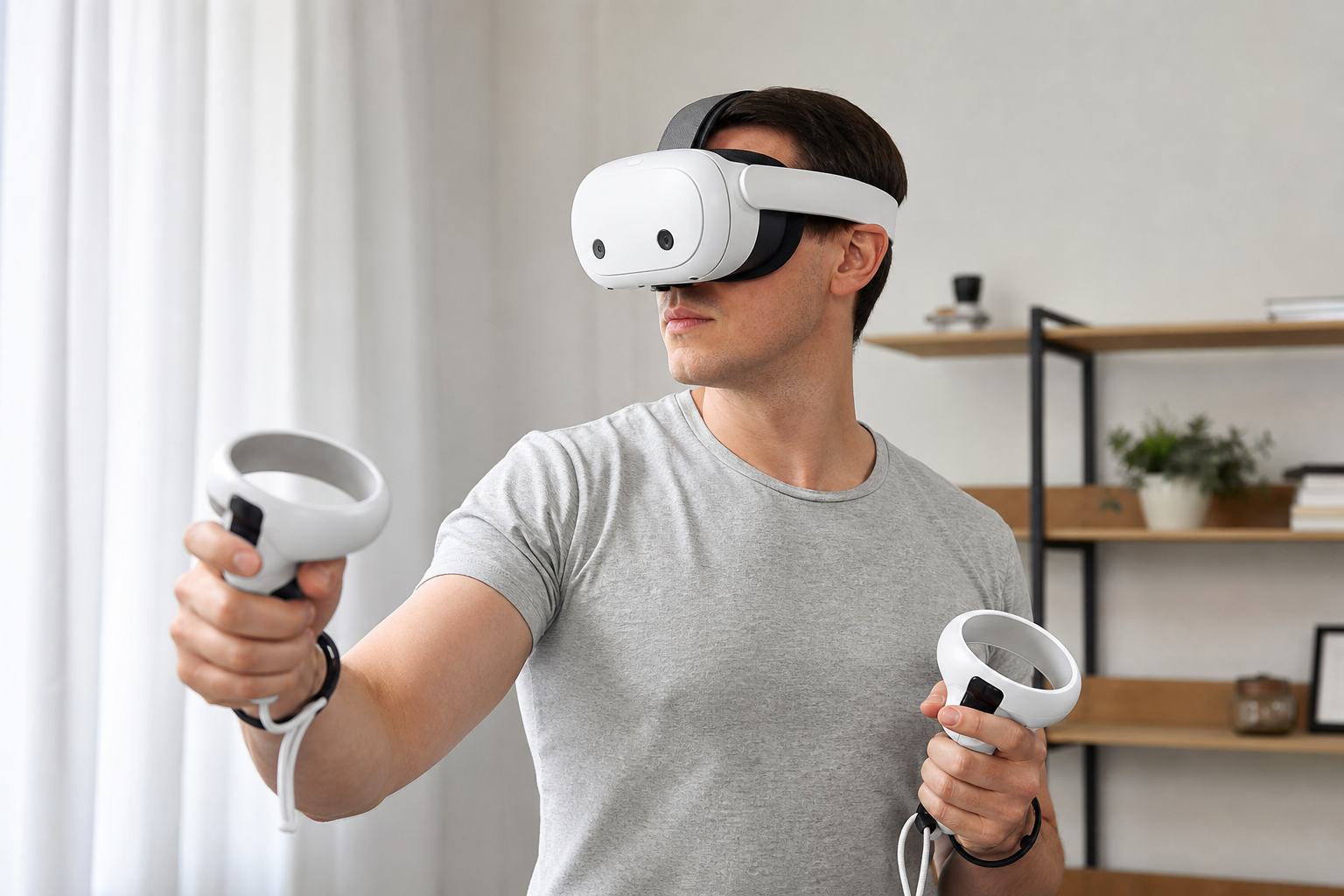
Before every VR session, I do a quick fit check. I put on the headset, tighten the silicone strap until it feels snug but not painful, and I shake my head around to check for movement. Then I grab the controllers and tighten the knuckle straps. In this "static" test, everything feels perfect. The headset is stable, and the controllers feel like an extension of my hands. The problem is that this test is misleading. It gives you a false sense of security because it doesn't account for two things: sweat and fatigue. The pressure from the headset feels fine for the first five minutes. But after twenty minutes, that gentle pressure on my forehead can turn into a single, painful spot. The silicone strap grips my dry hair perfectly, but the fit check can't tell me how it will perform when it's slick with sweat. Shaking a controller in my hand is also nothing like the G-forces it goes through during a high-speed song. A static fit check is an important first step to catch obvious problems, but you can't trust it completely. The only real test is a full, intense session where the real flaws have a chance to show up.
Would a negative Beat Saber sessions test still help buyers understand sweat cleanup on Quest Touch Plus Controllers?
Most product reviews only show you the good stuff. You end up buying something based on hype, and then it disappoints you. I found that sharing the negative parts is more helpful.
Yes, a negative test is incredibly valuable. It highlights an accessory's limits, especially with sweat and slippage during intense gameplay. This honest feedback helps people with similar playing habits, like hardcore Beat Saber players, make an informed choice and avoid buying the wrong product.
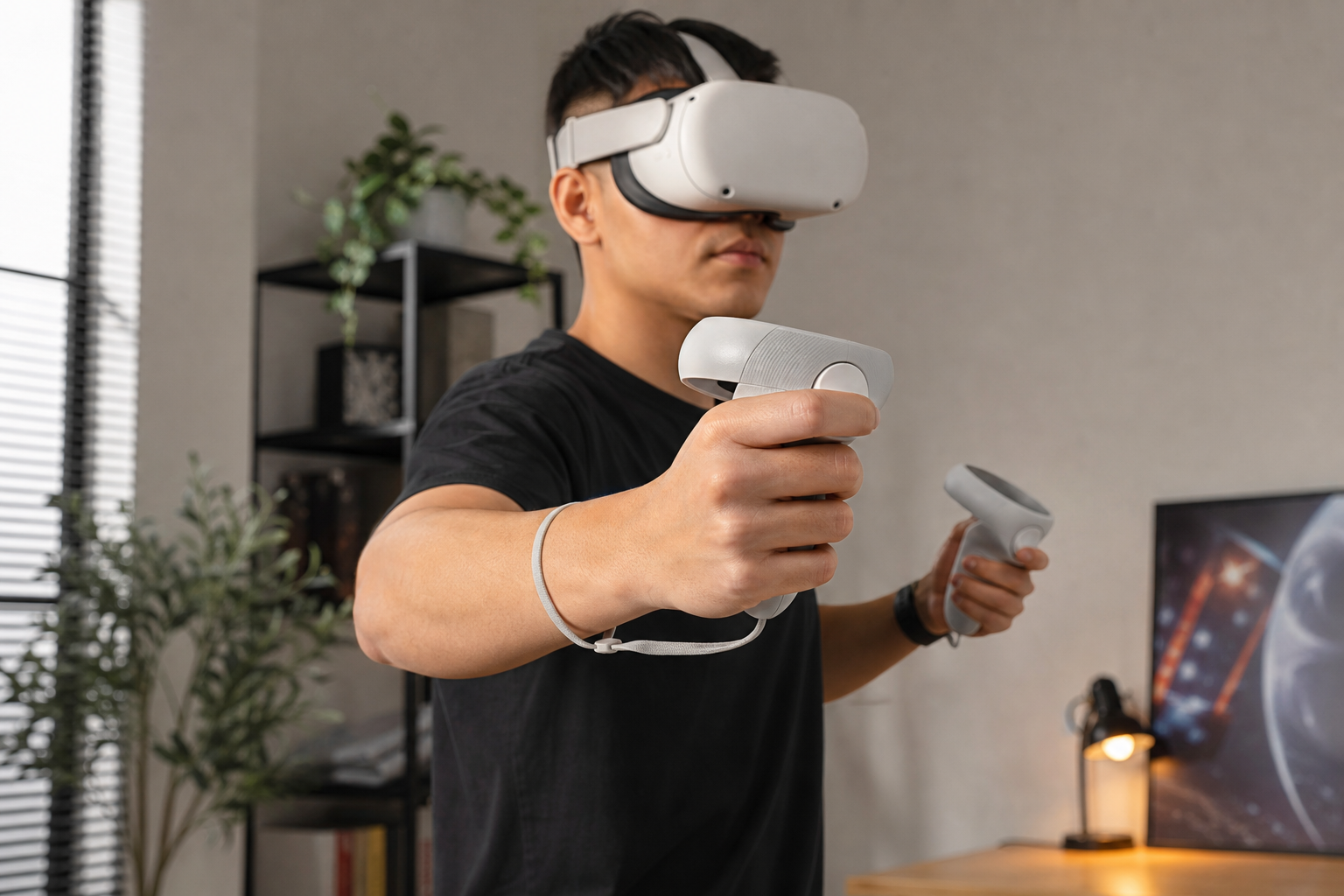
My final verdict on the silicone head strap for my specific use case is that it failed. It did not solve my main problem, which is headset stability during long, sweaty Beat Saber sessions. In fact, under those specific conditions, it was worse than the original cloth strap. But this "negative" result is extremely useful information for other buyers. If I just said, "This strap is comfortable and easy to clean," I would be misleading a lot of people who play like I do. By explaining exactly why it failed for me—my smaller head, my long and intense sessions, and the way sweat makes silicone slippery—I give you the context you need to make your own decision. If you play shorter, more relaxed games, you'll read this and realize my problems won't affect you. The strap would probably be a great choice for you. But if you're another Beat Saber addict who plays for an hour at a time, you'll read this and know to skip this accessory and maybe look at a halo strap or a battery strap instead. An honest review that explains who should not buy a product is often the most helpful review of all. It's about matching the right gear to the right player.
Conclusion
The silicone strap is great for casual use but fails during intense Beat Saber sessions for some users. Know your play style. A stability clip helps but isn't a total fix.
Leave a comment