



When do Long Arms for Gorilla Tag stop feeling helpful in Gorilla Tag?

You want an edge in Gorilla Tag, but the long arm accessories feel clumsy. They promise more reach, but your timing feels off. Here is my experience.
Long arms for Gorilla Tag stop feeling helpful when their weight causes wrist fatigue. This fatigue ruins your movement timing, which is more important than raw reach. This usually happens after about 15-20 minutes of intense play, especially for players with smaller hands.
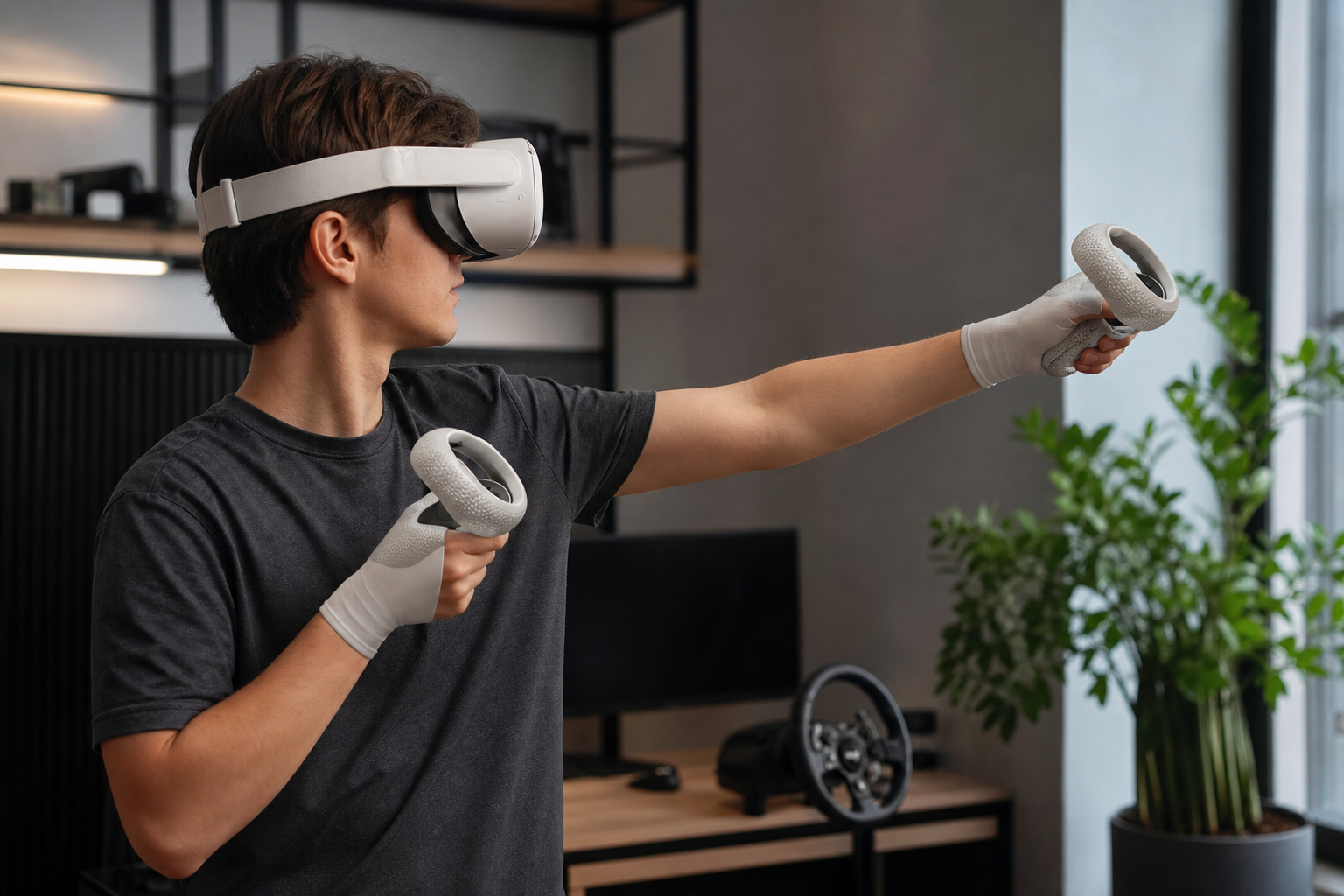
I thought these handles would be an instant upgrade. I used them with my Quest Pro Touch Controllers and felt the extra reach immediately. But when I was training a younger player, I saw the real problem. The issue wasn't the reach, it was the weight and timing. After just a few rounds, their movements got slower and more clumsy. It made me realize that the benefits of these accessories are not as simple as they seem. This experience showed me where the handles help and where they fail.
Can a real Gorilla Tag clip prove whether wrist fatigue improves?
Your arms get tired during long Gorilla Tag sessions. You hope that new handles might help, but you suspect they could actually make things worse. I felt the same way.
No, a clip can't prove wrist fatigue improves, because long arms almost always make it worse. The added leverage and weight tire out your wrists faster. The proof is in slower, less precise movements after 15 minutes of play, which a before-and-after clip would show clearly.
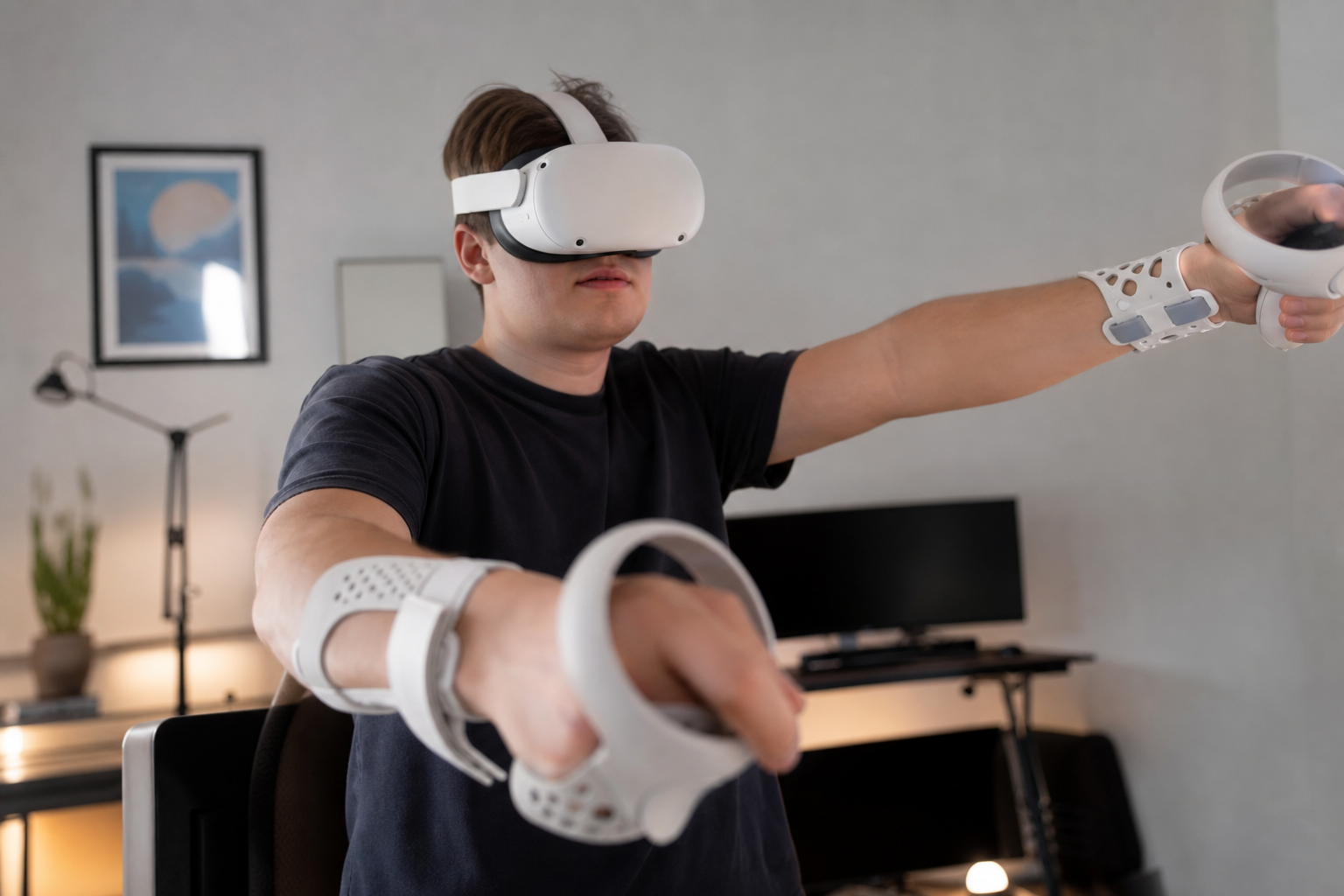
I tested this directly by playing with a friend's son. He has smaller hands, which made the effect very obvious. For the first ten minutes, he was faster. The extra reach helped him climb and tag. But after about twenty minutes, everything changed. The weight of the handles started to wear on his wrists. His movements became sloppy. He couldn't wall climb as quickly, and he missed easy jumps. His muscle memory was fighting against the new weight at the end of his hands. I put my observations into a simple table to show the difference.
Initial Impressions vs. Long-Term Reality
| Metric | Without Long Arms | With Long Arms (First 10 Mins) | With Long Arms (After 20 Mins) |
|---|---|---|---|
| Wall Climb Speed | Normal | Slightly Faster | Noticeably Slower |
| Precision Jumps | Consistent | Consistent | Inconsistent, a lot of fumbles |
| Player Complaint | "My arms are tired." | "This is cool!" | "My wrists hurt." |
The table makes it clear. The short-term gain in reach was completely erased by the long-term wrist fatigue. A gameplay clip would show this perfectly. You would see fast, sharp movements at the start. Then you would see slow, clumsy swings at the end. The problem is not the arm, but the wrist.
Can the review show both the best moment and the failure case for Long Arms for Gorilla Tag?
You see online clips of amazing plays using long arm handles. But you never see the moments where things go wrong. It makes you wonder if they are truly effective.
Yes. The best moment is a simple, long-distance tag where you surprise another player. The failure case is any complex, fast action like wall-climbing or juking. The added weight and length destroy the rhythm and timing needed for those advanced movements.
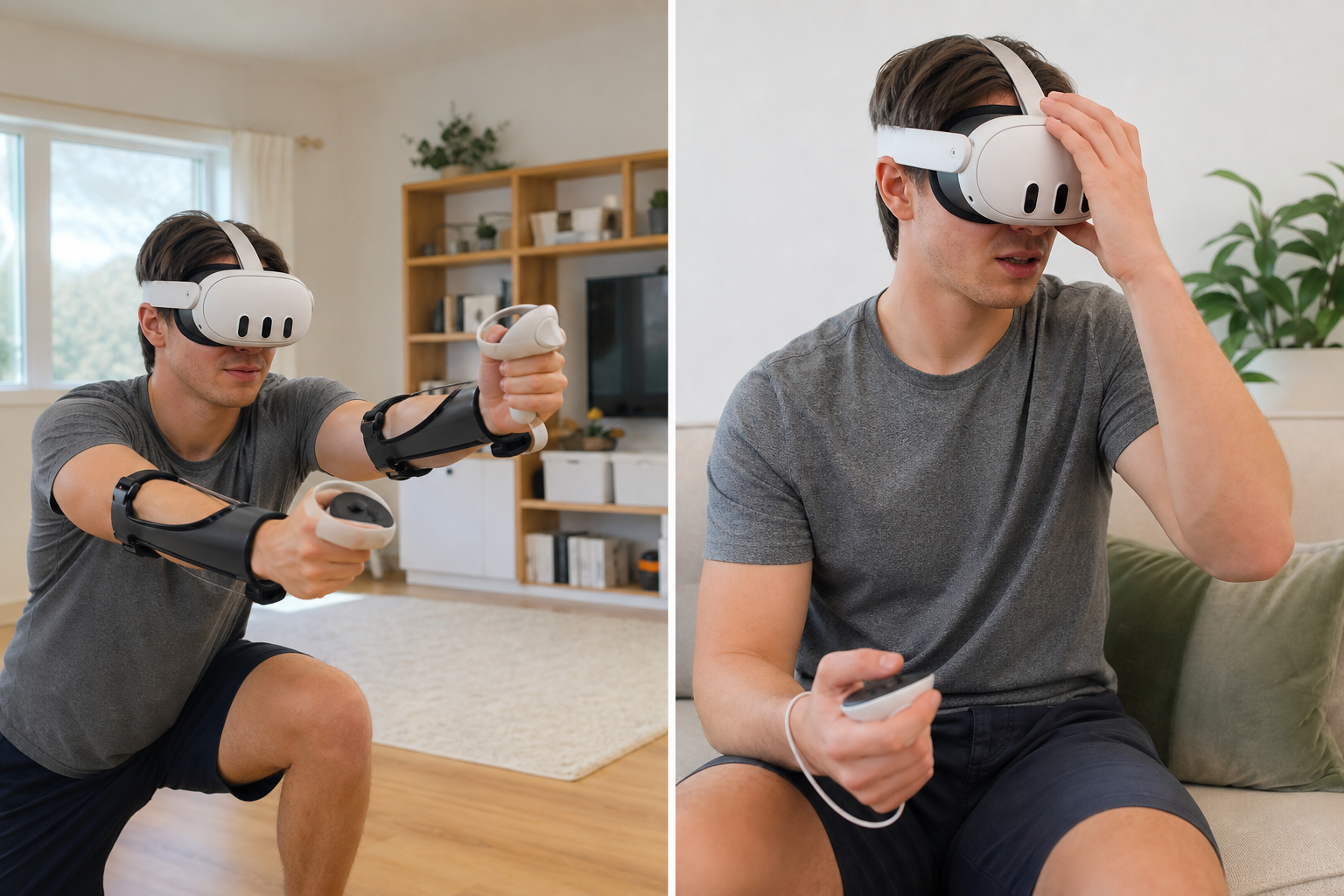
I had a perfect example of both during one session. The best moment was incredible. I was on a branch, and another player was on a platform I thought was out of reach. With a simple lunge, the long handle gave me just enough extra length to tag them. They never saw it coming. It felt like a superpower. That is the moment these accessories are sold on.
But then came the failure case. Just a minute later, I was being chased. I tried to quickly scale the side of the central treehouse, a move I've done a thousand times. But I completely failed. My hands felt like heavy weights. The extra momentum from the handles threw off my rhythm. I kept overshooting or undershooting my hand placements. My brain knew the timing, but my hands couldn't keep up. Gorilla Tag is a game of fast, repetitive, rhythmic motion. The handles are great for a single, slow reach, but they fail when speed and rhythm are required.
Is comfort the main buying trigger, or is performance the real reason people search?
You're looking at these accessories and wondering why you really want them. Is it for a more comfortable grip, or is it to get a higher score and win more games?
Performance is the real reason people search. Players want a competitive edge. The problem is that the handles often hurt performance for many users. The search is for better gameplay, but the result is often wrist discomfort and worse timing in long sessions.
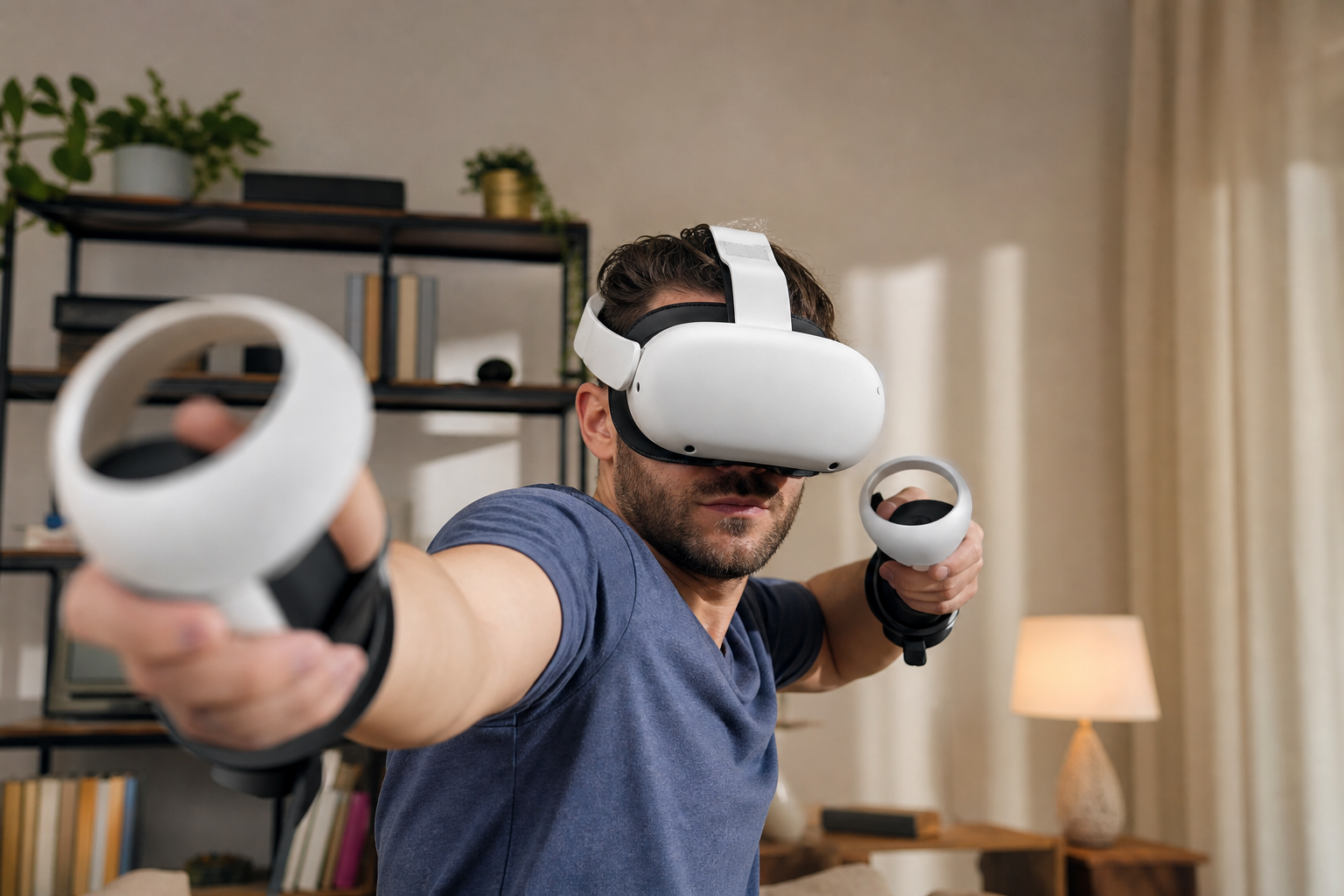
Let's be honest, no one buys these thinking, "My hands will feel so much better." People buy them because they believe longer arms will make them a better player. The entire marketing promise is about getting an advantage. The search term itself, "Long Arms for Gorilla Tag," is about performance. I bought them for the same reason. I wanted to see if the extra reach would make me untouchable.
The strange part is how the experience flips. You buy them for performance, but the conversation quickly becomes about comfort, or the lack of it. The handles are not comfortable. They are hard plastic extensions that shift the controller's weight and balance. The extra leverage puts all the strain directly onto your wrist joints. So while you start your search looking for a way to win, you end up discovering a new way to get wrist pain. The goal is performance, but the real-world test is a battle between reach and endurance.
What real-life caveat should appear before recommending Long Arms for Gorilla Tag for Gorilla Tag?
You found an accessory that might give you an advantage. You are ready to buy it and start winning. But there is something important you need to know before you use them.
The biggest warning is fair play. Many players in public lobbies consider long arms to be cheating. Using them can get you reported or kicked. It is best to only use these accessories in private games with friends who are okay with them.
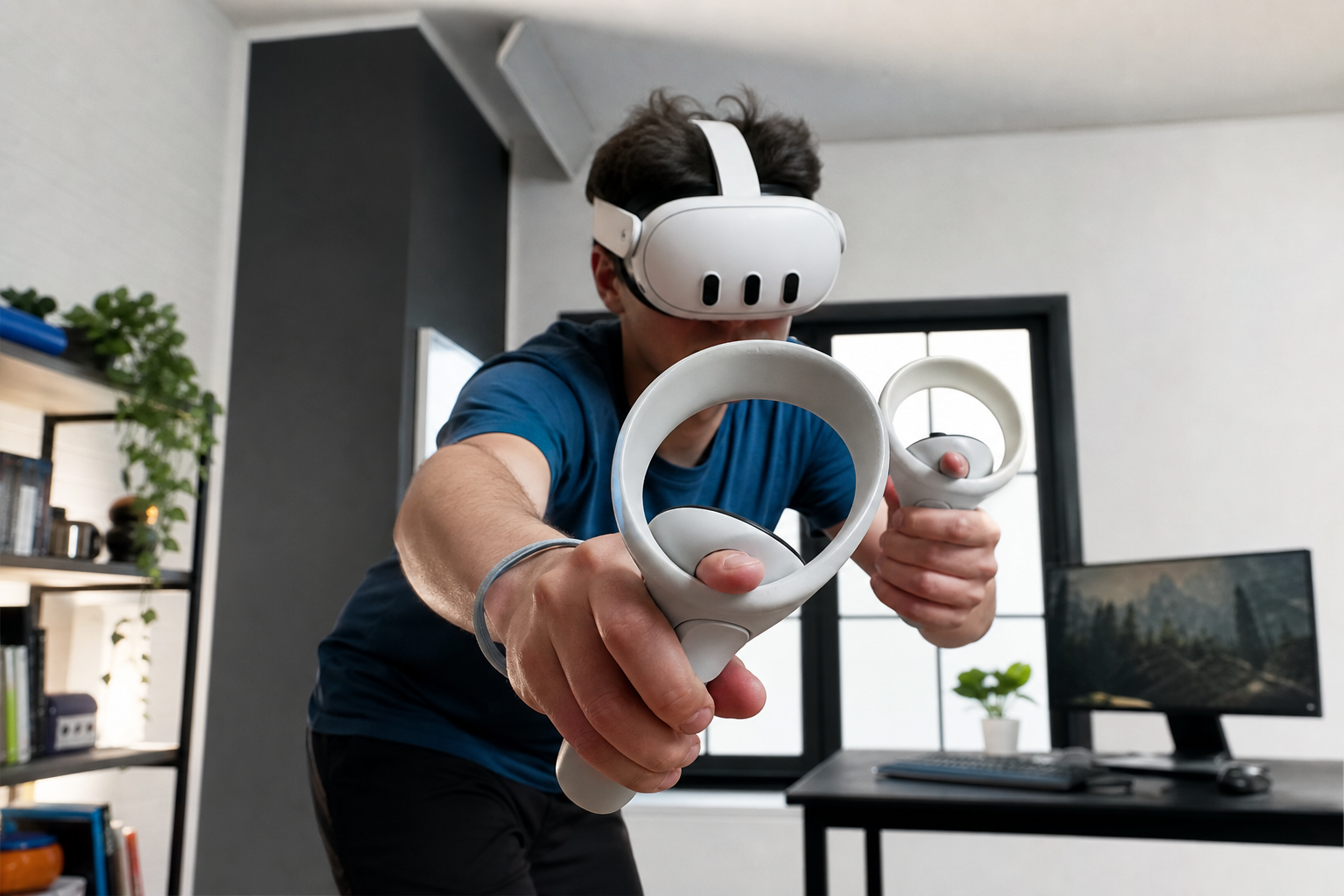
This is the most important thing to understand. While the game developers haven't banned these accessories, the community often polices itself. I learned this when I joined a public lobby to test them out. I was immediately called out by other players. They said I was cheating and that it was unfair. They weren't wrong. The extra reach does change the game's balance. To keep things fun and fair for everyone, you should avoid using these in random public games.
There is a second important caveat: your hand size and strength. As I saw with the younger player, these handles are not for everyone. If you have smaller hands or weaker wrists, the weight and leverage will be a huge problem. You will get tired very quickly, and your performance will drop. So, who should skip these handles entirely? First, any player who mainly plays in public lobbies. Second, any player with small hands or who is sensitive to wrist strain. These accessories are for a very specific type of casual play, not for serious competition.
Conclusion
Long arms give you a short-term reach advantage but hurt long-term play with wrist fatigue. They are best for casual fun in private lobbies, not for public competition.
Leave a comment