



What goes wrong when VR Sweat Mask is used for hot rooms in a small room?

Gaming in a hot room makes the Quest 3 a sweaty mess. A VR sweat mask seemed like the perfect fix for my kids. It wasn't.
In a small, hot room, a VR sweat mask often makes things worse. It traps heat and moisture directly against the skin. Instead of absorbing sweat cleanly, it can create a damp, warm layer that leads to skin irritation, defeating its entire purpose.
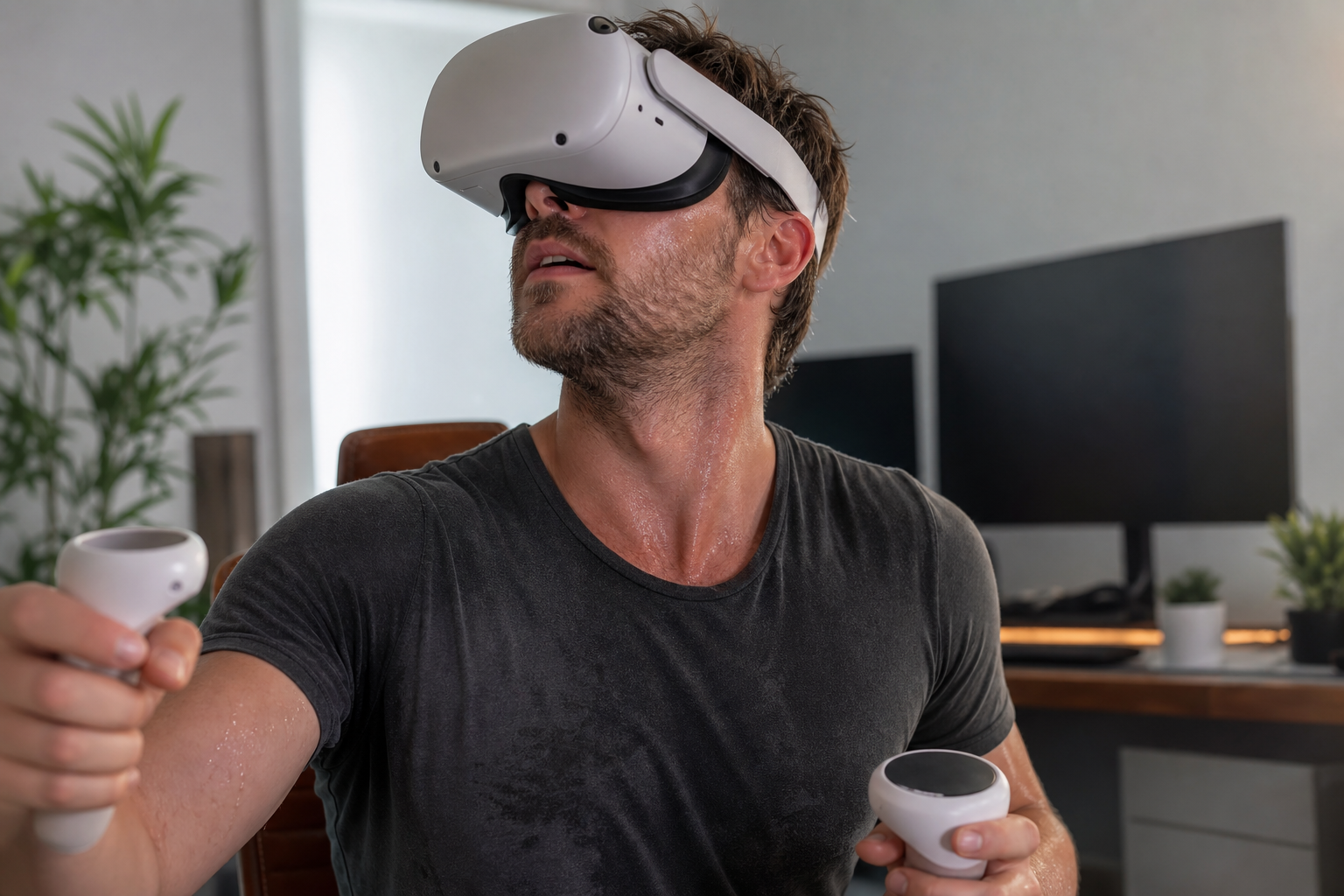
I thought a simple accessory would solve our family's biggest VR problem. We have one Meta Quest 3, and two kids who love to play games like Gorilla Tag in our small, stuffy office. The stock facial interface gets soaked with sweat after just one session. I was tired of wiping it down constantly, and I worried about hygiene. I bought a pack of washable VR sweat masks, thinking I had found the perfect, affordable solution. The idea was simple: each kid uses a fresh mask, and I toss the used ones in the laundry. But I quickly discovered that in a hot room, this "solution" created a whole new set of problems, starting with my kids' skin. This is what I learned from our experience.
In a shared headset, does VR Sweat Mask create a different skin irritation problem after hot rooms?
Sharing a headset between sweaty kids is a hygiene headache. I hoped a mask would solve it. But I started to worry: am I just trading one problem for another?
Yes, it absolutely can. A sweat mask acts like a sponge. If it's not perfectly clean and dry for each user, it traps one person's sweat, oil, and bacteria. This gets pressed directly against the next person's face, creating a perfect environment for breakouts and rashes.
My initial thought was that a physical barrier between my kids' faces and the headset foam was a clear win for cleanliness. And it was, but only with a strict routine. The fabric of the mask is more absorbent than the original facial interface. This is good for catching sweat, but it's bad if that sweat sits there. We quickly realized that even if a mask looks dry, it's not clean.
Our Family's "One-and-Done" Rule
I had to make a hard rule: you use a mask once, and then it goes straight into the laundry hamper. No exceptions. We couldn't just wipe it down. This meant I needed enough masks for several days of play before I had to do a load of laundry. Washing and drying them became part of our VR routine. The material dried fairly quickly, which was a plus. But forgetting to wash them meant no one could play.
The Real Risk of Sharing
Before we set the rule, my son used a mask that my daughter had used an hour earlier. He complained that it felt "gross and damp." The next day, he had a few red spots on his forehead. I learned my lesson. A dirty mask is worse than a sweaty foam interface because it holds moisture right against the pores.
| Hygiene Practice | Risk Level | Our Experience |
|---|---|---|
| Re-using a mask without washing | High | Caused red spots and felt damp and uncomfortable. Not recommended at all. |
| Wiping the mask with a cloth | Medium | Doesn't remove bacteria or oil. The mask still feels slightly used. Better than nothing, but not a real solution. |
| Washing and drying after each use | Low | The only truly safe and comfortable way. It requires more effort but prevents skin problems. |
Does a photo showing fit under the facial interface make the recommendation more trustworthy?
Product pages show perfect-looking masks. But how do you know it will fit your face and headset without bunching up and feeling terrible? A simple photo could tell you.
Yes, a photo showing the mask installed under the facial interface is one of the most important signs of a trustworthy recommendation. It proves the mask fits correctly without creating uncomfortable folds, blocking sensors, or leaving awkward gaps. It shows real-world application, not just an idealized product shot.
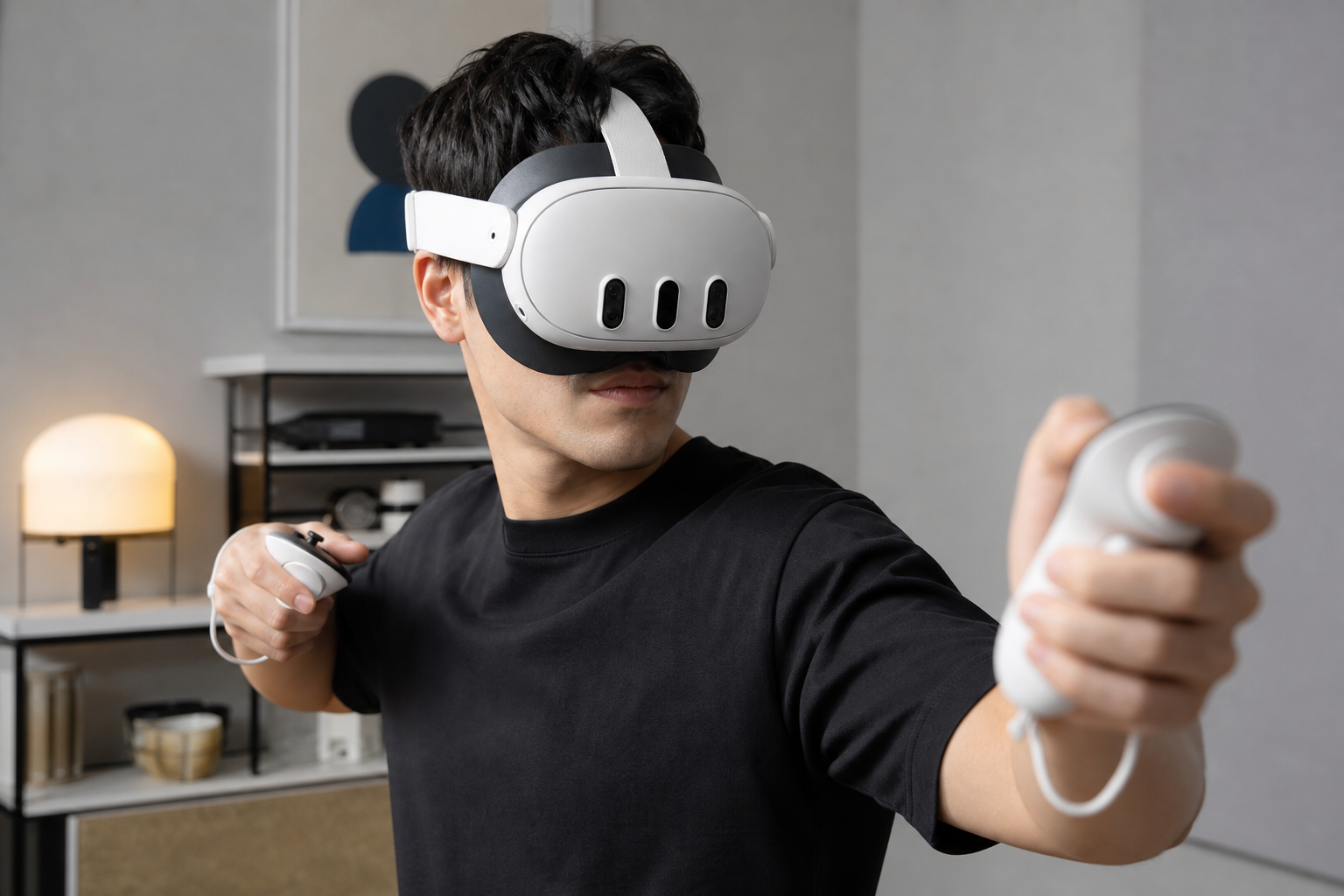
Before buying, I looked at a lot of options online. Many just showed the mask by itself. I chose one that had a picture of it actually installed on a Quest 3. This gave me confidence. When the masks arrived, I saw why that photo was so important. Getting the mask to sit flat without any wrinkles took a minute of adjusting. It has little straps that hook onto the facial interface. If a mask is poorly designed, it will either be too loose and shift around during gameplay, or too tight and create pressure points. A photo showing a smooth fit is evidence that the designers actually tested their product on the real headset. It tells me they cared about the user experience. A mask that bunches up around the nose can block a small part of your view or feel incredibly annoying. A photo helps you spot these potential design flaws before you spend your money and get frustrated.
Does a short test tell the truth, or is a longer session needed?
You put the mask on. It feels soft and comfortable for the first five minutes. But what happens after an hour of intense gaming in a warm room?
A short test is completely useless. The real test of a VR sweat mask begins after about 30 minutes of active play. That’s when you find out if it effectively wicks sweat away or just becomes a hot, wet cloth pressed against your face, causing more irritation.
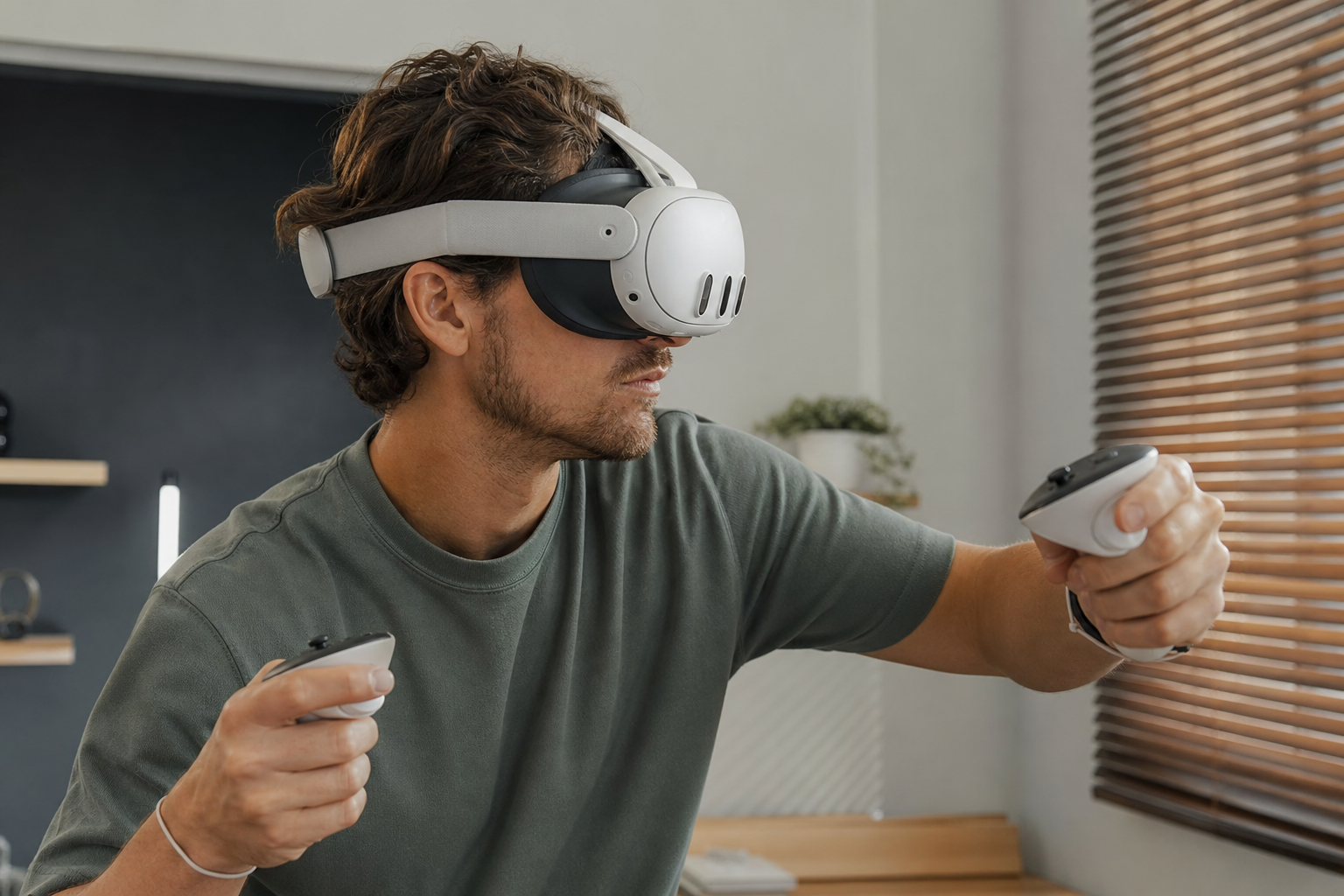
My son is the real stress-tester in our house. He can play Gorilla Tag for over an hour straight. The first time he used one of the new masks, he said it felt great at the beginning. It was soft and much nicer than the standard foam. But after his long session, he took the headset off, and the story was different. The mask was completely soaked. It didn't just absorb the sweat; it held it. It had become a heavy, damp layer on his face.
Here’s my skin-feel note from after his session: When I touched the mask, it felt saturated and cool, like a wet washcloth. When he took it off, his skin underneath was red and clammy. The mask prevented sweat from dripping into his eyes, which was good. But it also prevented any air from getting to his skin, so his face was just as hot, if not hotter. A five-minute test would never have revealed this. You need a full, sweaty gaming session to see how the material really performs under pressure.
Does the answer change when parents care more about skin irritation than price in hot rooms?
As a parent, your priority list is different. A cool new accessory is fun, but if it causes a rash, it's a total failure. Price becomes less important than safety.
Yes, the answer changes completely. When preventing skin irritation is the main goal, a cheap sweat mask is a huge risk. Parents will gladly pay more for a solution they can trust, whether it's a higher-quality mask made of better material or an entirely different accessory, like a vented facial interface.
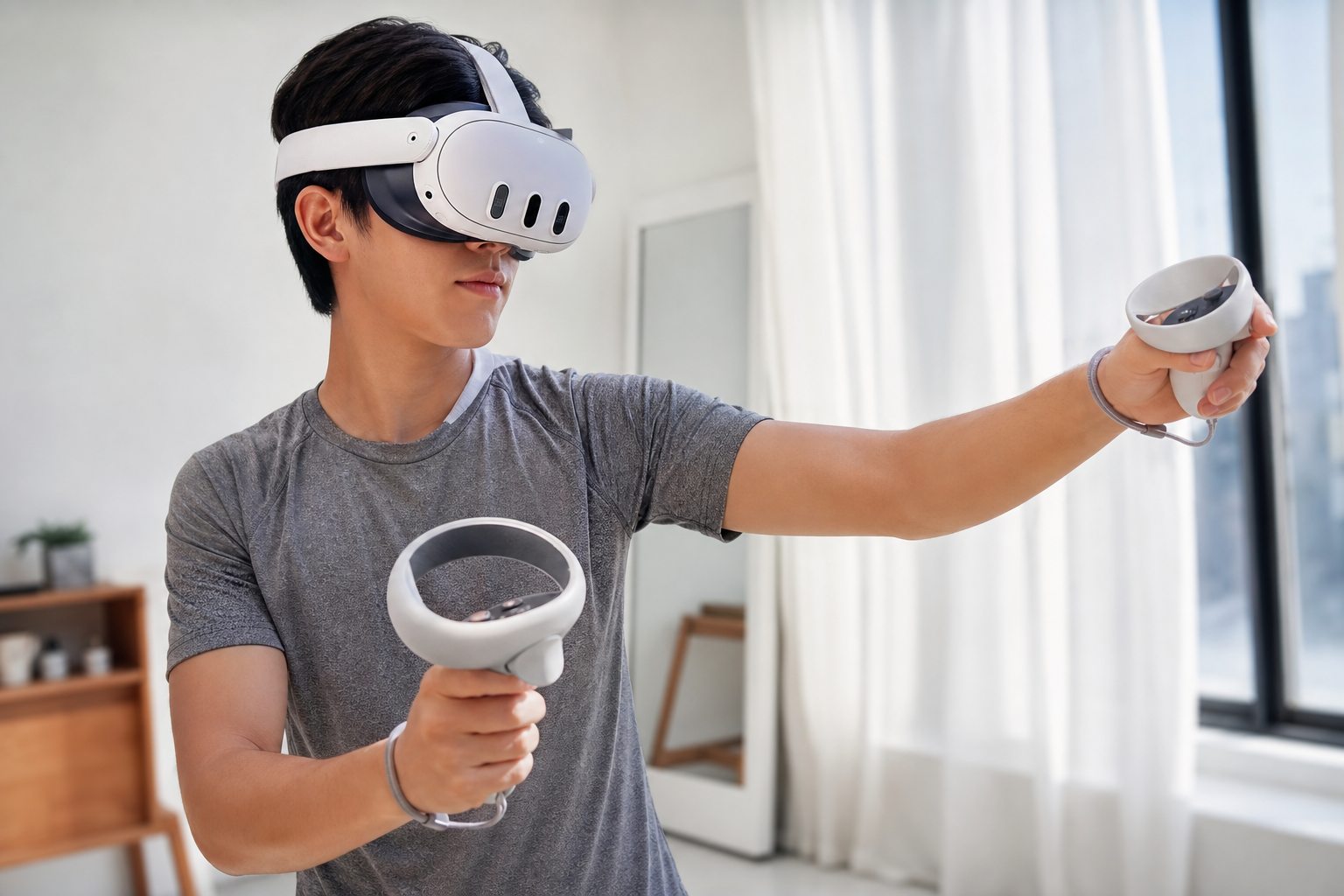
This is where the sweat mask idea started to fall apart for my family. The masks I bought were not the cheapest, but they weren't expensive either. They seemed like a good middle-ground option. Even with my strict "wash-after-every-use" rule, my daughter, who has more sensitive skin, started getting a patch of redness on her cheeks after playing. It wasn't a terrible rash, but it was irritated. The mask was clean, but the combination of trapped heat, moisture, and the fabric itself was too much for her skin in our warm office.
At that point, the cost of the masks didn't matter. The fact that it was causing discomfort was a deal-breaker. This experience taught me that adding another layer of fabric to a hot environment might not be the right solution for everyone, especially kids. For us, the risk of skin irritation outweighed the benefit of keeping the headset foam clean. We started looking at other options, like a facial interface with built-in vents to improve airflow, even though it costs more. For a parent, a happy kid with healthy skin is worth any price.
Conclusion
A VR sweat mask helps with hygiene but can trap heat and cause skin irritation. For kids in hot rooms, a vented facial interface may be a better, safer investment.
Leave a comment