



What goes wrong when Beat Saber Grips is used for Quest 3 controllers in a small room?

Tired of your Quest 3 controllers slipping? You add grips for security, but now your hands feel huge and clumsy. Suddenly, you're hitting your controllers together during fast songs.
In a small room, Beat Saber grips make your Quest 3 controllers longer and bulkier. This increases the chance of them colliding during fast crossover swings. The result is lost tracking, missed notes, and lower scores, especially for competitive fitness players who rely on wrist movements.
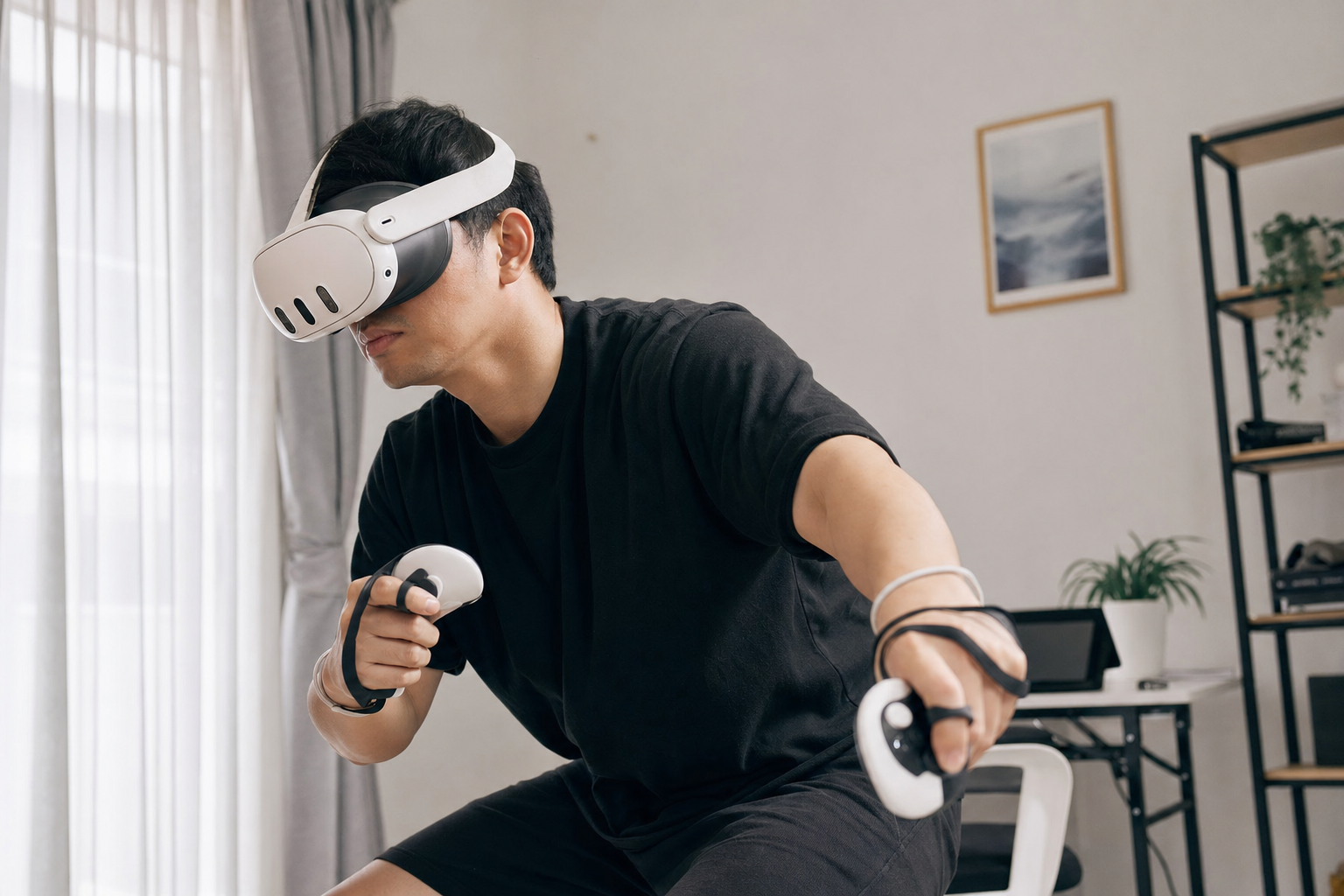
I've been a dedicated Beat Saber fitness player for years, starting with the Quest Pro and its compact Touch Pro controllers. The tracking was nearly perfect. When I switched to the Quest 3, I was excited, but the controller shape felt different. I thought grips would solve the problem by making them feel more substantial, like my old controllers. I was wrong. The first time I loaded up a fast, wrist-heavy track in my limited play space, I immediately understood the issue. The added bulk was a bigger problem than the original grip feel. This isn't a generic accessory review. This is my firsthand account of what happened when I tried to force a popular solution into a space where it just didn't fit, and how it changed my entire game.
When fitness players use Beat Saber Grips in Quest 3 controllers, what feeling changes first about hand size?
Your hands feel secure, which is great. But then you swing, and they feel massive and slow. The first time your hands cross, you notice the difference, and it’s not a good one.
The first feeling that changes is the pivot point. The grips add length and change the weight balance, making the controller feel longer. This makes your brain think your hands are bigger, which throws off the timing of your wrist flicks and makes you overcompensate on swings.
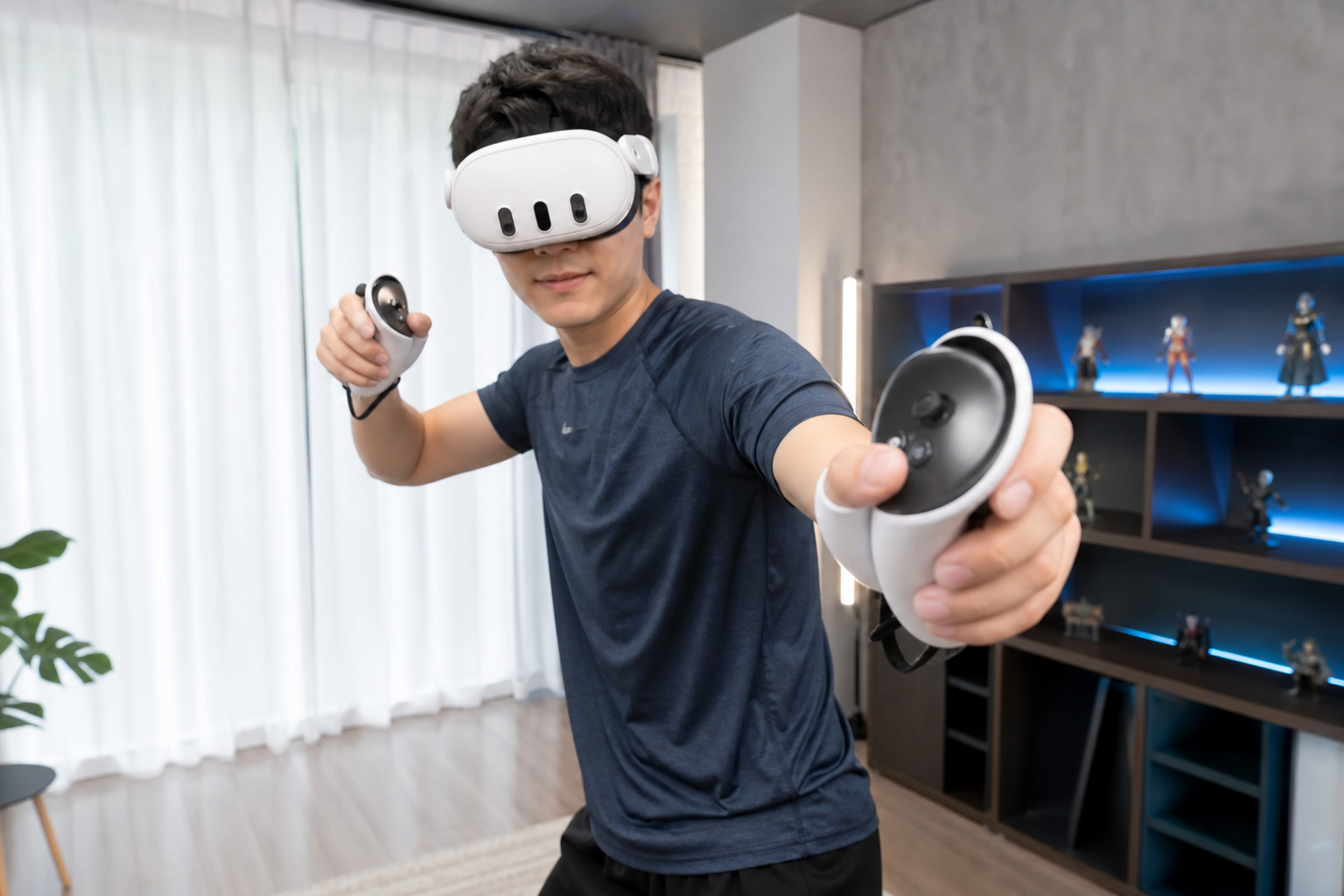
The change was immediate and physical. I’m used to the Quest Pro Touch Controllers, which are very compact. My muscle memory is built around their size and weight. When I put the grips on the Quest 3 controllers, the center of gravity shifted away from my palm. My wrist had to work harder to make the same quick snaps required for expert-level songs. This created a new kind of strain I hadn't felt before. It wasn’t just about the controllers feeling bigger, it was about them feeling unbalanced. This perception of a larger "hand" made me instinctively widen my swings to avoid a collision that my brain now thought was inevitable. This, of course, ruins your form and efficiency on tracks that require tight, precise movements. The issue is less about the grip comfort and more about the functional geometry of your swing.
Perceived Size vs. Actual Clearance
The real problem is how this new feeling affects your movement in a tight space. Your brain adapts to the tools you use. With bare controllers, you learn the exact clearance you have. Grips reset that learning.
| Controller State | Perceived Hand Size | Impact on Wrist Rotation | Effect in Small Room |
|---|---|---|---|
| Bare Quest 3 Controller | Normal, compact | Fast, natural pivot | Easy to manage close crossovers |
| Quest 3 with Grips | Large, long, bulky | Slower, requires more force | High risk of collision, tracking loss |
What should be measured before claiming Beat Saber Grips fixes hand size?
You think the grips help your hand feel better. But are they really improving your performance, or just changing it? You need more than a feeling to know for sure.
You must measure tracking consistency and score stability on fast, crossover-heavy songs. A temporary score drop is expected, but if tracking errors and controller collisions continue after a week, the grips are hurting, not helping. The physical clearance between your hands is also key.
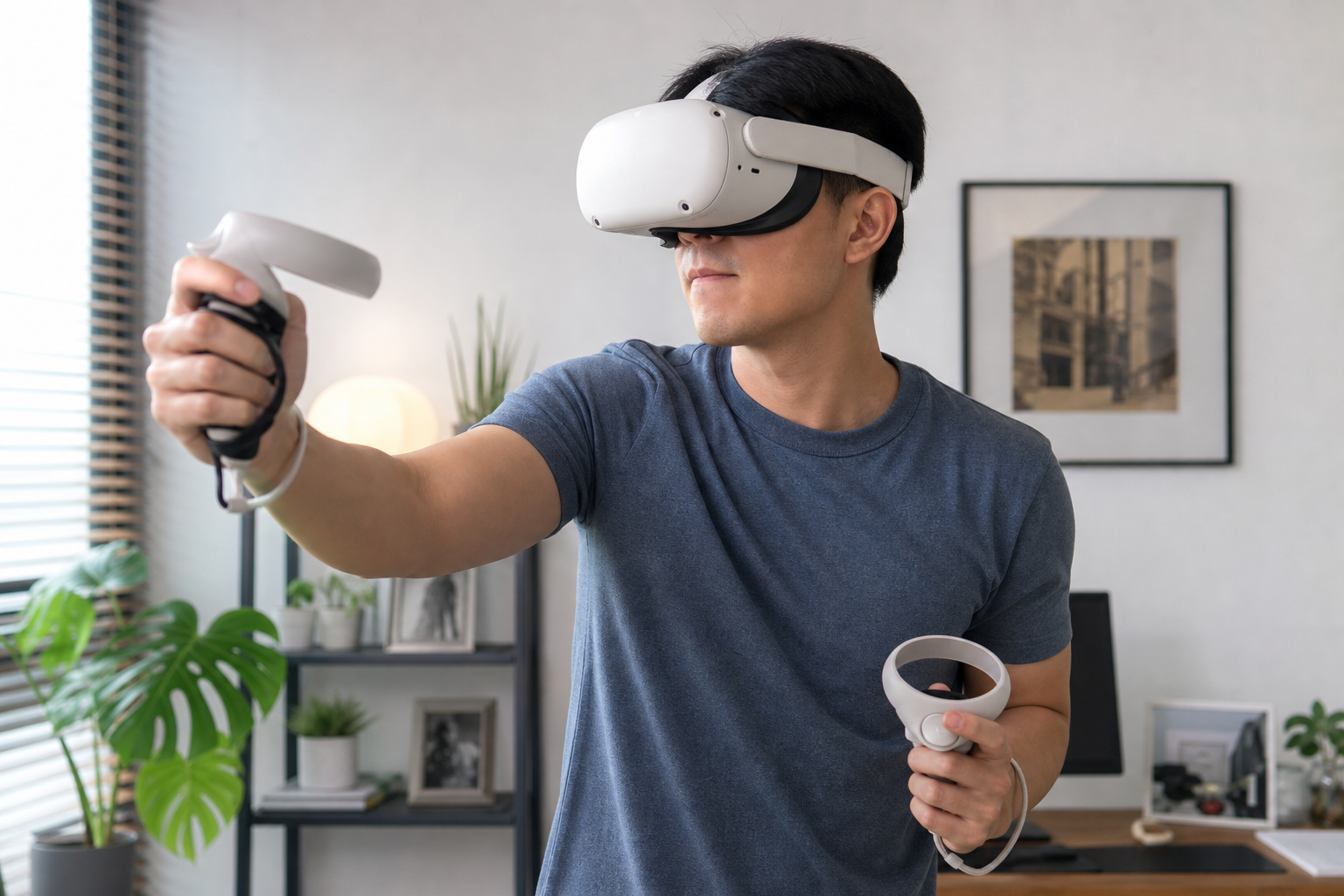
I decided to test this like a science experiment. I picked one song with a notoriously difficult crossover section that I had mastered with my Quest Pro controllers. First, I played it five times with the bare Quest 3 controllers to set a baseline score. My scores were consistent. Then, I installed the grips and played the same section five more times. My score dropped by over 15%. I could feel the controllers hitting each other, causing the haptic feedback to buzz and my sabers to momentarily vanish. I told myself it was just a learning period. So, I practiced with the grips for a few days. While my scores did creep back up slightly, they never reached my baseline. The collisions never fully went away. The objective data was clear: for my play style and in my small room, the grips were a performance downgrade. "Feeling" more secure is useless if that security comes at the cost of accuracy and points.
Can Quest Pro Touch Controllers fit checks catch the problem before the first full session?
You don't want to ruin a good workout session just to test a new accessory. There must be a faster way to see if these grips will be a problem.
Yes, a simple fit check can spot the issue immediately. Before starting a game, hold the gripped controllers and slowly bring your hands together as if you're doing a close crossover. You will feel the plastic shells touch much sooner than you expect, a clear warning.
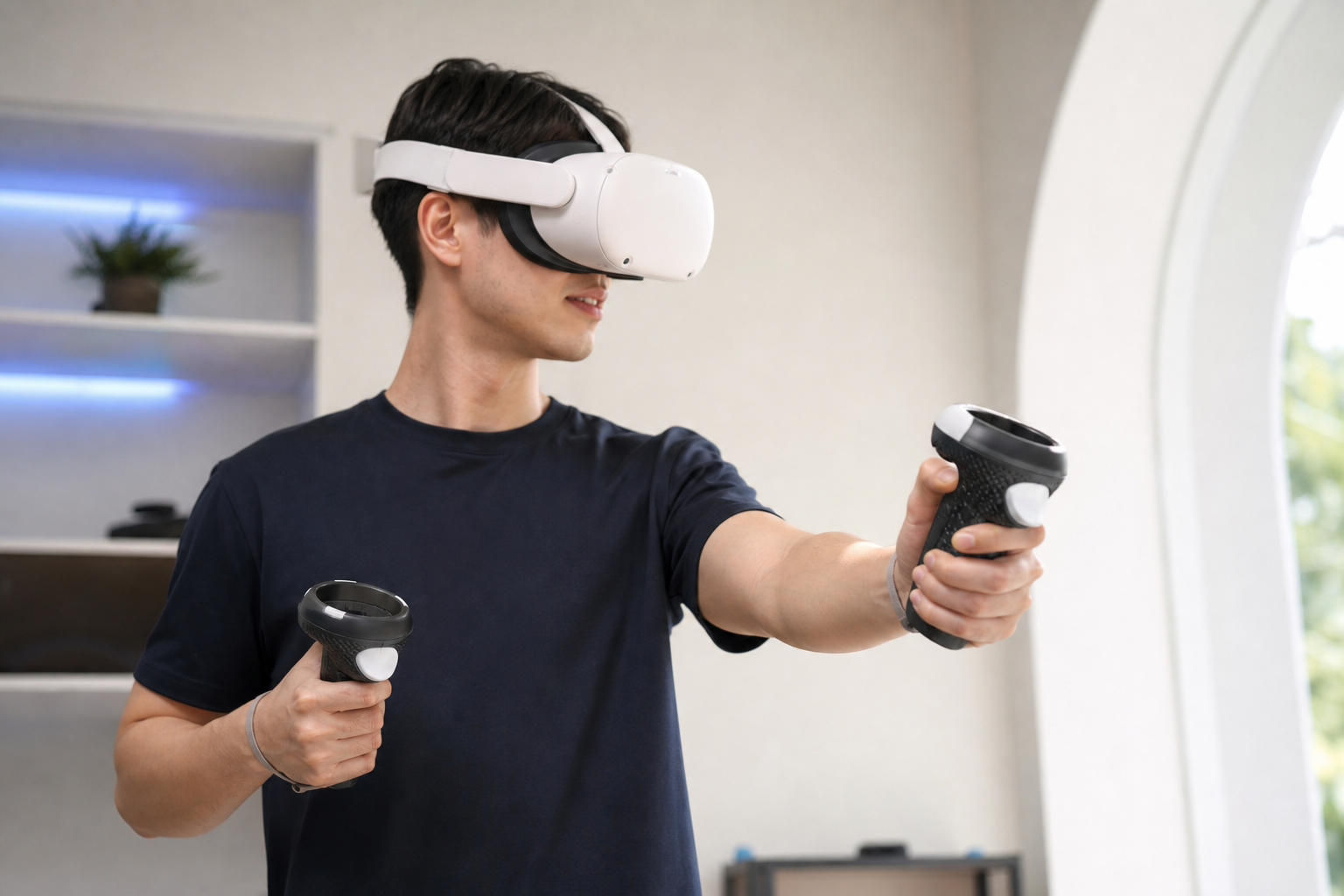
This is something I always did with my Quest Pro controllers. Their small, ringless design meant my hands could get very close without any issues. I tried this same simple test with the Quest 3 controllers and the new grips. I held them in front of my chest and simulated a tight, fast crossover pattern without even being in VR. The grips clacked against each other instantly. It was a loud, physical confirmation of the problem. This simple, out-of-headset check took less than 10 seconds and told me everything I needed to know. It showed that my deeply ingrained muscle memory for how close my hands could be was now completely wrong. For any competitive player, especially those in smaller rooms, this pre-game fit check is essential. It can save you the frustration of failing a song because your new gear is physically getting in its own way. The Quest Pro controllers pass this test easily; the gripped Quest 3 controllers do not.
What would the reviewer keep using after the Quest 3 controllers test if hand size improves?
After trying everything, what is the final choice? Do you stick with the new accessory that promised an improvement, or go back to what you know works?
If scores and tracking consistency eventually surpassed the baseline after the learning period, I would keep the grips for their comfort. However, since they did not, I went back to bare Quest 3 controllers for intense fitness sessions. The risk of collision outweighs the comfort.
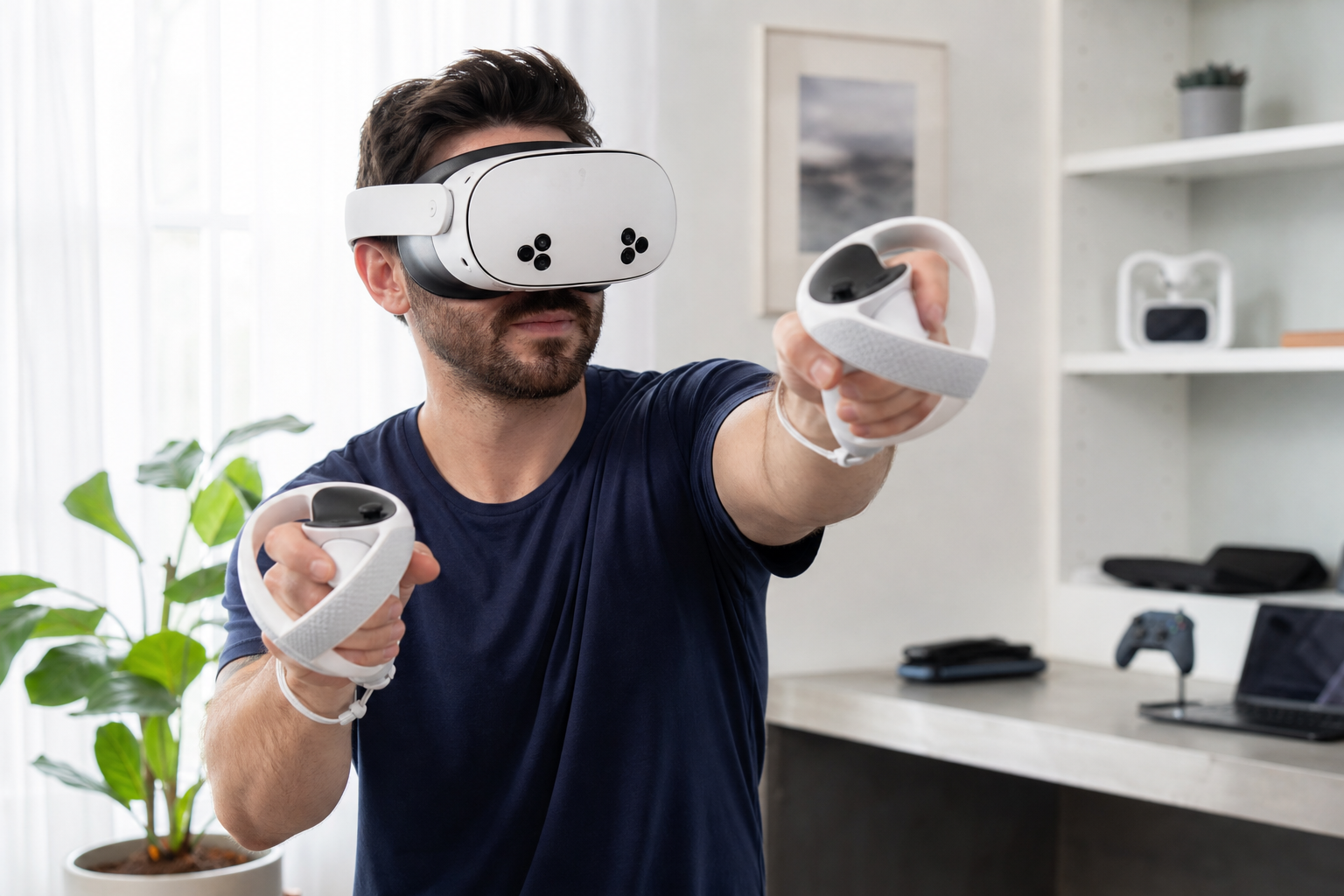
Here is my honest takeaway. The Beat Saber grips are not a bad product. For slower games or for players with very large hands and a big play area, they probably feel great. The added security from the strap is a real benefit, and it does make the controller feel more substantial in your hand. But for my specific use case—a competitive fitness player in a room that is just big enough—they were a failure. The added length and bulk directly led to a drop in performance that I couldn't overcome with practice. My final decision was to use a hybrid approach. For high-intensity Beat Saber sessions, I use the bare Quest 3 controllers. The smaller profile is essential for avoiding collisions. For more casual VR games where my hands don't need to cross over at high speeds, I sometimes put the grips on for the extra comfort. But if I could only choose one, it would be the bare controllers. The grips introduced a problem that simply wasn't there before.
Conclusion
Beat Saber grips add bulk that causes controller collisions in small rooms. They can improve comfort but harm performance on fast songs with crossovers. Test them carefully before you commit.
Leave a comment