



What does a real 20-minute glasses users test reveal about Open Facial Interface for Quest 3?

You bought a Quest 3 for your family, but glasses and face pressure make it uncomfortable. Sharing it is even worse, with constant cleaning and readjusting.
Our 20-minute test with an open facial interface shows it reduces heat and fog for glasses users. But it creates new problems. Light leak is a major issue in dark games, and swapping the thin pads between family members often creates new, sharper pressure points than the original gasket.
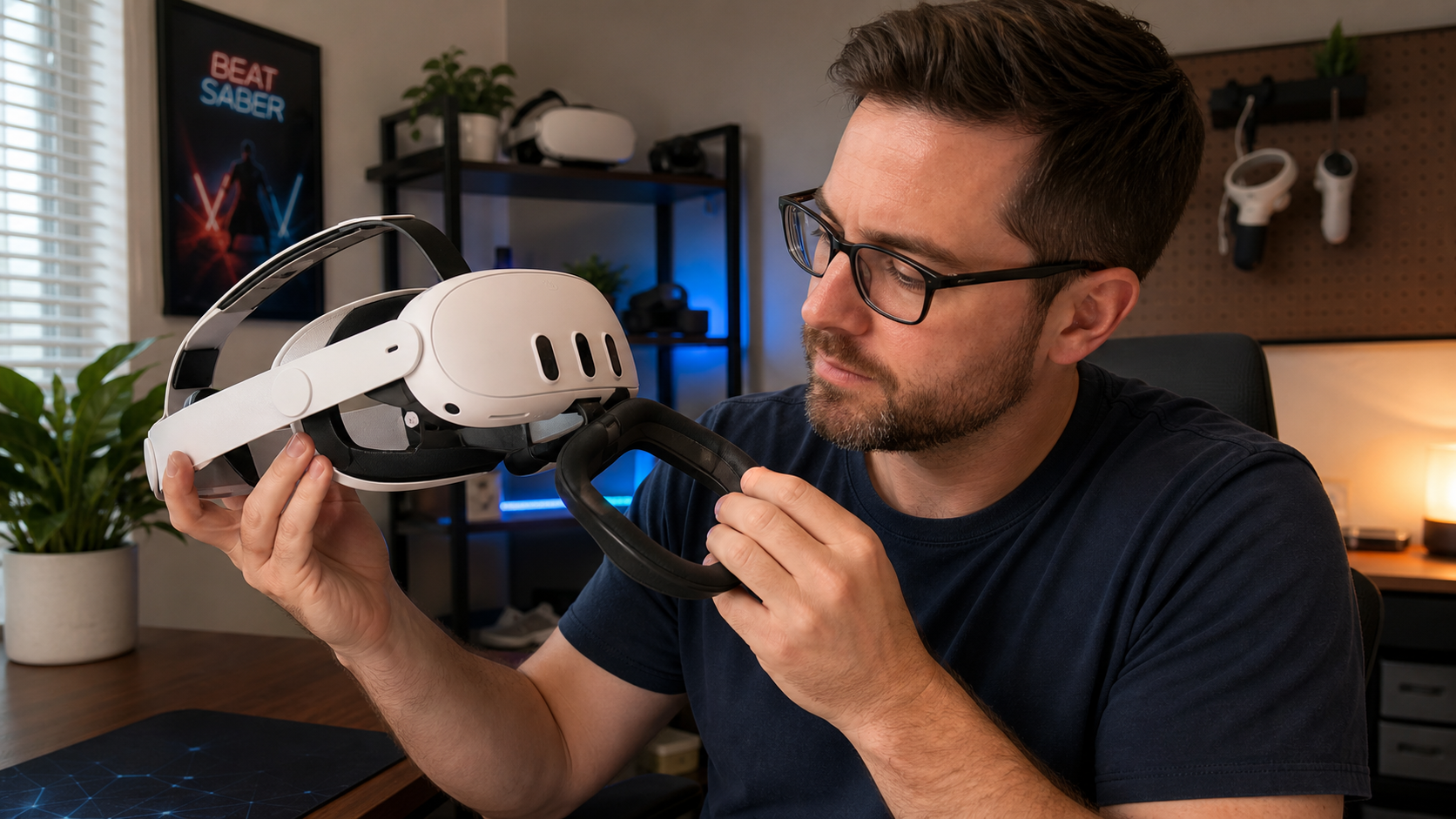
When I first got the open facial interface, the idea felt like a perfect solution. My son and I both wear glasses, and sharing the Quest 3 always involves a routine. We wipe down the sweaty foam pad, readjust the straps, and hope for the best. An open design with easy-to-clean pads seemed like it would solve everything. The promise was a cooler, more comfortable experience that we could pass back and forth without hassle. But a promise is different from reality. I wanted to see if this accessory would hold up to a real family's use, moving beyond the exciting first impression to find its true value. We decided to put it to the test, focusing on the real problems we face every day.
Is face pressure still a problem after adjusting cleaning speed after a shared session?
Sharing your Quest 3 is fun until you have to clean a sweaty pad. Swapping pads is slow. We hoped an open interface with wipeable pads would finally fix this.
Yes, the face pressure problem can get worse. The open design itself is light, but the thin pads are fussy to swap between users. Rushing to clean and reattach them often leads to misalignment, which creates new, sharp pressure points from the plastic frame itself.
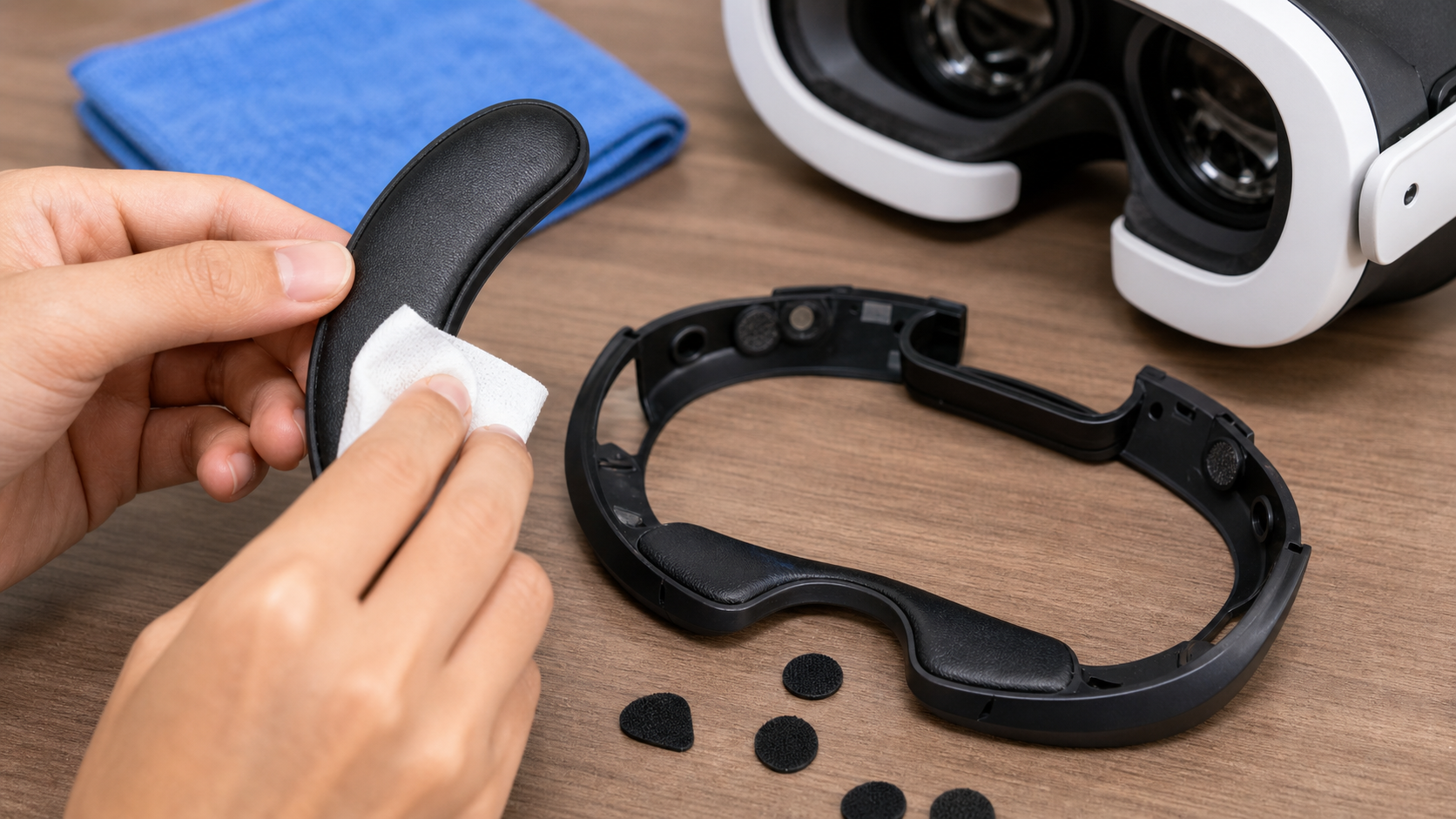
My initial thought was that this would be a huge time-saver. After my son finished a round of Gorilla Tag, the standard foam was usually soaked. The open interface has thin, leather-like pads that you can just wipe down. The cleaning part was indeed fast. The problem came right after. The pads attach with small velcro dots, and they have to be placed perfectly. When I rushed to get back into a game, I stuck the pads on just a little crooked. I didn't think it would matter. But when I put the headset on, the hard plastic edge of the interface was digging into my cheek. The comfort was gone. The time I saved wiping the pad was lost to the time I spent taking it off again to fix the alignment. It turned a simple swap into a delicate operation.
Comparing Session Swaps
The trade-off between cleaning speed and reattachment comfort became very clear. A quick wipe is great, but not if it leads to a painful next session. Here is how it broke down for us.
| Action | Standard Quest 3 Gasket | Open Interface with Thin Pads |
|---|---|---|
| Cleaning | Slow. The foam absorbs sweat and needs time to dry. | Fast. You can just wipe the surface with a cloth. |
| Reattachment | Simple. The whole piece clicks on and off easily. | Fussy. You have to align the thin pads on small velcro points. |
| Result of a Rushed Swap | It almost always fits correctly. | High chance of misalignment, causing new pressure points. |
Would record pressure marks around the cheeks and brow expose the same face pressure problem?
You finish a VR session and see red "VR face" marks in the mirror. Does an open interface finally get rid of those marks by floating off your face?
No, it just moves the pressure marks and can make them worse. The open frame creates sharper, more defined red lines on the brow and cheeks. The soft, spread-out pressure of the original gasket is replaced by focused pressure from a hard plastic edge.

I was really curious about this, so I paid close attention. After a 20-minute session of Beat Saber, I took off the headset and went straight to the mirror. The usual "raccoon eyes" I get from the standard gasket were gone. That was a success. But I saw something new instead. There was a thin, sharp red line across the top of my forehead where the plastic frame had been resting. It felt less like a gentle squeeze and more like a hard press. My wife tried it next. She has higher cheekbones, and for her, the pressure was all on her cheeks. The frame pushed her glasses into her face in a new, uncomfortable way. The core issue is that the standard foam gasket is wide and soft, so it distributes pressure evenly. This open interface is a hard frame with thin padding, so all the pressure is concentrated on those narrow contact points. It doesn't solve the pressure problem; it just changes where and how you feel it.
Can the review separate first-impression excitement from repeat-use value?
New VR gear always feels amazing at first. The "wow" factor of an open design is strong. But does that feeling of freedom last after you use it every day?
The first impression is fantastic. The airflow on your face is a huge relief. But after a few days, the flaws appear. The light leaking in from the sides is very distracting in dark games, and you have to tighten the head strap more to get a stable fit.
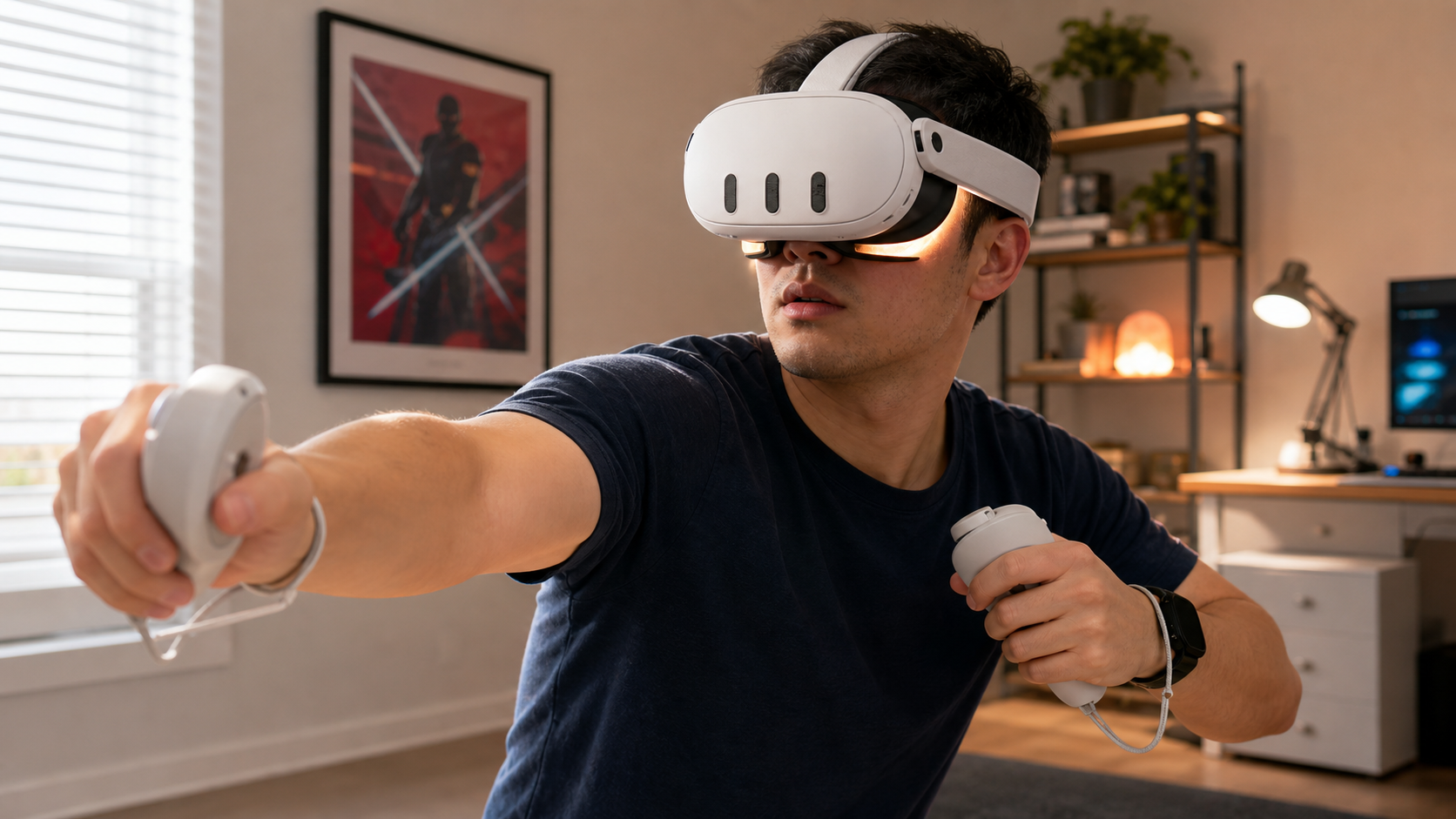
For the first five minutes, I was convinced this was the best accessory ever made. I could feel the air on my skin, and my glasses didn't fog up at all. It felt like wearing a pair of high-tech goggles, not a sealed-off mask. The excitement was real. But the long-term value started to drop after a few days of regular use. I tried to play a darker, more atmospheric game. The experience was not great. I could see the reflection of my lamp and windows on the inside of my glasses lenses. The light from the room bled in from the sides and bottom, completely breaking the immersion. This is the biggest warning I can give: if you hate light leak, stay away from this accessory. Its value is not as a full replacement for the standard gasket. It is a special tool for specific uses, like short, active fitness games in a well-lit room. The initial "wow" fades fast once you realize its limits.
Could a cheaper or simpler setup answer this glasses users and face pressure problem just as well?
You want more comfort for your glasses in VR, but accessories add up. Is a special open interface the only way, or could a simpler, cheaper fix work?
Yes, a much simpler and cheaper setup works better for most glasses users. Using the Quest 3's built-in depth adjustment with a better head strap solves the pressure problem without the annoying light leak. This combination is more practical for a shared family headset.
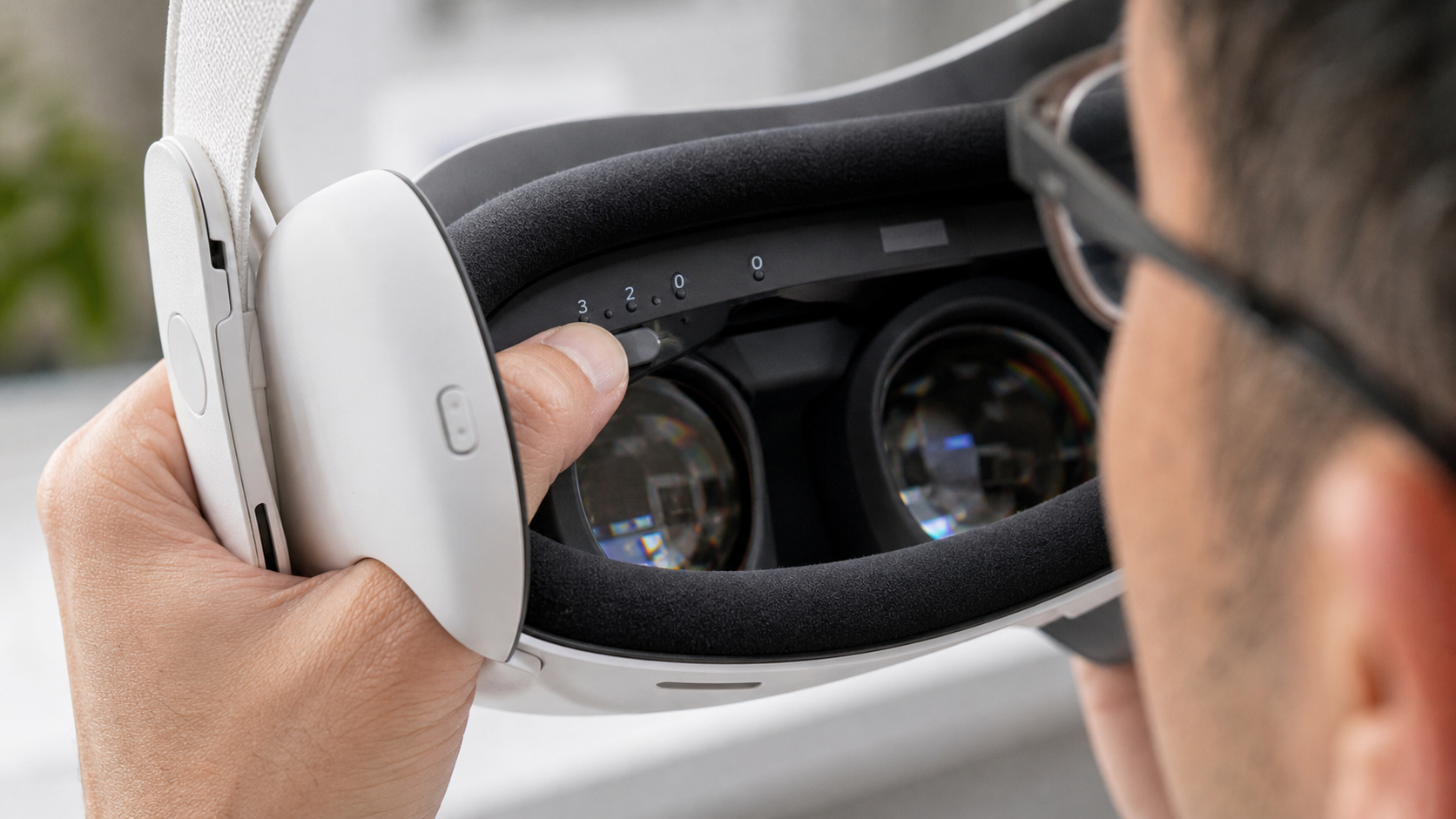
After getting frustrated with the open interface, I went back to basics. I put the original Quest 3 gasket back on. Then, I used the little grey buttons inside the headset to set the eye relief to its furthest position. This one simple change made a huge difference. It created enough space for my glasses so they no longer pressed against the lenses or my face. The main remaining problem was the original cloth strap, which pulls the headset's weight down onto your cheeks. I swapped it for our X-super Home silicone head strap to balance the weight better across my head. This simple two-part solution—using the built-in adjustment and a better strap—solved the face pressure issue almost completely. It was more comfortable, had no light leak, and was much easier to adjust when sharing the headset between family members. For most glasses users, this is a better and more affordable answer.
Conclusion
The open interface is good for short, active VR sessions if you hate heat. But for glasses users seeking pressure relief, simple headset adjustments and a better strap provide more consistent comfort.
Leave a comment