



Is an Open Facial Interface for Quest 3 useful for lens fog prevention if comfort matters more than performance?

Foggy lenses ruin intense VR workouts. The heat and sweat build up, blurring your view right at a critical moment. You have to stop, wipe, and lose your flow.
An Open Facial Interface for Quest 3 is useful for preventing lens fog, especially for glasses users. It significantly improves airflow. However, this comes at the cost of light leakage, which can reduce immersion and may not fully solve face pressure without a better head strap.
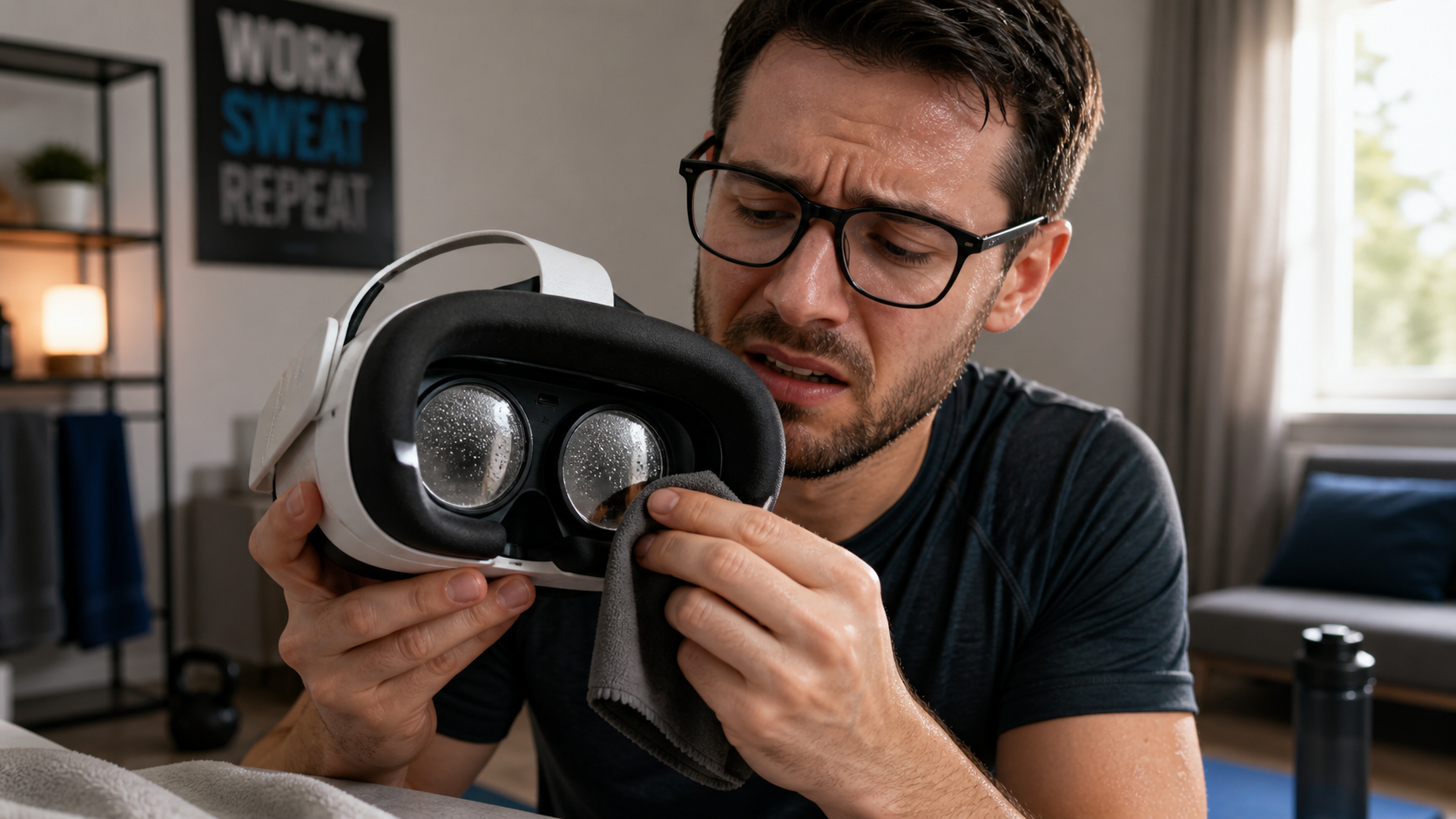
I was tired of my glasses fogging up every time I played a round of VR golf or did a workout. After sharing my headset, swapping out the pads always felt like a chore, and the pressure never seemed right. I decided to test the Open Facial Interface to see if it could solve my fatigue and fogging issues once and for all. My deep dive started with the most pressing problem: that nagging face pressure.
Could Meta Quest 3S owners solve face pressure without buying another accessory?
That squished feeling on your cheeks and forehead is a real session killer. It leaves red marks and makes you want to quit early, even when the game is fun.
No, an open facial interface by itself does not completely solve face pressure. It primarily repositions the pressure from your cheekbones to your forehead. To truly fix the issue, you will likely still need a better head strap that provides proper counterweight and support for your head.
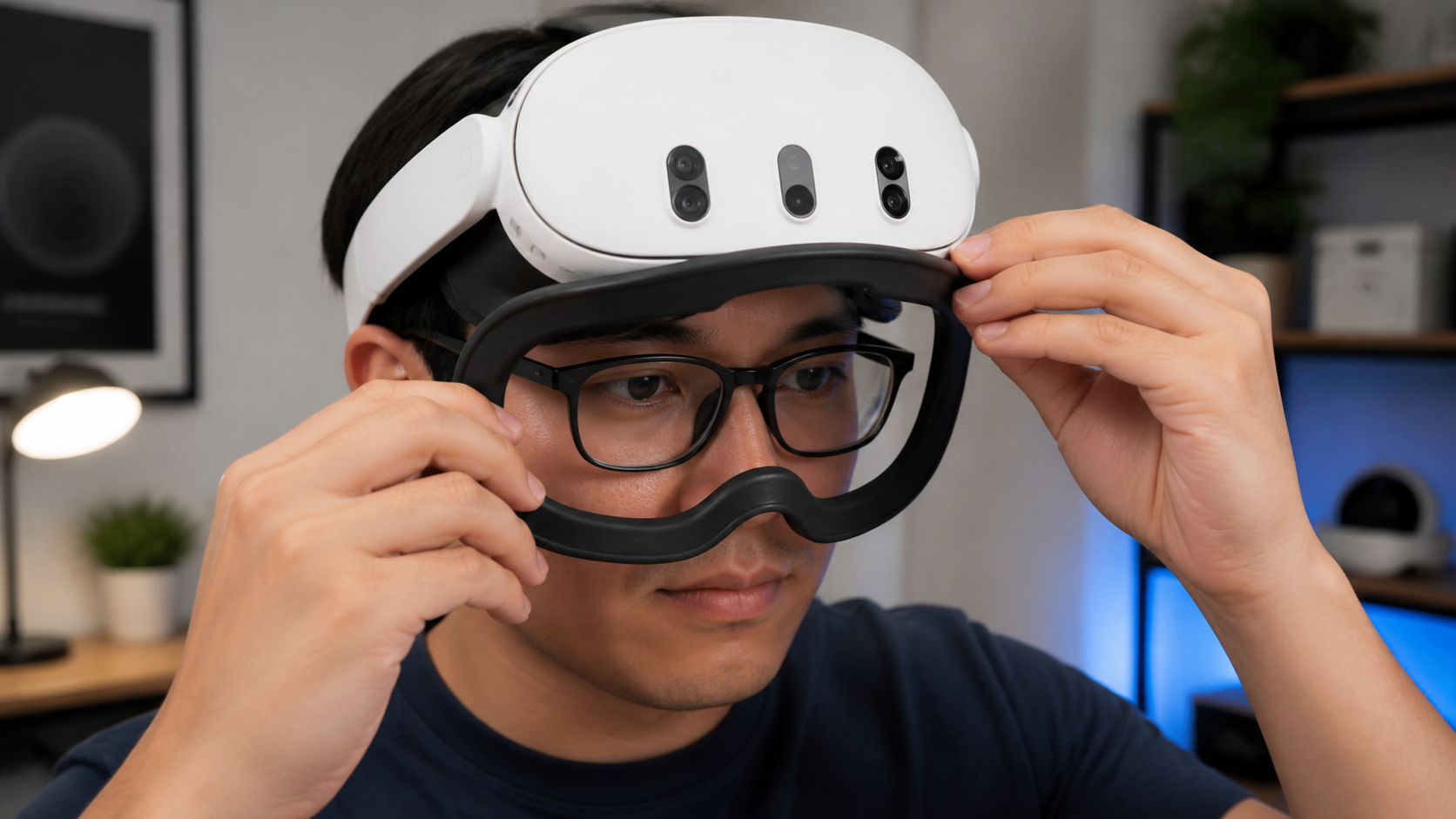
My first impression after snapping on the open interface was a feeling of relief. The pressure on my cheeks, which always felt pronounced with my glasses, was gone. I felt more air on my face, and the headset seemed to be floating. But after about 15 minutes, I noticed the pressure hadn't vanished. It had just moved. Now, all the weight was concentrated on my forehead. It wasn't necessarily better or worse, just different. This accessory changes the contact points, but it can’t change the headset’s front-heavy physics.
Shifting the Pressure Points
The core function here is redistribution, not elimination. The standard interface spreads the load across your cheeks and forehead. The open interface removes the cheek contact, which forces all that weight onto your brow.
| Facial Interface Type | Main Pressure Area | Best Use Case |
|---|---|---|
| Standard Interface | Cheeks and Forehead | Total immersion, blocking light |
| Open Interface | Forehead Only | Airflow, preventing fog |
The Real Fix Requires a System
I quickly realized that this accessory is one piece of a larger comfort puzzle. It works best when paired with a quality head strap that can lift the weight off your face and balance it on the back of your head. Without that counter-balance, you are just trading one uncomfortable pressure point for another. So, while it helps, it's not the single accessory that solves everything.
Would a side-by-side lens fog prevention clip explain the trade-off faster than text?
Reading long reviews can be tedious. You scroll through paragraphs just to find out if the product actually works. A quick visual would show you the answer in seconds.
Yes, a side-by-side video clip would explain the trade-off instantly. Seeing a standard interface lens fog up next to a perfectly clear open interface lens during a workout would demonstrate the benefit faster and more powerfully than any written description ever could. It makes the core value obvious.
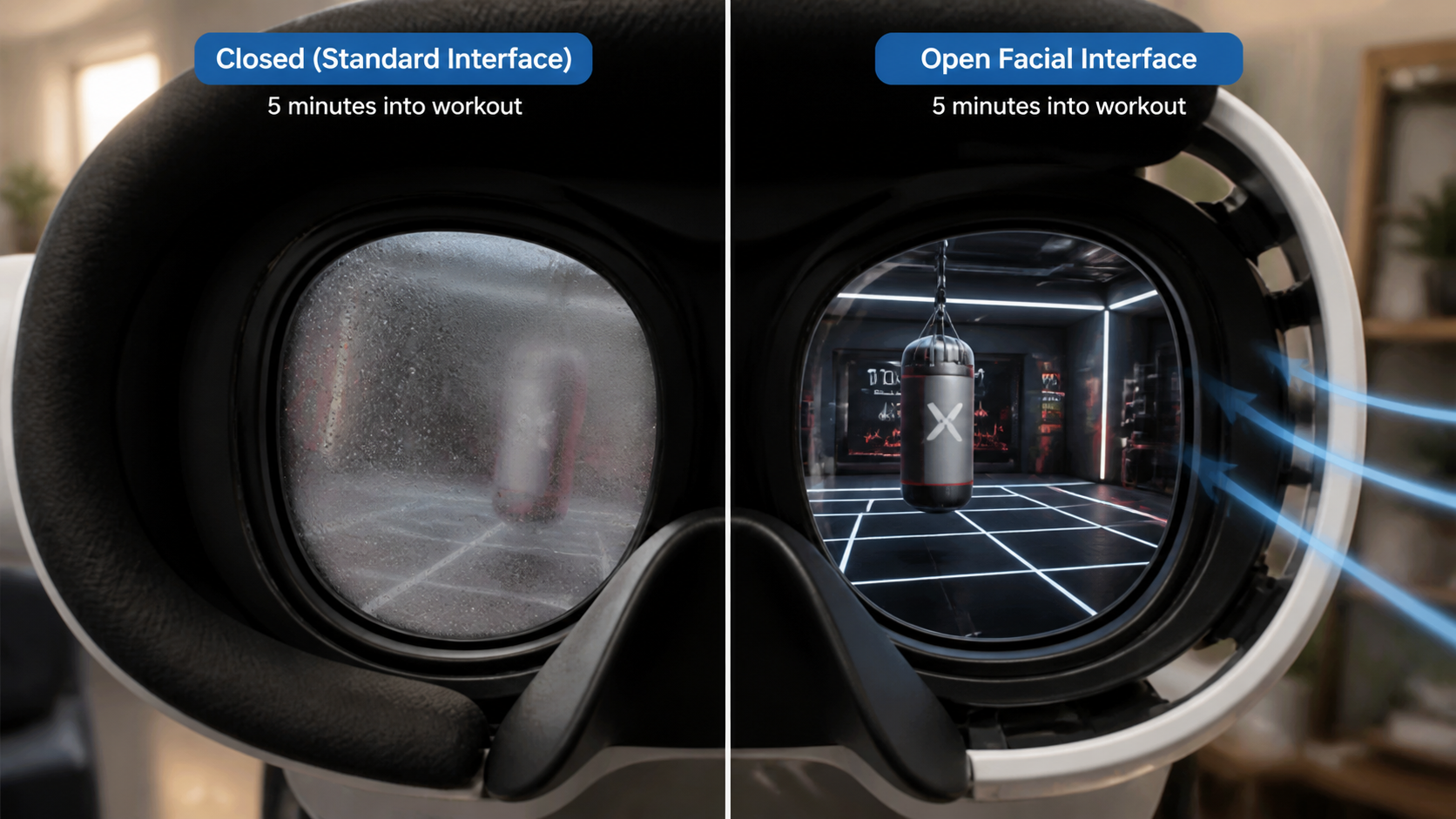
To test this myself, I jumped into a high-energy game. With the standard, closed-off facial interface, my glasses started fogging up within five minutes. The heat was trapped, and my vision became a blurry mess. It was the same old frustrating experience. Then, I swapped to the open interface and started over. The difference was immediate. I could feel a slight breeze on my face, and the hot, stuffy feeling was gone. My glasses and the Quest lenses stayed completely clear for the entire 30-minute session. The product absolutely works for preventing fog.
But this is where a video would show the full story. As I enjoyed my fog-free view, I also noticed light creeping in from the sides of the interface. In my moderately lit room, I could see the floor and the wall in my peripheral vision. This is the trade-off. You get amazing airflow, but you lose that sense of total immersion that a sealed interface provides. A video could show this light leak in a way text cannot, making it clear that you are trading perfect darkness for perfect clarity.
Does the title need a warning for people with small rooms or shared spaces?
You play VR in the family living room or a small bedroom. Any distraction from the real world, like someone walking by, can instantly break the magic of the game.
Yes, a warning is necessary. The open design lets in light, sound, and peripheral movement from your surroundings. If you play in a shared or small space, these distractions can constantly pull you out of the experience. It is not designed for full immersion.
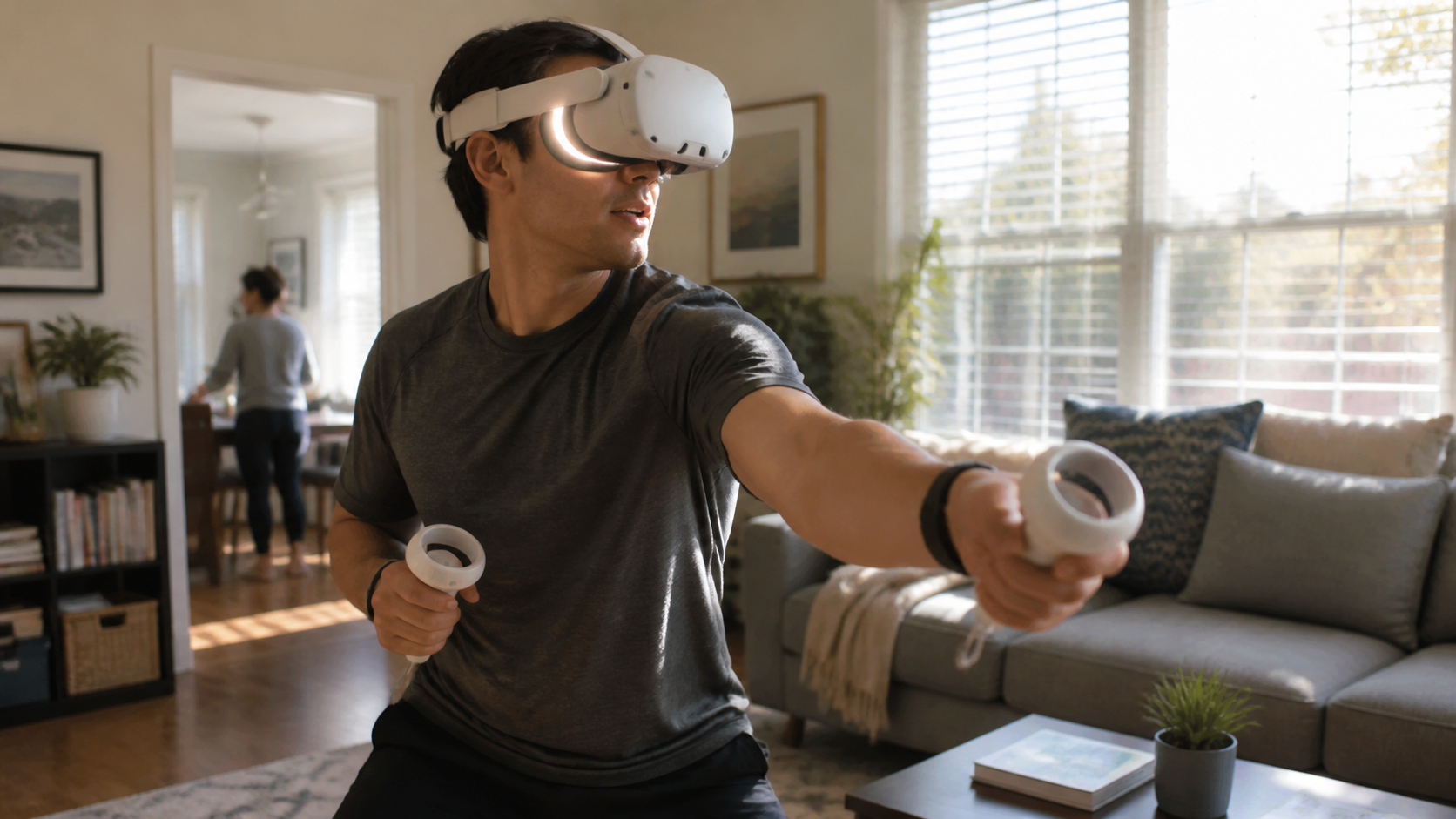
I learned this the hard way. I was playing a tense, atmospheric game in my office. I was completely focused. Then, my partner walked into the room to grab something. Through the open gaps on the side of the interface, I saw the motion. It completely shattered the illusion. I wasn't in a dark cave anymore; I was in my office with someone walking behind me. This accessory fundamentally changes the VR experience from one of total isolation to one of partial awareness.
This can be a good thing for safety. If you are worried about bumping into furniture or not noticing when a pet or person enters your playspace, the added peripheral vision is a huge plus. You are more connected to your real environment. However, if your goal is to completely forget the outside world and lose yourself in a virtual one, this is a major downside. For anyone playing in a busy household or a room they cannot make completely dark, this light and motion leakage is a dealbreaker for immersive games. It works great for fitness, but not for escapism.
What final verdict should Meta Quest 3S owners get for Open Facial Interface for Quest 3 when lens fog prevention is limited by face pressure?
You just want to know: should you spend your money on this? You need a clear, simple verdict without confusing details, especially if you wear glasses and hate face pressure.
The verdict is split. Buy it if your main goal is to stop lens fog during workouts and you can tolerate side light. Skip it if you want total immersion for story games or expect it to be a magic fix for face pressure by itself.
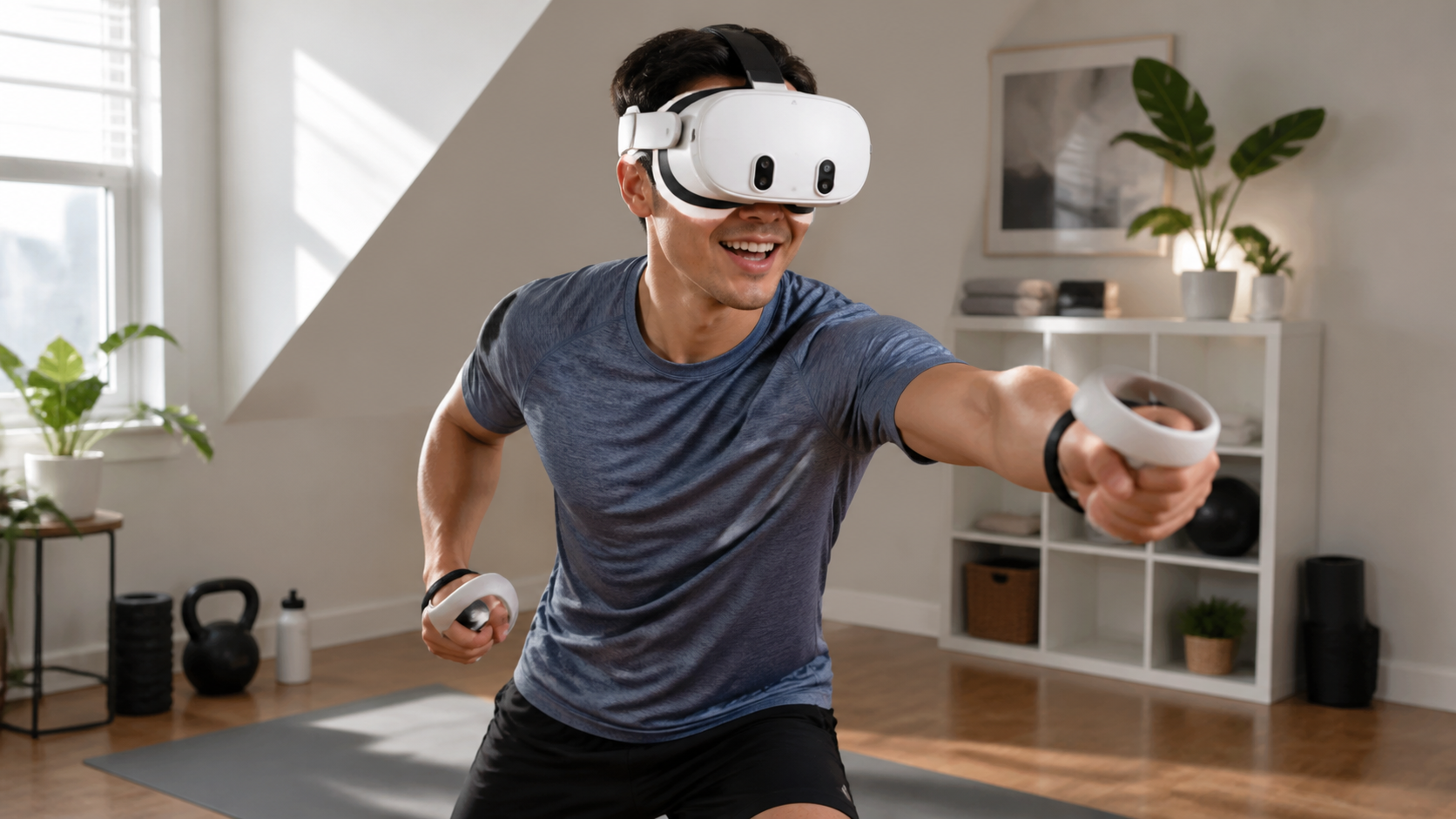
My final takeaway is that this is a specialized tool, not an all-around upgrade. During my golf and boxing sessions, it felt fantastic. The airflow was a game-changer, my glasses stayed clear, and I felt less claustrophobic. For active use cases, I would absolutely recommend it. It solves a very specific and very annoying problem.
However, when I tried to use it for watching a movie or playing a dark, story-driven game, it felt annoying. Every little bit of ambient light from my room seeped in and distracted me. The pressure on my forehead was also more noticeable during these slower, longer sessions. The interface is not a complete comfort solution; it's a fog-prevention solution with comfort trade-offs.
You should buy it if:
- You primarily play fitness, rhythm, or sports games.
- Foggy lenses on your glasses are your number one frustration.
- You don't mind some light leakage and prefer feeling less closed-in.
You should skip it if:
- You want maximum immersion for games and movies.
- You play in a bright or shared room and hate distractions.
- You think this one accessory will solve all face pressure and weight issues.
Conclusion
This open interface is a great accessory for a specific type of user. It excels at stopping fog during active VR sessions but sacrifices immersion, making it a poor choice for everyone.
Leave a comment