



Is adjustment range for small and large heads more important than price for Silicone Head Strap for Meta Quest?

Struggling with a loose Meta Quest strap? You're not alone. That constant slipping during intense games is frustrating, but bulky upgrades seem too expensive and complicated.
For users with small or large heads, the adjustment range and improved grip of a silicone head strap are significantly more important than its low price. A perfect fit provides stability and comfort, which directly enhances immersion and makes the low cost an even better value.
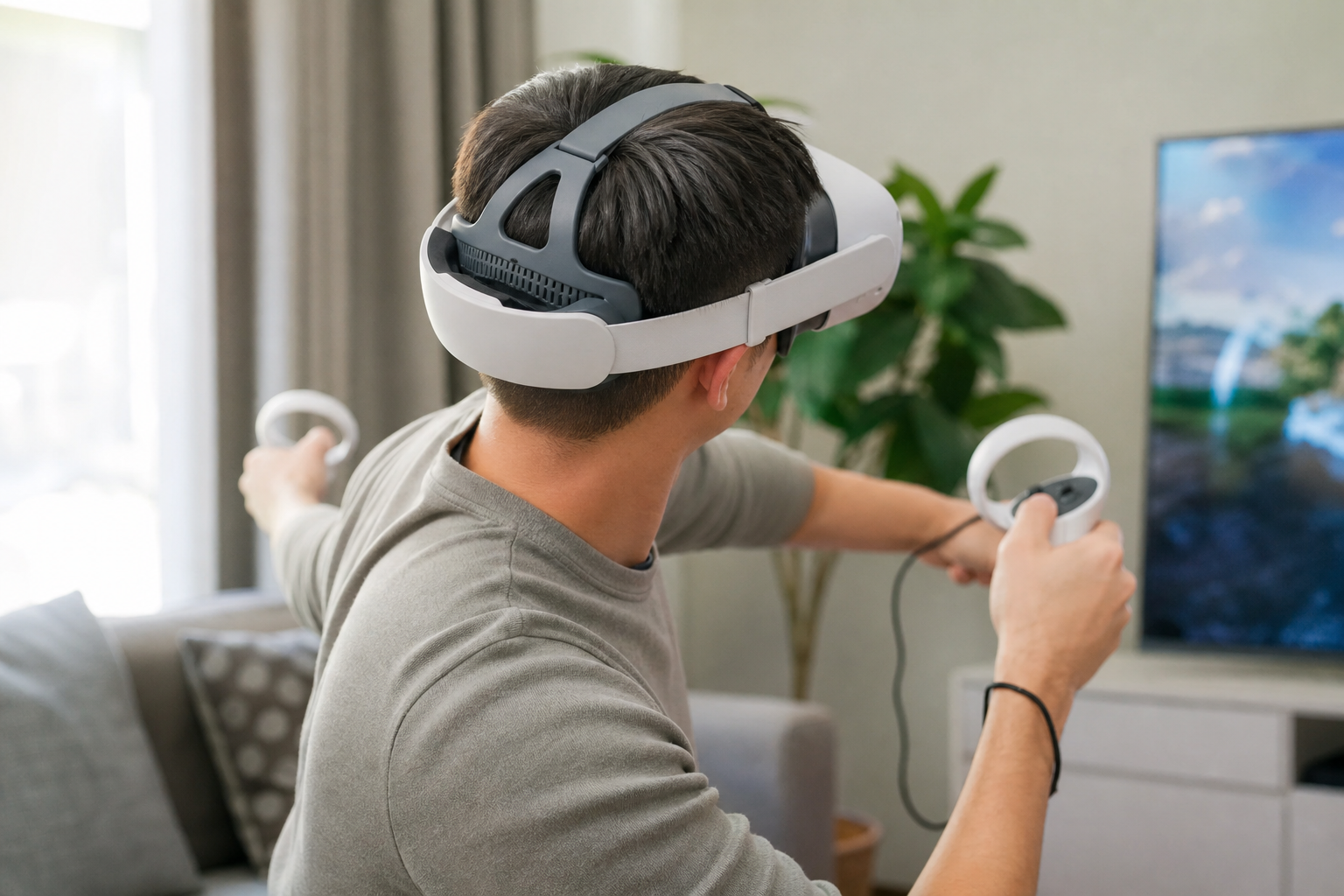
I have a smaller head, and the default Quest strap was a constant source of annoyance. It never felt secure, especially during active games. I’d be in the middle of a Beat Saber level, and the whole headset would start to slide down my face, blurring my vision and forcing me to pause and readjust. I looked at battery straps and halo straps, but the price and bulk put me off. I just wanted something simple that worked, was easy to clean, and would still fit in my travel case. I decided to try a basic silicone head strap, treating it as a personal case study. This is what I found.
Is rear head support still a problem after adjusting whether the headset stays level during workouts?
Does your headset slide down your face no matter how tight you pull the straps? You end up with a red mark on your forehead and a loose fit anyway.
No, rear head support is not a problem with a good silicone strap. The material’s grippy texture and wider, cupped design hold the back of your head securely. This prevents the headset from shifting down, even during fast-paced workouts like boxing or dancing.
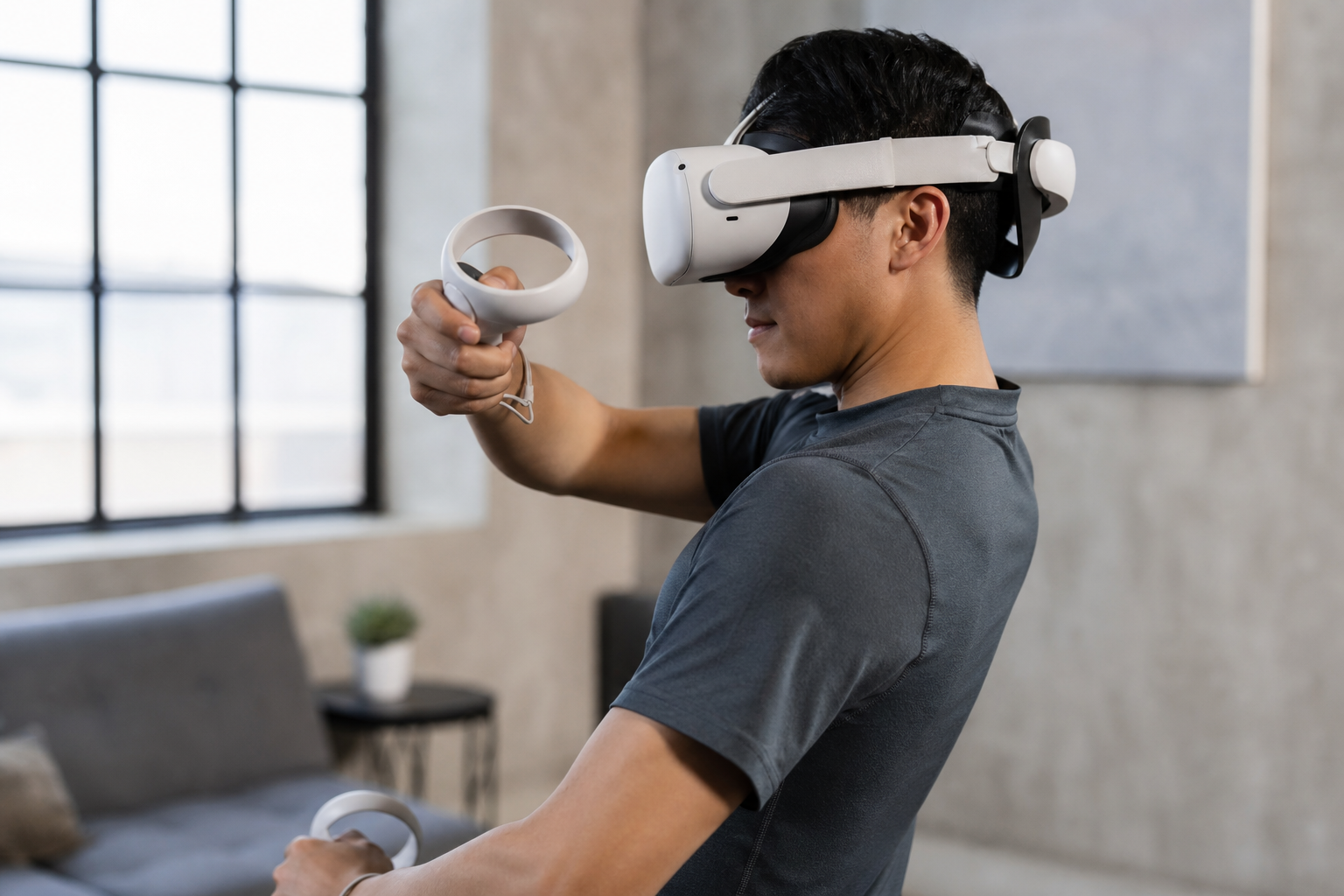
My main test for any head strap is a 30-minute Beat Saber session on Expert difficulty. With the original fabric strap, I would have to stop at least three or four times per session to push the headset back up. The thin strap would just slide against my hair. The moment I switched to the silicone strap, the difference was immediate. The back of the strap is wider and shaped to cradle the base of my skull. It doesn't just sit there; it actively grips. I played through several intense songs without the headset moving at all. The weight felt more balanced, and I could focus completely on the game. The adjustment mechanism is the same simple slider, but because the silicone holds its position, you don't have to over-tighten it. It just stays put.
Stock Strap vs. Silicone Strap in Workouts
Here’s a direct comparison based on my experience.
| Feature | Stock Fabric Strap | Silicone Head Strap |
|---|---|---|
| Rear Head Grip | Poor, slips on hair | Excellent, grips securely |
| Stability in Beat Saber | Low, requires frequent readjustment | High, stays in place |
| Pressure Distribution | Concentrated on the forehead | Evenly spread between front and back |
| Sweat & Cleaning | Absorbs sweat, hard to clean | Doesn't absorb sweat, easy to wipe |
Can photos of rear head support, side tension, and forehead pressure answer the buyer's doubt?
You see product photos online, but how can you know if it will feel comfortable? A picture can't tell you if it will stop that nagging pressure on your forehead.
Photos help by showing the strap's shape and width, which hints at better support. But they can't fully convey the feeling of balanced tension and reduced forehead pressure. The true test is feeling how it distributes weight away from your face.
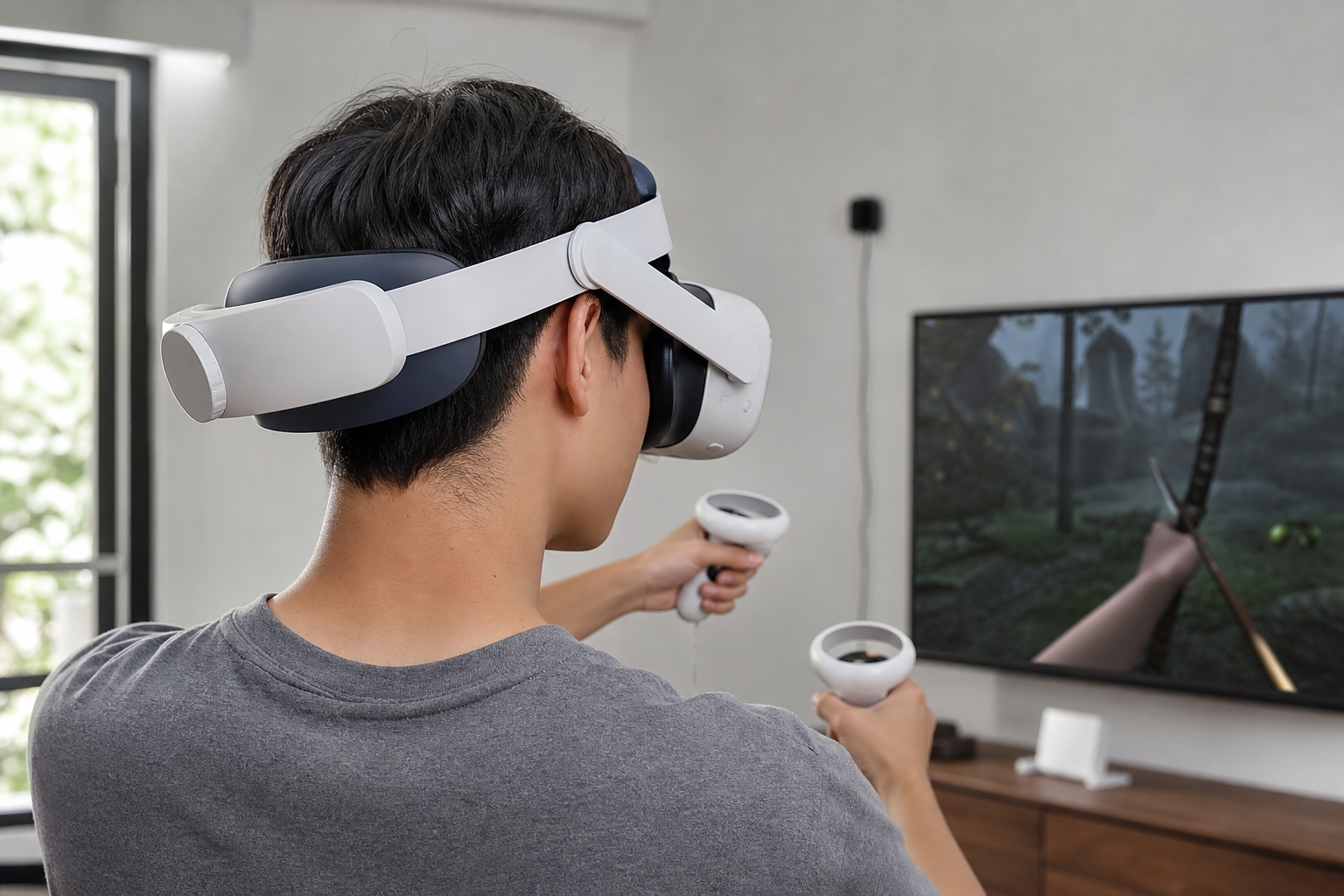
I was skeptical at first. When I looked at the pictures, I just saw a piece of silicone. It didn't look revolutionary. But I tried to look closer at the design. The photos showed a much wider band at the back compared to the flimsy stock strap. It also looked like it was shaped to cup my head, not just press against it. The side straps seemed to connect in a way that would pull the headset's weight backward, instead of letting it hang down on my cheeks and nose. This gave me some hope, so I decided to try it. The moment I put it on, I understood what the photos couldn't show. The pressure on my forehead was noticeably less. The weight felt like it was being held by the back of my head, letting the headset just float in front of my eyes. It wasn't about being tighter; it was about being more balanced. That feeling of relief is the real product, and a photo can only suggest it.
Does the accessory solve rear head support or simply change how travel cases feels?
You've finally found a comfortable strap, but now your headset is a bulky monster. Does getting better support mean giving up on portability and your compact travel case?
This accessory definitively solves rear head support without changing how you use a travel case. Because it’s made of flexible silicone and follows the headset's original form factor, it fits into almost any case designed for the standard Quest setup.
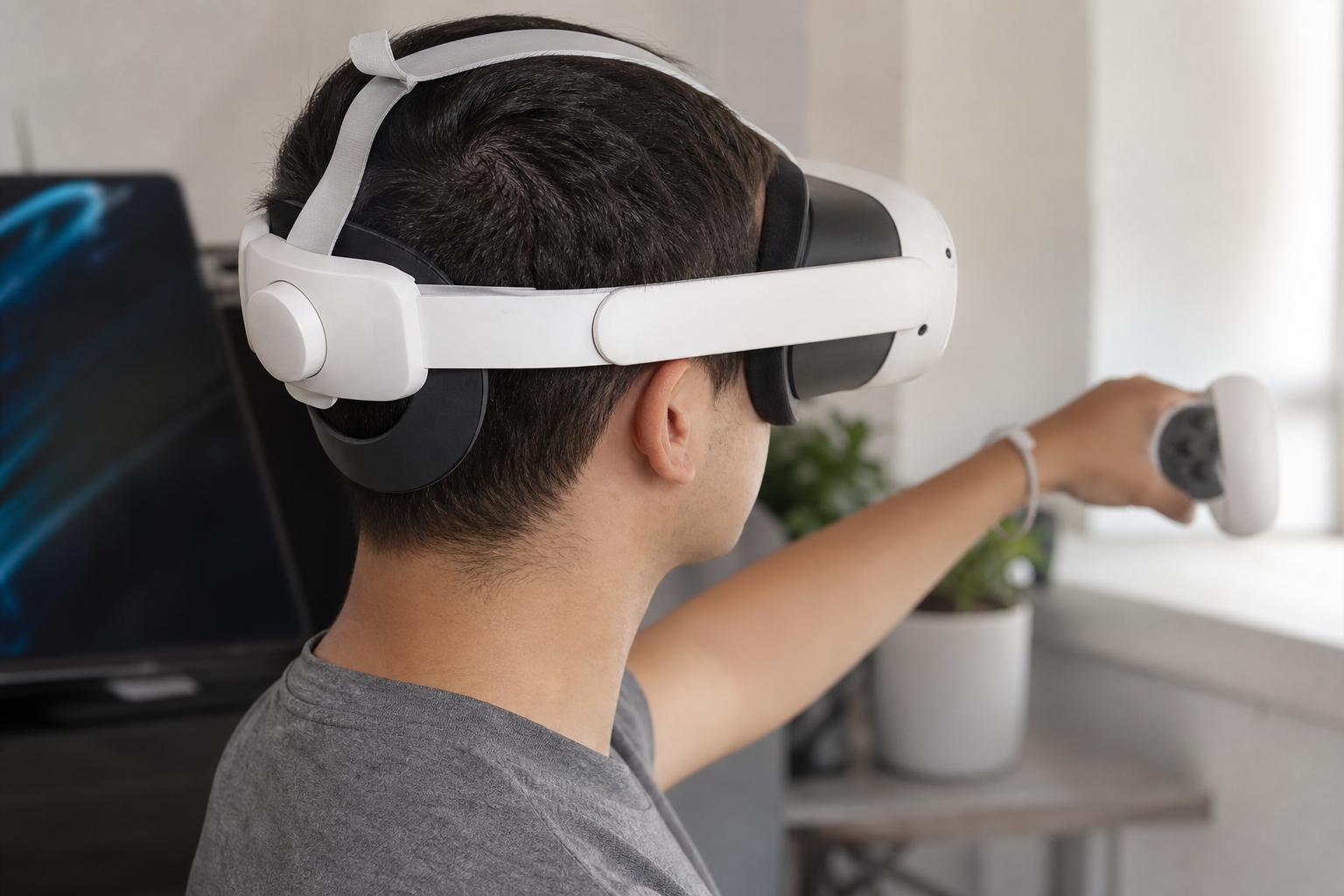
This was a make-or-break issue for me. I take my Quest with me when I visit family, and I refuse to carry a massive, clunky case. I previously owned a battery strap, and while the extra power was nice, I ended up leaving it at home most of the time because it was such a pain to pack. The silicone strap completely solves this problem. It adds almost zero bulk. It bends and flexes just like the original strap, so packing the headset is exactly the same routine. I place it in my small, official travel case, zip it up, and I'm done. There's no need to detach anything or angle it in a special way. This makes it a true upgrade with no downside in portability. It feels like I get the comfort of a premium strap while keeping the convenience of the original design. For anyone who values immersion on the go, this is a huge advantage.
Does the final advice change for shared headsets, kids, or small rooms during travel cases?
Your family wants to play, but switching the headset between different head sizes is a chore. The strap gets grimy, and you worry the kids might break it.
Yes, the advice becomes an even stronger recommendation. The silicone strap is ideal for shared use because it adjusts in seconds and is incredibly easy to clean. Its durability also makes it a much better and safer option for kids than the stock strap.
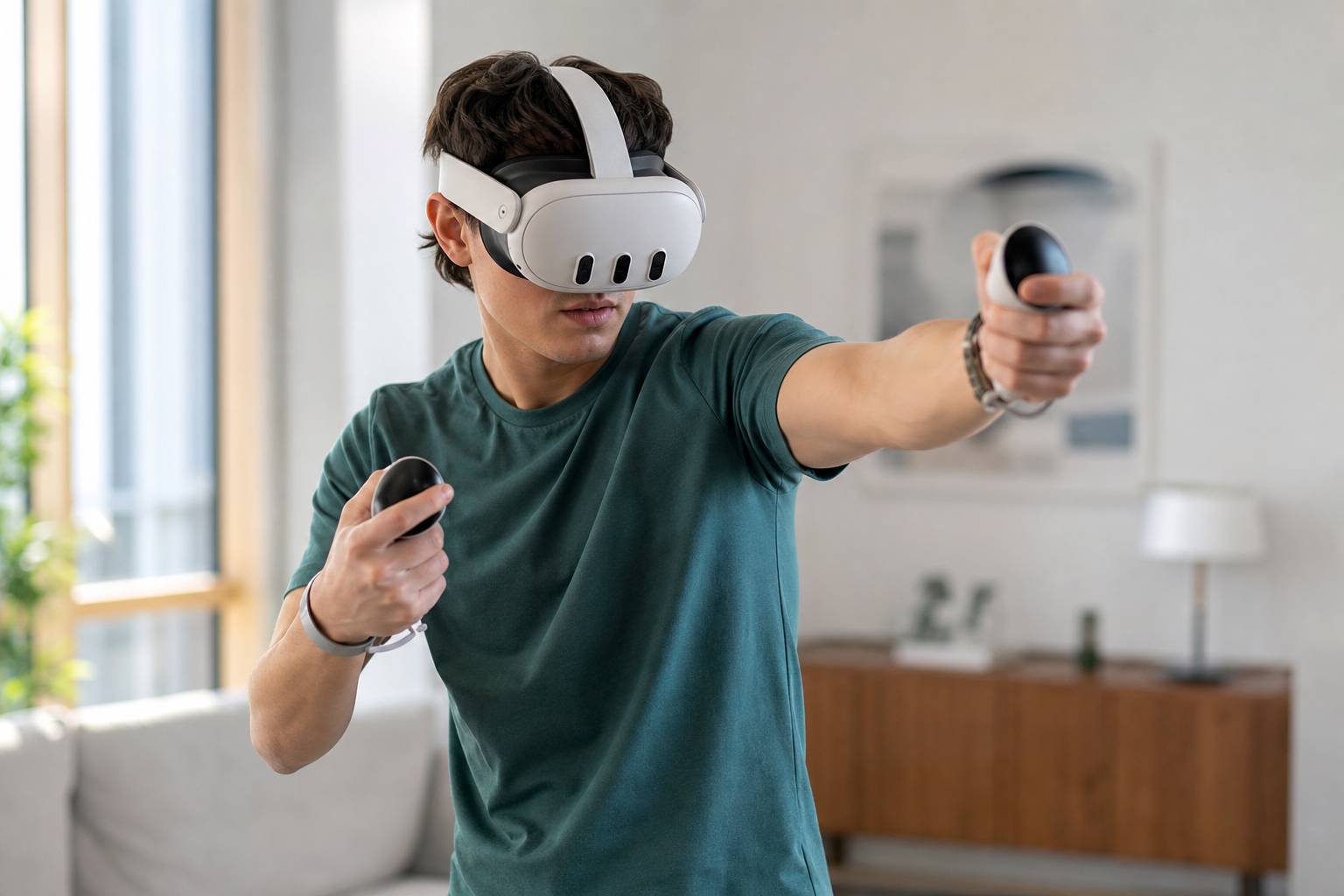
My experience with sharing the headset changed completely after installing this strap. My partner has a larger head than I do, and we used to struggle with the fabric strap. Now, it's a simple one-second pull to adjust it perfectly for either of us. The biggest win, however, is hygiene. The stock fabric strap is a sweat sponge. After a workout, it's damp and gross. The silicone strap can be wiped clean with an antibacterial wipe in five seconds, making it feel fresh for the next person. This is essential for sharing. For kids, the durability is key. The original strap has plastic parts that feel like they could snap if pulled too hard. The silicone strap is a single, sturdy piece that can handle rougher use. It's a simple, effective, and practical solution for any multi-user household.
The Verdict:
- Buy this if: You have a small (or large) head and struggle with fit, you want more stability for active games, you share your headset, you travel with your Quest, or you simply want a cheap but massive comfort upgrade.
- Skip this if: The only thing you care about is maximum battery life and you are willing to sacrifice portability and pay a premium for a dedicated battery strap.
Conclusion
The silicone head strap is a simple, affordable, and highly effective upgrade. It fixes fit and stability issues, especially for smaller heads, while remaining travel-friendly and perfect for shared use.
Leave a comment