



Is a VR Sweat Mask better tested in FitXR by comfort, speed, or control for Gym-style Users?

Sharing a sweaty VR headset is a nightmare. The soaked foam pad is gross and unhygienic. A VR sweat mask seems like the perfect, simple fix to this common problem.
For gym-style users in FitXR, a VR sweat mask is best tested by its fit consistency. Quick swaps for hygiene are a great benefit, but if the mask shifts and breaks your focus during an intense workout, comfort and control fail, making the accessory more annoying than helpful.
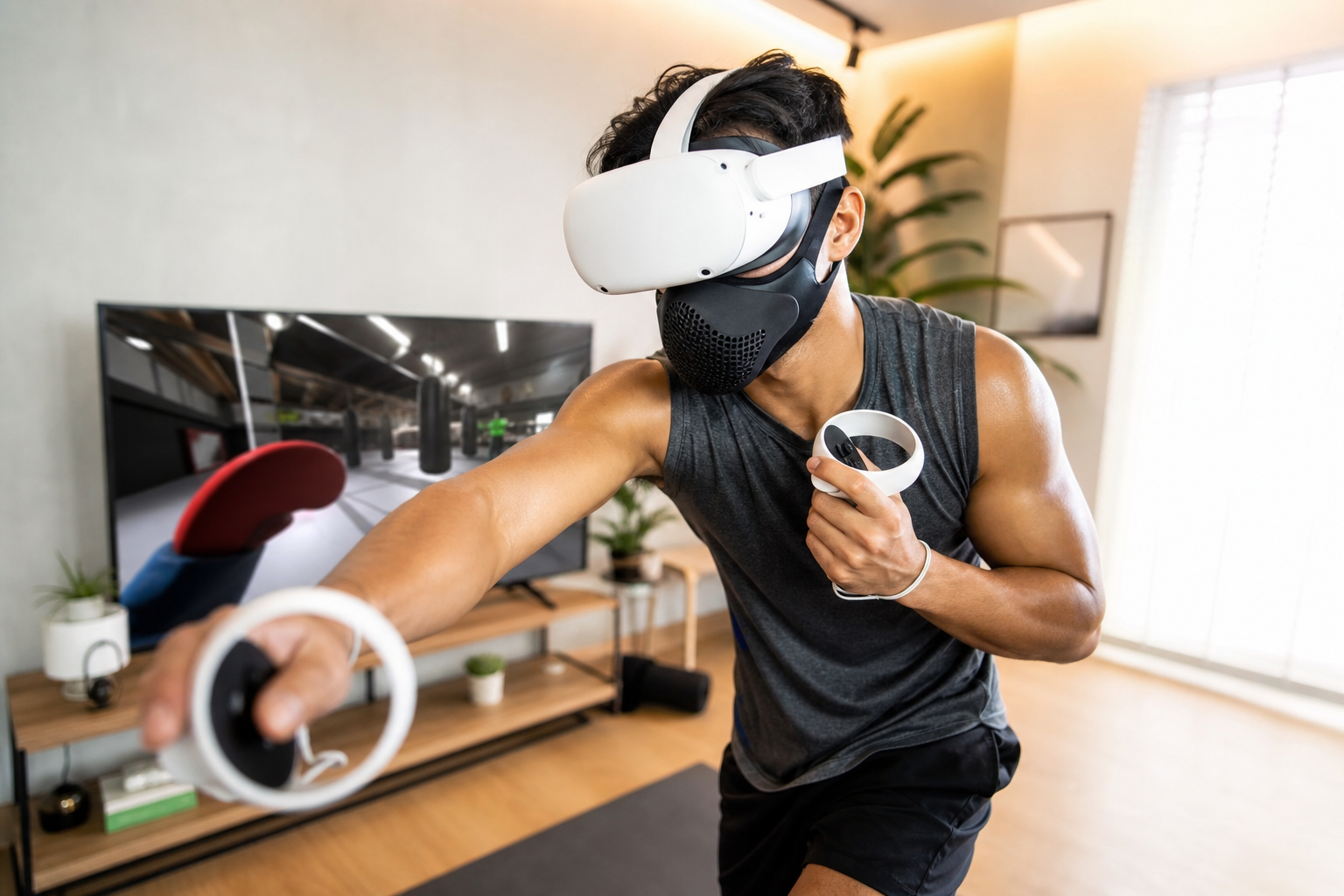
I’m a big fan of VR fitness, and FitXR is my go-to for a good workout. But I share my Quest Pro with my partner, and the post-workout cleanup is a real pain point. Handing over a headset with a damp, warm facial interface is not ideal. It creates a kind of hygiene anxiety that ruins the fun. So, I decided to test a VR sweat mask, hoping it would solve this issue once and for all. My goal was to see if the convenience of a clean swap was worth any potential trade-offs in comfort or performance during a high-intensity session. This is my experience, a real-world case study for anyone who uses their headset for serious exercise.
Does FitXR make quick swaps versus fit consistency worth accepting?
You just finished a heart-pounding boxing class. You're dripping with sweat and want to pass the headset to a friend. But dealing with the soaked foam pad is slow and messy.
In a fast-paced game like FitXR, fit consistency is far more important than the convenience of quick swaps. A mask that shifts during a crucial combo is a dealbreaker, even if it makes sharing the headset easier later. The flow of the game cannot be interrupted.
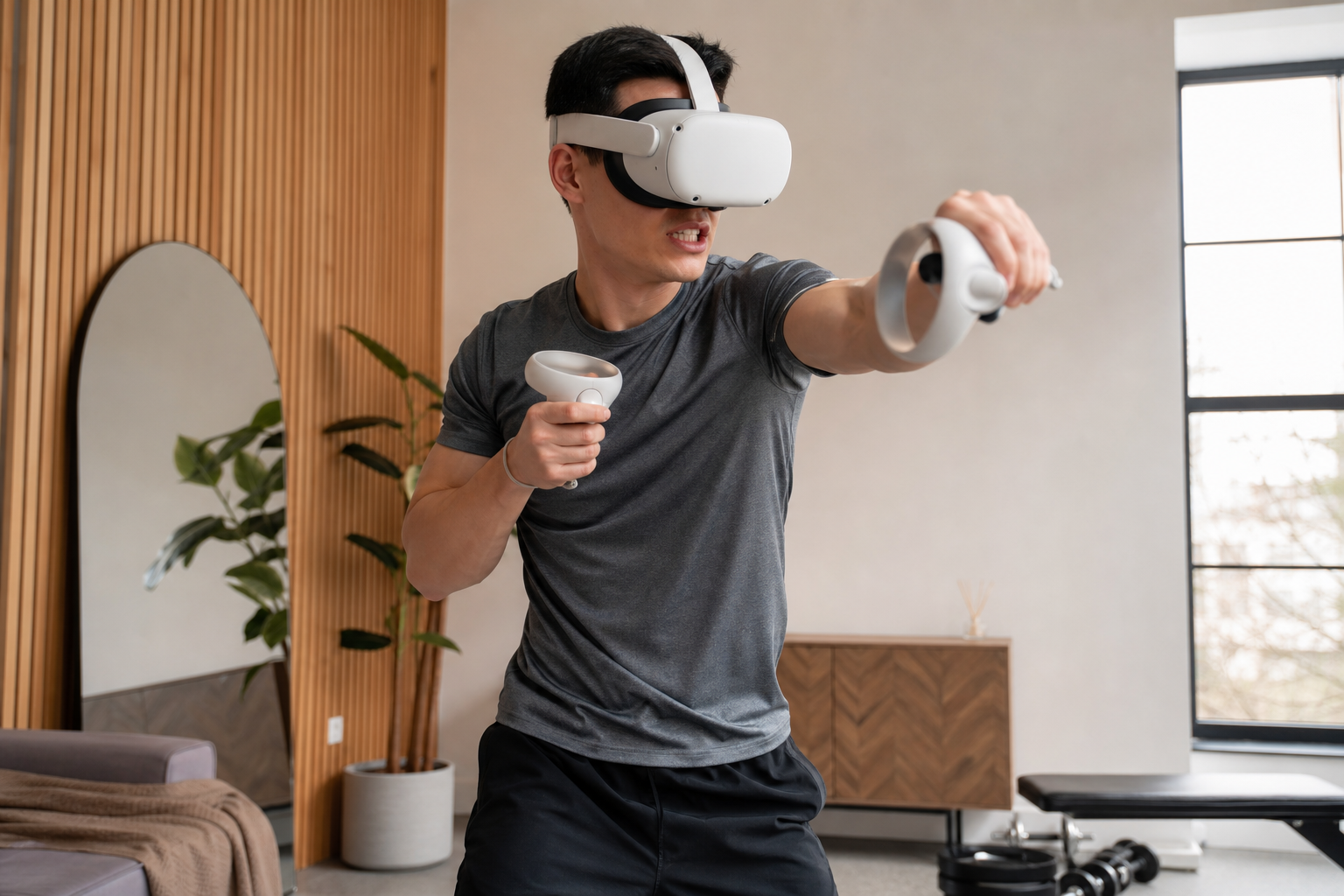
My primary test was a 15-minute HIIT boxing class in FitXR. The main appeal of a sweat mask is the "quick swap." In theory, I can finish my workout, pull off my sweaty mask, and hand the headset to my partner, who can pop on their own clean mask. The headset’s original foam pad stays perfectly dry and clean. This eliminates the hygiene problem completely. But the theory has to survive the practice. During the first few minutes, everything felt fine. The mask was comfortable, and I forgot it was there. Then the combos got faster. As I started throwing quick hooks and dodging side-to-side, I felt the mask begin to shift. It wasn't a huge slip, but it was enough to be a distraction. I had to adjust it mid-round, which completely broke my concentration and my score.
The Problem with Shifting
The core issue is that FitXR requires rapid, forceful head movements. A sweat mask adds another layer between your face and the headset. If that layer isn't perfectly secure, it will move independently of the headset. This tiny amount of slippage feels very noticeable and disorienting.
Quick Swaps vs. In-Game Focus
Here is a breakdown of the trade-off I experienced. The convenience gained after the workout came at the cost of performance during the workout.
| Feature | Quick Swaps (Hygiene) | Fit Consistency (Performance) |
|---|---|---|
| Pro | Makes sharing the headset instantly clean and easy. Protects the foam pad from sweat and oils. | Keeps the headset stable for accurate tracking and focus. Prevents distractions and pauses. |
| Con | Useless if the accessory itself makes the game unplayable or annoying. | The default setup requires cleaning and downtime between users. Can damage the foam over time. |
For a gym-style user, the workout itself is the priority. Any accessory that compromises performance for post-game convenience is making the wrong trade. The fit has to be perfect, or the accessory fails.
Does a post-workout pad comparison photo make the recommendation more trustworthy?
Brands always show their products looking perfect and clean. But you're buying it to handle a mess. You need to know if it actually works when you're dripping with sweat.
Yes, a post-workout pad comparison photo makes a recommendation far more trustworthy. Seeing a soaked sweat mask next to a perfectly dry stock foam pad provides undeniable proof. It shows the product delivers on its main promise: protecting the headset. Visual evidence is more powerful than any marketing claim.
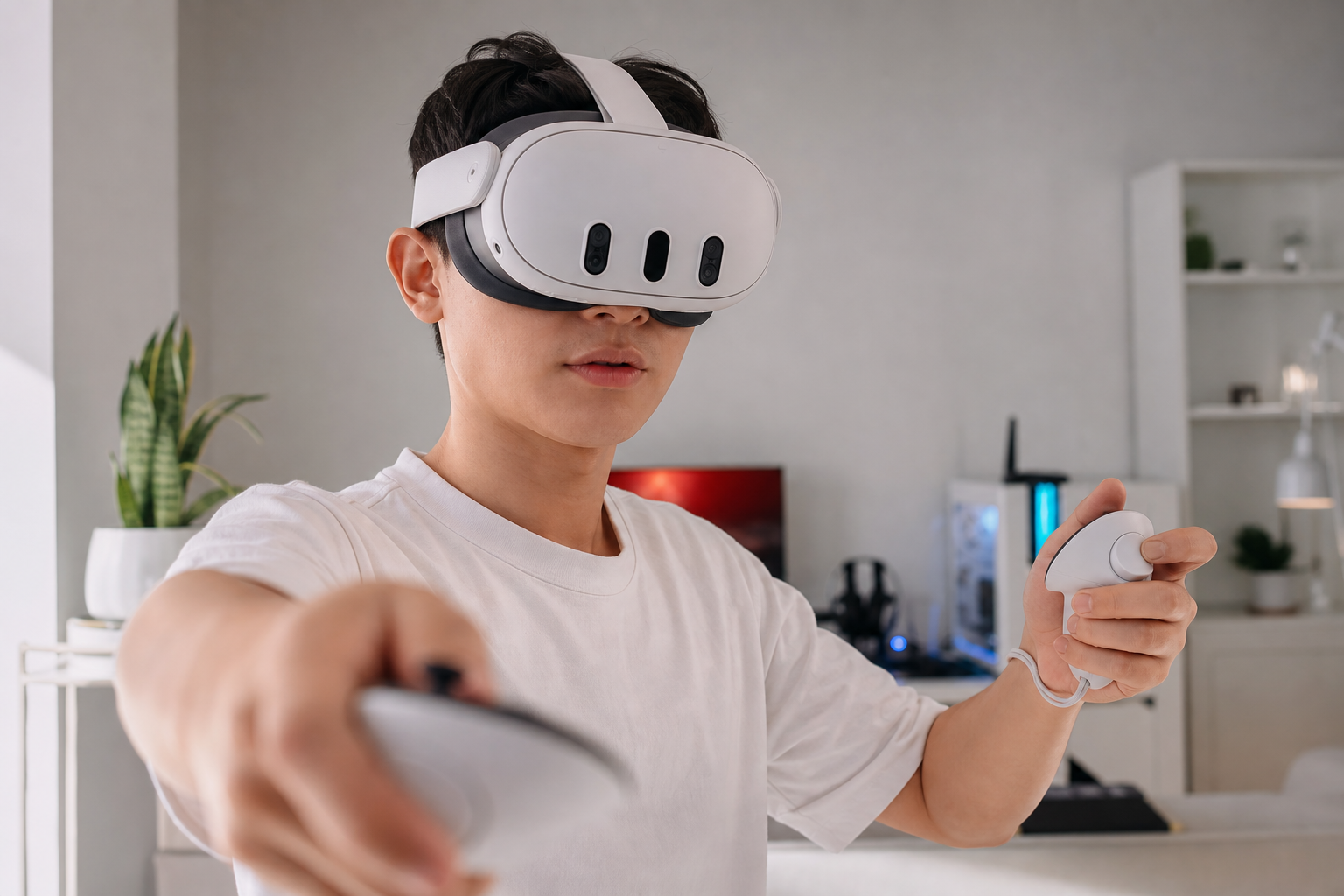
Talk is cheap. Anyone can say a product works. To give an honest, helpful review, you need to show the results. This is a core part of building trust with other users who have the same problems. They don't want to see a product in a studio; they want to see it after it has been through a real-world test. So, I ran a simple experiment. I played one intense FitXR round with the sweat mask on. Then, I took it off and played another round with just the standard Quest Pro facial interface.
After the two rounds, the difference was obvious. The sweat mask was completely soaked, having absorbed all the sweat from my face and forehead. When I removed it, the headset's own foam pad was bone dry and looked brand new. In contrast, after the round without the mask, the stock foam pad was damp and unpleasant. A photo showing this difference is the most powerful piece of evidence I can offer. It proves that on a fundamental level, the mask does its job of absorbing sweat. It's not just about hygiene between players; it's also about the long-term health of the headset, protecting the foam and electronics from moisture damage. This kind of real-world proof helps people make a better buying decision.
Is the best comparison a cheaper accessory, a DIY setup, or no accessory at all?
You see a VR sweat mask and immediately think, "Can I just use a bandana or a cheap headband?" Or maybe a generic, low-cost mask from Amazon would do the same job for less money.
The best comparison depends on your main problem. For sweat absorption alone, a DIY headband is a cheap fix. But for full headset protection and a consistent fit, a purpose-built VR mask is better. Cheaper accessories often fail on fit, and no accessory leads to hygiene and durability issues.
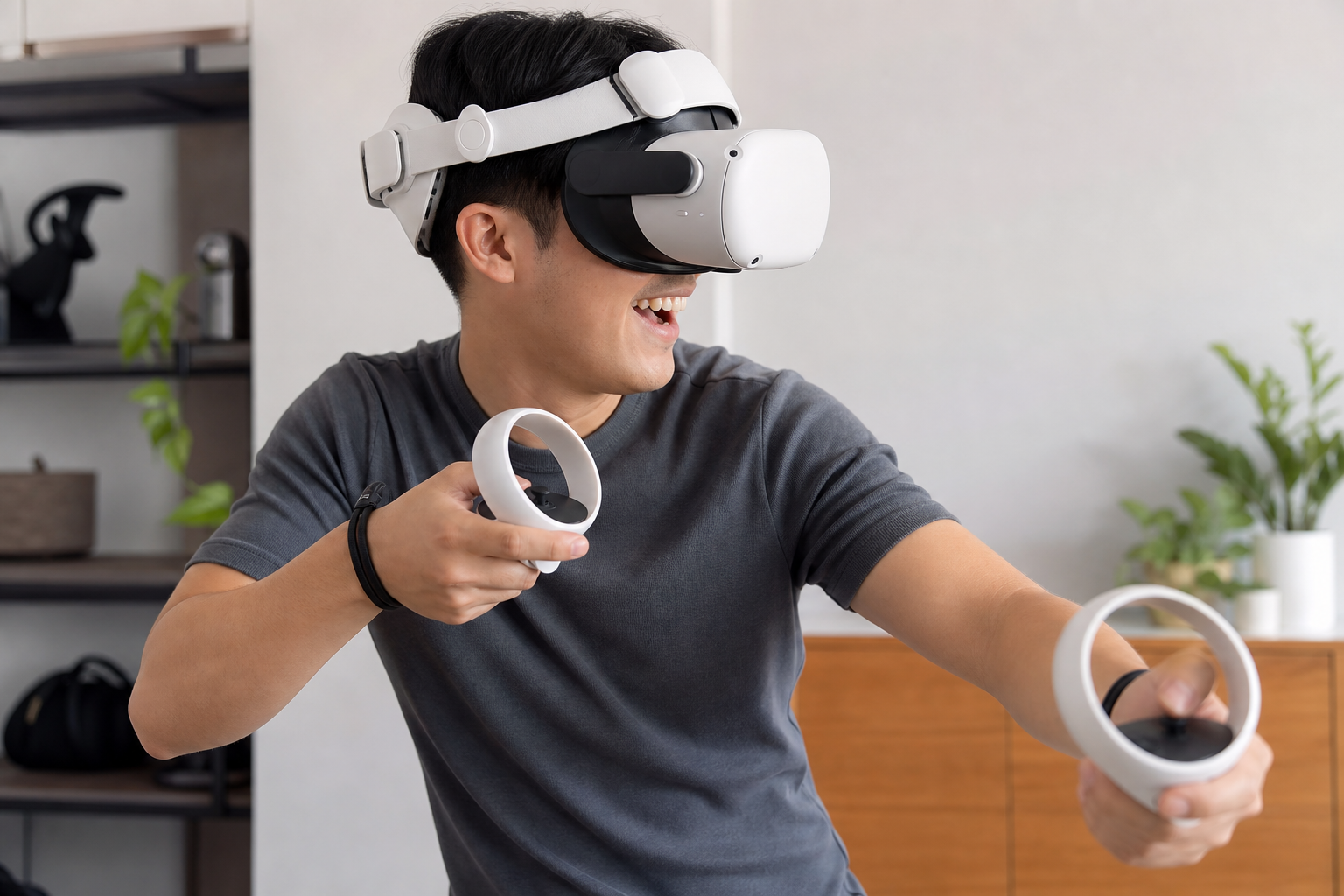
To understand the value of a specific accessory, you have to compare it to the alternatives. I’ve tried them all. My journey started with no accessory at all. The stock foam on the Quest Pro got gross quickly. It became a chore to clean, and I worried about bacteria buildup. It’s simply not a sustainable solution for anyone who exercises daily in VR.
Next, I tried a DIY setup using a standard workout headband. This worked partially. It stopped sweat from dripping down my forehead into my eyes and the headset. But it did nothing for the sweat on my cheeks and around my nose. The headband also tended to bunch up awkwardly under the pressure of the headset strap, creating uncomfortable pressure points.
Then I tried a cheaper, generic VR sweat mask I found online. This was a total failure. The material was a slippery synthetic fabric that felt terrible on my skin. Worse, it shifted even more than the mask I'm testing now. During workouts, it would slide down and almost cover my eyes, which was both annoying and unsafe. This experience taught me that material and design matter a lot. A dedicated accessory designed for VR should, in theory, solve all these problems. The comparison isn't just about price; it's about finding a complete solution, not a partial or failed one.
Would a negative FitXR test still help buyers understand quick swaps on Quest Pro Touch Controllers?
You're reading a review, and the verdict is negative. Your first instinct might be to just dismiss the product. But what if the reason for the failure is the most important lesson?
Absolutely. A negative FitXR test, where the mask fails on fit, is extremely helpful. It perfectly illustrates that a convenience feature, like quick swaps, is worthless if it compromises the core function of the product. This lesson directly applies to accessories like controller grips that promise easy battery swaps.
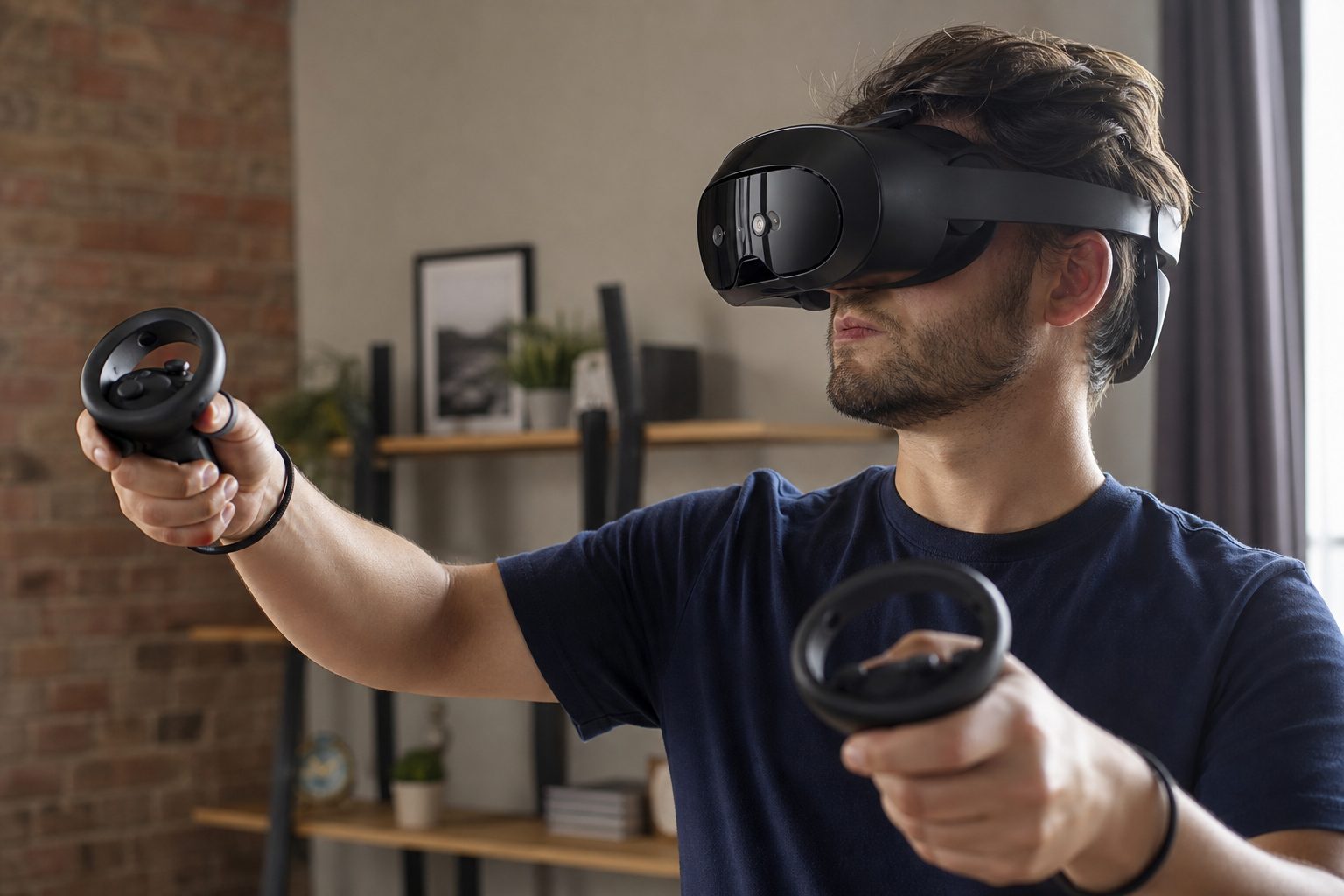
My final verdict on this sweat mask for FitXR is a negative one. It failed because it could not maintain a stable fit during high-intensity movement. However, this failure is incredibly valuable information. It doesn't mean the product is bad for everyone. It helps define exactly who the product is for and who should avoid it. For someone who plays slower-paced games like puzzlers or social VR apps, this mask would be perfect. It would solve the hygiene problem without ever being tested on its fit. But for high-action fitness users, it's a no-go.
This same logic applies directly to other accessories, like grips for the Quest Pro Touch Controllers. Many grips are designed with a small door or opening to allow for "quick swaps" of the battery without removing the whole grip. This sounds great. But if that design weakens the structure of the grip, causing it to creak, flex, or slip during a fast-paced game like Beat Saber or Pavlov, then it has failed. The primary purpose of a grip is to improve control. The convenience of a battery door is secondary. A negative test that shows a grip failing on control, despite its easy battery access, helps buyers understand what to prioritize. A failure case is often more educational than a simple success.
Conclusion
This sweat mask is great for hygiene and casual games. But for intense FitXR users, the inconsistent fit is a dealbreaker. Fitness players should prioritize stability over post-workout convenience.
Leave a comment