



Is a VR Sweat Mask better tested in FitXR by comfort, speed, or control?

Sweating in your Meta Quest 3 is gross. Sharing that sweaty headset is even worse. It leaves my sensitive skin red and irritated after every single FitXR session.
For FitXR, a VR sweat mask is best tested by control, not comfort. The main benefit is the speed of swapping between players with a hygienic wipe-down. This convenience, however, comes at the cost of lens fog and potential skin irritation, making it a complex choice.
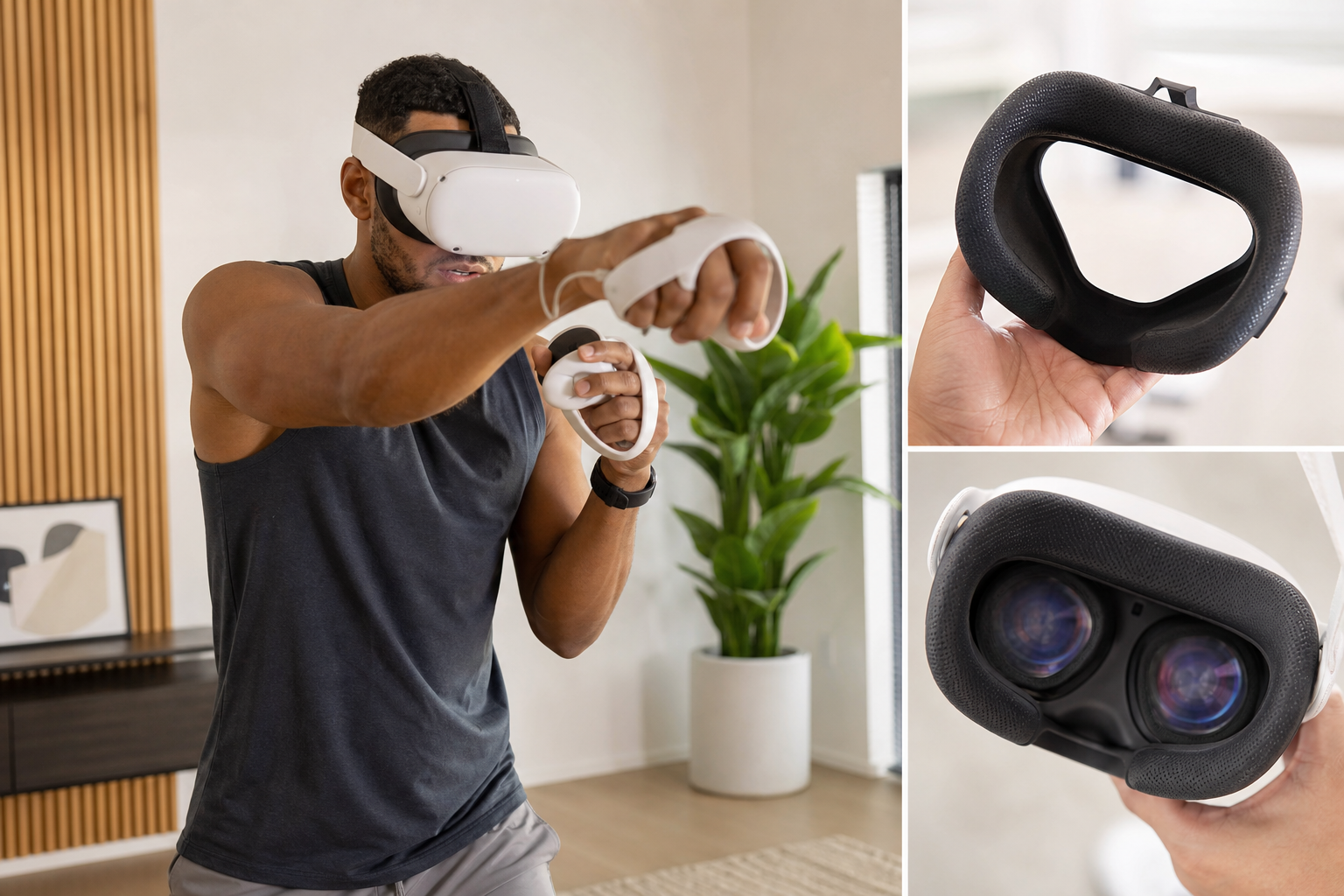
I bought a VR sweat mask for one big reason: sharing. My partner and I both love FitXR, but passing a sweat-soaked headset back and forth felt unsanitary and gross. The idea of a simple silicone barrier that I could wipe clean in seconds was a game-changer. I have really sensitive skin, so the thought of getting rid of the damp, irritating foam was a huge plus. But I quickly learned that solving one problem in VR often creates another. This test became a personal case study on what really matters during an intense workout: easy hygiene, clear vision, or comfortable skin. I decided to track my experience to see if this popular accessory was actually worth it.
Does FitXR make hygiene comfort versus possible fog worth accepting?
Tired of a damp headset after a workout? A wipeable mask seems like the perfect fix, but not if you’re blinded by constant fog in the middle of a combo.
Yes, the hygiene boost is almost worth it, but only if you can tolerate interruptions. During my FitXR test, the lenses fogged up every five minutes, forcing me to pause and wipe. This makes the mask a trade-off: you get quick, clean swaps for less immersive gameplay.
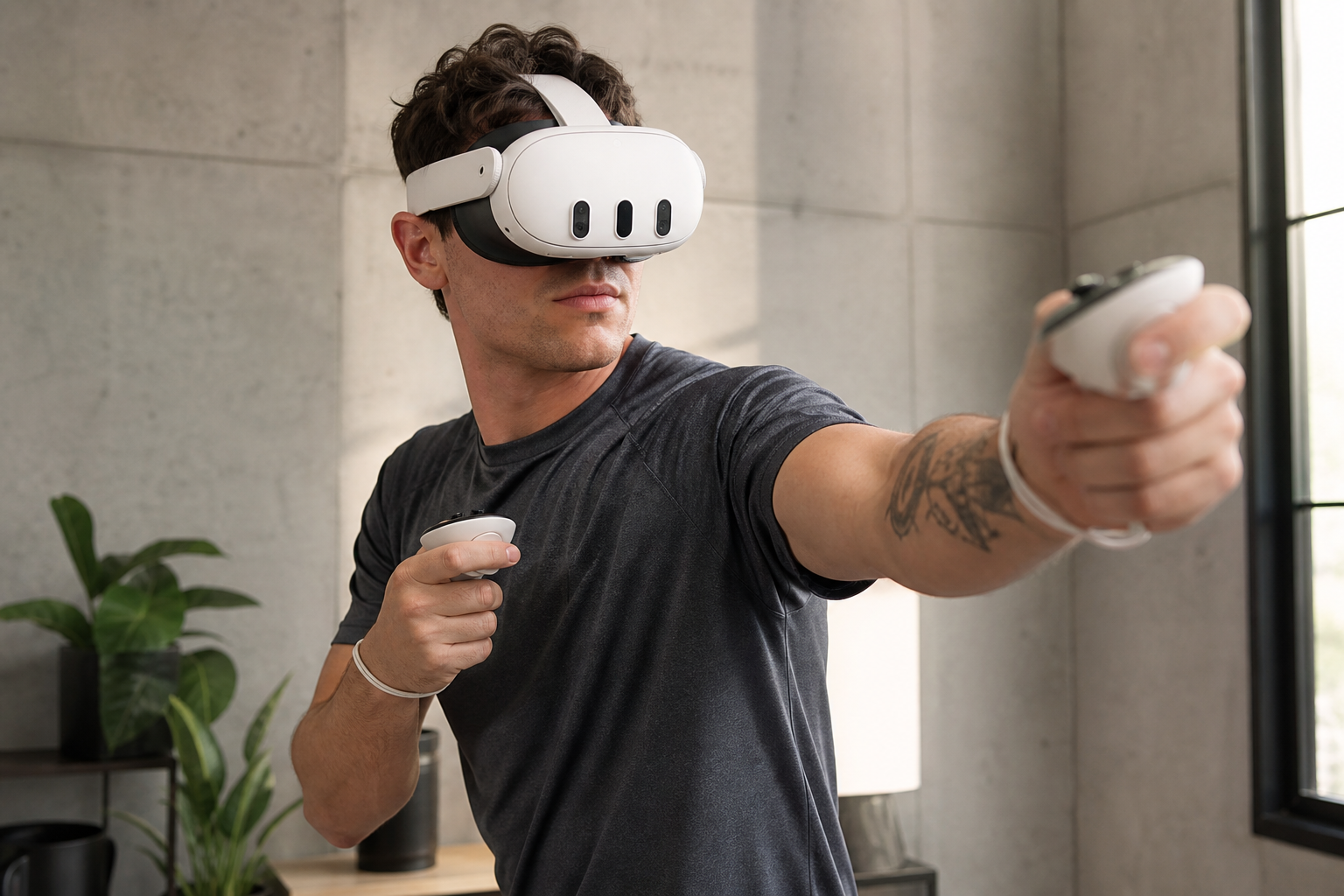
The primary benefit I was looking for was control over hygiene, especially for quick swaps between users. Wiping down a silicone mask is worlds better than handing over a facial interface that feels like a wet sponge. In this area, the mask delivered. A quick wipe with an antibacterial cloth, and it was ready for the next player. This is a huge win for anyone sharing their Quest 3. The problem started as soon as I got my heart rate up. The silicone, being non-absorbent, trapped all the heat and moisture against my face. This created a perfect environment for lens fog. I started a timer to see just how bad it was.
My FitXR Fog Test Log
I tracked the fog during a 20-minute boxing session. The results showed a clear pattern that directly impacted my ability to play without stopping.
| Time into Session | My Activity | Fog Level |
|---|---|---|
| 5 minutes | Warm-up complete, first high-energy song | Mild fog appeared at lens edges. |
| 10 minutes | Middle of a power-punching combo | Vision significantly obscured. Had to pause. |
| 15 minutes | Duck and weave movements | Heavy fog returned. Paused again to wipe. |
| 20 minutes | Cooldown stretch | Fog remained, but was less of an issue. |
The conclusion was clear. While the hygiene control was a 10/10, the constant fogging was a major annoyance. It broke my immersion and forced me to stop my workout repeatedly. For a game like FitXR where rhythm and focus are key, this is a serious downside. The trade-off is only worth it if your top priority is sharing the headset cleanly.
Does a skin-feel note after a hot session make the recommendation more trustworthy?
You peel the mask off after a hard workout. Your skin feels tacky and strange. Is this feeling a small detail, or does it reveal the truth about the product?
Yes, describing the exact skin-feel makes a recommendation far more trustworthy. My skin was clammy, warm, and red where the mask pressed. This honest, subjective detail tells other sensitive-skin users what to really expect beyond just the mask’s basic function.
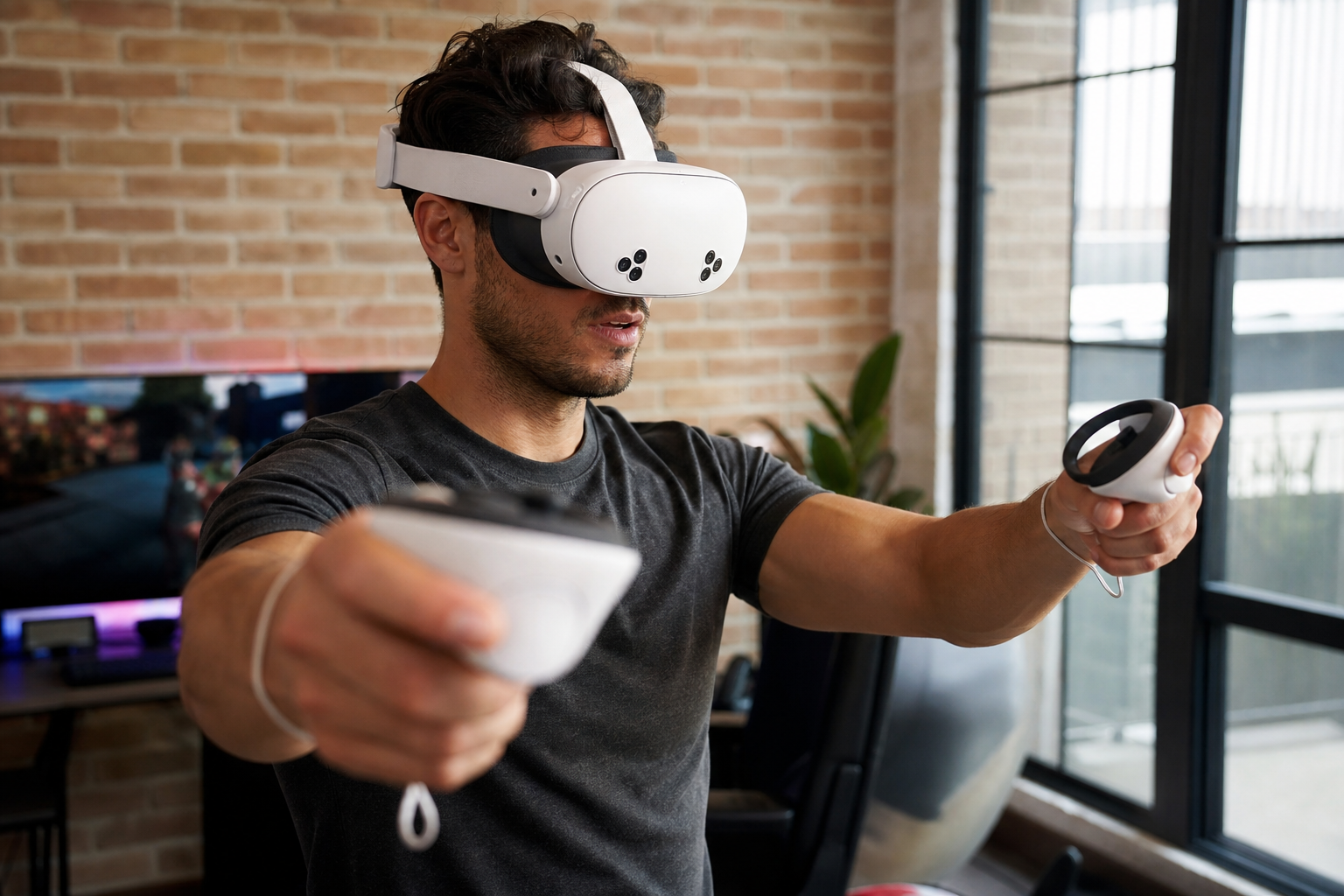
After my 30-minute FitXR session, I took off the headset and the sweat mask. The original problem I had with the stock foam was a chafing, itchy irritation. The silicone mask solved that, but it introduced a new feeling. My skin wasn't itchy, but it felt slick and clammy from the trapped sweat. It couldn't breathe. I also saw distinct red lines on my forehead and cheekbones where the edges of the silicone mask had been pressing down. These marks faded after about 20 minutes, but it was a clear sign of pressure.
Sharing this specific detail is what makes a first-person test useful. A generic review might just say "it's comfortable" or "it's not." But that doesn't help someone like me with sensitive skin. The trustworthy part of a recommendation comes from the honesty. I can tell you that while the mask stopped one kind of irritation, it created another: pressure marks and a slick, unpleasant feeling. This information is critical for users who are buying the accessory to improve comfort. It proves that the test goes deeper than just whether the product "works."
Can Meta Quest 3 fit checks catch the problem before the first full session?
You snap the mask on and run the official fit check. Everything looks perfect. But can this simple test really predict how it will feel during an intense, sweaty workout?
No, the Meta Quest 3 fit check is not enough to identify problems with a sweat mask. It only confirms the fit and light seal when you are still. It completely fails to predict how sweat will cause the mask to slip and create new pressure points during active gameplay.
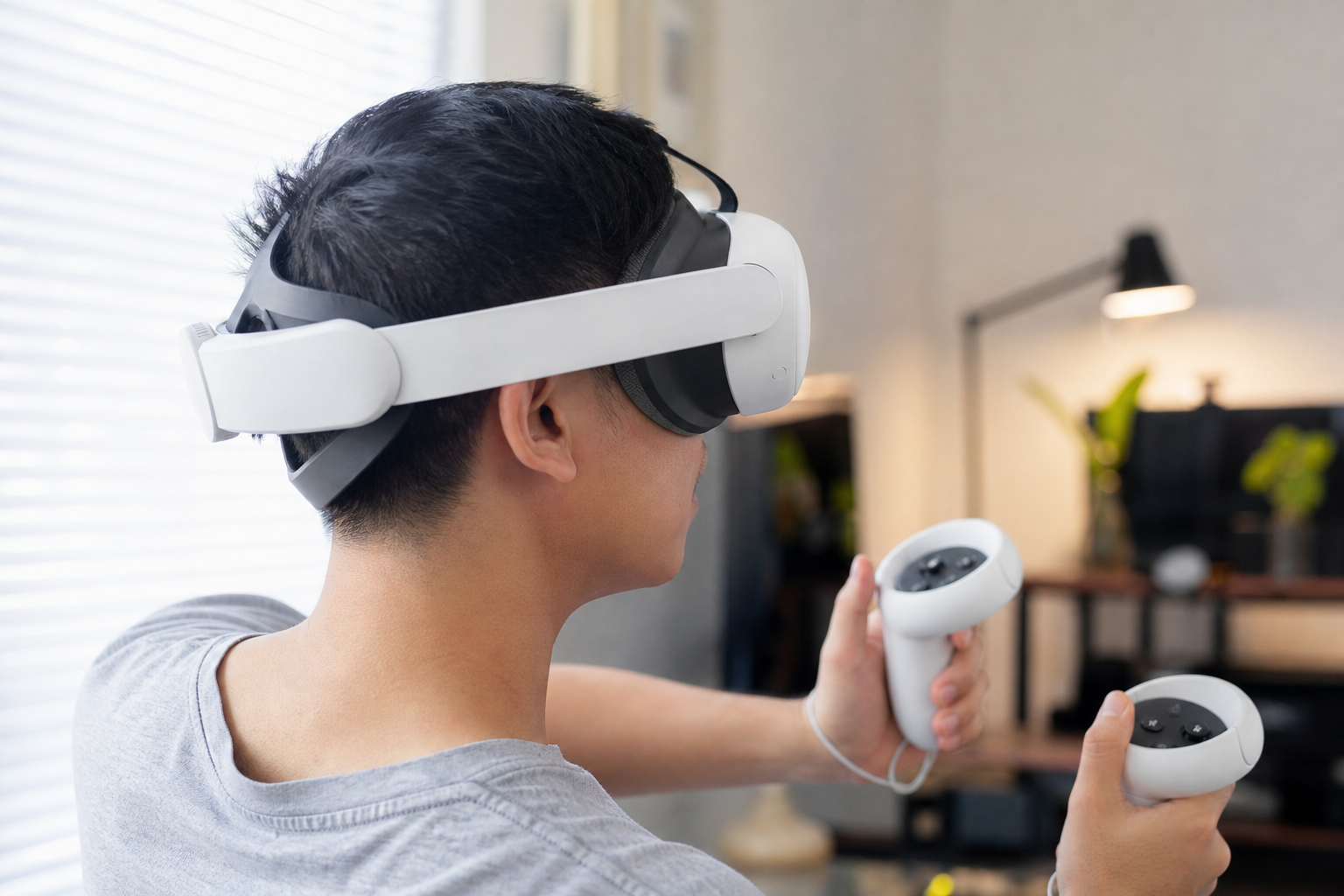
Before starting my first long FitXR session, I did exactly what Meta recommends. I put on the headset with the new sweat mask and ran the "Adjust headset fit" utility in the settings. The on-screen display gave me green checkmarks for everything. The eye position was right, and the facial interface had a good seal with no light leak. I thought I was all set. The headset felt secure and comfortable on my face.
However, this test provides a false sense of security. The fit check analyzes your setup while you are calm and stationary. It has no way of accounting for the dynamic conditions of a workout. Ten minutes into my boxing session, things changed. As I started to sweat, the smooth silicone surface became slippery against my skin. The small, secure movements I made caused the mask to shift just enough to be annoying. This slight slipping created pressure on different parts of my face than the initial fit check suggested. The perfect light seal became a perfect sweat trap, which contributed to the fogging. The fit check is a good starting point, but for an accessory like this, it can't warn you about the problems that only appear under physical stress.
Would a negative FitXR test still help buyers understand skin irritation on Meta Quest 3?
So the mask didn't work for me. Is it helpful to share a story of failure? Does explaining what went wrong give other people more value than a simple thumbs-down?
Absolutely. A negative test, when explained properly, is one of the most helpful resources. By detailing how the mask failed for my sensitive skin—causing pressure marks and a clammy feeling—I can help other buyers with similar concerns avoid the same issues and manage their expectations.
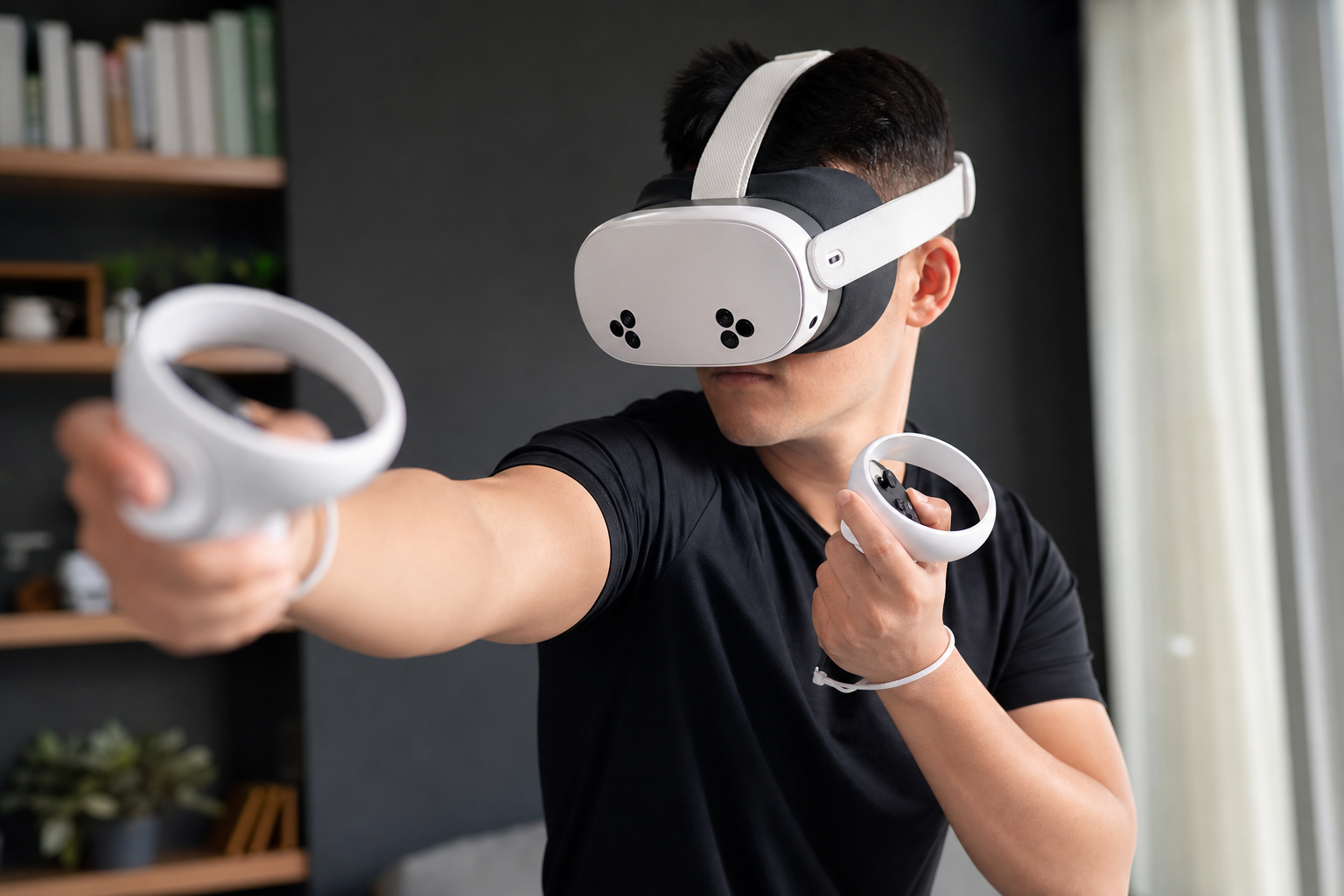
My experiment with the VR sweat mask was, for my specific needs, a failure. My primary goal was to find a more comfortable solution for my sensitive skin during intense workouts, and this wasn't it. The mask solved the hygiene issue for sharing but failed on comfort because of the fogging, pressure marks, and unpleasant clammy feeling. But sharing this "negative" outcome is incredibly important. It gives other buyers a complete picture.
This experience helps me explain the different types of skin irritation you can face with the Meta Quest 3. There's the chafing from the standard foam interface. Then there's the pressure and trapped moisture from a silicone barrier. A potential buyer reading this now understands that a "hygienic" solution is not automatically a "comfortable" one, especially if they have sensitive skin. It helps them ask better questions before they buy. Should they prioritize easy cleaning over uninterrupted gameplay? Is their skin more prone to chafing or pressure marks? My failure becomes a useful data point for their decision. An honest, detailed account of what went wrong is far more valuable than a generic positive review that ignores the downsides. It builds trust and helps people find the right accessory for them, even if it means skipping this one.
Conclusion
A VR sweat mask is a win for hygiene and quick swaps. However, it fails on comfort for sensitive skin due to fogging and pressure, making it a targeted, not universal, solution.
Leave a comment