



Is a Silicone Head Strap for Meta Quest the accessory families notice most during fitness workouts?

Sharing a VR headset for fitness gets sweaty and gross. The fabric strap soaks it all up. My family was tired of passing around a damp headset.
For families sharing a Meta Quest for fitness, a silicone head strap is a game-changer. It doesn't absorb sweat, so you can wipe it clean in seconds between workouts. This easy cleanup is often more valuable than any other feature when a headset has multiple users.
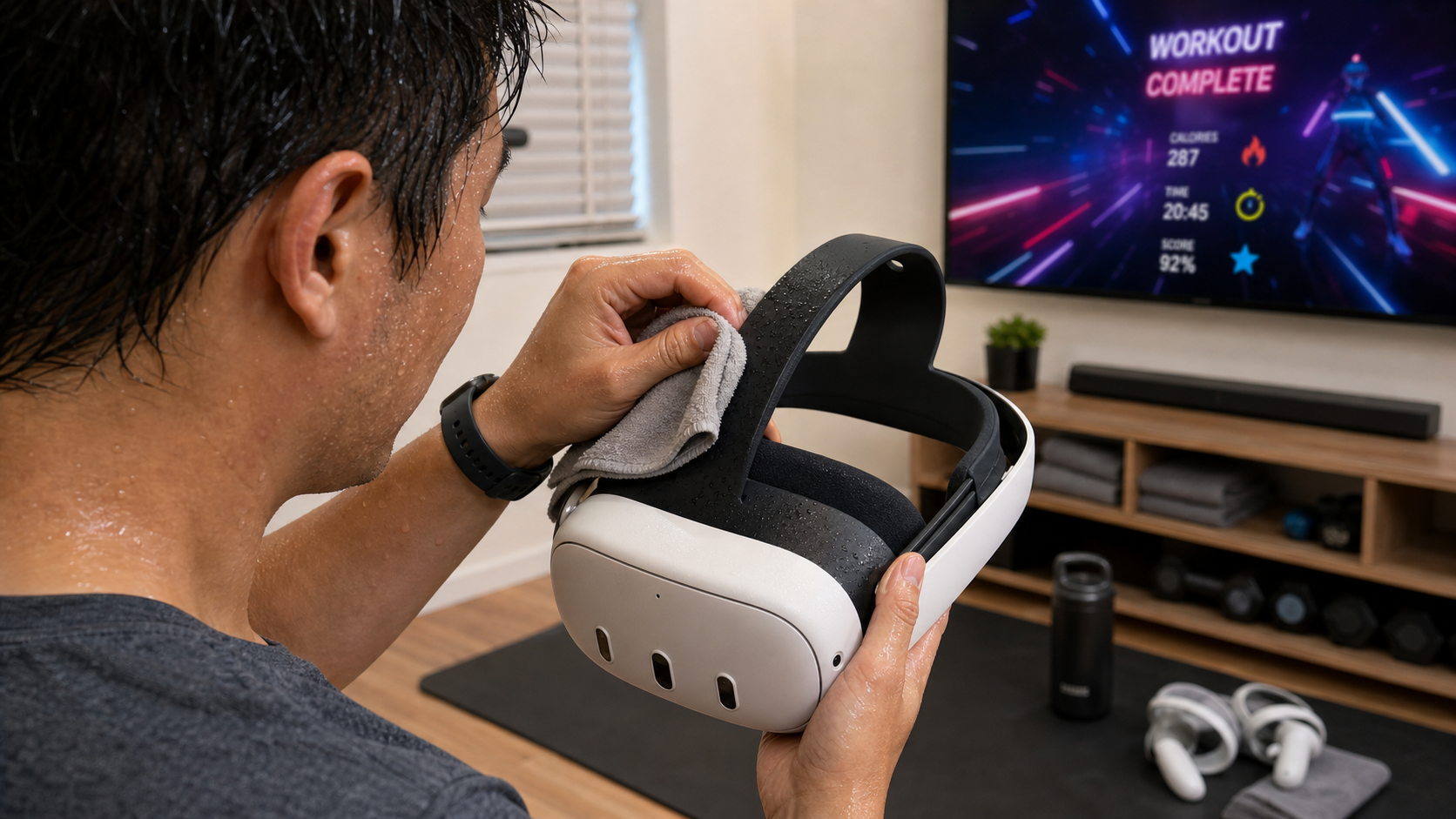
When we first got our Quest, the whole family was excited to use it for workout games. The problem started after the first week. The person who used it second always got a slightly damp, uncomfortable headset. I started looking for a solution and found silicone head straps. They promised an easy-to-clean surface, which sounded perfect for our situation. I decided to buy one and see if it could really solve our shared VR hygiene problem. But as we used it, I started to wonder about more than just sweat. I wanted to know if this simple piece of silicone could really hold up over time and what other effects it would have on our VR experience. The answer was more complicated than I thought.
Does long-term durability come from Silicone Head Strap for Meta Quest, Quest Pro Touch Controllers, or the way fitness workouts is played?
You spend good money on VR gear, hoping it will last. But then you see the fabric strap stretching and getting stained from sweat. You start to question where true durability really comes from.
Long-term durability is a mix of all three factors. A silicone strap resists sweat damage better than fabric, and premium controllers handle intense use. But ultimately, how you play and care for your gear has the biggest impact on its lifespan.
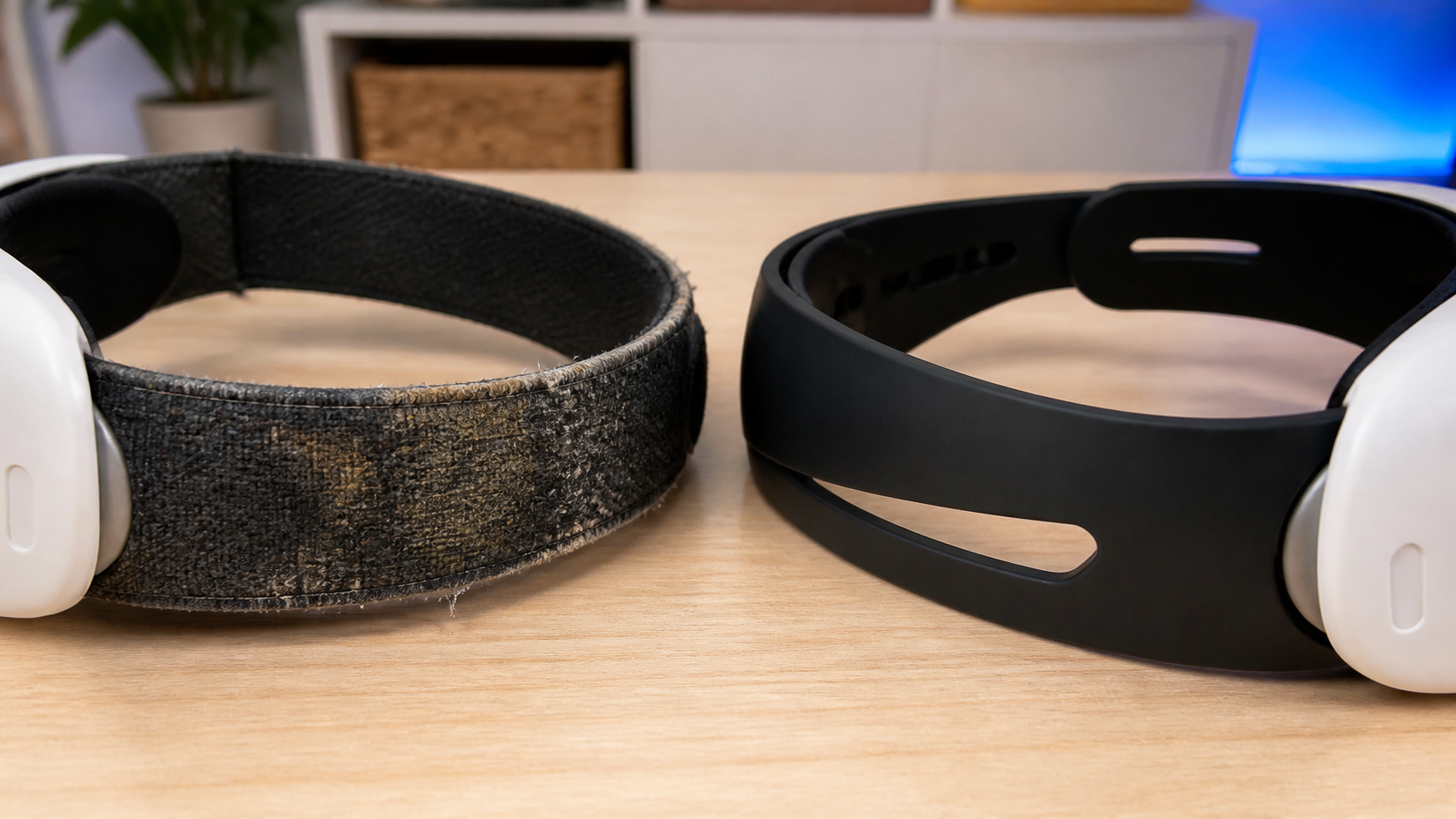
When I first unboxed the silicone head strap, it felt solid but flexible. My main goal was to fight the sweat problem, but durability was on my mind. Our original fabric strap was already looking a little sad after just a few months of family fitness sessions. It was slightly stretched out and had faint sweat stains that wouldn't wash out. The silicone strap, by its nature, doesn't have this problem. It's a non-porous material, so sweat and oils just sit on the surface until you wipe them away. This simple fact makes it seem much more durable against the kind of wear and tear we see in fitness games.
Accessory Material vs. User Behavior
However, the material is only part of the story. I've learned that how we use our equipment matters more. If someone in the family yanks the headset off their head without loosening the strap, it puts stress on the connection points. No material is invincible. The same goes for our Quest Pro controllers. They are built tough, but I've seen friends break theirs by accidentally punching a wall during a game. The controllers' durability comes from their internal design, but our behavior in the real world is the ultimate test. The silicone strap can't protect the headset if it's dropped.
Our Family's Durability Scorecard
Here’s how I break down the durability of our setup after months of use.
| Component | Key Durability Factor | Our Family's Experience |
|---|---|---|
| Original Fabric Strap | Absorbs sweat, stretches | Showed wear, stains, and stretching within 3 months. |
| Silicone Head Strap | Resists sweat, easy to clean | Looks brand new after 6 months of heavy use. |
| Quest Pro Controllers | Build quality, impact resistance | Have survived a few accidental bumps with no issues. |
| Player Behavior | Careful handling, room awareness | This is the biggest variable. We had to set rules about awareness. |
In the end, the silicone strap solved the durability problem for the strap itself. But overall long-term durability for our whole VR setup still depends heavily on us being careful.
Would families describe the difference as comfort, control, safety, or immersion?
You want to upgrade your VR setup for your family. But "better" can mean different things to different people. Is it about feeling comfortable, or something else entirely?
Families would mainly describe the difference as comfort. But it’s a specific kind of comfort: the clean, hygienic feeling of not sharing a sweat-soaked strap. This practical benefit for shared use far outweighs small changes in control or immersion.
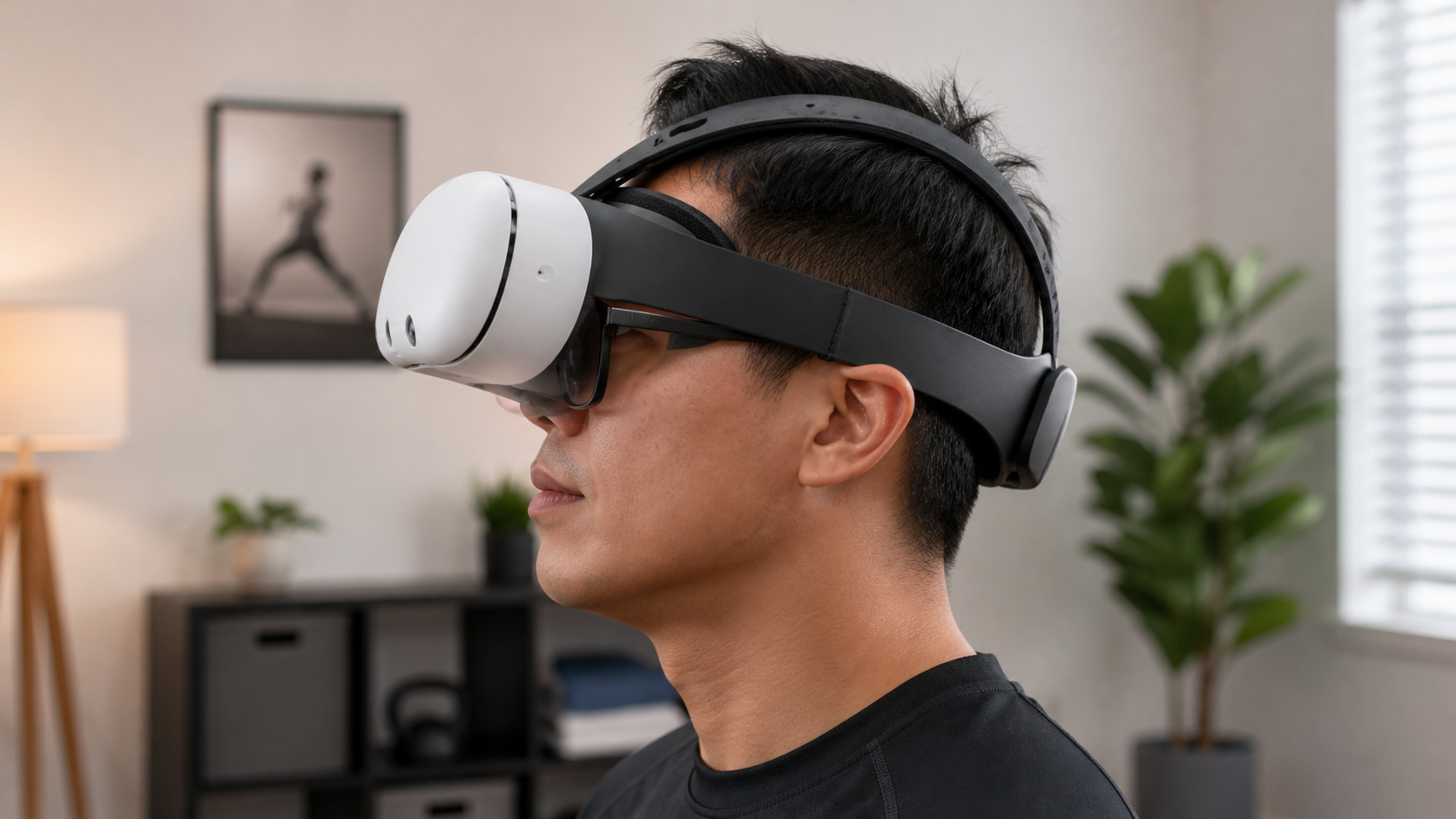
Before we got the silicone strap, the main complaint was always "Ew, it's wet." The new strap solved that immediately. The biggest win for our family was, without a doubt, comfort. Not necessarily the physical feeling of the strap on our heads, but the psychological comfort of knowing the headset was clean. Just a quick wipe with an antibacterial cloth and it was ready for the next person. This made switching between players fast and pleasant. I also wear glasses, and I was worried the new strap might add pressure. I was happy to find it fit just as well as the original, with no new pressure points on the side of my head.
But what about the other factors? In terms of control, the silicone actually provided a bit more grip on my hair. This meant the headset slipped a little less during really fast-paced games like Beat Saber. It was a minor improvement, but a welcome one. For safety, I felt no difference at all. The headset was just as secure on my head as it was with the fabric strap. The weak point was immersion. The silicone material, while clean, can feel a bit clammy and plasticky against your skin, especially when you first put it on. The fabric strap felt softer and more "cozy." Sometimes, the feeling of the silicone would remind me I was wearing a headset, which can briefly pull you out of the VR world. It’s a small trade-off, but for us, the massive improvement in cleanliness made it completely worth it.
Can a 10-minute video clip show what written specs cannot?
Product pages tell you the material and the weight. But they can't show you how an accessory actually performs during an intense, sweaty workout. That's a feeling, not a spec.
Yes, a 10-minute video can show what specs can’t. It reveals the real-world experience, like how sweat beads up instead of soaking in, how flexible the strap is during movement, and how easy it is to wipe clean in real time.
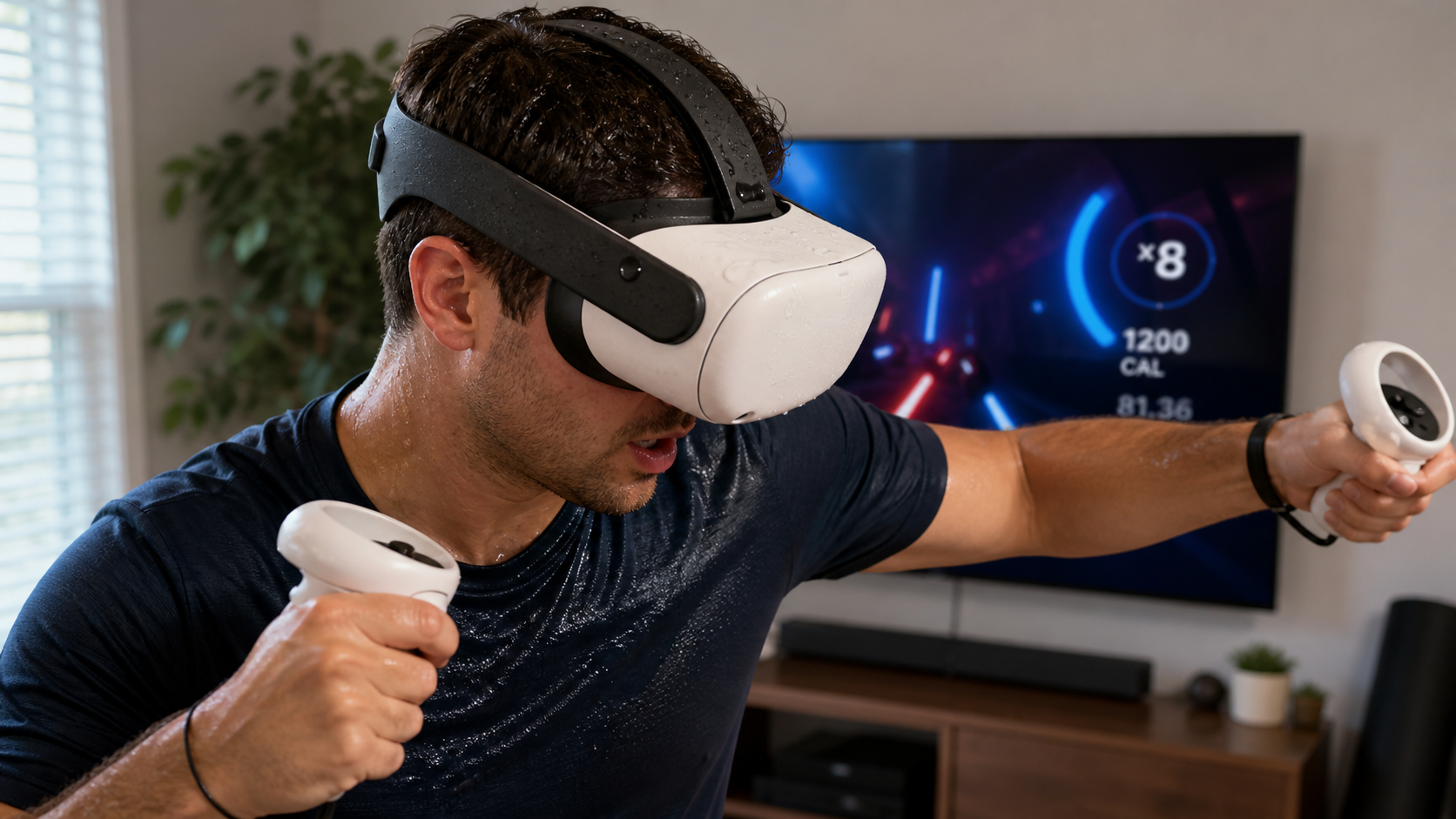
I actually watched a few video reviews before I decided to buy the silicone strap. The most common thing I saw was a "pressure test," where the reviewer would sit perfectly still for 10 or 15 minutes to see if the strap left red marks on their head. This seemed like a good test for long, seated VR sessions, like watching a movie. But for fitness, it's almost useless. In a fitness game, you are constantly moving, ducking, and turning your head. The real test isn't static pressure, but how well the strap grips and stays in place while you're in motion. A video showing someone playing an actual round of a high-intensity game would be far more valuable.
This brings me to a failure case I discovered. While the video reviews praised the strap, they missed a key part of the sweat problem. The silicone strap solved the issue for the back of my head, but the facial interface—the foam cushion around the eyes—still got completely soaked. After a tough workout, I'd take off the headset and the strap would be fine, but the foam would be dripping. This shows that the strap is only one part of a larger solution. The problem of durability and cleanliness remains for other parts of the headset. A video can show you the performance of one accessory, but it rarely shows you how it fits into the entire ecosystem of VR comfort.
Could a cheaper or simpler setup answer this fitness workouts and long-term durability problem just as well?
You see all these specialized VR accessories and wonder if you really need them. Is there a simpler, cheaper way to solve the common problems of sweat and wear?
A cheaper solution like a simple workout sweatband can help, but it doesn't solve the core problem. It just absorbs sweat before it reaches the headset. A silicone strap replaces the absorbent part, offering a more direct and hygienic long-term solution.
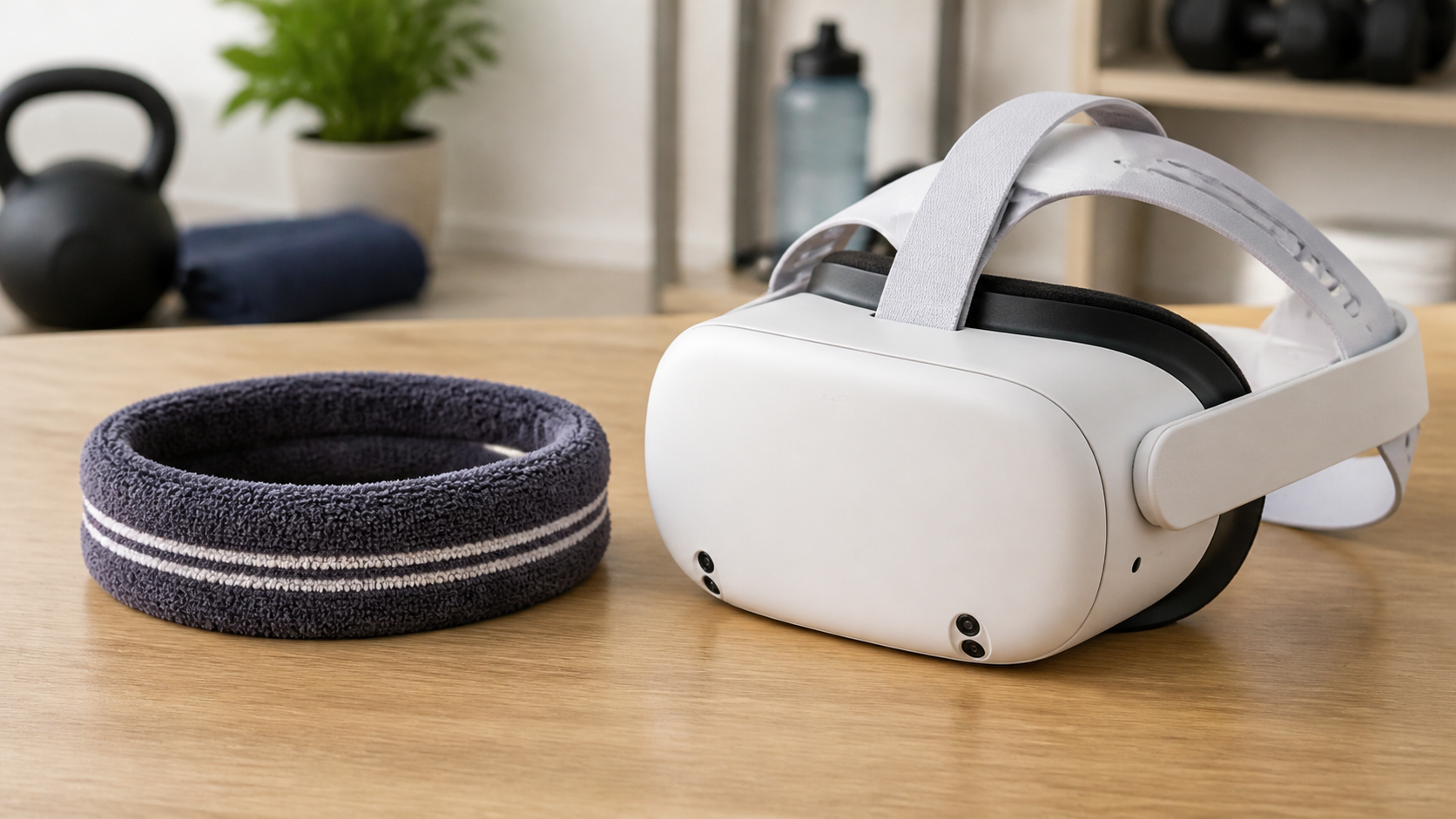
I definitely thought about cheaper options before buying the silicone strap. The most obvious alternative was just wearing a standard athletic sweatband under the headset. I tried it for a few days. It cost only a few dollars and it did a decent job of catching sweat from my forehead. The problem was that it was just another piece of gear to manage. It would get soaked, and then I'd have another sweaty thing to wash. It also didn't feel great under the headset, adding a bit of bulk. It was a patch, not a solution.
Another option I considered was disposable VR masks. These are great for when we have guests over who want to try VR. They provide a clean barrier for each person. But for daily family use, the cost would add up quickly, and it felt very wasteful to throw away a mask after every single workout session. For us, the silicone head strap hit the sweet spot. It was a one-time purchase that permanently solved the problem of the strap getting gross. It's more expensive upfront than a sweatband, but it’s a much more elegant and integrated solution. For any family that uses their Quest for fitness regularly, I believe it's a better investment in the long run. It simplifies the cleanup process and makes sharing the headset a much more pleasant experience for everyone involved.
Conclusion
The silicone head strap is perfect for family fitness and easy cleanup. It’s not a complete fix for all comfort or durability issues, but it solves one major problem very well.
Leave a comment