



Is a Silicone Head Strap for Meta Quest better tested in Beat Saber sessions by comfort, speed, or control?

The stock Quest strap is a pain. It digs into your head during fast games, and just when you get in the zone, it starts to slip.
For Beat Saber sessions, a silicone head strap is best tested by the control it provides. A stable headset allows for more accurate swings and better scores. Increased comfort and speed are the direct results of having solid, reliable control, not separate goals.
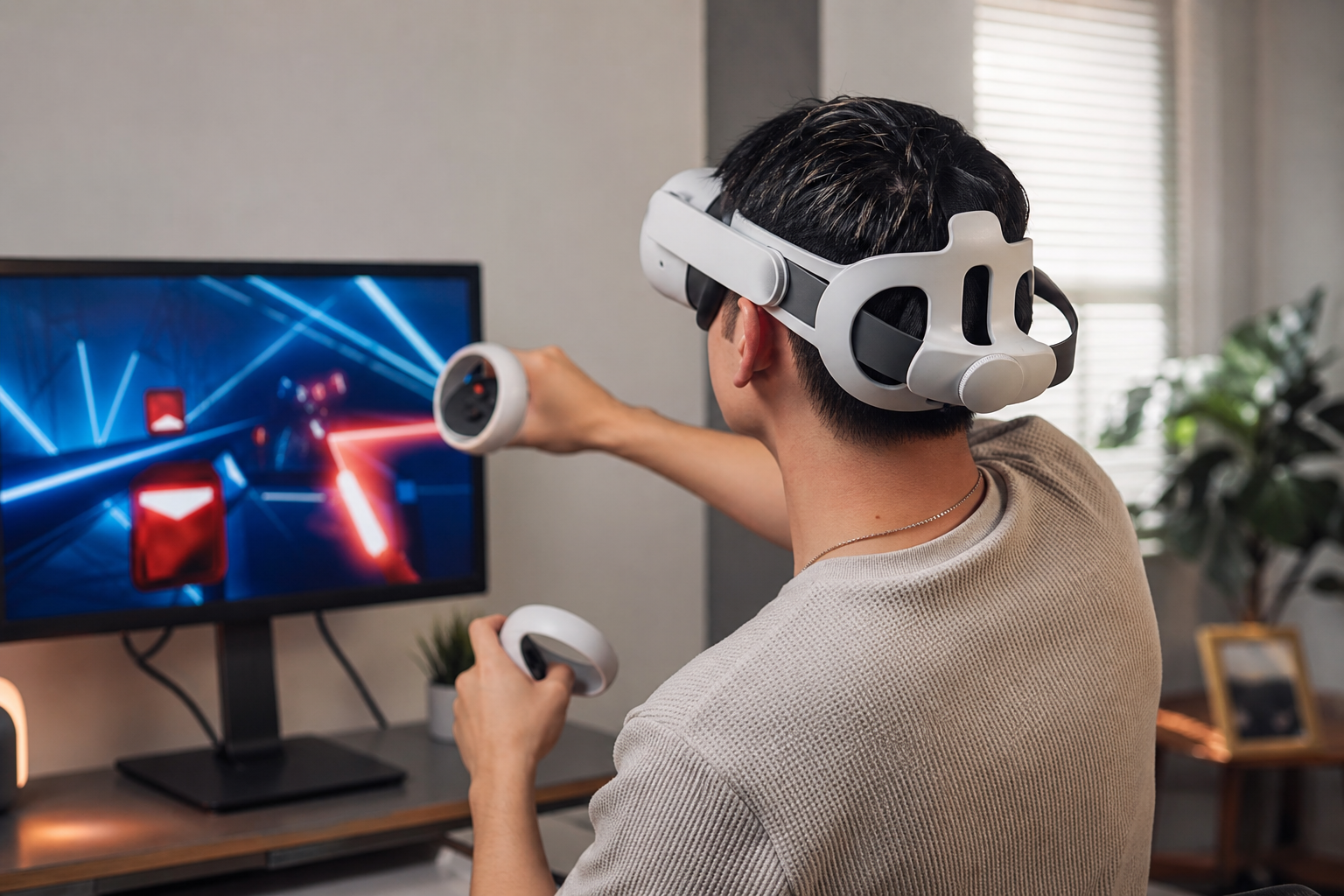
I felt the frustration with the original strap every time my kids wanted to play. They would get a few songs into Beat Saber, and then the complaints would start. The headset was too loose, or it was pressing on their forehead. I got this new silicone head strap to see if a simple upgrade could actually make a difference. We use the Quest Pro Touch Controllers, so we need the headset to be perfectly stable to keep up with the precise tracking. I handed it over to my kids for the ultimate test: a long, competitive Beat Saber session. I wanted to see if this strap was just for looks or if it could really improve their game by giving them better control.
Does easy adjustment affect beginners and experienced users in the same way?
Getting the right fit is a struggle. New players can't figure it out, and experienced players hate having to stop a game to fix a slipping headset.
Yes, easy adjustment is a huge benefit for both. A beginner can get a secure, comfortable fit on their own in seconds, which makes VR less intimidating. An experienced user can make tiny changes between songs, tightening for speed and loosening for comfort without breaking their flow.
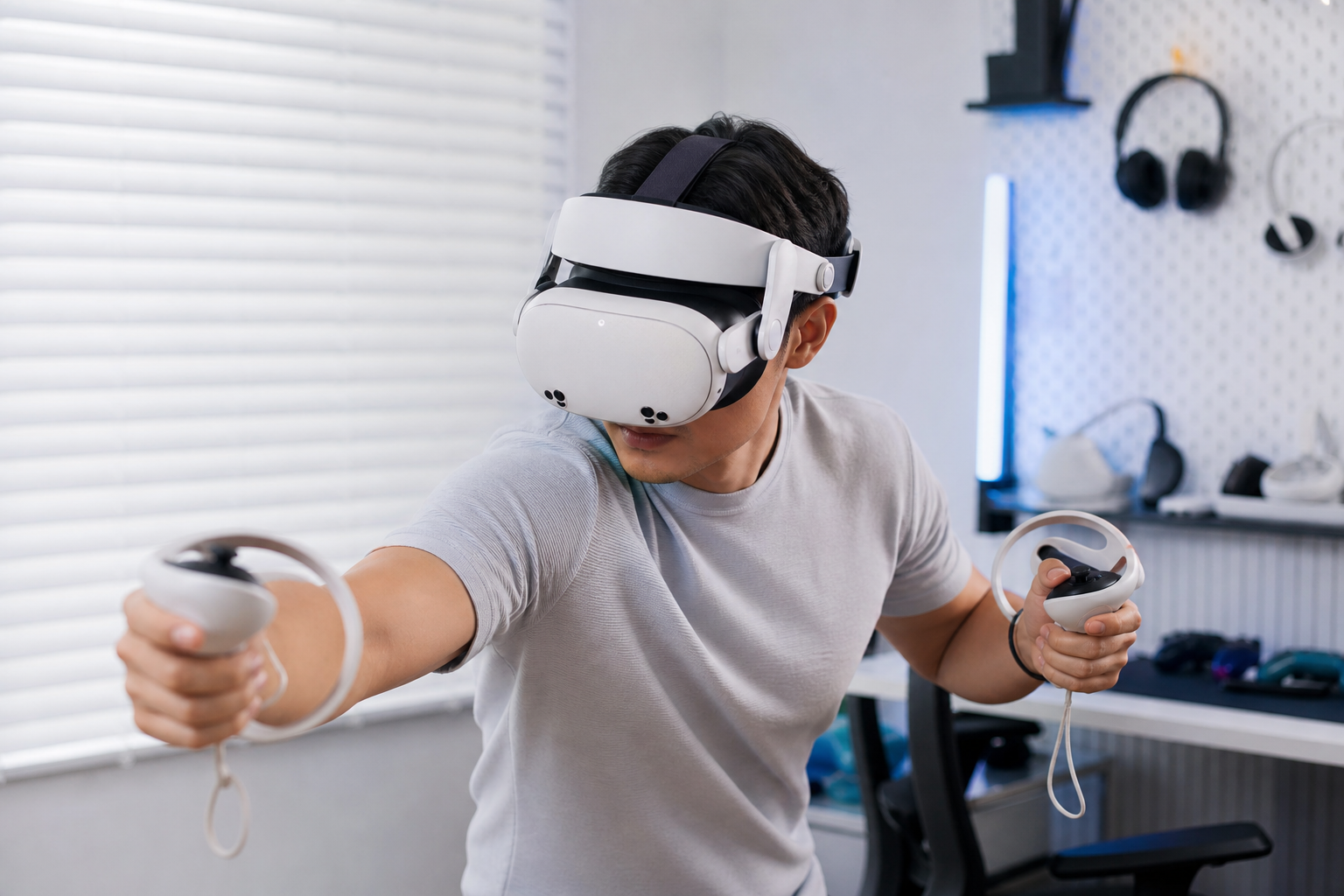
I saw this firsthand with my two kids. My youngest is still pretty new to VR, and the original strap was always a problem. I had to help them put it on and tighten it every single time. With the silicone strap, they were able to do it themselves. The simple buckle at the back was easy for them to grab and pull. This little bit of independence was a big deal. For them, "easy adjustment" meant they could start playing faster and feel more in control of the hardware. My older kid, who spends hours trying to beat high scores, found a different benefit. They loved how they could make small adjustments on the fly. Before a really fast song, they would tighten it just a little bit for extra stability. Then, during a menu screen, they could loosen it to relieve pressure. This was impossible with the stock strap. It’s a small detail, but it makes the entire experience feel more fluid and less frustrating.
Fit and Feel Comparison
| User Type | Stock Strap Experience | Silicone Strap Experience |
|---|---|---|
| Beginner (My youngest) | Needed help to fit. Complained about it slipping. Took 1-2 minutes to adjust. | Adjusted it themselves. Felt secure right away. Took less than 20 seconds. |
| Experienced (My oldest) | "Set it and forget it" fit. Frustrating to re-adjust mid-session. | Could make micro-adjustments between songs. Liked the quick-release feel. |
Does a buy/skip verdict versus battery and halo straps prove enough for Quest Pro Touch Controllers users?
You see all these big, heavy straps with batteries and complex dials. It feels like too much when you just want a little more comfort and stability for your games.
A simple buy/skip verdict is perfect for this kind of strap. It solves a specific problem: the stock strap's poor comfort and stability. It's not competing with battery straps. It's a lightweight upgrade for active players who value agility over extra playtime.
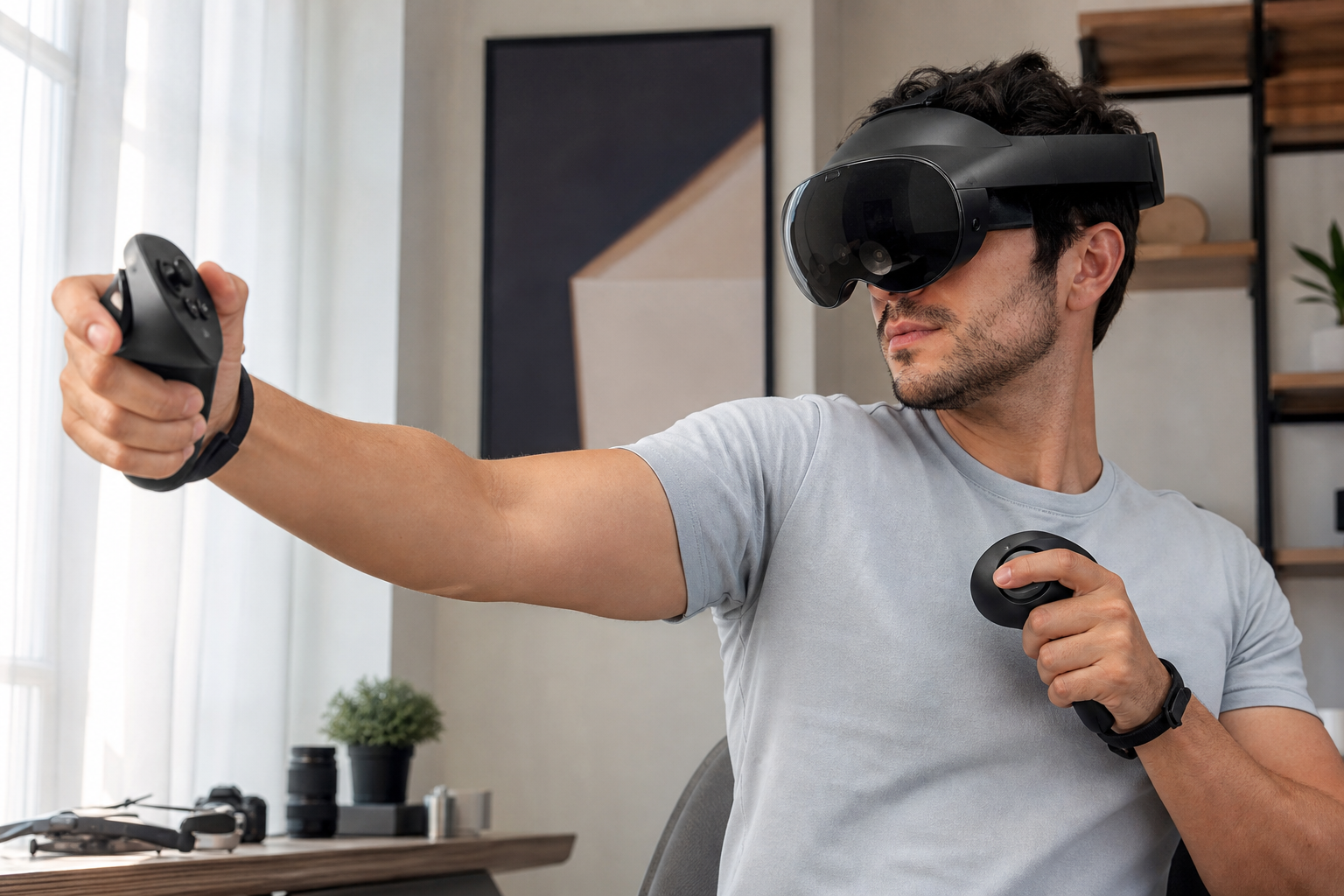
We've tried halo straps before, and my kids found them too bulky. The extra weight, especially at the back, can throw off your balance in a fast-moving game like Beat Saber. When you're using something as precise as the Quest Pro Touch Controllers, the last thing you want is your head wobbling because of a heavy accessory. That’s why a simple "buy it" or "skip it" works for this silicone strap. You either want a lightweight, stable upgrade from the stock strap, or you need the features of a bigger system. There isn't much middle ground. This strap is a direct replacement focused purely on improving fit and control without adding weight. For us, our play sessions are usually an hour or two, so we don't need an extra battery. We just need the headset to stay put while we're hitting blocks. This accessory is a clear "buy" if your main problem is stability and a "skip" if your main problem is battery life. It’s that simple.
Can Quest Pro Touch Controllers fit checks catch the problem before the first full session?
You think the headset feels fine, but then the game starts. After a few minutes of fast movement, you feel it start to slip, and the pressure starts to build on your face.
Yes, a basic fit check can catch big problems early. Put the headset on, adjust the strap, and then shake your head side-to-side and up-and-down. If it wobbles, it needs more adjustment. But this only shows stability, not long-term comfort and pressure points.
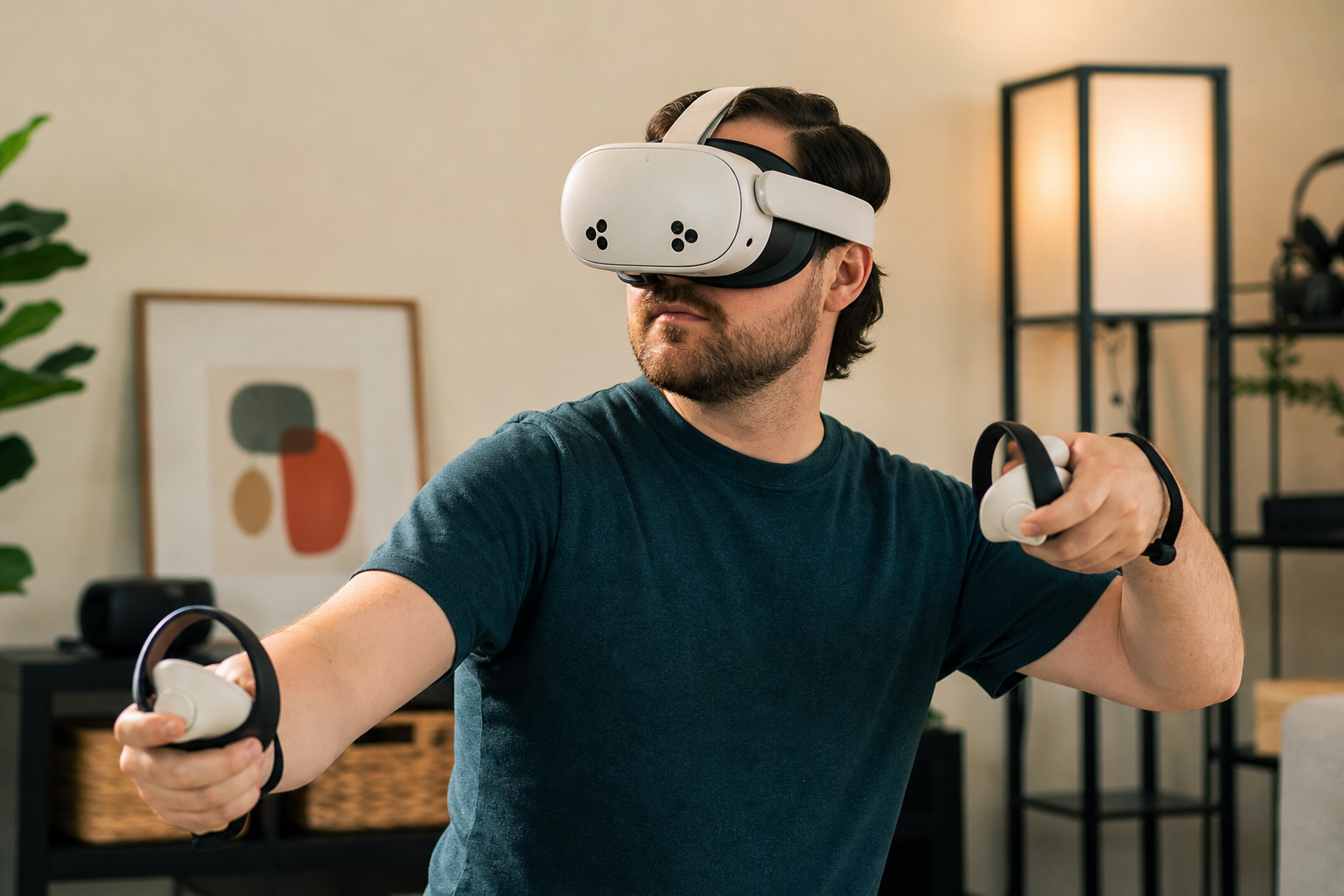
To really understand the comfort, I decided to run a small experiment. I had my older kid do a quick fit check. The headset felt secure with their glasses on, and it passed the "head shake" test. Then, I had them play Beat Saber and recorded their feedback over a 30-minute session. This "pressure diary" gave me real insight into how the strap performed over time, not just in the first minute. The initial fit was great, but the diary showed us that even this better strap design can create a pressure point on the forehead after about 20 minutes of intense play. The rear support was a huge improvement over the stock strap, which helped a lot. But the test proved that while a quick fit check is useful, only a real play session reveals the true comfort level. It caught the forehead pressure issue before it became a major complaint, and we were able to make a tiny adjustment to fix it.
30-Minute Beat Saber Pressure Diary
| Time | Activity | Forehead Pressure (1-5) | Rear Support (1-5) | Overall Comfort (1-5) |
|---|---|---|---|---|
| 0 min | Fit Check & Setup | 1 | 5 | 5 |
| 10 min | Playing Hard difficulty songs | 2 | 5 | 4 |
| 20 min | Playing Expert difficulty songs | 3 | 4 | 3 |
| 30 min | Playing Expert+ songs | 3 | 4 | 3 |
Would a negative Beat Saber sessions test still help buyers understand easy adjustment on Quest Pro Touch Controllers?
When a product review points out a flaw, it's easy to just dismiss the product. But sometimes that "flaw" is the most important piece of information for making a decision.
Yes, a "negative" test is incredibly helpful. Seeing exactly where and how a strap fails during an intense game shows its limits. This helps you decide if it's right for your play style, and it can even highlight the value of features like easy adjustment.
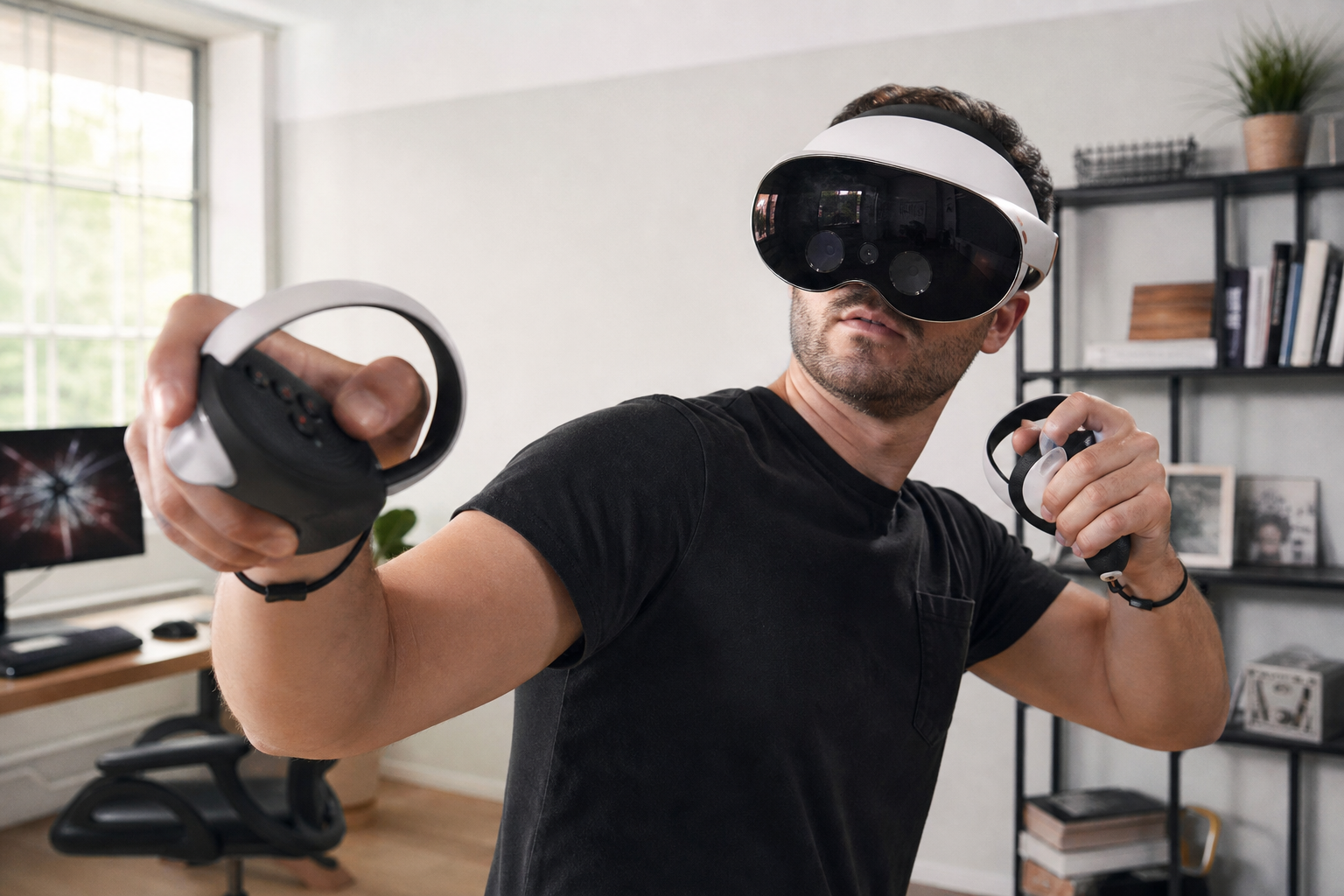
The silicone strap is not perfect, and that’s okay. During the most intense, high-speed Expert+ songs in Beat Saber, my kid noticed the headset would sometimes shift just a tiny bit. For a top-level competitive player, this might be a deal-breaker. They might need a rigid, halo-style strap that locks the headset in place. However, for us, this "negative" result actually proved the strap's biggest strength. When the headset did shift, it took my kid literally two seconds to reach back, pull the strap, and snap it back into the perfect position. They never even had to pause the game. With the original strap, a slip like that meant the session was over until I could come and help them fix it. So, while the test showed a small weakness in stability at the highest level of play, it also showed an incredible strength in recovery. This kind of honest result is more useful than a simple "it's great." It tells you who this product is for: the 95% of players who want a massive comfort upgrade and the ability to fix a problem instantly.
Conclusion
This silicone strap is a fantastic upgrade for comfort and control. It makes adjustments simple for everyone and is perfect for most Beat Saber players. Hardcore players should know its limits.
Leave a comment