



Is a Quest Battery Pack the right fix when movie watching feels limited by two-hour battery life?

You settle in for a movie, but the low battery warning appears before the credits roll. Your immersive escape is cut short. Is an extra accessory the only fix?
Yes, the Quest Battery Pack fixes the two-hour movie limit by adding about an hour of playtime. However, it's a trade-off. It gives you more control over your session but introduces extra bulk and cable management, a critical factor for travelers who value simplicity and portability.
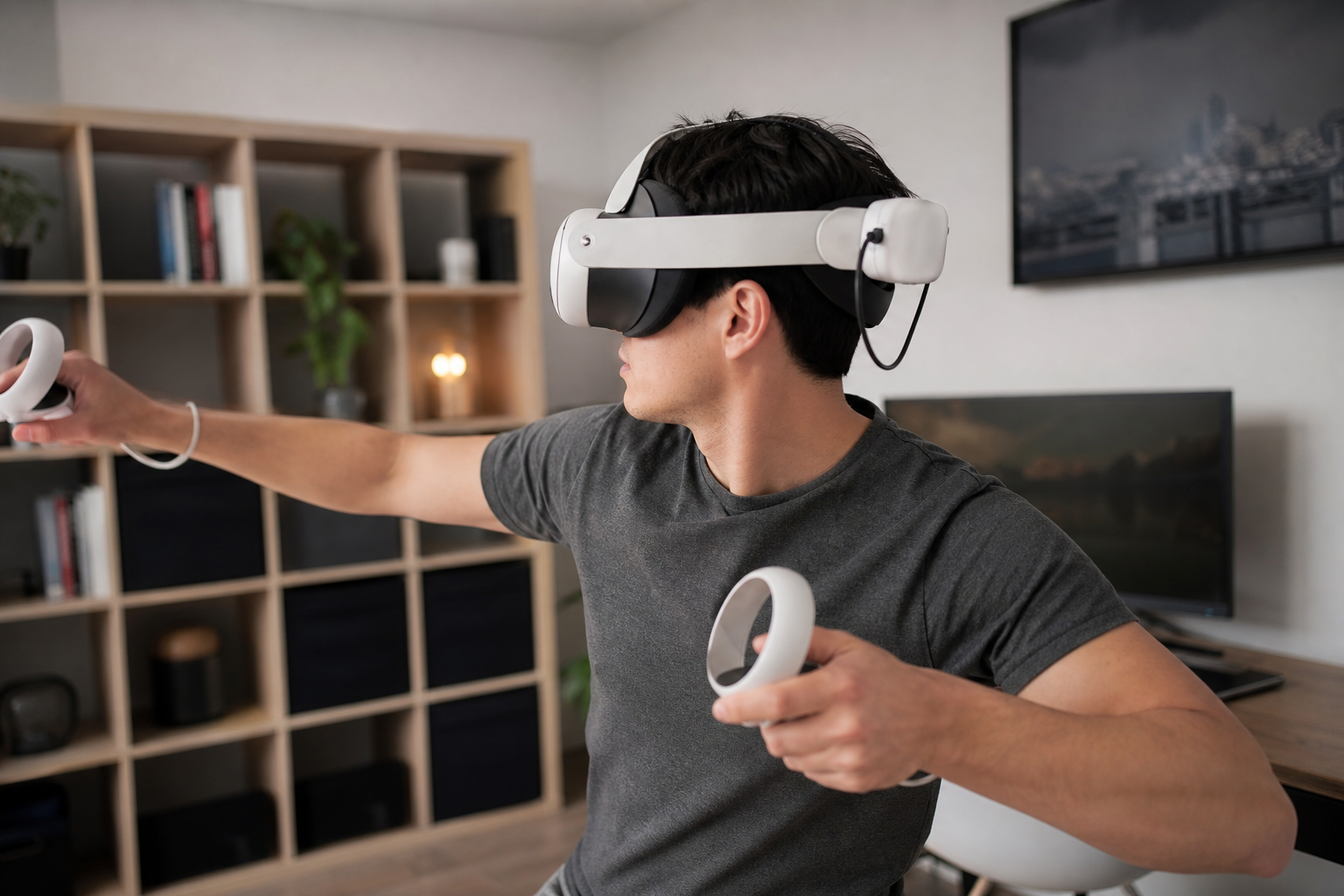
I thought adding a battery pack was a simple solution. I just wanted to finish a movie without interruption. But after using it on a recent family trip, I realized the decision is more complex. It's not just about more power; it's about whether the added convenience is worth the new hassles it creates, especially when you're trying to pack light and keep things simple. The real question is how this accessory fits into the way you actually use your headset.
Does movie watching expose two-hour battery life faster than a casual demo would?
You’re showing your Quest to a friend, and the battery lasts forever. But when you watch a movie alone, it dies in under two hours. Is it all in your head?
Yes, watching a movie creates a constant, steady power drain that exposes the two-hour battery limit much faster than a casual demo. Demos involve frequent pauses and menu interaction, which gives the battery small breaks. A movie is a continuous sprint of video decoding and display usage.
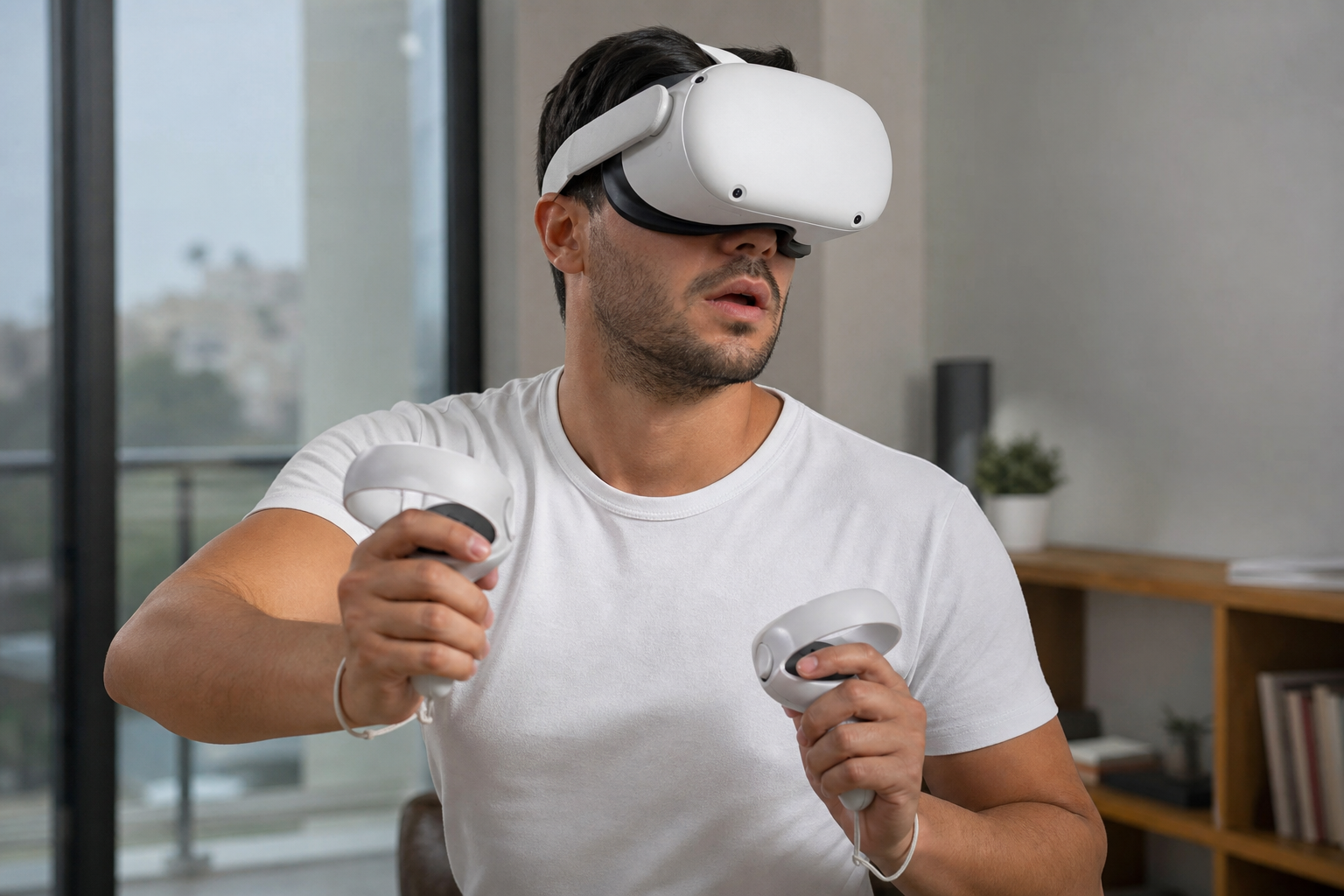
I noticed this pattern myself. When I was just tinkering with apps or showing a quick VR experience to family, the battery seemed to hold up fine. But the moment I sat down for a feature-length film, the low-battery notification felt like it was on a timer set for 90 minutes. It made me wonder if different activities really used power that differently. I decided to run a few informal tests to see what was actually happening.
Power Drain Breakdown
The key difference is continuous load. A movie forces the Quest's processors and display to work nonstop. There are no breaks. A demo, on the other hand, is full of stops and starts. You're talking to someone, navigating menus, or switching apps. Each of those little pauses reduces the overall power consumption over the same period. It's like the difference between sprinting for a mile and walking it with several rest stops.
My Informal Test Results
I tracked the battery percentage over one hour for three different activities. The results confirmed my suspicions. Movie watching was by far the most demanding task of the three, proving that it's the perfect activity to expose the raw, uninterrupted limits of the battery.
| Activity | Battery Drain in 60 Minutes | Notes |
|---|---|---|
| Movie Watching (HD Stream) | ~55-60% | Constant video decoding and screen use. No breaks. |
| Casual Demo (Mixed Apps) | ~35-40% | Frequent returns to the home screen and pauses between apps. |
| Intense Gaming (Beat Saber) | ~50-55% | High processing load, but still includes small breaks between songs. |
Could travel size and airline limits be the real reason two-hour battery life remains in movie watching?
You’re packing for a trip and realize every charger and cable adds to the clutter. Why can’t the Quest just have a four-hour battery built-in and solve this problem?
Yes, travel concerns are a major reason for the limited internal battery. Keeping the battery under the 100 watt-hour (Wh) airline limit is crucial for carry-on electronics. A larger internal battery would add significant weight and could create issues with travel regulations, making external packs a necessary compromise.
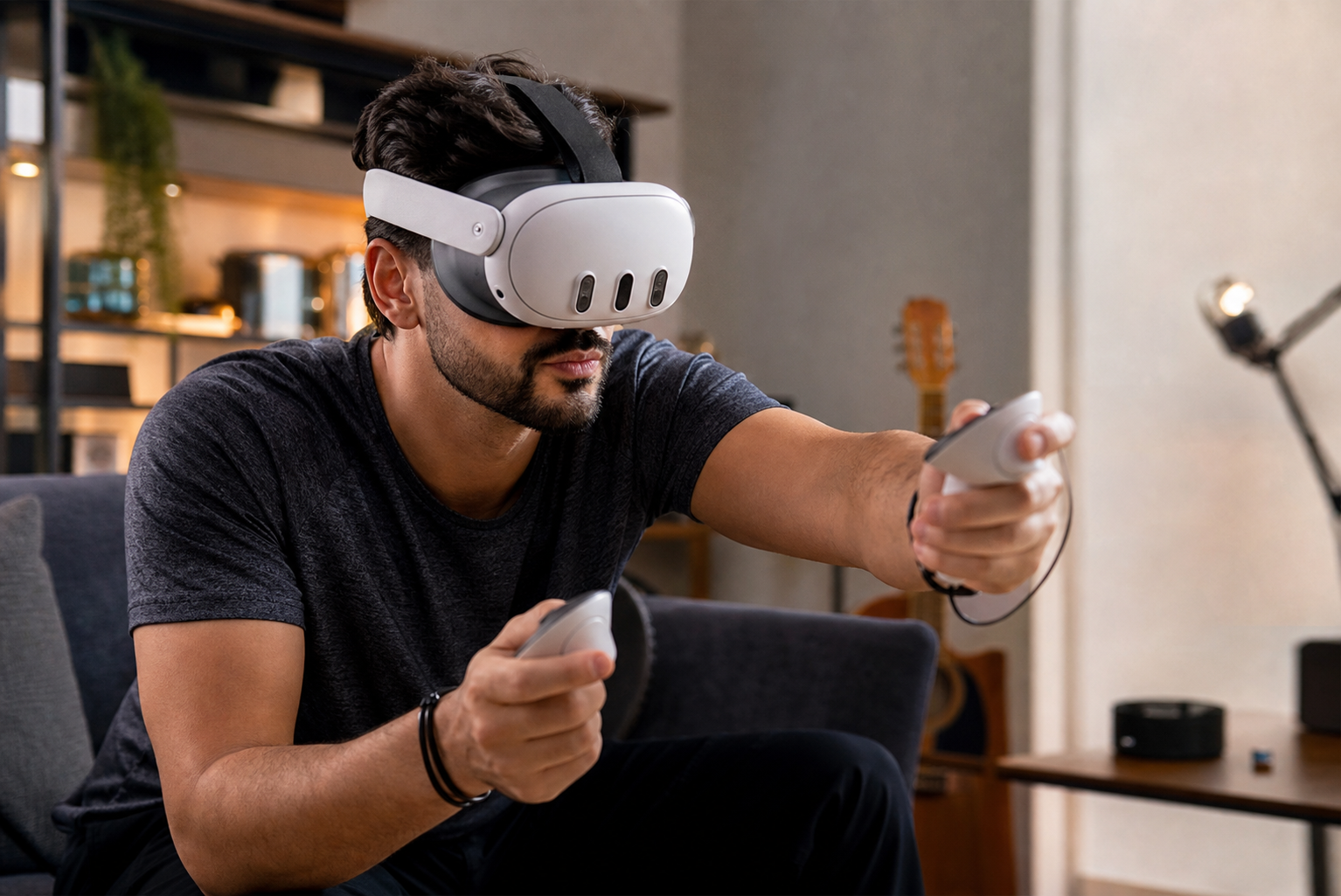
I always try to travel with just a carry-on, so every item I pack has to justify its space. On my last flight, I laid out my Quest, the controllers, the charging dock, and the new battery pack. It was a lot of gear. It struck me that Meta must have a good reason for not just building a bigger battery into the headset itself. The answer seems to lie in a balance between comfort, cost, and the strict rules of air travel. A headset with a four-hour battery would be much heavier, making it uncomfortable for long sessions. It would also be more expensive. But the biggest hurdle is likely the regulations set by airlines for lithium-ion batteries. Making the battery external keeps the main device light and compliant, shifting the burden of extra power onto an optional accessory.
Where does hot-swap speed show up during real play?
The low battery alert appears mid-movie. You have the battery pack ready, but the frantic search for the cable and the fumbling to plug it in shatters the immersion.
Hot-swap speed becomes critical during shared or deeply immersive sessions. During a family movie, a 30-second delay to swap a battery feels like an eternity and breaks the experience for everyone. The speed of swapping a pack determines whether it's a seamless save or a frustrating interruption.
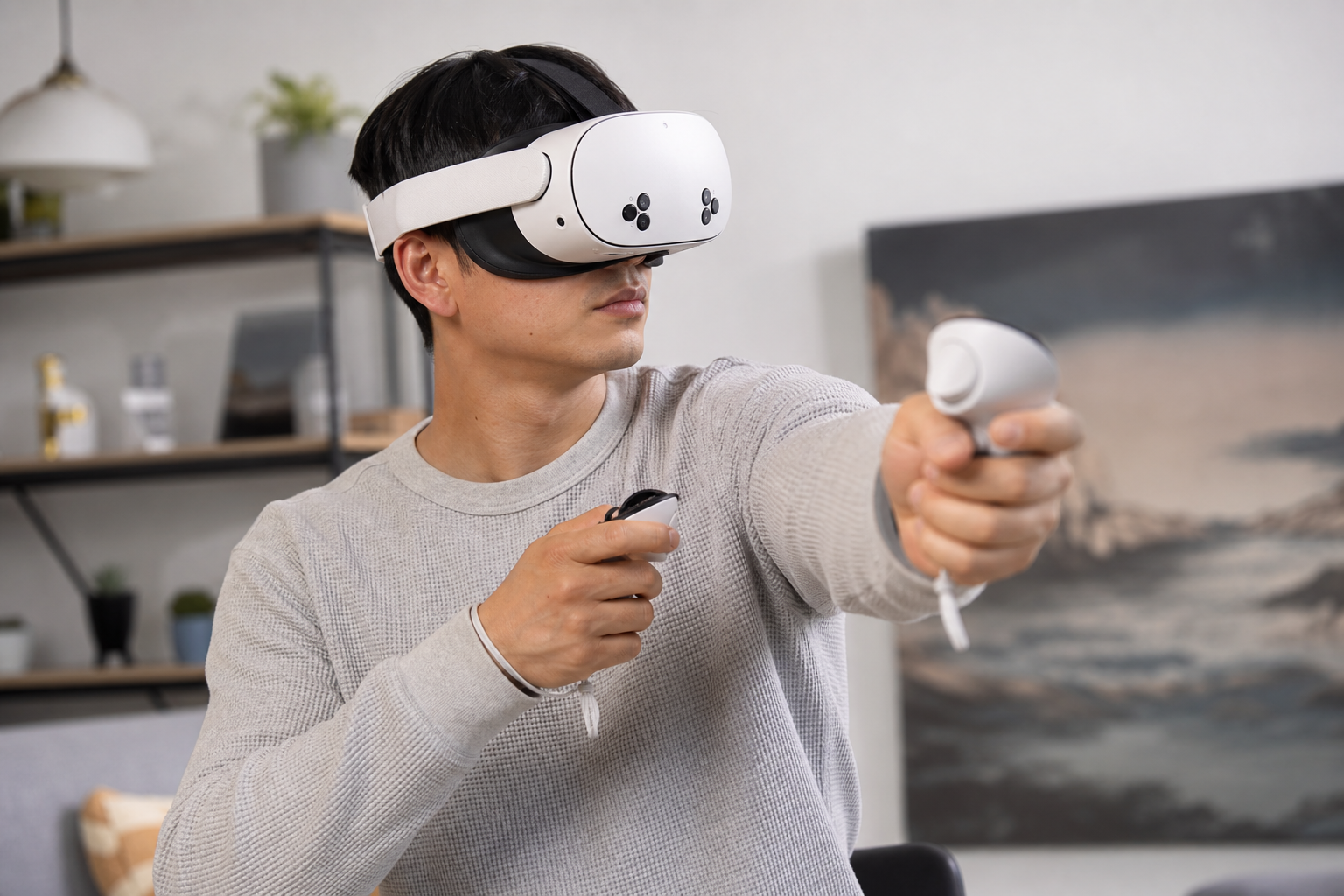
I learned this the hard way. I was watching a movie with my son, sharing the headset. Right at the climax of the film, the battery warning popped up. I had the Quest Battery Pack right next to me, but the process wasn't instant. I had to tell him to pause, take off the headset, find the end of the cable, and get it plugged in. The magnetic connection on the official pack is quick, but the entire process still took around 30 seconds. In that short time, the magic was gone. He was out of the movie, and it was hard to get that immersion back. This is where the theoretical benefit of a battery pack meets the messy reality of using it. It's not just about having the power, but about how gracefully you can access it without ruining the moment.
Does Quest Battery Pack solve enough of two-hour battery life in movie watching to justify another accessory?
You need more battery life, but you hate clutter. Is adding another gadget to buy, charge, and pack really the best solution to your movie-watching problem?
For frequent travelers who watch movies, the Quest Battery Pack is a justifiable purchase. It directly solves the two-hour battery limit. For most other users, however, its benefits are less clear. The added cost, weight, and cable management can make it an annoying extra accessory rather than an essential fix.
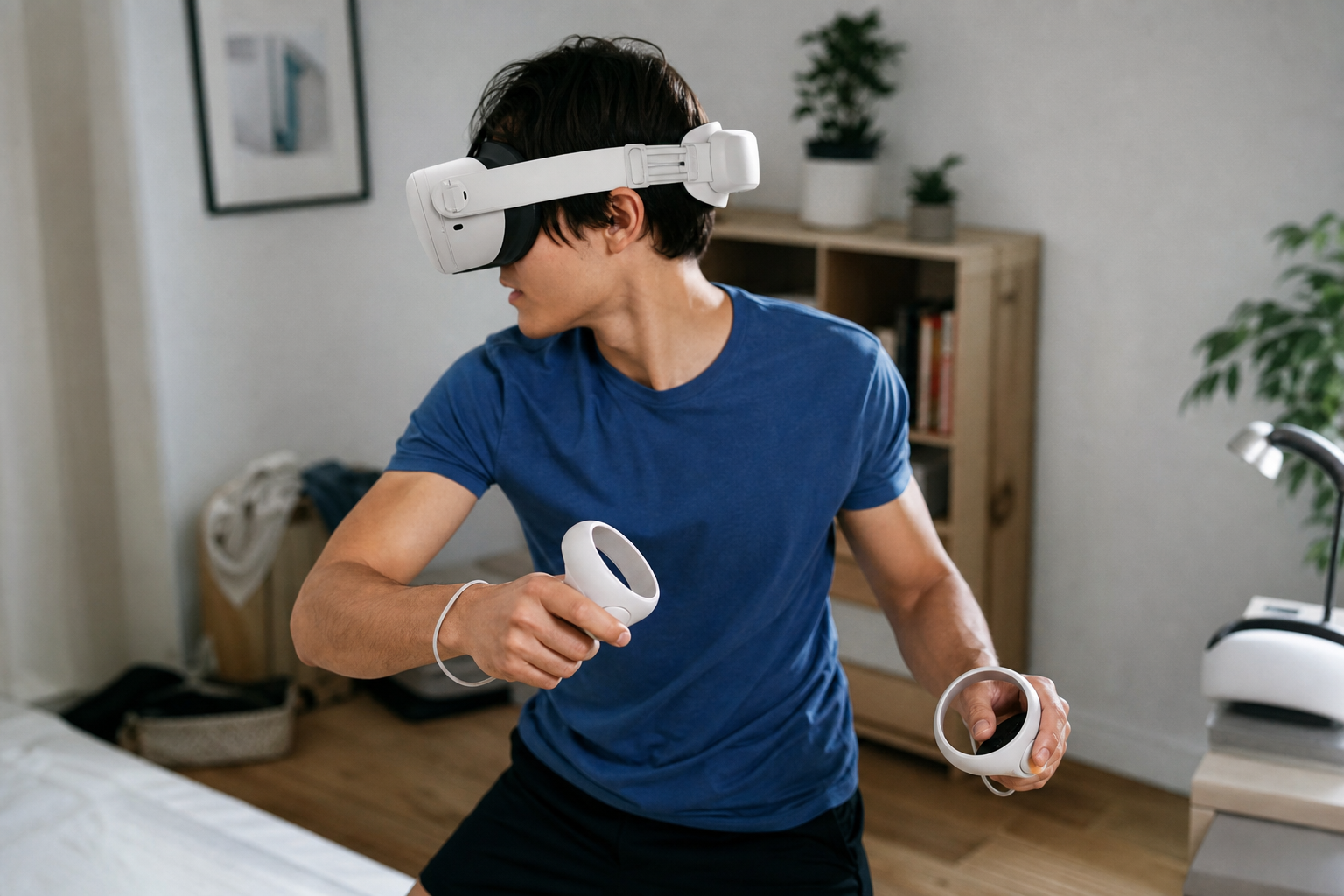
After using the battery pack for a while, I found it helpful in very specific situations but annoying in others. On a long flight, it was a lifesaver. I watched an entire two-and-a-half-hour movie without any battery anxiety. But at home, I often found it easier to just take a break and let the headset charge normally. The pack felt like just one more thing to keep track of. It didn't feel like a permanent upgrade, but more like a special tool for a specific job. Whether it's right for you depends entirely on how you use your Quest. The accessory is a great idea, but its practical value is not universal. It's a targeted solution for a very specific pain point.
My Verdict by User Type
- Travel User: Buy it. This is the target audience. It makes watching a full movie on a plane possible. The hassle of an extra accessory is a small price to pay for uninterrupted entertainment on a long journey.
- Family User: Consider it. It’s useful for back-to-back sessions, but be prepared for the mid-movie swap. The disruption can be annoying, so it's not a perfect solution for shared viewing.
- Fitness User: Skip it. The extra weight and cable get in the way during active games like Beat Saber or Supernatural. It's more of a hindrance than a help for fitness.
- PCVR User: Skip it. If you are playing PCVR, you are likely near your computer and can use a link cable for power if needed. The battery pack adds little value here.
Conclusion
The Quest Battery Pack solves the movie problem for travelers. For everyone else, it’s a convenience that may not be worth the cost, adding another accessory to manage.
Leave a comment