



Does a VR Mat make Gorilla Tag easier for new users or only for enthusiasts for Quest 3 Users?

Watching a friend try Gorilla Tag on my Quest 3 is both fun and terrifying. They flail, jump, and lose all sense of direction. A VR mat seems like the perfect solution.
A VR mat is a game-changer for new Gorilla Tag players on the Quest 3, primarily for safety and orientation. For enthusiasts, it’s a comfort upgrade for long sessions on hard floors, but less critical for gameplay itself. Its main value is creating a physical boundary.
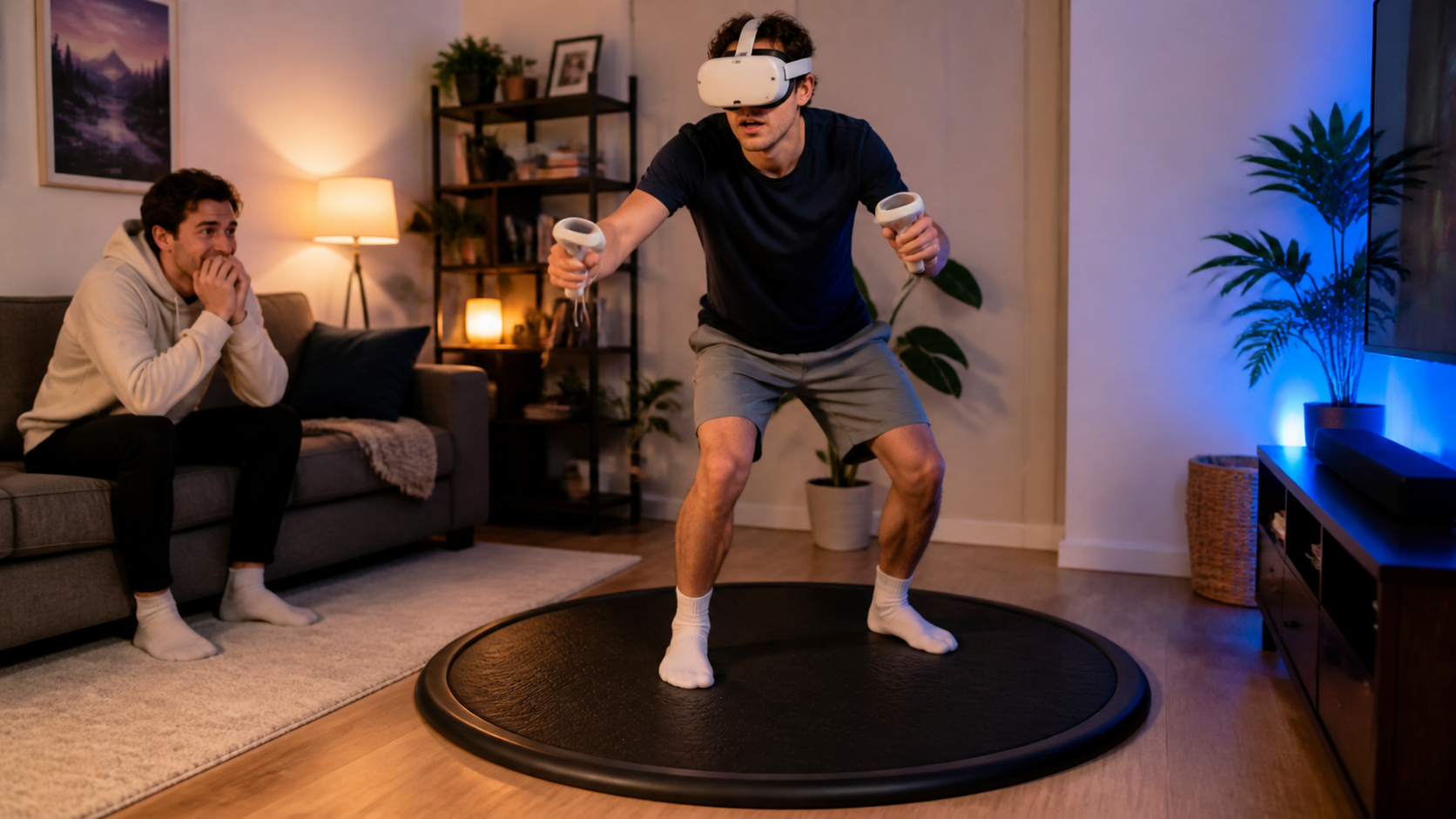
I've spent countless hours in VR, so my "VR legs" are pretty solid. I know where my physical walls are without thinking. But when I handed my headset to a friend who had never played before, I saw the panic in their movements. They drifted constantly, and I had to keep shouting, "You're getting too close to the TV!" This experience made me wonder if an accessory I'd mostly ignored could solve this exact problem. I decided to run a simple test, using my friend as the guinea pig, to see if a VR mat is just for hardcore players or if it's the key to a safer first-time experience.
Would Quest 3 users describe the Gorilla Tag change as comfort, control, safety, or immersion when trip hazards changes?
When you can't see the cable on the floor, your session is over. A stray rug or toy can break the magic and your ankle. A VR mat changes this dynamic.
The biggest change is a huge boost in safety. The mat’s physical edge tells new users they are safe, which is more powerful than any other feeling. Comfort is a secondary benefit for experienced players, while effects on control and immersion are much smaller.
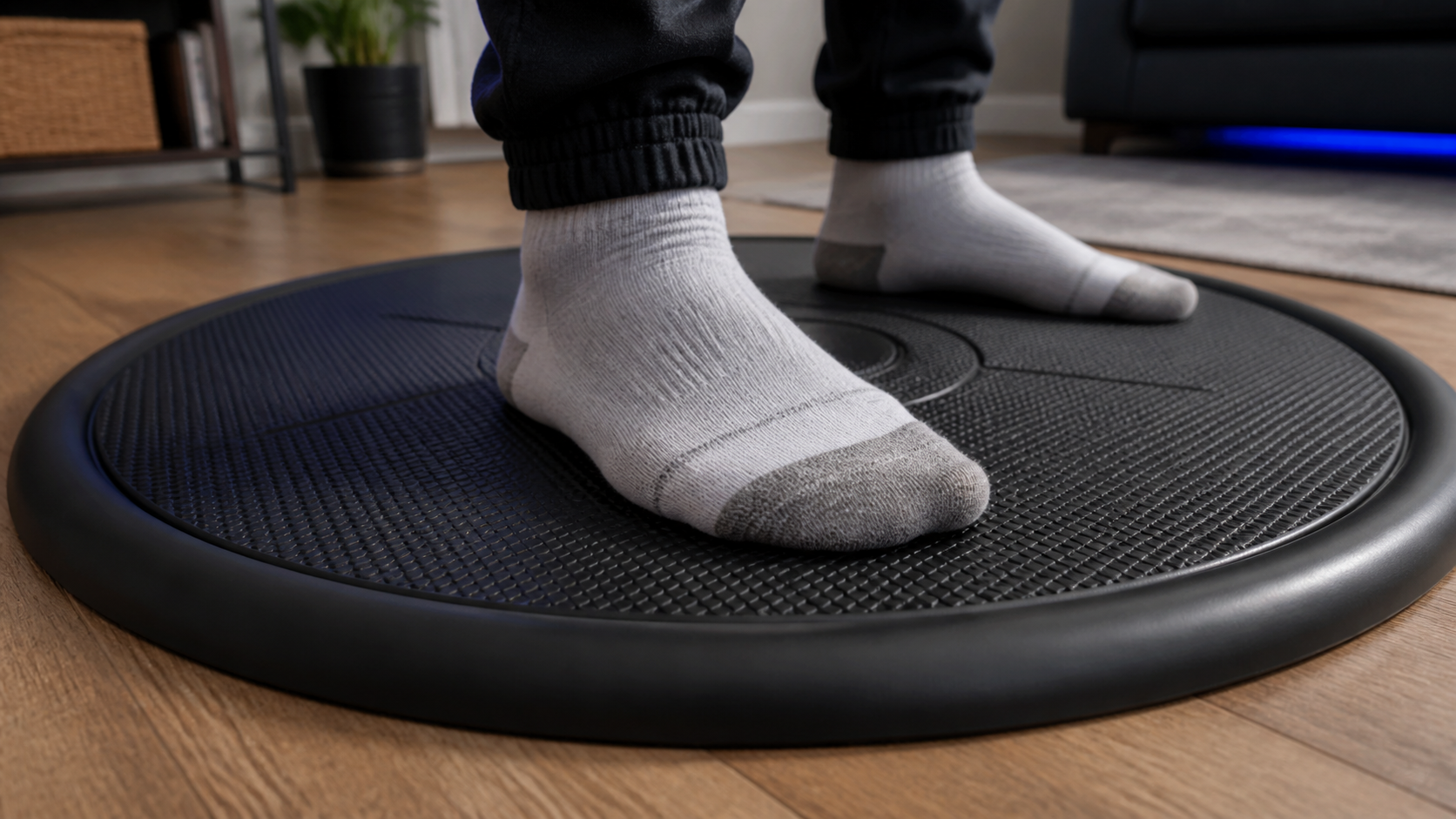
When I let my friend play without the mat, they were timid. They shuffled their feet and kept their arms in close. They were more worried about hitting a wall than playing the game. The moment I put the mat down, their behavior changed. They could feel the raised edge with their feet, and it acted like a real-world guardian system. This physical feedback instantly grounded them. They started moving more freely because they trusted the mat to tell them where the safe zone ended. For me, an experienced player, the biggest difference was comfort. Playing for an hour on a hard floor can be tough on the feet and joints. The mat provided nice cushioning. The change in immersion and control was less noticeable. You're still focused on the game, but the background anxiety about your physical space just disappears, especially for the new user.
Comparing the Experience
Here is a simple breakdown of how the mat felt for a beginner versus me.
| Factor | New User (My Friend) | Experienced User (Me) |
|---|---|---|
| Safety | Massive improvement. The mat's edge was a constant, reliable guide that prevented collisions. | Nice to have. I already know my space, but it prevents accidental drift during intense moments. |
| Comfort | Noticed it, but was more focused on the game and safety. | Very noticeable. Much better on the feet and knees for sessions over 30 minutes. |
| Control | Indirectly improved. More confidence led to bolder movements. | No real change. My in-game movement skills are the same. |
| Immersion | Increased. Less fear of the real world allowed for deeper focus on the game. | Slightly increased. The tactile center helps with re-orienting without breaking presence. |
Can Quest 3 users reproduce the test without special tools or paid software?
You read reviews with complex tests and wonder if you can trust them. You feel like you need special gear to know if something works. But this test is different.
Yes, anyone can reproduce this test easily. You don't need any special software or tools. All you need is a friend new to VR, a Quest 3, and a thick rug or a yoga mat to act as a stand-in for a real VR mat.
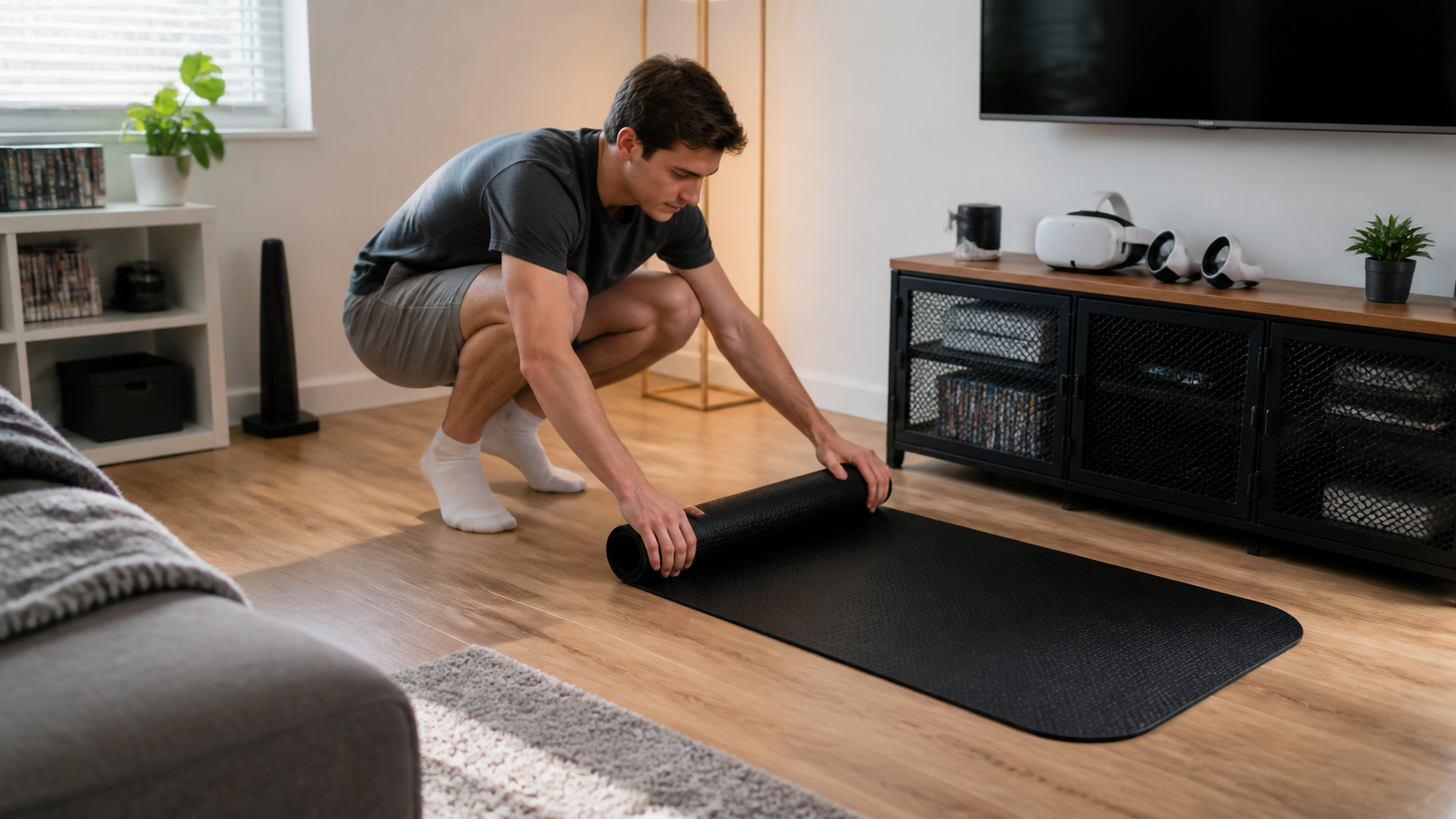
The beauty of this experiment is its simplicity. It’s not about numbers or performance metrics; it’s about human behavior and feeling. You can do this right now. First, clear a safe play area of at least 6.5 by 6.5 feet. Then, let a friend or family member who has never played an active VR game like Gorilla Tag try it out. Watch them. Notice how they move, how often they get close to the virtual boundary, and how confident they look. After about 10 minutes, stop the game. Now, place a yoga mat, a thick bath mat, or a small area rug in the center of the playspace. Have them put the headset back on and stand on the mat. Tell them, "As long as you can feel this mat under your feet, you are safe." Then let them play again. The difference is usually immediate and obvious.
Would a user notice the benefit before they notice the extra bulk?
VR accessories can create clutter. You worry about buying something that will just take up space. Is the hassle of another item worth the benefit you get from it?
Yes, a new user feels the safety benefit instantly, long before they ever think about the mat's bulk. The confidence from the tactile edge is immediate. The bulk is only a consideration after the headset comes off and it's time to clean up.
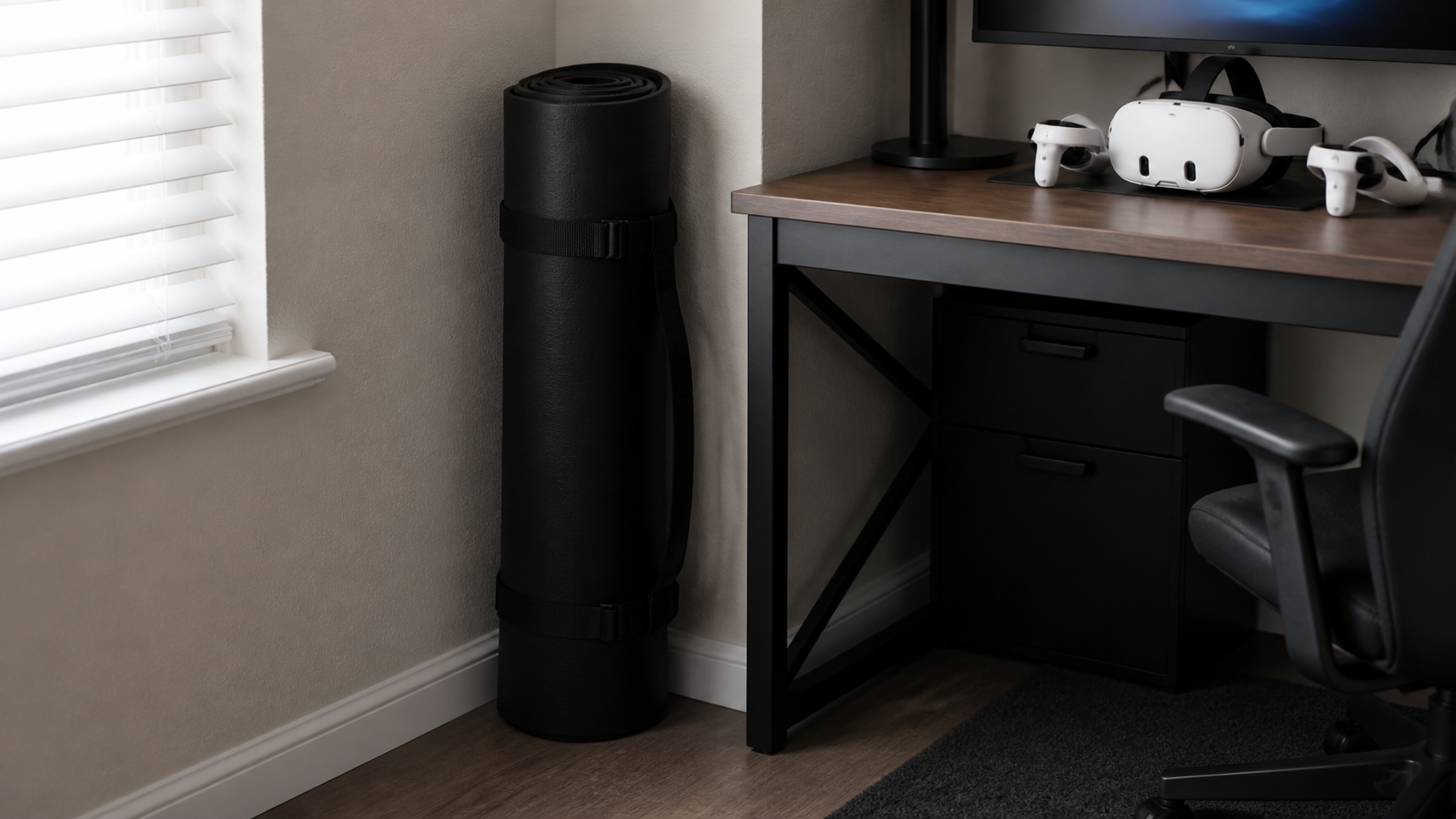
The first impression of a VR mat happens during gameplay, not before or after. For my friend, the benefit was not an abstract idea; it was a physical feeling of security. They didn't think, "Oh, this is a large object I'll have to store later." They thought, "Oh, I can feel the edge, so I can jump to the left without hitting the couch." This immediate feedback loop is the core value proposition. For me, I noticed the comfort on my feet within the first few minutes of a Beat Saber session. The annoyance of its bulk only came into play when the gaming session was over. I had to roll it up and find a spot for it. It's not heavy, but it is an object that occupies space. There is a warning here, though. The raised edge that is so helpful in VR can become a trip hazard when you're just walking through the room without a headset on. You have to be mindful of it.
Can VR Mat earn trust for trip hazards without proof such as a sound note for apartment players?
You live in an apartment and worry about your downstairs neighbors. You see claims about sound dampening but have no way to prove it. How can a simple mat earn your trust?
A VR mat earns trust for trip hazards through direct physical feedback, not marketing claims. For sound, it offers some dampening but isn't a magical solution. Its trust comes from managing expectations: it reduces impact noise, but won't make you silent.
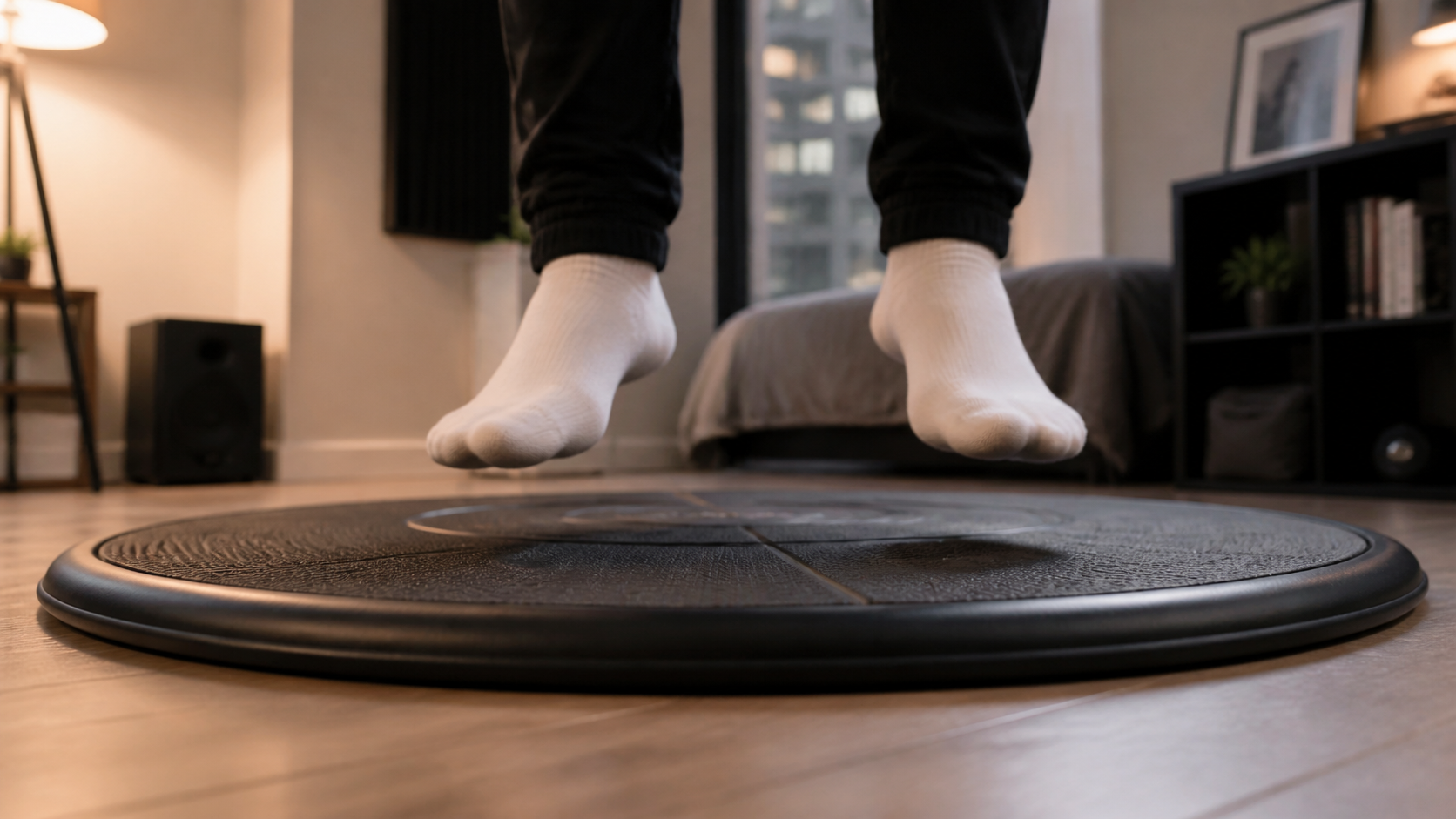
The mat builds trust in two different ways. For preventing trips and collisions, the proof is in the feeling. When your foot touches the raised edge, you get instant, undeniable information about your location. This is more reliable and intuitive than the Guardian boundary, which can sometimes be distracting. You trust it because you can physically feel it working. The sound-dampening aspect is more subjective. I live in a house with wood floors, and I could tell the mat muffled the thud of my feet when jumping. It turns a sharp "thump" into a duller "thud." It absolutely does not make you silent. If you are stomping and jumping aggressively in Gorilla Tag, your neighbors will still hear you. Trust here is earned by being realistic. The mat is a "be more considerate" tool, not a "be totally silent" tool. It helps, but it won’t solve major noise problems.
Conclusion
A VR mat is a fantastic safety tool for new players in active games. For veterans, it’s a solid comfort upgrade. It’s not essential, but it makes the experience better.
Leave a comment