



Does a VR Mat feel better than it performs in standing PCVR for Beat Saber Players?

Playing Beat Saber on a hard floor is noisy and hurts your feet. You want comfort and quiet, but will a mat mess up your high scores?
For Beat Saber, a VR mat feels comfortable and reduces noise, which is great. But its thick cushioning can make quick movements less stable. This creates a trade-off between long-session comfort and top-level performance, especially on expert-level songs that need perfect balance.
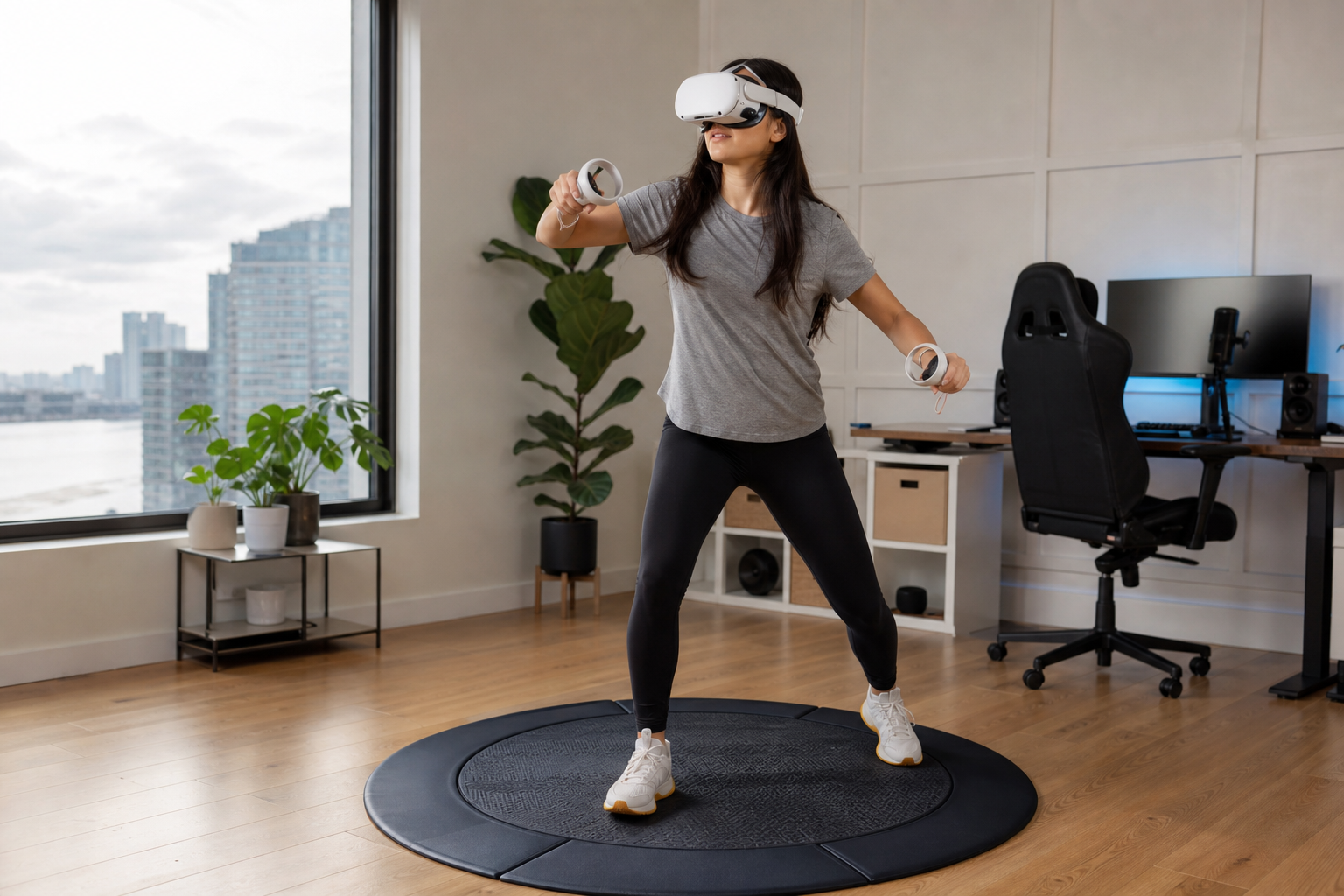
I was excited to try a VR mat. As a Beat Saber player living in an apartment, I had two big problems. First, my downstairs neighbors could probably hear every stomp and jump. Second, my feet and knees ached after an hour of play on my hardwood floor. A VR mat seemed like the perfect fix for both. It promised to absorb sound and provide soft cushioning. But I’m also serious about my scores. I was worried that something soft under my feet could make me less stable when I’m dodging walls and slashing blocks at high speed. The question wasn't just "Is it comfortable?" It was "Does the comfort hurt my actual gameplay?" I needed to find out if this accessory was a real upgrade or just a cozy distraction. This is my experience using one with my Quest 3 for PCVR Beat Saber.
In a shared headset, does VR Mat create a different thickness and cushioning problem after standing PCVR?
Sharing your Quest 3 is fun until your friend complains the mat feels weird. What feels good for you might feel like a wobbly mess for them.
Yes, a VR mat can cause problems in a shared setup. A player's weight changes how much the mat compresses. A lighter person might find it firm, while a heavier person finds it too soft. This inconsistency makes it hard for players to feel stable when switching.
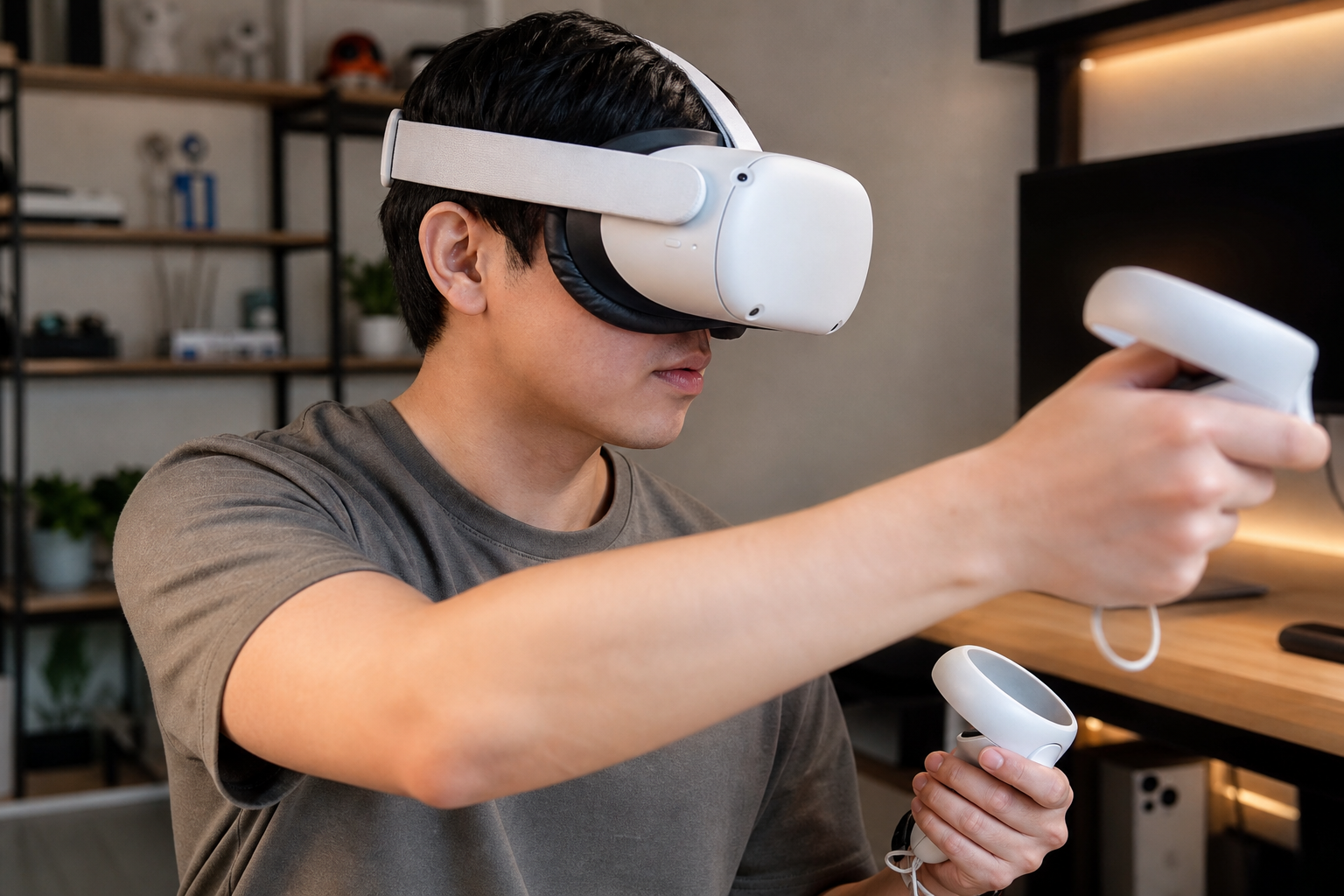
My partner and I both use the same Meta Quest 3 for our workouts, and Beat Saber is a favorite for both of us. I noticed the issue with the mat almost immediately. I weigh more than my partner, and when I stepped onto the mat, it felt soft and forgiving. It sank just enough to feel plush. But when she took her turn, she said it felt much firmer and less cushioned. The mat didn't compress as much under her weight, so she wasn't getting the same comfortable experience I was. This created a weird adjustment period every time we swapped the headset. I got used to the "squish," while she got used to a firmer surface. This difference in feel directly impacted our balance. I had to be careful not to lean too hard, while she felt she could be more aggressive with her movements.
User Weight vs. Mat Feel
| Player Profile | Perceived Cushioning | Impact on Balance |
|---|---|---|
| Heavier Player (My Experience) | Soft, noticeable compression | Less stable during fast side-steps |
| Lighter Player (Partner's Experience) | Firm, minimal compression | More stable, but less cushioning benefit |
This problem was on our apartment's wood floor. I can only imagine it would be worse on a carpet, where the extra give would amplify the difference between players.
Could thickness and cushioning be solved by setup changes before buying VR Mat?
You bought a VR mat, but it feels too wobbly for Beat Saber. Before you return it, maybe a few simple tweaks to your setup could fix the problem.
Partially, yes. The biggest setup change is your floor type. A VR mat on a plush carpet will feel much wobblier than on a hard floor like wood or tile. You can also try recalibrating your VR floor height, but this won't fix the unstable feeling underfoot.
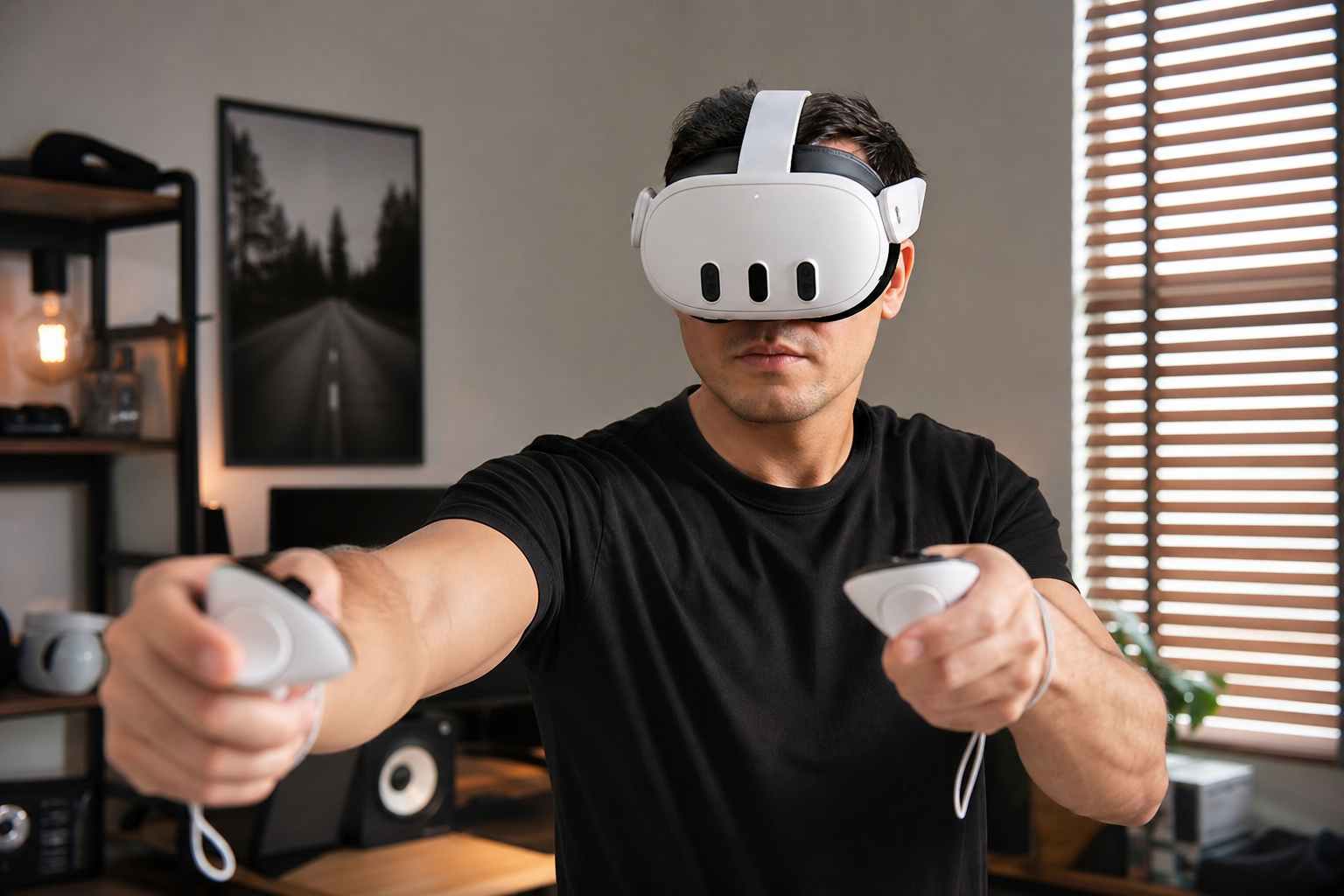
I decided to test this theory myself. My apartment has low-pile carpet in the bedroom and hardwood floors in the living room. I first tried the VR mat on the carpet. The experience was terrible for Beat Saber. The combination of the soft carpet and the thick mat felt like I was standing on a boat. Every quick move made me feel off-balance. I was missing easy blocks because my footing was so insecure. It was comfortable for standing still, but completely unusable for an active game.
Then, I moved the mat to the hardwood floor. The difference was huge. The mat felt much more stable and the cushioning was still there. It was a completely different product. This tells me that if you have thick carpets, a VR mat like this might not be for you unless you can put a solid board underneath it, which defeats the purpose of a simple accessory. I also tried resetting my Quest 3's floor level. This helped make sure the in-game floor matched the top of the mat, so I wasn't reaching too low for blocks. But it did nothing to solve the core physical problem of instability. Your floor is the most important factor.
Does thickness and cushioning appear immediately or only after the player relaxes into the session?
You step onto the mat and it feels amazing. But after a few songs, your score starts dropping. Is it fatigue, or is the mat's cushioning starting to work against you?
The comfort is immediate, but the negative effects on balance only appear after you warm up and relax. At first, you stand rigidly. As you get into the game and move more fluidly, the mat's softness starts to interfere with your quick, precise weight shifts.
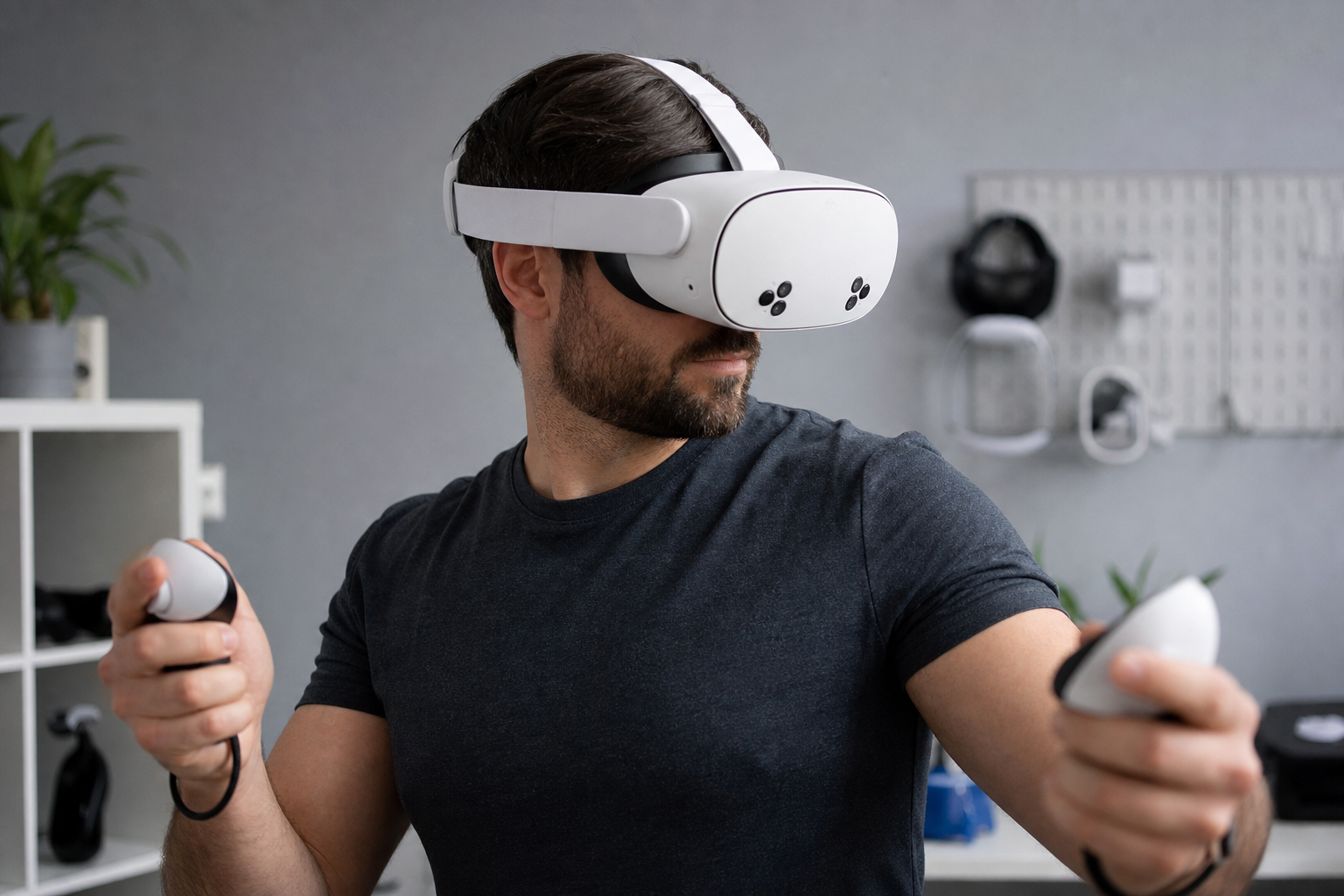
During my first session on the mat, the initial five to ten minutes felt like a dream. My feet were happy, the impact felt softer, and I was less conscious of the noise I was making. I played a few mid-tempo songs and everything was great. The mat's center bump and texture also helped me stay oriented without thinking about it.
Then I loaded up a fast, complex map that required a lot of dodging and wide swings. As I got into the rhythm, my body relaxed. My movements became bigger and faster. This is when I started to feel the "squish" of the mat working against me. When I needed to quickly shift my weight to the left to dodge a wall, the foam would compress under my foot for a split second before I could push off. This tiny delay was enough to throw off my timing. It's a subtle feeling, but in a game where milliseconds matter, it's a big deal. The problem isn't there when you are tense and making small, controlled movements. It only shows up when you are in the flow state, and that’s exactly when you don’t want a new variable messing you up.
Should VR Mat be recommended for standing PCVR only if users accept thicker cushioning versus balance feel?
So, is the mat a good buy or not? The comfort is real, but so is the hit to your balance. You need to know if it's right for your play style.
Yes, a VR mat should be recommended mainly to players who value joint comfort and noise reduction more than peak competitive performance. If your goal is to play for hours without sore feet, it's a great tool. If your goal is to top the leaderboards, the balance trade-off is a problem.
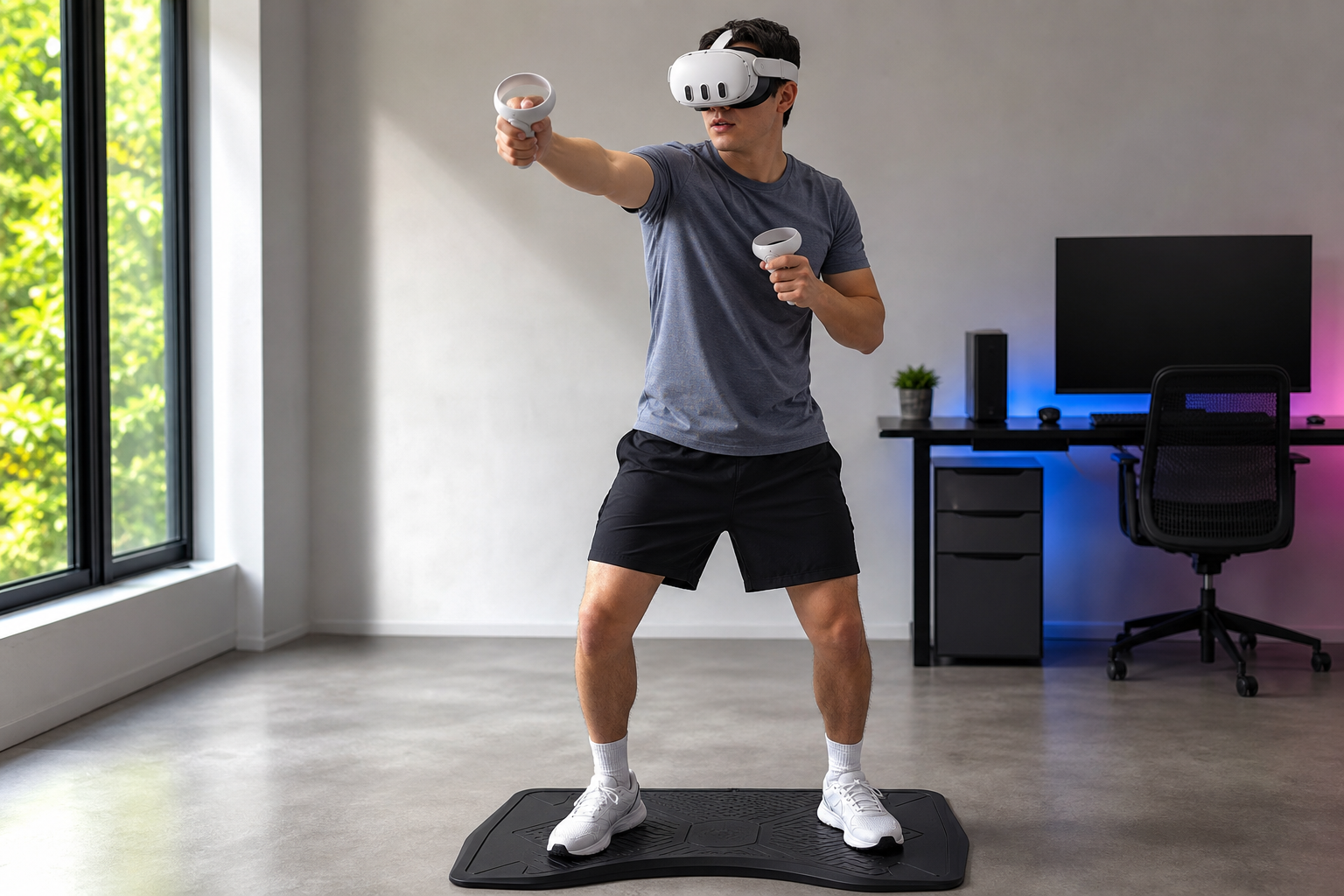
After using the mat for a few weeks, I have a clear idea of who should and shouldn't buy it. This isn't a simple "it's good" or "it's bad" accessory. It's a tool with specific pros and cons. The thick cushioning is fantastic for reducing the strain on my knees and feet. I can play for much longer before feeling any physical fatigue. It also definitely quiets my movements, which is a huge plus in an apartment building. The center locator bump is also genuinely useful for staying in my play space.
However, the balance issue is undeniable for high-level Beat Saber. That slight instability from the foam compression is a real performance killer on Expert+ tracks. It introduces a small amount of unpredictability to your footing that just isn't there on a solid floor. My final verdict is this: if you are a casual player, use VR for fitness, or play games that don't require rapid, precise footwork, this mat is an excellent comfort upgrade. But if you are a competitive Beat Saber player trying to get Full Combo on the hardest songs, you should probably skip it. I now use my mat for warm-ups and for other VR games, but I slide it out of the way when I’m ready to chase a new high score.
Conclusion
A VR mat is a trade-off. It provides excellent comfort and noise reduction but can sacrifice the balance needed for high-level rhythm games. Your choice depends on your personal priorities.
Leave a comment