



Does a Quest Battery Pack fix charging speed without slowing down normal controls?

Your headset is dying mid-game, and passing it to a family member is a constant hassle. A dedicated battery pack seems like the perfect, simple fix for more playtime.
Yes, the official Quest Battery Pack keeps the headset charged during play without affecting controls. It offers a simple plug-and-play solution that works well, but it's a trade-off. For experienced players with hot-swap systems, it can disrupt balance and offers less flexibility than multiple batteries.
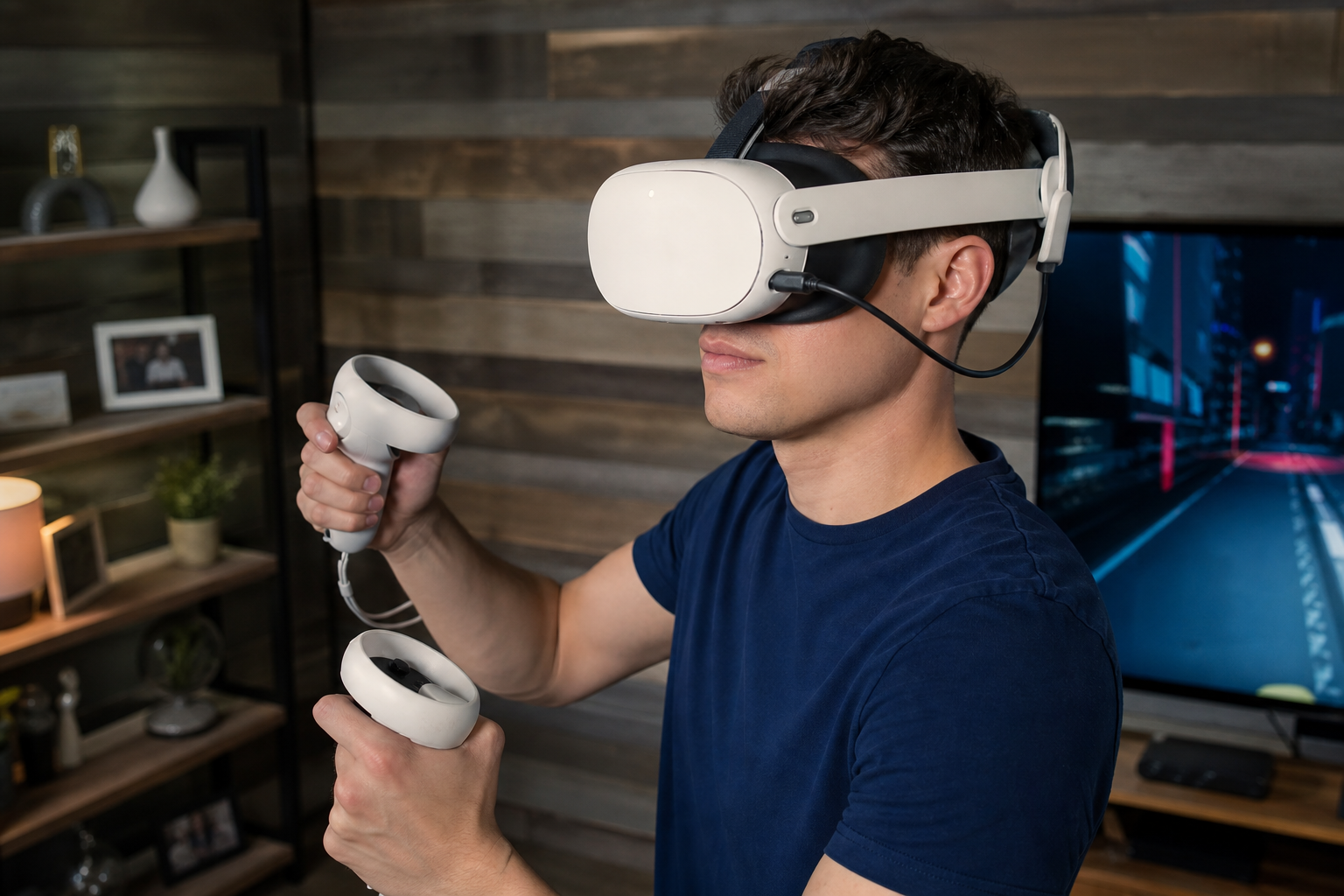
I'm a daily VR user. My family and I share our Quest 3, so battery life is a constant conversation. I've been using a third-party head strap with hot-swappable batteries for a while. It gives us nearly endless playtime. But the process can be clunky. Swapping batteries, making sure they are charged, it's another thing to manage. I wanted to know if the official Battery Pack was a cleaner, simpler solution. Could it replace my trusted hot-swap system? I decided to put it through a real-world test, focusing on the things that matter to a power user: charging speed during play, heat, and overall comfort. This is what I found.
Does Quest Battery Pack still help when play while charging and check heat at 30-minute intervals?
You're deep in a game, but your headset gets hot when plugged in. This heat can be uncomfortable and might even slow things down. I tested this pack to see.
Yes, the battery pack maintains the headset's charge during gameplay without getting too hot. I played for 90 minutes straight, and the headset's battery level actually went up slightly. The unit got warm, but it was manageable and didn't impact performance or comfort on my face.
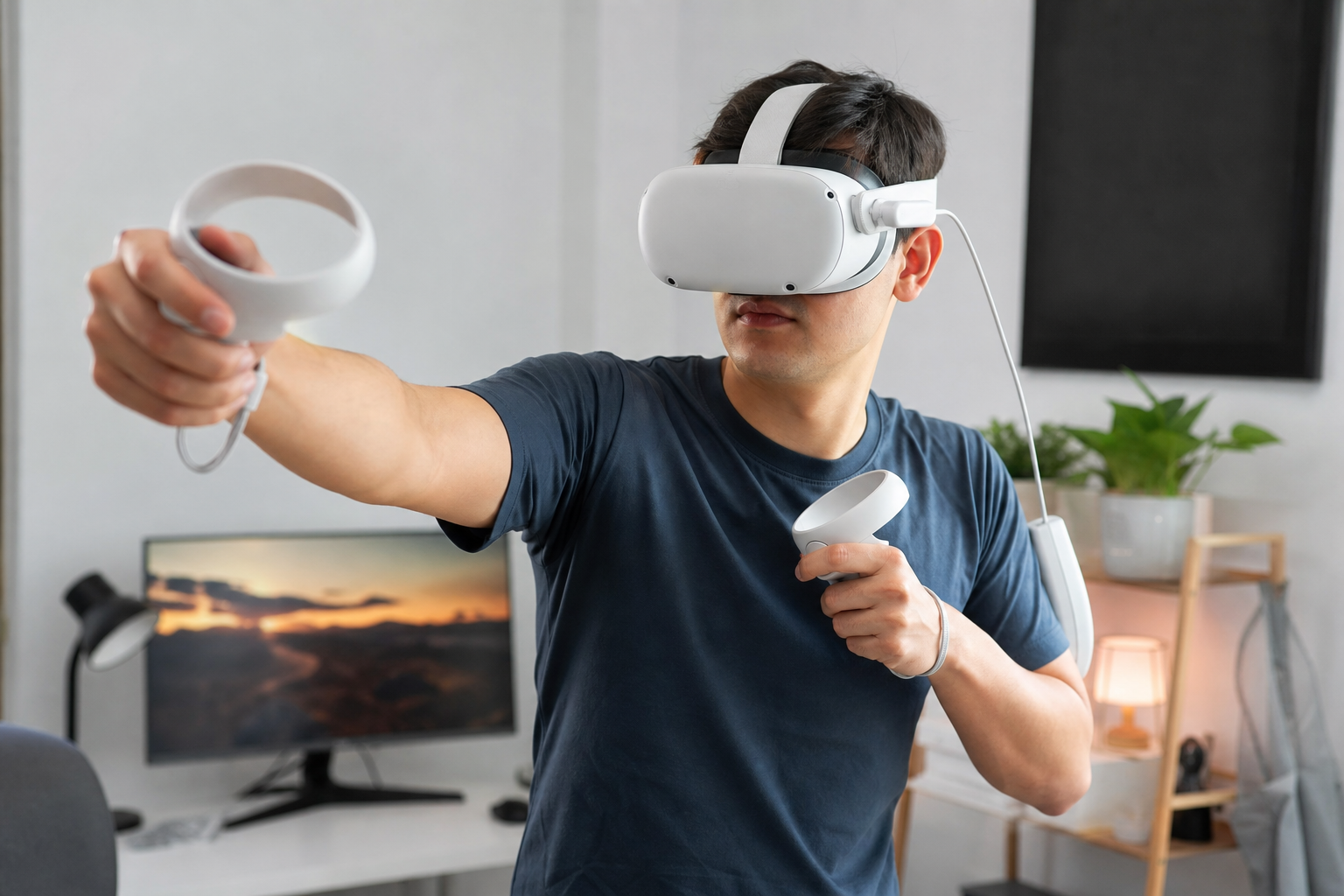
My biggest concern with any play-and-charge solution is heat. Too much heat can degrade the internal battery over time and make the headset uncomfortable to wear. I wanted to get some concrete proof, not just a feeling. So, I ran a 90-minute test session in a moderately demanding game. I started with the Quest 3 at 50% battery and plugged in the fully charged Battery Pack. I checked the temperature by hand and noted the battery percentage every 30 minutes.
Heat and Charging Test Results
| Time | Headset Battery % | Heat Note |
|---|---|---|
| Start (0 Mins) | 50% | Cool |
| 30 Mins | 52% | Slightly warm on the front plate. |
| 60 Mins | 54% | Warm, but not uncomfortable. Heat is focused away from my face. |
| 90 Mins | 55% | Very warm to the touch on the front, but performance is stable. |
The pack performed well. It not only stopped the battery from draining but slowly recharged it. The heat was noticeable, but it was concentrated on the front of the headset. This is a big plus. It kept the heat away from my cheeks and forehead, so I barely felt it during gameplay. It was a much better experience than using a long cable connected to a wall outlet, which tends to heat the whole device more evenly.
Would a beginner notice charging speed sooner than an experienced daily use player?
New users just want to play without the battery dying unexpectedly. They get frustrated easily and might not know about advanced solutions. This pack seems aimed at them.
Yes, a beginner will see the benefit immediately. They likely use the standard strap and have no other battery solution. This pack is a simple, plug-and-play upgrade that doubles their playtime. An experienced user is more critical of balance, weight, and integration with other accessories.
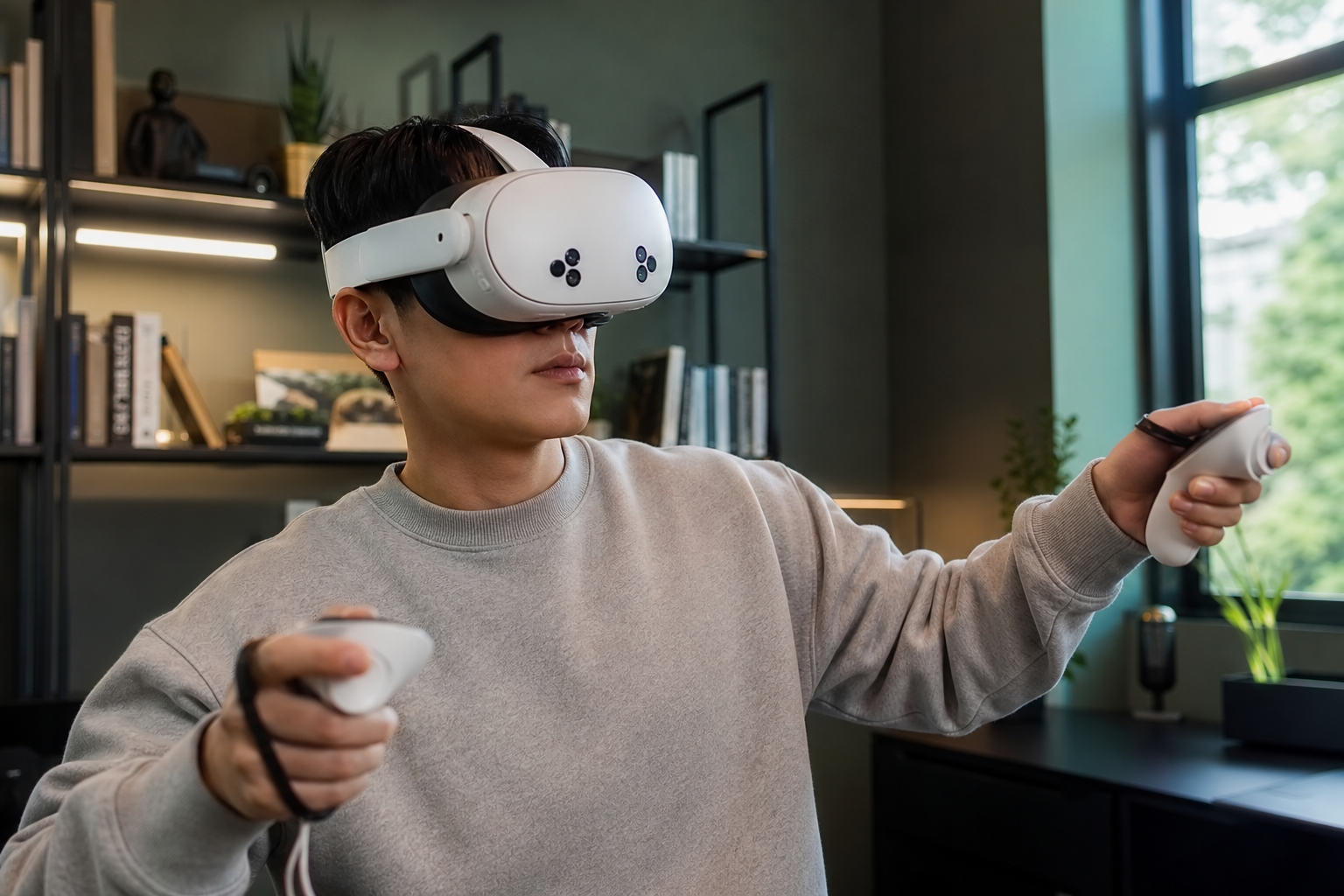
A beginner's relationship with VR is very different from mine. A new user is still amazed by the technology. Their main pain point is simple: "My headset died." They are not thinking about counterbalance, neck strain, or hot-swapping. They use the cloth strap that came in the box. For them, the Quest Battery Pack is a magical fix. They plug it in, and suddenly they can finish that game or watch that movie without a low-battery warning. The value is clear and immediate. There is no learning curve. It just works.
My perspective is completely different. As a daily player, I've already solved the battery problem with my hot-swap system. My focus is now on optimizing comfort and efficiency. I ask different questions. How does this new weight affect the headset's balance? Is it more or less comfortable than my current battery mount? Does the charging cable get in the way? I am comparing it to a highly customized setup, while a beginner is comparing it to nothing. They will notice the extra playtime instantly, while I notice the subtle changes in ergonomics first.
Does the product solve the pain for hot-swap users, or only for a narrower user type?
Hot-swap systems give you endless power but require you to manage multiple batteries. It can be a hassle. Could this pack be a cleaner, all-in-one solution?
This product does not solve the core pain for dedicated hot-swap users. It's designed for a different need. The pack is perfect for someone who wants one long, uninterrupted 3-4 hour session. A hot-swap user needs a system that can run all day for multiple people.
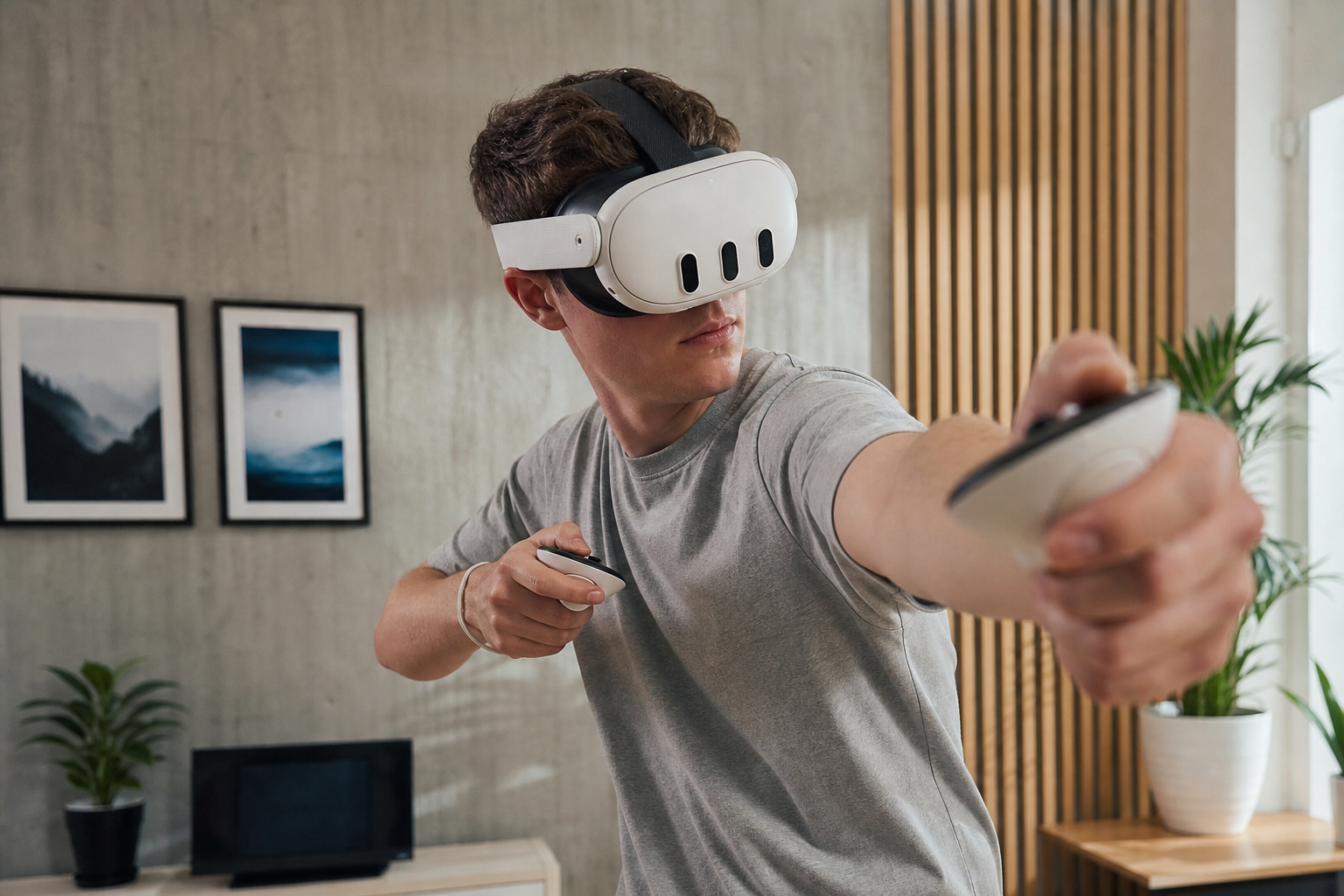
This is where the Battery Pack felt like a step backward for me. My current setup involves two batteries and a charging dock. When the headset gets low, I grab a fully charged battery and swap it in about 15 seconds. The headset never has to be tethered for charging. This is crucial in our household, where someone might want to jump in right after I'm done. There is always a fresh battery ready to go. This system provides true, unlimited playtime with minimal downtime.
The official Battery Pack offers a different kind of convenience. It's the convenience of simplicity. You attach it once and get one extended play session. But when the pack is empty, your session is over. You then have to charge the pack and the headset. It doesn't allow for the continuous, round-the-clock use that a hot-swap system enables. For me, managing a single integrated pack that needs downtime felt more restrictive than swapping out standalone batteries. It solves the problem for a single user's long session, but not for a family of users sharing one device all day.
Should hot-swap users try adjusting rear weight and neck comfort before buying Quest Battery Pack?
Adding any weight to a headset changes how it feels. If you're used to a specific balance, a new accessory can ruin your comfort and cause neck strain.
Yes, absolutely. Hot-swap users should perfect their current comfort setup before even considering this pack. Your existing system is already a counterbalance. Adding the pack can throw off that balance. Fine-tuning your strap fit is a better investment of time than adding more weight.
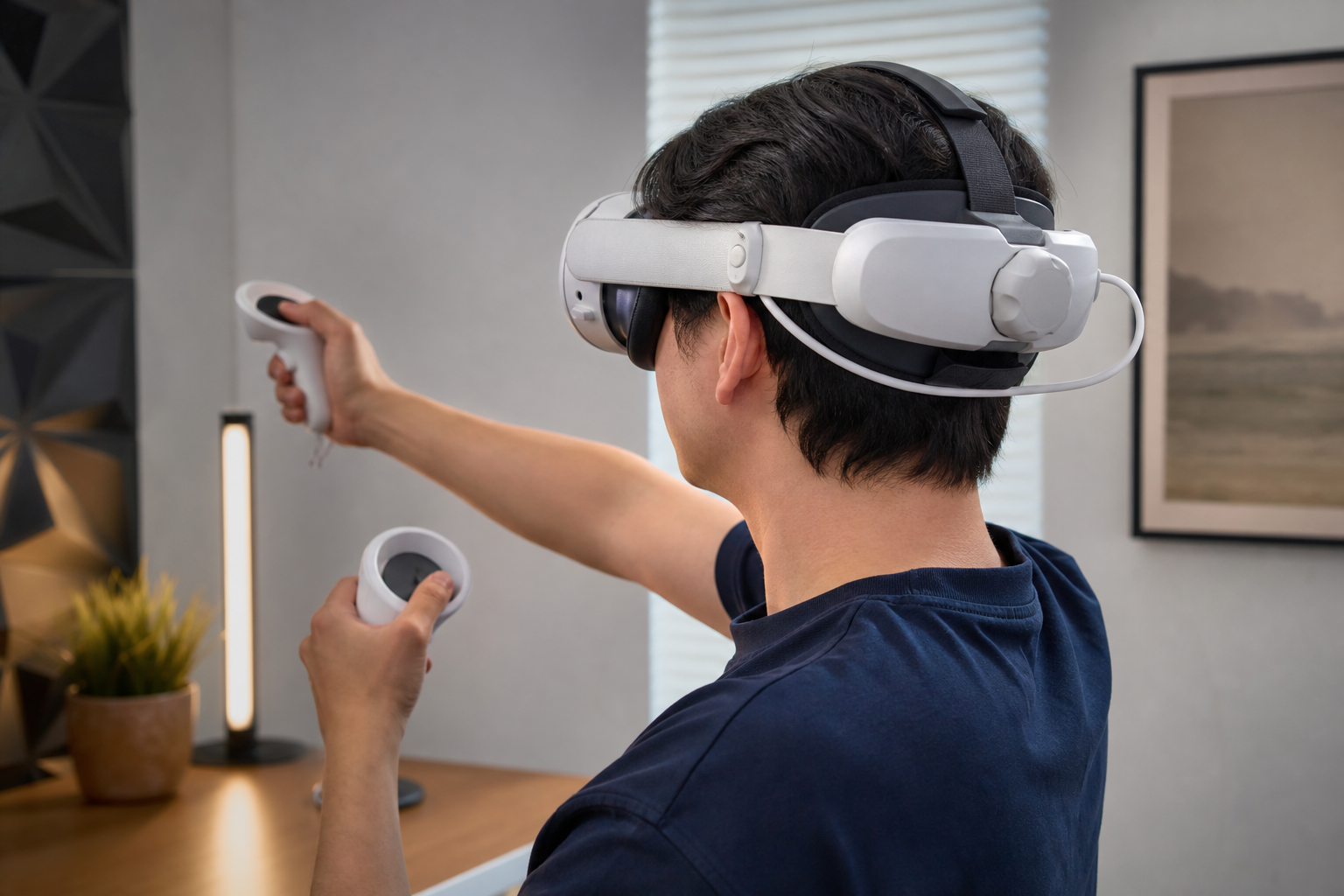
Comfort in VR is all about balance. The main job of a good third-party head strap is to shift the headset's front-heavy weight to the back of your head. My current hot-swap battery is a key part of that system. It acts as a perfect counterweight, lifting the pressure off my face. I've spent a lot of time adjusting the straps to find the perfect center of gravity. My setup is stable and comfortable for hours.
When I added the official Battery Pack, it disrupted this delicate balance. It clips onto the lower part of the strap, adding weight in a new spot. This created a slight downward pull that I wasn't used to. It wasn't painful, but it was annoying. It made me realize that for an experienced user, comfort is more important than a little extra battery life. If you already have a comfortable, counter-balanced system, my advice is to stick with it. Don't add another variable. If you feel any strain, try adjusting the top strap or moving your current battery mount slightly. Optimizing what you already have will give you better results than adding a product that wasn't designed for your specific setup.
Conclusion
The Quest Battery Pack is a great accessory for beginners. For hot-swap power users, however, perfecting your existing setup offers better comfort and unlimited playtime.
Leave a comment