



Do Quest Touch Plus Controllers users need a different VR Controller Grips setup for throwing games?

Worried about dropping your controllers during an intense VR game? One slip, and it could be game over for your expensive gear. We tested if grips are the answer.
For throwing games, VR controller grips are a huge confidence booster, especially for sweaty hands. The biggest downside is their incompatibility with most charging docks. This forces a choice between the convenience of charging and the security of a better grip during intense gameplay.
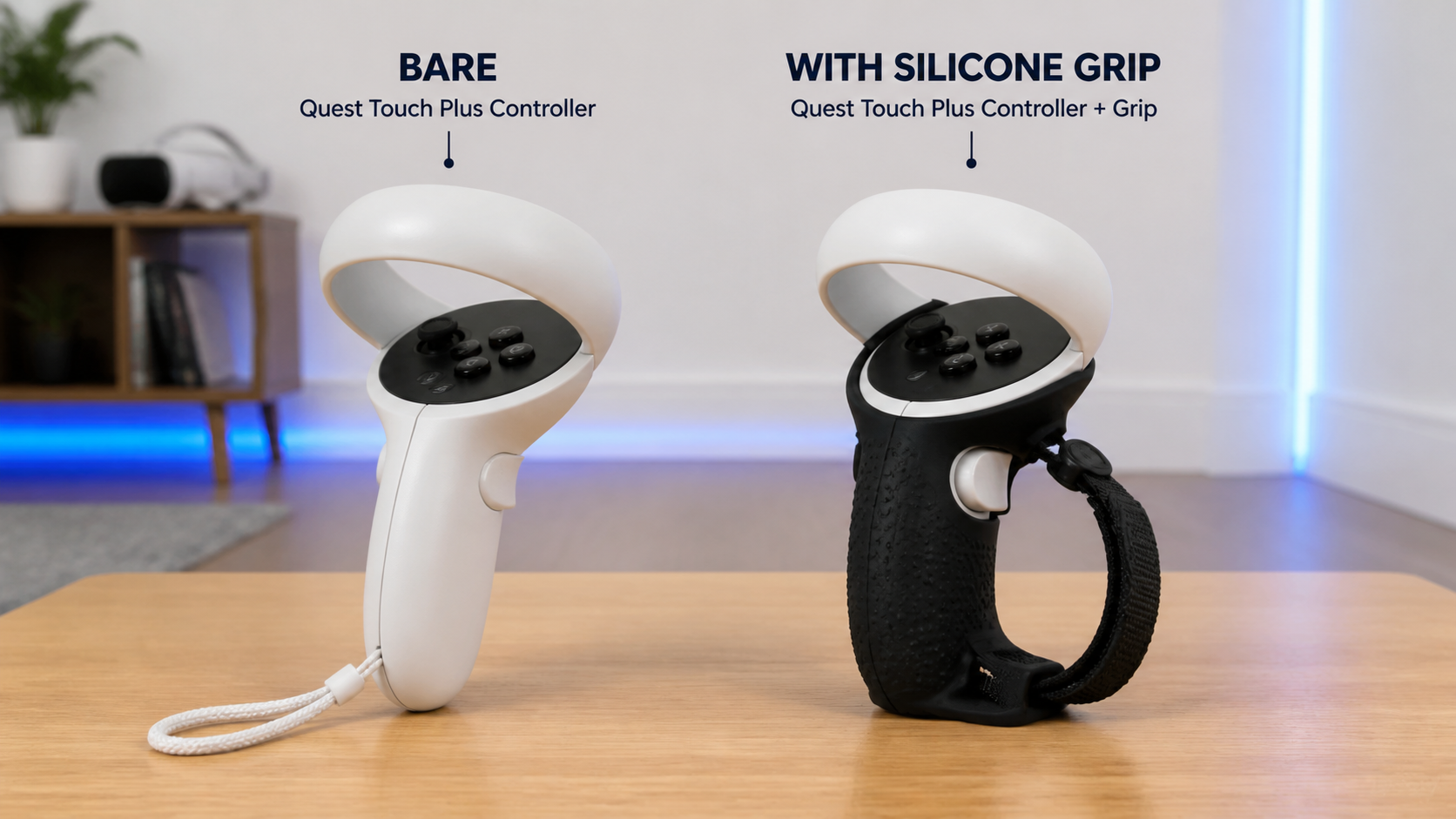
When we first got our Quest, we were excited to jump into active games. But that excitement quickly turned into a little bit of fear. During games with throwing motions, like baseball or bowling, the smooth plastic of the Touch Plus controllers felt like it could fly out of our hands at any moment. This is what led us to try out a set of controller grips. We wanted to see if they could solve this problem for our family. The real question we had was whether the benefits would outweigh the daily annoyances. We decided to document our experience to help other families make the right choice.
Does throwing games make sweat confidence versus charging-dock conflict worth accepting?
Are you tired of taking your grips off every single time you need to charge? This daily hassle makes you question if the extra grip is even worth it.
For us, the confidence boost during sweaty games was worth the charging annoyance. But the conflict is real. Grips that block the charging dock add a major friction point to daily use, something you feel every single time you finish playing.
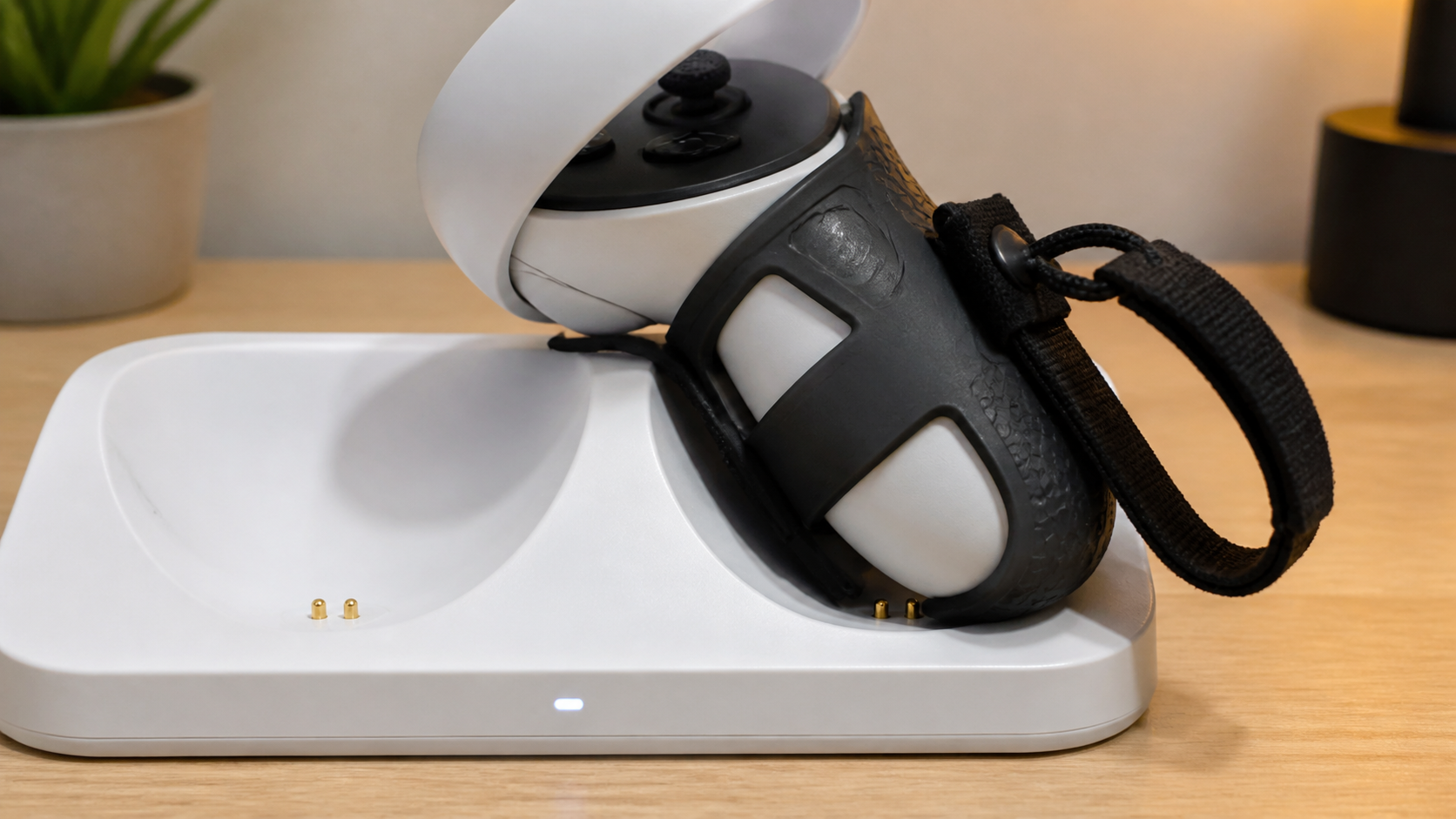
The first time I used the grips in a throwing game, the difference was immediate. My hand felt locked in. I could throw a virtual baseball with full force and not worry about the controller slipping. The sweat from a workout session was no longer a problem. This added confidence was a game-changer. But the honeymoon phase ended the first time I tried to put the controllers back on the charging dock. They just would not fit. The extra silicone bulk completely blocked the charging contacts.
The Daily Charging Problem
This became a new routine. After every play session, we had to peel the silicone grips off the controllers before we could charge them. Then, we had to remember to put them back on before the next session. It does not sound like a big deal, but it adds a frustrating step to what should be a simple process. It felt like a design flaw that turned a seamless experience into a clumsy one.
The Confidence Trade-off
We laid out the pros and cons to decide if we could live with it. The table below shows our family's experience.
| Feature | Bare Controller Experience | Controller with Grip Experience |
|---|---|---|
| Charging | Simple. Just drop it in the dock. | Annoying. Must remove the grip to charge. |
| Sweat Grip | Slippery and insecure when hands get sweaty. | Excellent. Feels secure even during intense workouts. |
| Drop Anxiety | High. Always worried about it flying out of my hand. | Low. The knuckle strap provides total peace of mind. |
In the end, the sheer confidence we gained during active games won. We decided that the two minutes it took to remove and reinstall the grips was a small price to pay for not launching a controller across the living room.
Does a longer throwing games session on Quest Touch Plus Controllers change the first impression?
Your new grips feel amazing for the first ten minutes. But after an hour of intense gaming, that initial comfort can start to feel like an annoying pressure point.
Yes, a longer session completely changes the feel. A great grip seems to disappear on your hand, becoming a natural extension. A poorly designed one becomes more and more noticeable, causing irritation on the knuckles or hand fatigue from the extra weight and bulk.
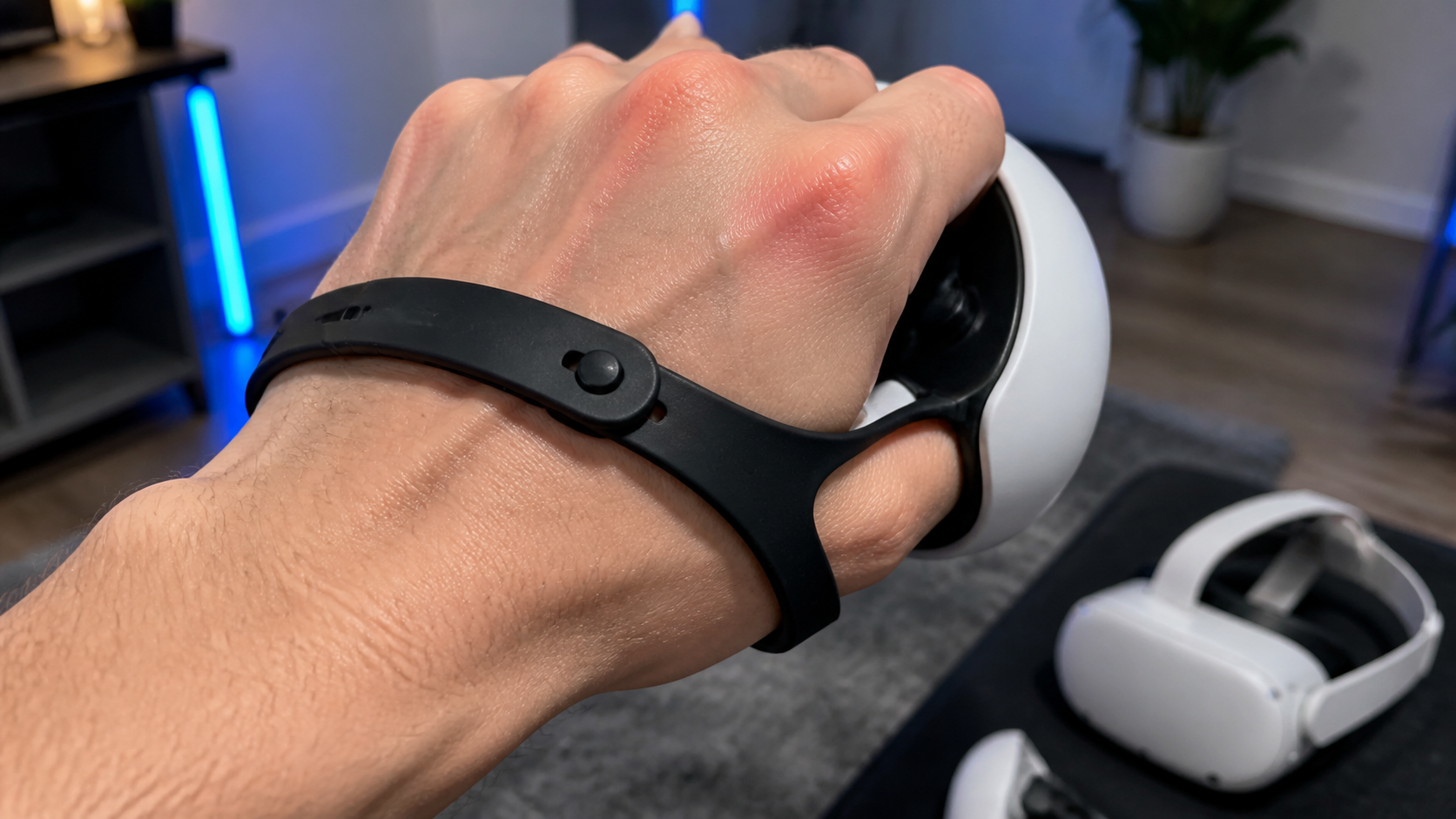
My first impression of the grips was pure positivity. They felt soft, secure, and comfortable. I jumped into a long session of Beat Saber, followed by some throwing challenges. About 45 minutes in, I started to notice the knuckle strap. It wasn't painful, but I could feel it pressing against the back of my hand. The extra weight, while small, also became more apparent. My hands felt a little more tired than they usually would after a similar session with bare controllers.
This is a critical point that many short reviews miss. An accessory can feel perfect for a short demo but reveal its flaws during a real, lengthy play session. The silicone material also attracted a bit of dust and got a little sticky with sweat, which required wiping it down afterward. With the bare controllers, I would just wipe the plastic, but the textured grip needed a bit more attention. For me, the security was still worth it, but the illusion of perfect comfort was gone. It reminded me that every accessory is a trade-off. You gain grip and security, but you might lose a bit of the lightweight, balanced feel of the original controller design.
Would families care more about safety than immersion here?
You are in the other room and hear a loud crash. Your first thought is that one of the kids launched a controller into the TV. That fear is constant.
Absolutely. For families sharing a VR headset, safety trumps everything. Preventing a costly accident from a flying controller is far more important than any minor loss of immersion from a bulky grip. The peace of mind is priceless.
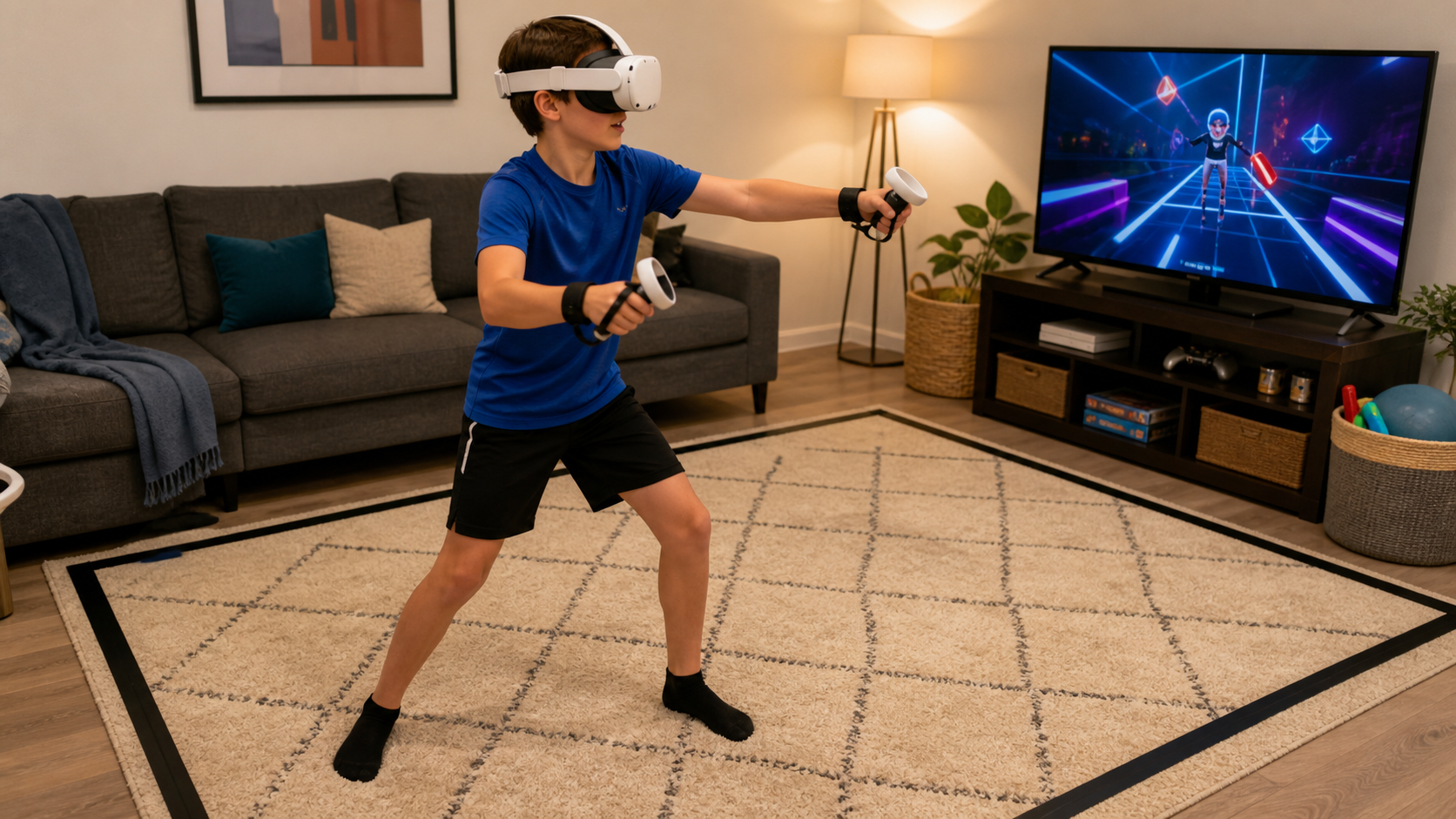
As a parent, my biggest concern with VR is accidents. The standard wrist straps that come with the Quest are okay, but my kids often forget to use them or don't tighten them properly. I have had a few heart-stopping moments watching a controller slip from their grasp during a frantic game. This is where controller grips with built-in knuckle straps are a lifesaver.
The knuckle strap keeps the controller physically attached to the hand, even if the child completely lets go. This single feature is, in my opinion, the number one reason for a family to get controller grips. It almost completely eliminates the risk of a controller becoming a projectile. Yes, the grips add a little bulk. An adult gamer might feel this takes away from the feeling of holding a real object. But for a parent, that is an easy trade. I would much rather my kids have a slightly less immersive but infinitely safer experience. The cost of a new controller, or even a new TV, is far greater than the cost of a set of grips. For any household with kids or even just clumsy adults, the safety aspect is the main selling point.
Should families try adjusting sweat grip during active games before buying VR Controller Grips?
Your hands get sweaty and the controller feels like a wet bar of soap. Before you spend money on an accessory, is there a simple fix you can try first?
Yes, you should definitely experiment with your grip and the included wrist straps before buying anything. Consciously tightening the strap and adjusting how you hold the controller can sometimes solve the problem without spending any money. This helps you know if you need grips.
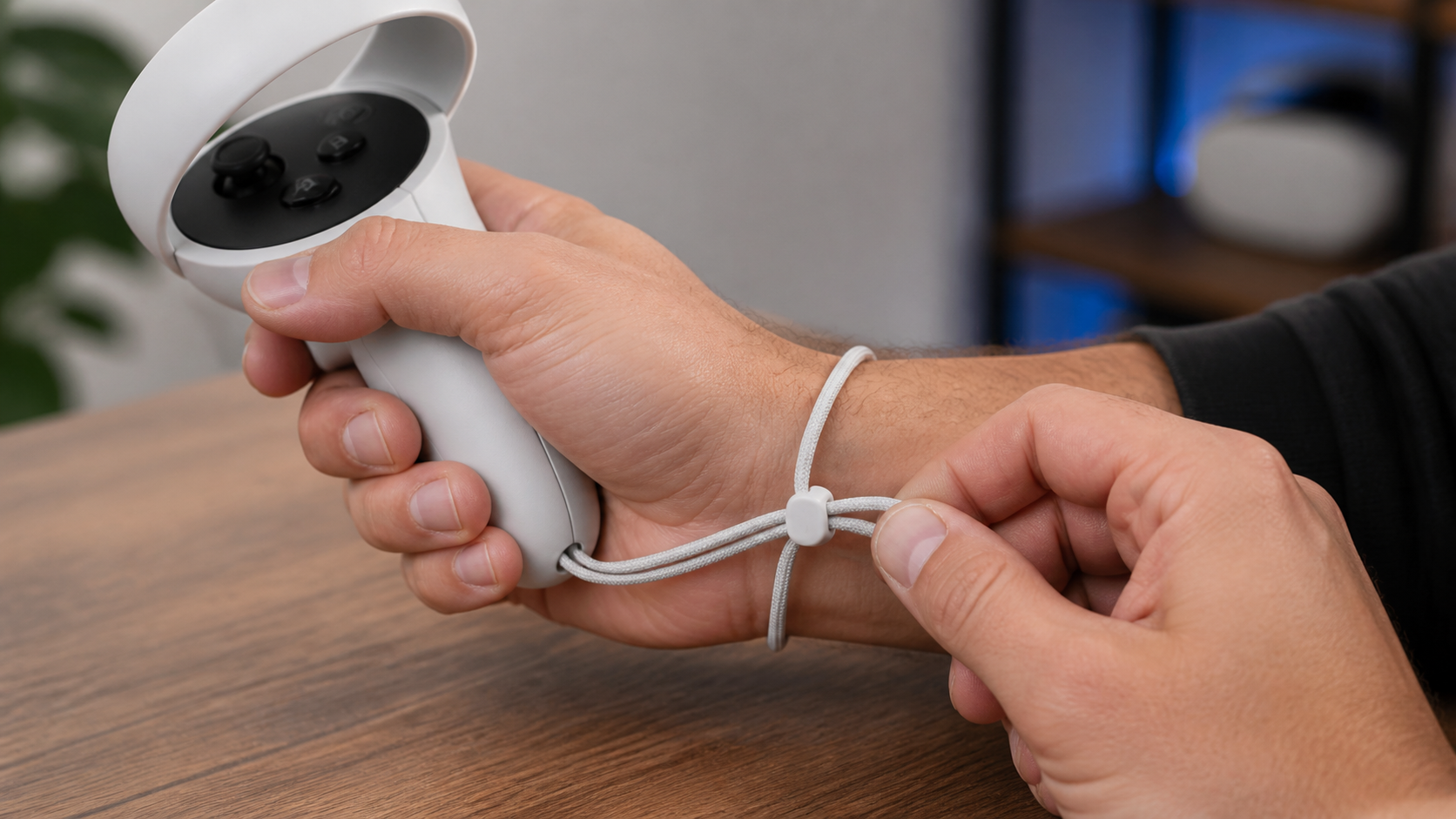
Before we committed to using the grips full-time, we ran a little experiment. We decided to play for 30 minutes using just the bare controllers, but with one key difference. We made a conscious effort to properly use the wrist straps. We made sure they were snug around our wrists before starting. During the game, we paid attention to how we were holding the controllers. Were we gripping them too tightly out of fear, making our hands sweat more?
This simple test was very revealing. We found that a properly tightened wrist strap provided a good amount of security on its own. It stopped the controller from flying away, even if our grip slipped a little. However, it did not solve the problem of the controller feeling slick with sweat. The plastic surface still felt slippery during intense moments. This test helped us confirm our real problem: it was not just about the fear of dropping it, but the uncomfortable and insecure feeling of a sweaty grip. So, while we recommend everyone try this "free" solution first, it also solidified our decision that for our family's active play style, the textured surface of a silicone grip was a necessary upgrade.
Conclusion
Controller grips offer fantastic security for throwing games but create a real charging hassle. Try adjusting your own grip first, then decide if the safety trade-off is worth it.
Leave a comment