



Do Meta Quest 3 owners need a different VR Sweat Mask setup for Thrill of the Fight?

Sweat dripping into your eyes is a surefire way to ruin an intense VR workout. It's frustrating to pause your game, especially when you're in the zone.
Yes, Meta Quest 3 owners may need a different VR sweat mask setup for a game like Thrill of the Fight. The mask helps manage sweat but can change the headset's fit and fogging behavior, making it a trade-off between sweat absorption and visual clarity during intense sessions.
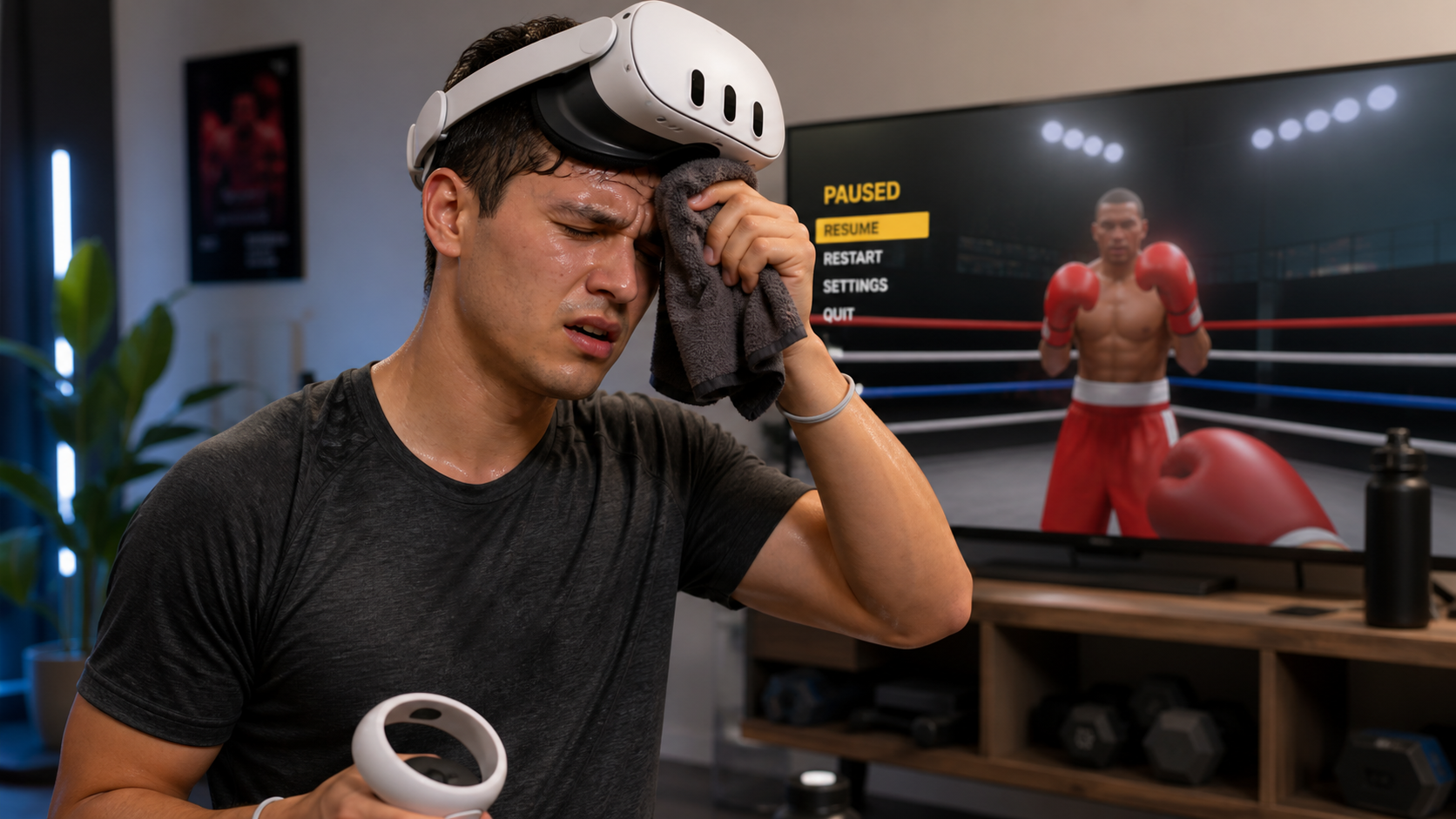
I'm a big Beat Saber player, so I know how much sweat can build up during a long session. I decided to put a generic VR sweat mask to the test with my Meta Quest 3. But I didn't just stick to rhythm games. I jumped into Thrill of the Fight, a boxing game that gets my heart rate up even faster. I wanted to see if this simple accessory could solve the sweat problem or if it would just create new ones. I documented my entire experience, from lens fog to overall comfort, to give you a real user's perspective. Follow along as I break down whether a sweat mask is a must-have or a hard pass for serious VR fitness.
Does VR Sweat Mask still help when test whether fog appears sooner or later than usual?
Foggy lenses can stop a great VR session cold. You constantly have to stop and wipe them clean, breaking your focus and immersion. Is a sweat mask the solution?
In my test, the VR sweat mask made my lenses fog up a little faster. It did a great job absorbing sweat, but the extra fabric layer seemed to trap warm air near the lenses, causing fog to appear sooner during a Thrill of the Fight match.
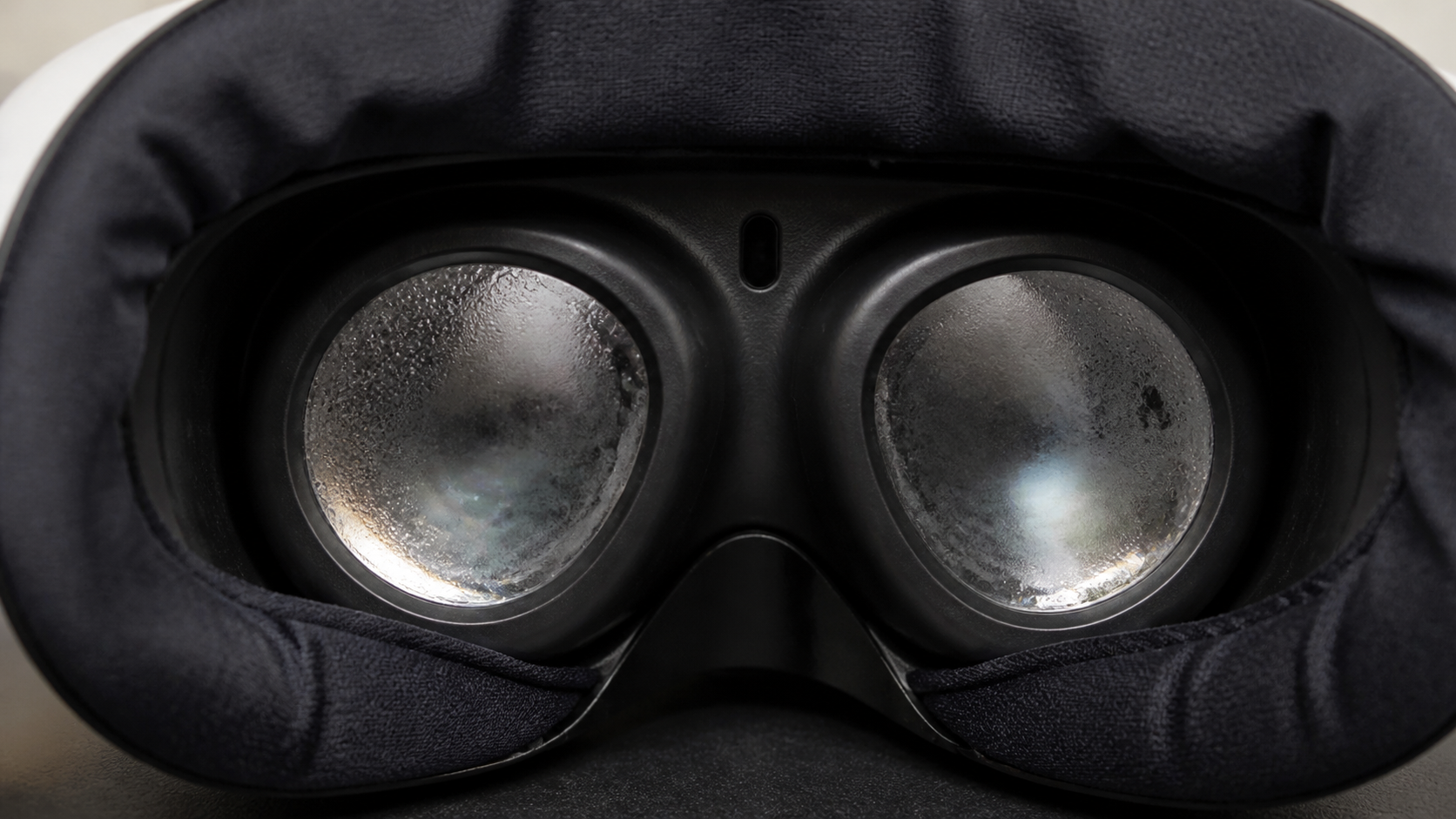
I wanted to get some real data on this, not just a gut feeling. So I set up a simple test. I played a 15-minute session of Thrill of the Fight twice. First, I played with the sweat mask on. Second, I played without it, using only the standard Quest 3 facial interface. I checked for lens fog every five minutes. The results were interesting and showed a clear trade-off.
Fogging Test: Mask vs. No Mask
The mask caused fog to appear within the first five minutes. It wasn't terrible, but it was noticeable. Without the mask, the lenses stayed clear for about ten minutes before any fog showed up.
| Time into Session | Fogging with VR Sweat Mask | Fogging without VR Sweat Mask |
|---|---|---|
| 5 Minutes | Light fog on lens edges | No fog |
| 10 Minutes | Moderate fog, needed a quick wipe | Light fog starting to appear |
| 15 Minutes | Fog cleared, but sweat was managed | Fog and sweat dripping became an issue |
My Takeaway
For a beginner, that initial fog with the mask could be really annoying. It feels like the accessory is making the problem worse. But for an experienced player, it's a different story. I know how to slightly lift the headset for a second to let air circulate and clear the fog. After that initial period, the mask was great because it kept sweat from dripping onto the lenses, which is a much harder problem to fix mid-game. So, you trade early fog for better long-term sweat management.
Does a post-workout pad comparison photo prove enough for Meta Quest 3 owners?
It's hard to believe how much a small piece of fabric can help. Without seeing the evidence, a sweat mask just seems like another gimmick. But what if a picture could show the truth?
Yes, a post-workout photo comparison is very convincing for Meta Quest 3 owners. Seeing the sweat mask completely soaked while the headset's own foam pad remains almost dry is powerful visual proof of its effectiveness. It shows exactly where all the sweat went.
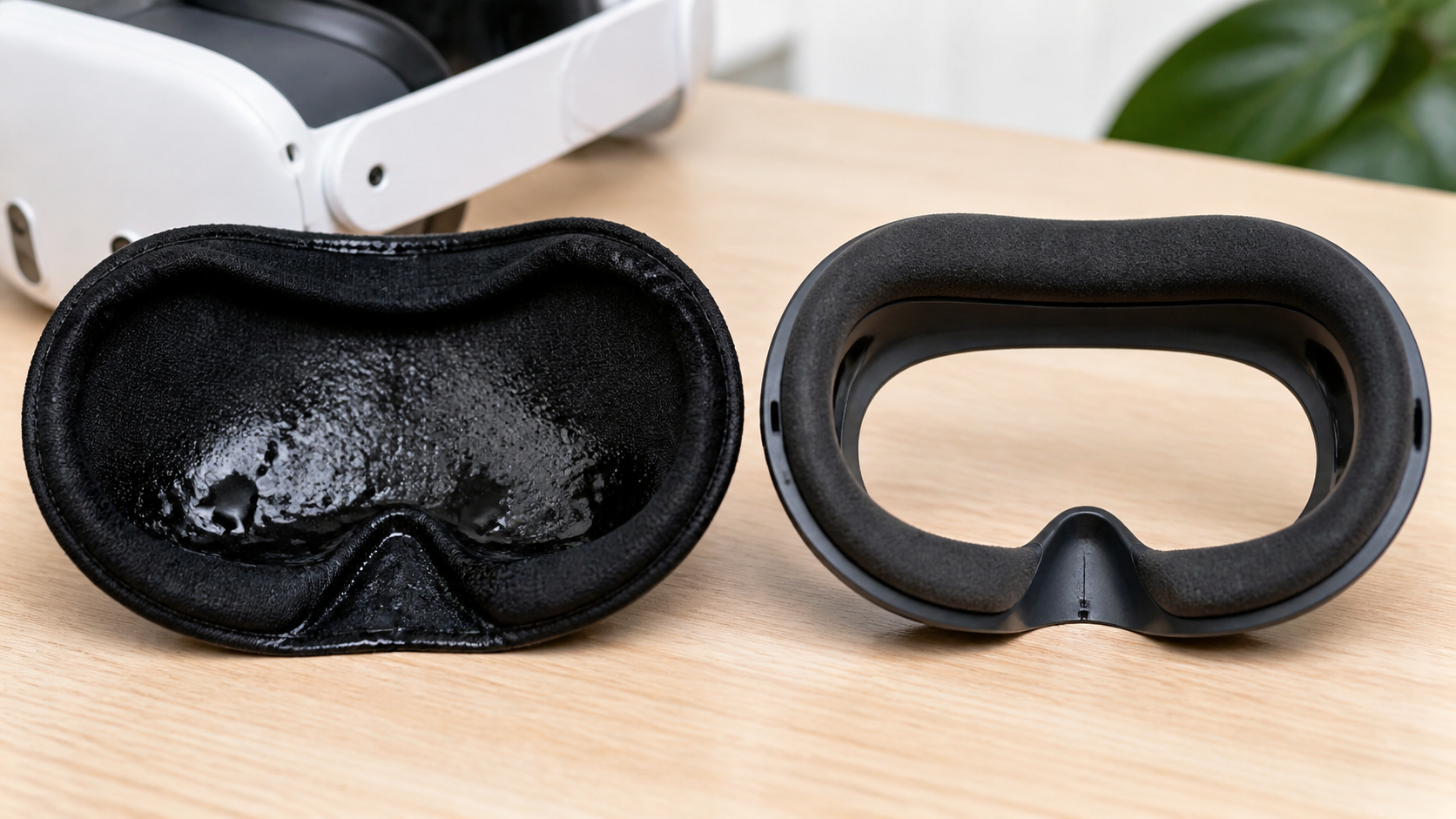
I honestly wasn't sure the mask would make a huge difference. I expected the stock fabric interface on the Quest 3 to get soaked anyway. After my 30-minute boxing workout, I took off the headset and laid the two parts side-by-side. The visual was shocking. The black sweat mask was dark with moisture and felt heavy. I could have probably wrung sweat out of it.
But the Quest 3's facial interface was a different story. It was barely damp to the touch. The sweat that would have normally soaked into the foam, making it gross and smelly over time, was almost entirely captured by the mask. This is a game-changer, especially if you share your headset with friends or family. Instead of handing them a damp, nasty headset, you can just give them a fresh, clean sweat mask. It makes the whole experience more hygienic. For any Quest 3 owner tired of a sweat-logged headset, this simple photo is all the proof you need that a mask works for absorption.
Is mask use versus wipeable facial-interface use acceptable for Beat Saber players?
Beat Saber at high levels means you're moving your head fast. An accessory that slips or slides at the wrong moment can mess up your flow and your score.
For most Beat Saber players, a dedicated wipeable facial interface is better than a sweat mask. The mask, as an extra layer, can sometimes shift during very fast head movements. A good silicone or PU leather interface stays firmly in place and is easier to clean quickly.
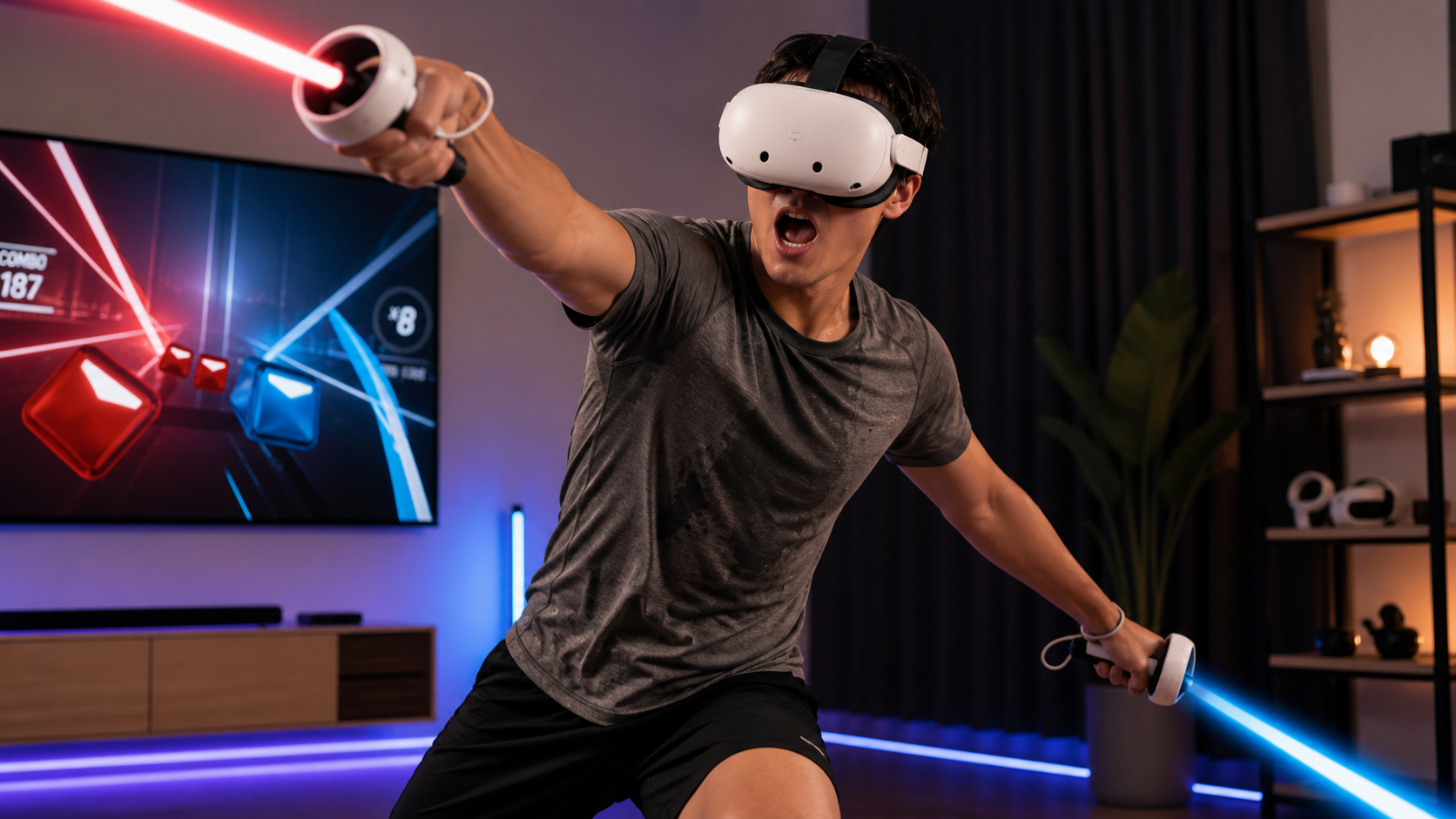
My experience really depended on the game I was playing. In Thrill of the Fight, my head movements were powerful but not jerky. The sweat mask stayed in place perfectly and did its job. But when I switched to Beat Saber and loaded up an Expert+ track, things changed. The rapid, snapping motions of my head caused the mask to bunch up just a tiny bit near my eyes. It wasn't a major issue, but it was a small distraction I didn't need when blocks were flying at me.
A wipeable facial interface, on the other hand, provides a more direct and secure fit. There are no extra layers to worry about. The downside is that sweat pools on its surface instead of being absorbed. This can feel a little gross, but I can fix it with a quick wipe from a microfiber cloth between songs. The choice comes down to personal preference. If you can't stand the feeling of pooled sweat on your face, the mask is the better option. If you value a rock-solid, no-slip fit for competitive play above all else, a good wipeable interface is the winner.
Should the article warn Beat Saber players about fit under the facial interface on Meta Quest 3?
Adding anything new to your headset setup can change how it feels. This small change can lead to big problems like discomfort or light leaking in, ruining your game.
Yes, the article must warn players that a sweat mask adds thickness under the Quest 3's facial interface. This can push the headset away from your face, which might reduce your field of view and create distracting light leak, especially around the nose area.
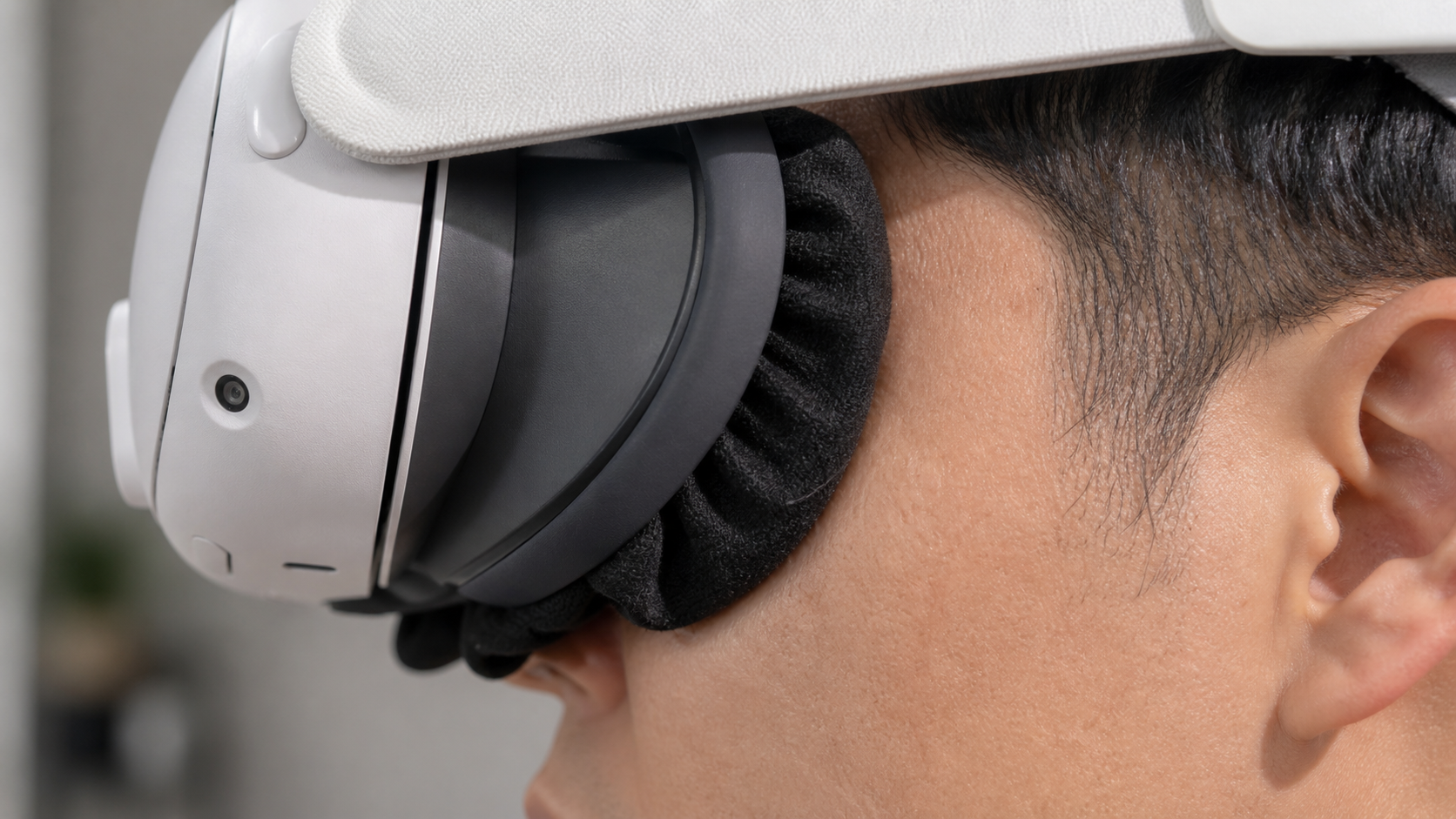
This was the biggest downside I found during my test. The Meta Quest 3 has a fairly sleek and close-fitting facial interface. When I added the sweat mask, even though it was thin, it created a noticeable gap between the interface and my face. The most immediate problem was light leak. I could see a sliver of light from my room coming in from around my nose. In a game like Beat Saber, where you want total immersion, this is a huge distraction.
It also meant I had to spend more time getting the fit right. The mask changed the distance between my eyes and the lenses, so I had to fiddle with the head strap and IPD adjustment to find the visual "sweet spot" again. For a casual user, this might be a minor annoyance. But for a serious player who depends on a perfect, consistent fit for performance, this is a critical issue. You need to be aware that using a mask might require you to find a new way to adjust your headset for comfort and might not work well with the stock facial interface.
Conclusion
A VR sweat mask is a useful tool, not a perfect fix. It's great at absorbing sweat but can cause some lens fog and affect the headset's fit.
Leave a comment