



Could Beat Saber Grips make tracking consistency worse for Quest 3 owners?

Tired of controllers slipping during Beat Saber? You add grips for security, but now you're missing easy blocks. What if the solution is causing a new problem?
Yes, Beat Saber grips can worsen tracking consistency on a Quest 3 with Quest 2 controllers if they are not fitted correctly. A loose grip can shift and partially block the controller's tracking ring, causing misses during fast swings. Proper, tight adjustment is essential to prevent this.
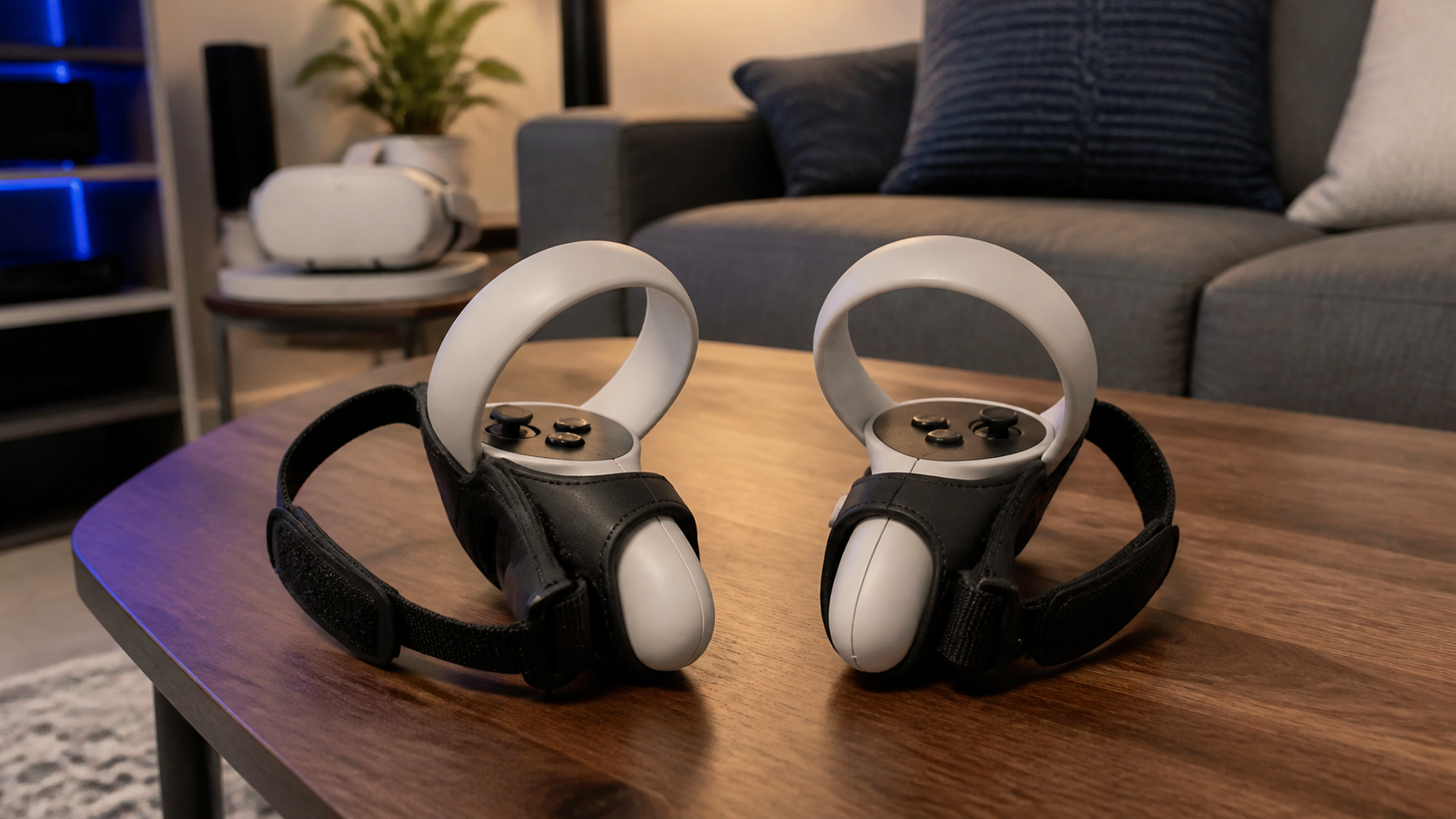
I got these Beat Saber grips to solve a family problem. My hands are much larger than my son's, and we share the same Quest 3. He never had an issue, but during intense songs, the Quest 2 controllers would start to slip in my hands. I thought grips would be a simple fix. We could just pass the controllers back and forth. The first few sessions were great, but then I noticed something strange. I started missing blocks I knew I should have hit. This led me down a rabbit hole of testing. I wanted to see if these grips were actually hurting my performance instead of helping it. What I found might help you decide if they are right for you.
Is tracking consistency still a problem after adjusting tracking during fast cross-body swings?
You swing your saber across your body for a quick slash. You feel the controller in your hand. But the block shatters in front of you. Another miss.
Yes, tracking can still be a problem even after adjustments, but it is much less likely. The key is making the grip and strap extremely snug. This prevents the controller from wiggling inside the grip, which is what causes the tracking ring to become momentarily hidden from the headset's cameras.
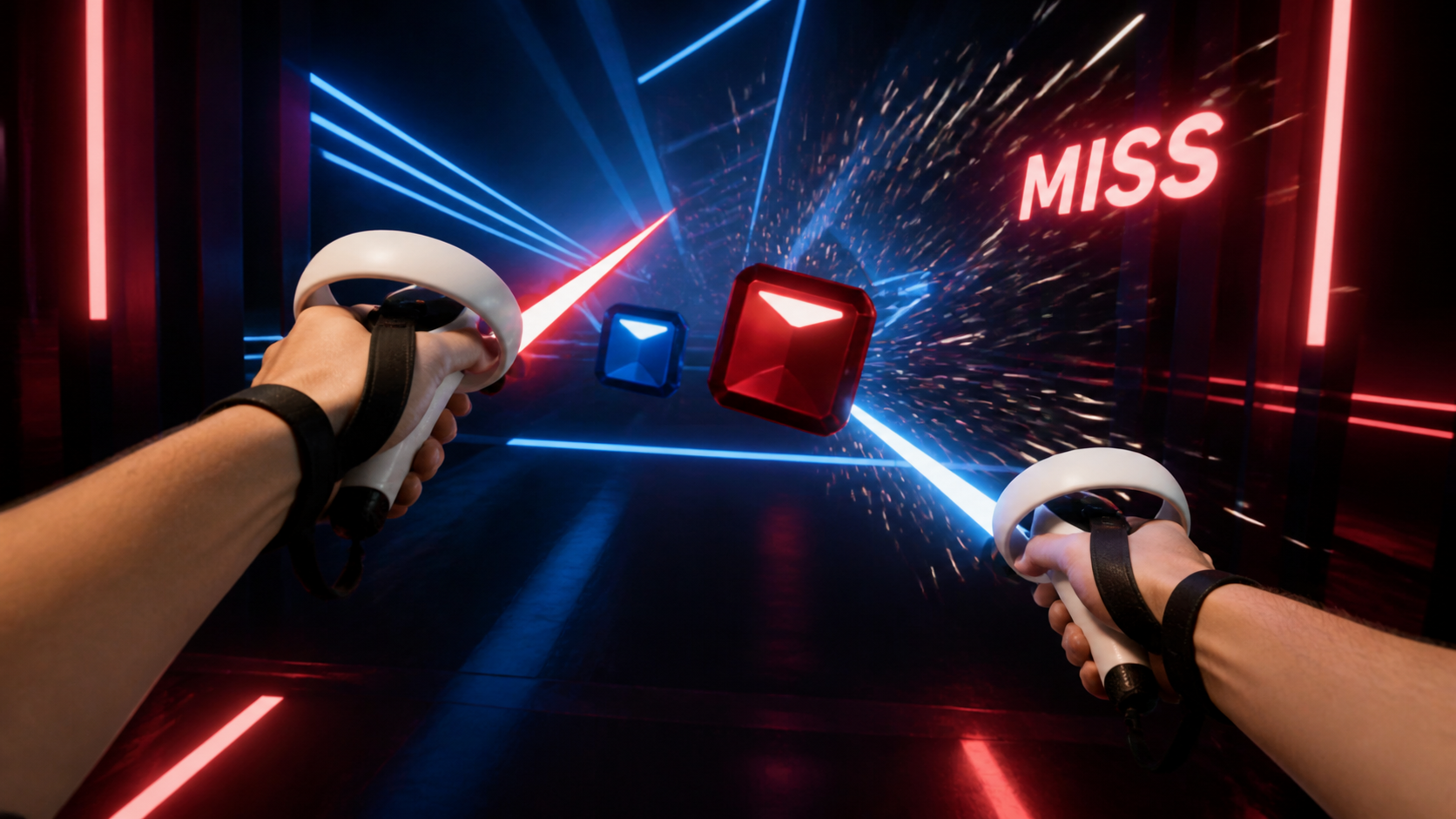
To test this, I picked one of my favorite fast maps and played it three times in a row. This wasn't about getting a high score. It was about finding the source of the misses. My goal was to see how the grips affected my accuracy under different conditions. I focused only on the number of misses to get clear data.
My Three-Play Test
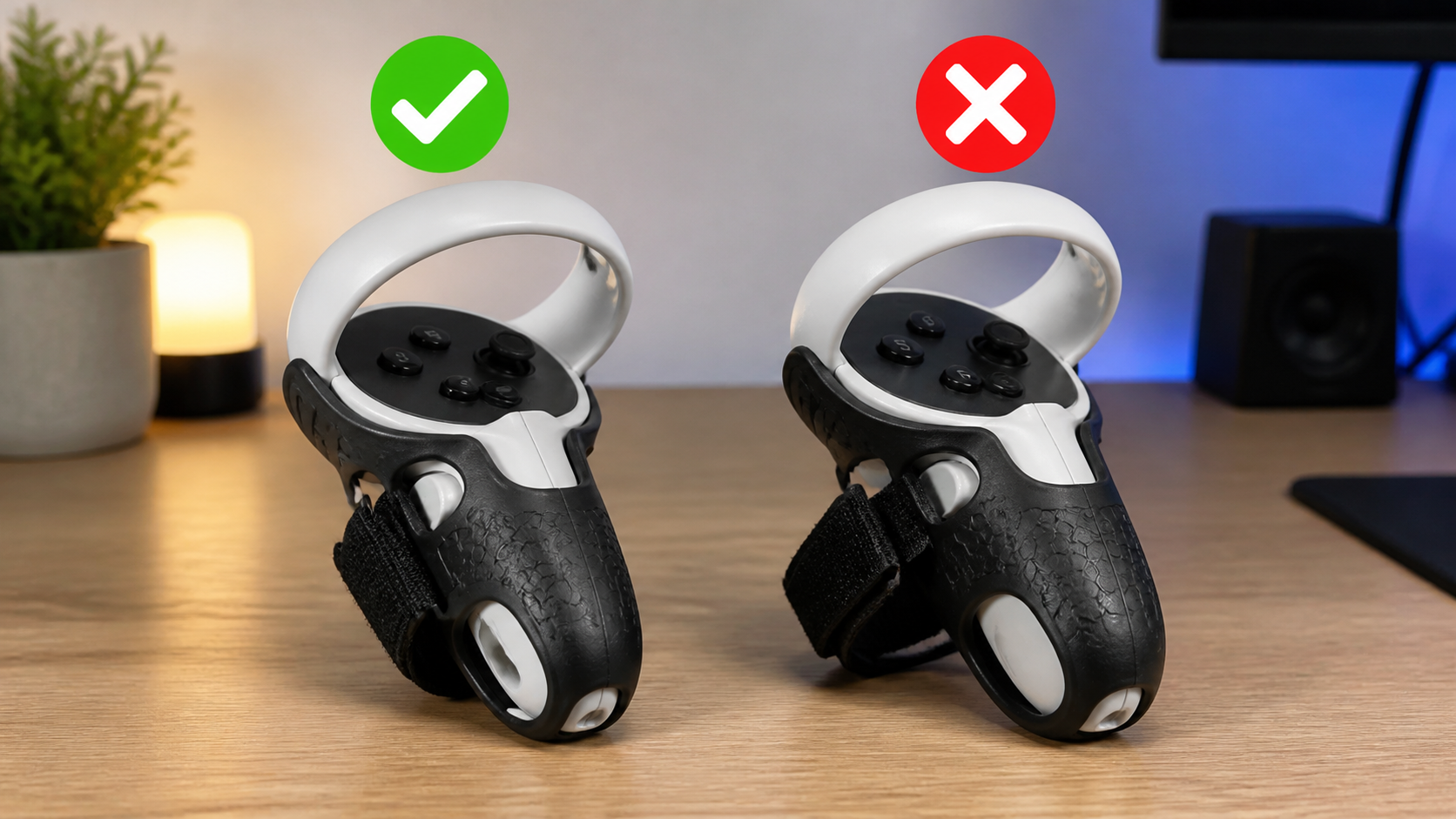
First, I played with no grips at all. This was my baseline. My hands got a little sweaty, and I had to grip the controller tightly, but my tracking was nearly perfect. Then, I put the grips on but left the knuckle straps a bit loose, how I first started using them. The misses immediately went up, especially on notes that required me to swing the controllers across my chest. For the final test, I tightened the knuckle straps until they were very snug against my hands. The difference was night and day.
Here is a simple breakdown of my results on the same song:
| Test Condition | Number of Misses | Feeling |
|---|---|---|
| No Grips (Baseline) | 4 | Good tracking, but controller felt slippery. |
| Grips with Loose Straps | 15 | Comfortable, but sabers sometimes vanished for a split second. |
| Grips with Tight Straps | 5 | Very secure. Tracking felt identical to having no grips. |
The data showed a clear pattern. The loose grip allowed the controller to shift just enough during a fast swing. This slight movement would cause the grip's plastic to block the tracking ring from the Quest 3's cameras for a millisecond, resulting in a miss. A tight fit solved this almost completely.
Does Meta Quest 2 compatibility change the answer for this Beat Saber Grips question?
You own a Quest 3 but prefer your old Quest 2 controllers. You worry that an accessory designed for an older device might not work well with your new headset.
No, the Quest 2 compatibility does not negatively change the answer. The grips are designed specifically for the shape of the Quest 2 controllers, so the physical fit is perfect. The tracking issue is about line-of-sight to the Quest 3 cameras, not a hardware mismatch.
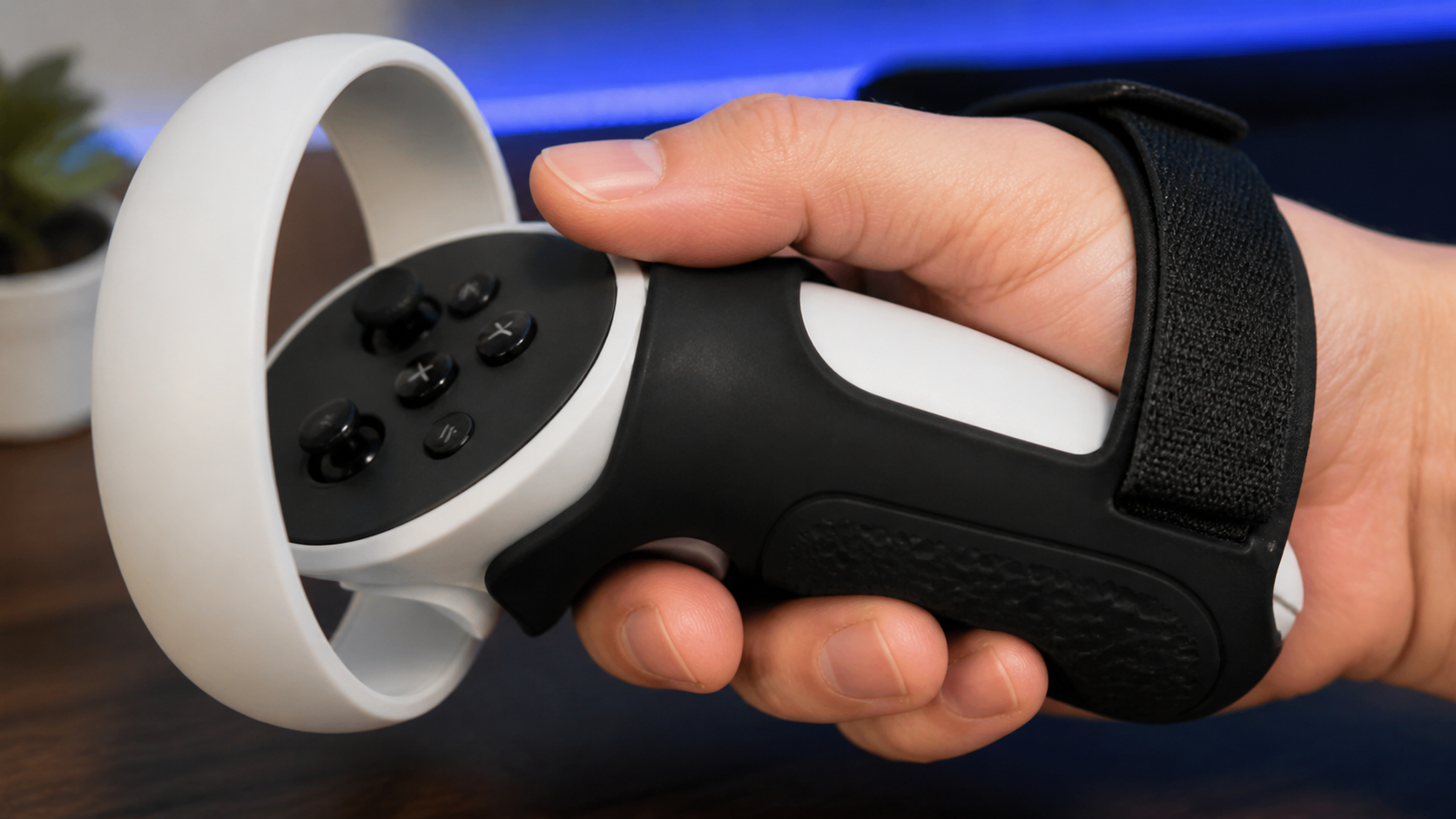
I chose to keep using my Quest 2 controllers with my Quest 3 for a couple of reasons. I'm used to their weight and feel, and it makes it easier for family members to jump in without pairing new controllers. Since these grips are made for the Quest 2 controllers, they slide on and fit like a glove. There are no gaps, and the cutouts for the buttons and tracking ring are placed correctly. The compatibility is not the source of the problem.
The real issue is how any accessory interacts with the Quest 3's tracking system. The Quest 3, like the Quest 2, uses "inside-out" tracking. This means cameras on the headset are constantly looking for the glowing rings on your controllers to know where they are. If anything blocks the view of those rings, even for a moment, the tracking fails. A well-designed grip for Quest 2 controllers will have large cutouts to keep the ring visible. These grips do. However, if the grip itself is not secured to your hand, the whole unit can shift during a swing and create a blockage. The problem isn't the grip's design, but its application.
Will the accessory still feel secure after repeated movement?
You're in the middle of an intense song. You've adjusted the grips perfectly. But you can feel them slowly starting to loosen as you sweat and move around.
The accessory feels secure only if the knuckle strap is properly and tightly adjusted. The silicone material of the grip itself helps, but the strap does all the heavy lifting. After an intense 30-minute session with sweat, the tight strap held firm and the grip did not slip.
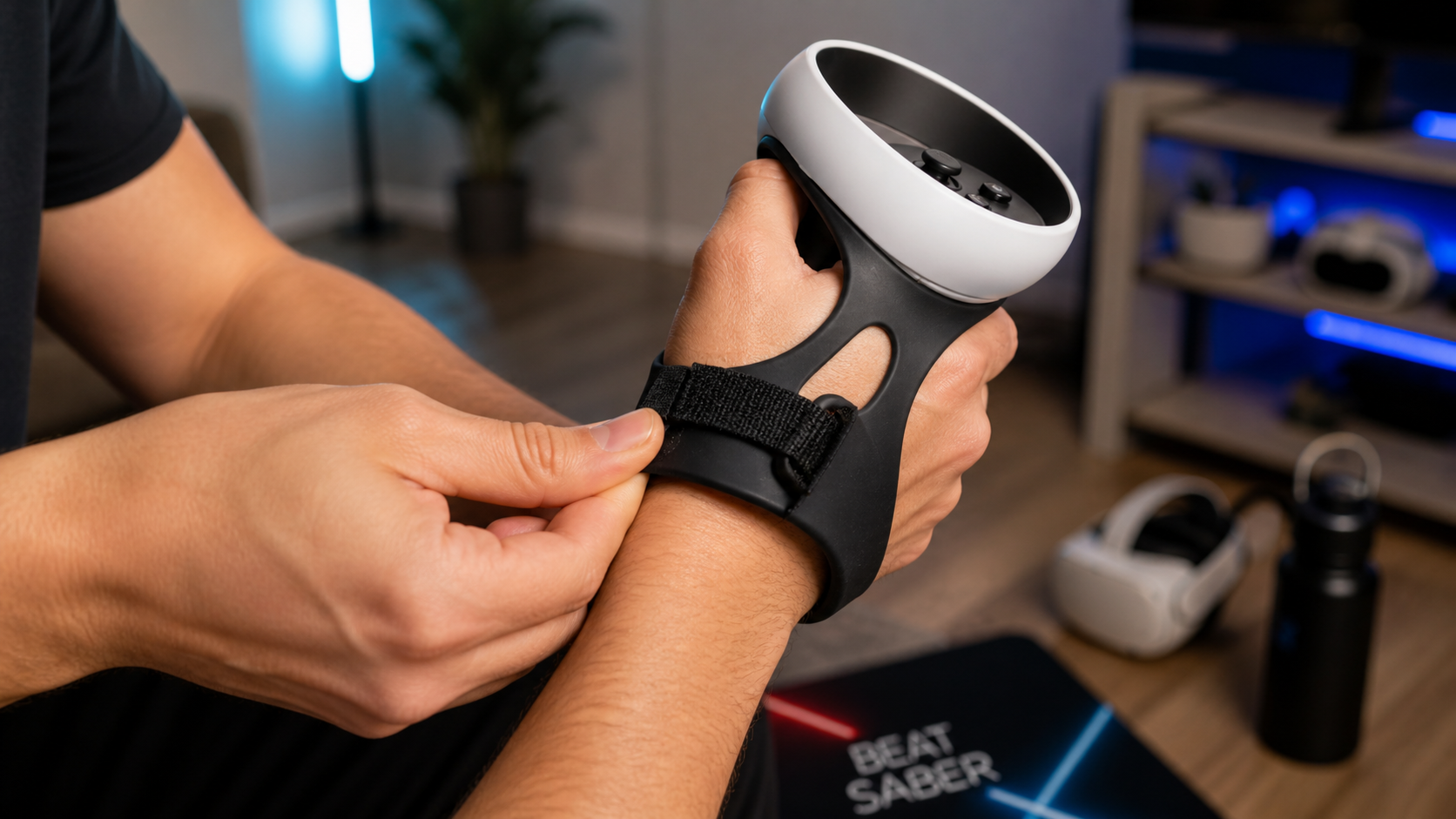
This is where the family-sharing idea ran into a small problem. My hands require the straps to be let out almost to their maximum length. My son's smaller hands require them to be tightened down significantly. This meant we had to readjust the Velcro straps every single time we swapped controllers. It only takes a few seconds, but it's an extra step. More importantly, it highlighted how crucial a good fit is.
During one long session, I was really working up a sweat. I was curious if the silicone would get slippery. The textured surface of the grip did a good job of staying put against my palm. I never felt like the controller was going to fly out of my hand, which was my original problem. The security comes from two places: the texture on the grip and the tightness of the knuckle strap. If one is loose, the other can't make up for it. The strap ensures the controller stays fixed to your hand, which in turn prevents the grip from shifting and blocking the tracking ring. So, yes, it feels secure, but that security requires constant vigilance with the strap tightness, especially if you're sharing the device.
What final verdict should Meta Quest 2 owners get for Beat Saber Grips when Quest 2 controllers is limited by tracking consistency?
You're a Quest 2 owner. You want a better grip, but you're worried about making the already-limited tracking even worse. Is it worth the risk?
For players tired of hand fatigue or controllers slipping, these grips are a worthwhile upgrade, but only if you are willing to spend time on setup. Players who want perfect tracking out-of-the-box and hate fiddling with straps should probably skip them to avoid frustration.
My experience puts this accessory into two different camps. For a beginner or a casual player, the initial setup can be annoying. You might just slide them on, find them comfortable, and then get frustrated by random misses without knowing why. It feels like the accessory is broken or poorly designed. This was my initial reaction.
For an experienced player, the setup is more deliberate. You understand that the tracking ring is sacred. You will install the grip, put your hand in, and immediately check all angles to ensure nothing is blocked. You will tighten the strap methodically. For this user, the grips are a huge help. They allowed me to relax my hand instead of maintaining a death grip on the controller. This reduced fatigue and actually improved my swing fluidity because I wasn't so tense. The annoyance of adjusting straps was a small price to pay for the comfort and security I gained during long play sessions.
So, who should skip it? If you are extremely sensitive to any change in tracking and want a plug-and-play experience, these grips might introduce more problems than they solve. But if your main problem is hand strain or slippery controllers, and you have the patience for a one-minute adjustment before you play, they are a fantastic addition.
Conclusion
Beat Saber grips offer great comfort, but you must tighten the straps to prevent them from shifting and causing tracking failures. Your patience with setup will determine if they help or hurt.
Leave a comment