



Could a VR Sweat Mask make makeup transfer worse for boxing players?

Tired of makeup staining your shared VR headset? A sweat mask seems like a good fix, but it might just be moving the mess around and making your game feel worse.
A VR sweat mask could make makeup transfer worse, especially in high-movement boxing games. The mask absorbs makeup and sweat, and friction can cause it to smear onto the headset's interface, particularly when swapping masks between players on a shared device like the Meta Quest 3S.
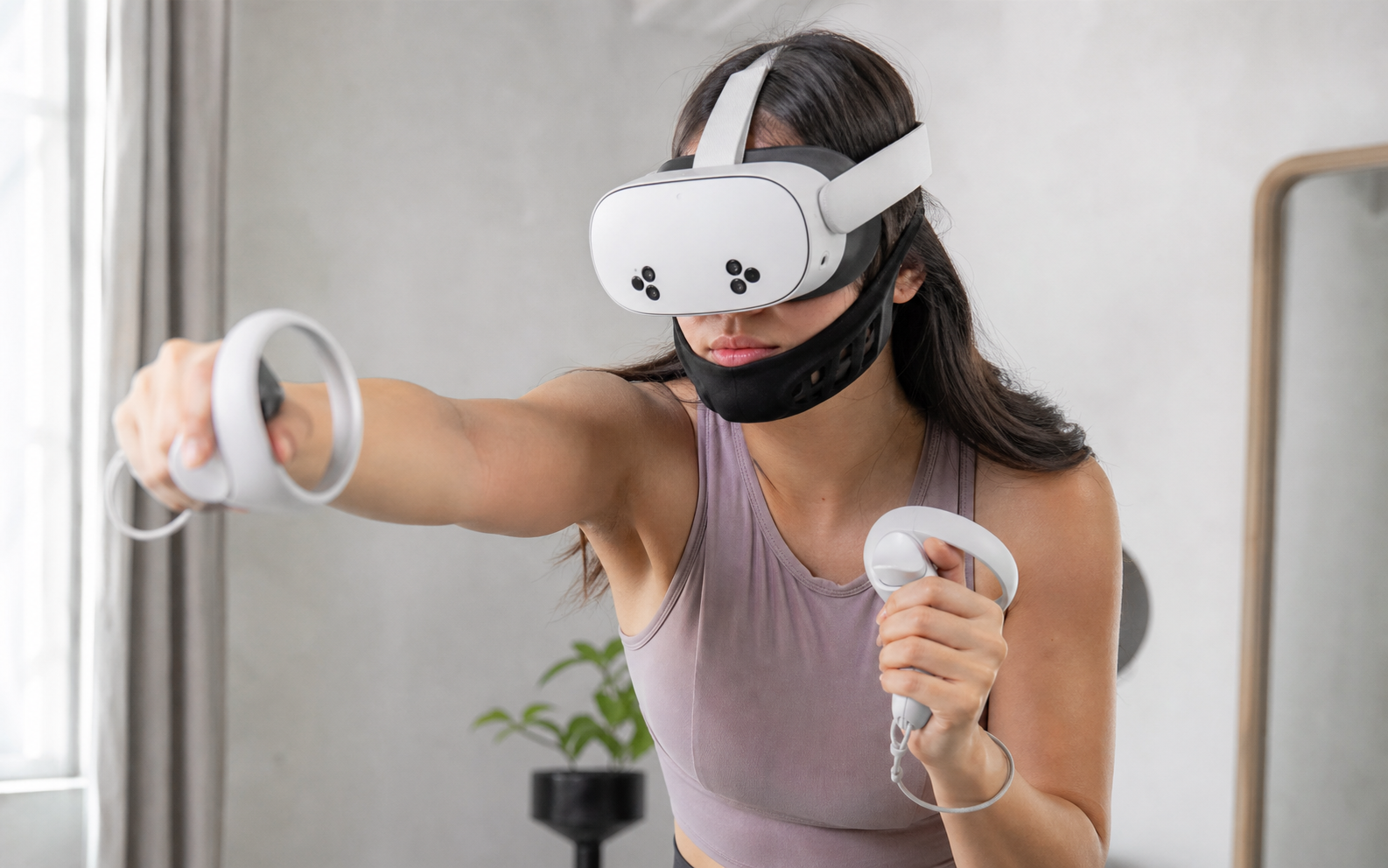
I love playing VR boxing games, but sharing my new Meta Quest 3S with my friend became a problem. We both wear makeup, and after a few rounds, the headset's facial interface was a mess. I thought a VR sweat mask would be the perfect solution. It would protect the headset and be easy to wash. But I was worried it might just create a different kind of problem. I decided to run a personal test to see if this accessory was a real solution or just a waste of money for active players like us. The results were not what I expected.
Does makeup transfer come from VR Sweat Mask, Meta Quest 3S, or the way shared headsets is played?
Your headset is gross after a shared session. You think the mask will fix it, but now makeup is everywhere. Is the mask, the headset, or the sharing to blame?
The makeup transfer comes from all three. The mask can absorb and smear makeup with friction. The headset's pressure pushes makeup into pores. And the act of swapping masks on a shared headset is a major cause, as it shifts everything around and transfers makeup to the interface.
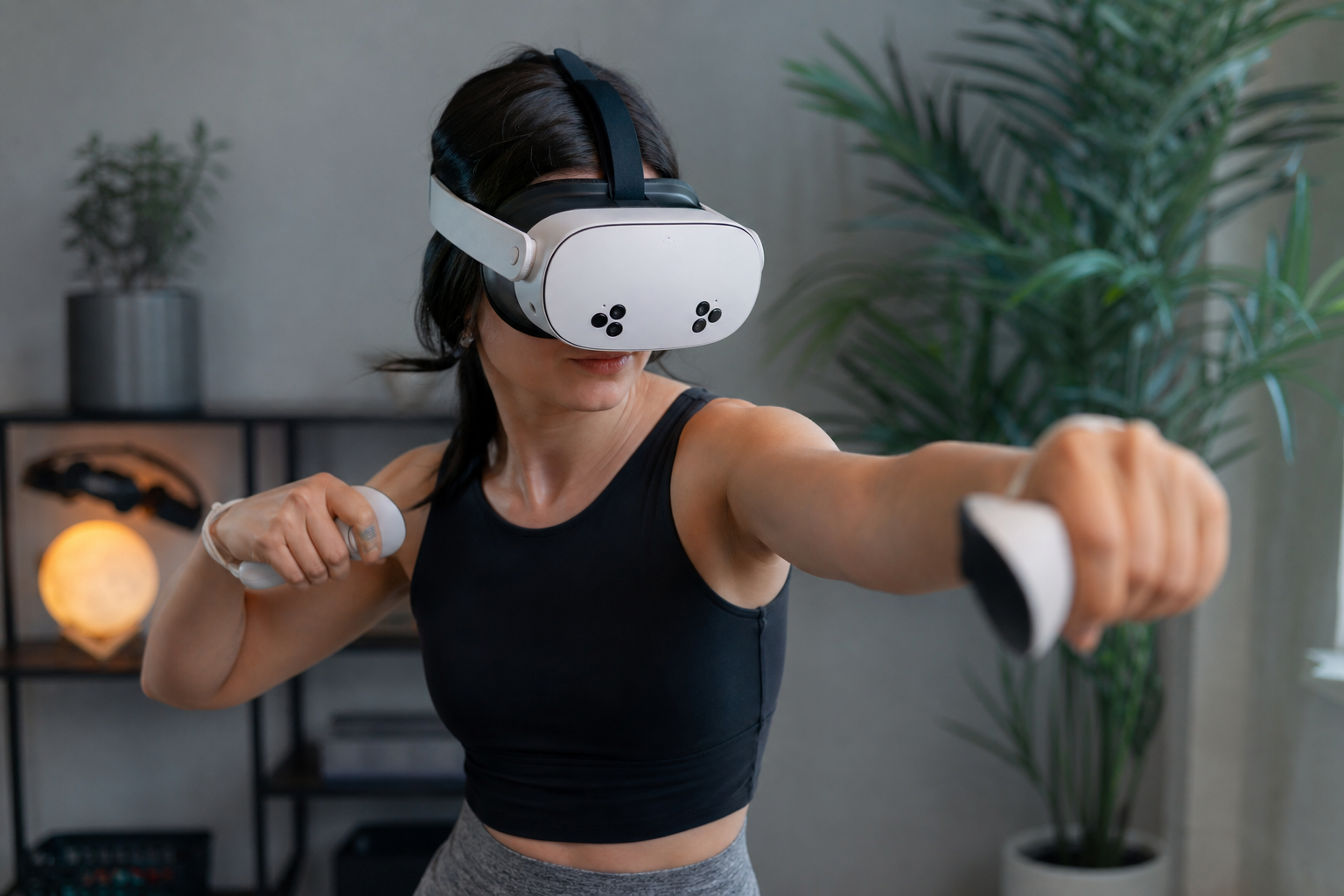
To figure this out, my friend and I did a simple test. I put on my makeup as usual and played a few rounds of Thrill of the Fight. I used my own VR sweat mask. When I was done, I took off the headset. Then, my friend put on her own clean sweat mask and used the same headset. After her session, we looked at everything closely. There was makeup on my mask, which we expected. But there was also makeup smeared on the headset's silicone facial interface. It seems the transfer happened when I took the headset off and she put it on. The mask moved slightly against the interface during the swap. The problem isn't just one thing, it's how all the parts interact, especially when you share the device.
Where the Makeup Goes
Here is a simple breakdown of what we observed during our shared play session.
| Source of Transfer | How It Happens | My Personal Observation |
|---|---|---|
| VR Sweat Mask | The fabric rubs against the face, picking up makeup. Sweat can make it smear more easily. | My mask definitely had a clear foundation print on it. It did its job of absorbing the mess. |
| Meta Quest 3S Interface | Direct pressure from the headset presses against the skin, causing some transfer even without a mask. | Without a mask, the headset gets dirty fast. With a mask, it stays cleaner but isn't perfectly protected. |
| Sharing and Swapping | Removing one user's mask and putting on another's can cause the mask to rub against the headset interface. | This seemed to be the biggest problem. The makeup on my mask smudged onto the headset when we swapped. |
Would boxing players describe the difference as comfort, control, safety, or immersion?
You wanted a mask for a cleaner, more comfortable game. But now you're constantly fixing a slipping headset during a fight. Does that feel comfortable or just distracting?
Boxing players would describe the main benefit as comfort and hygiene. However, this often comes at the cost of control and immersion. A slipping mask is distracting and forces adjustments, pulling you out of the game. It doesn't significantly impact safety unless the slippage is extreme.
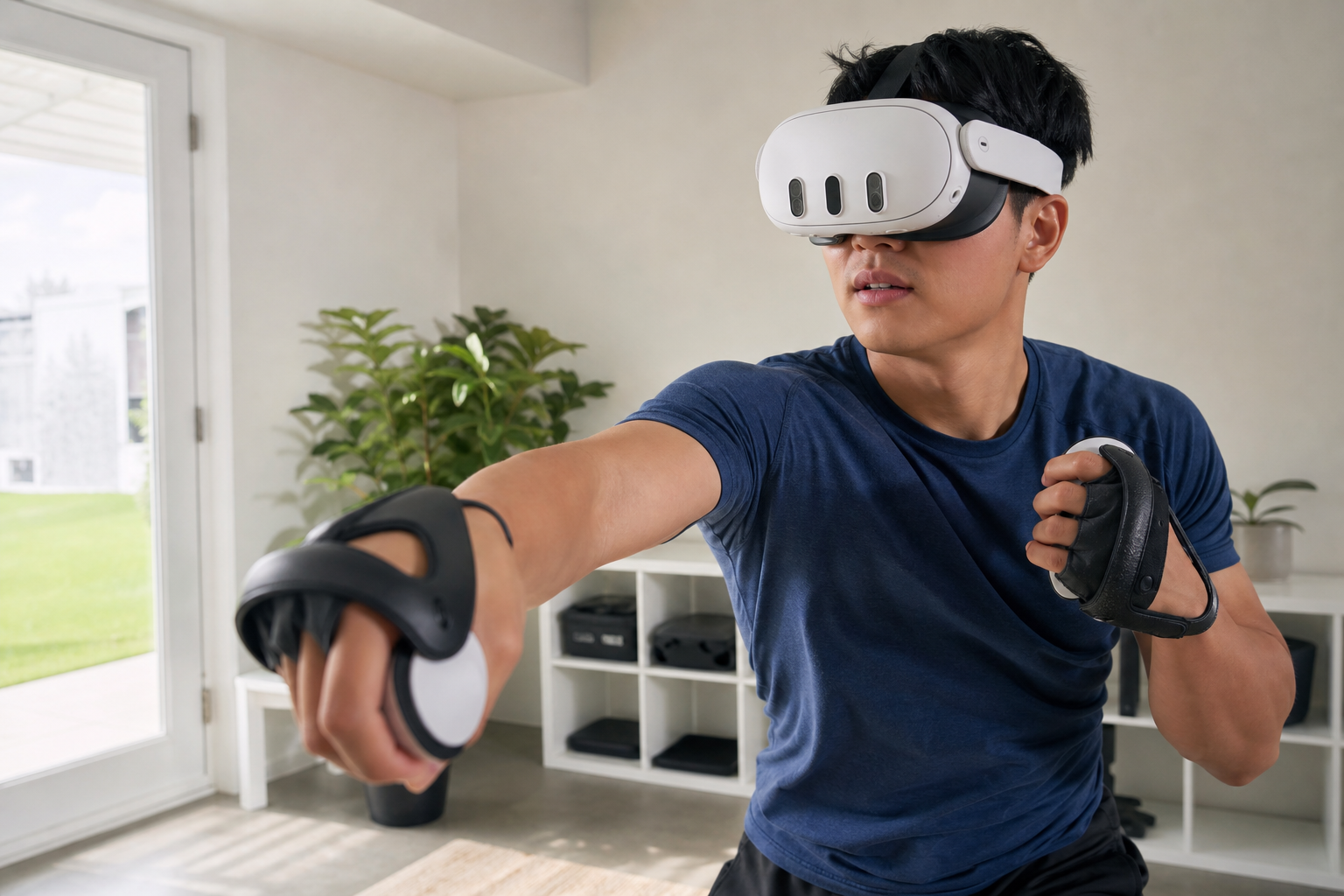
My primary reason for getting the mask was comfort. I don't mean physical comfort during gameplay, but the peace of mind that comes from keeping my expensive Quest 3S clean from sweat and makeup. In that sense, it worked. The headset itself stayed much cleaner. However, the experience inside the game was a different story. In a game that requires fast head movements like boxing, control is everything. I noticed that with the extra layer of the mask, the headset would shift slightly when I dodged or weaved. It wasn't a huge slip, but it was enough to be noticeable. This broke my immersion. Instead of focusing on my opponent, I was suddenly aware of the hardware on my face. I had to pause and readjust it, which is frustrating in the middle of a round. So, the mask improved the long-term comfort of owning the headset but sometimes reduced my control and immersion in the moment.
Does the same advice apply to Quest 2, Quest 3, and Quest 3S?
You learned what works for the Quest 3S. But does that same advice work for your older Quest 2? Or are the headsets too different for a one-size-fits-all solution?
Yes, the same general advice applies across the Quest 2, 3, and 3S, as they all face similar issues with slippage. However, the effect is often worse on the heavier, more front-loaded Quest 2. The lighter design of the Quest 3 and 3S helps reduce mask slippage.
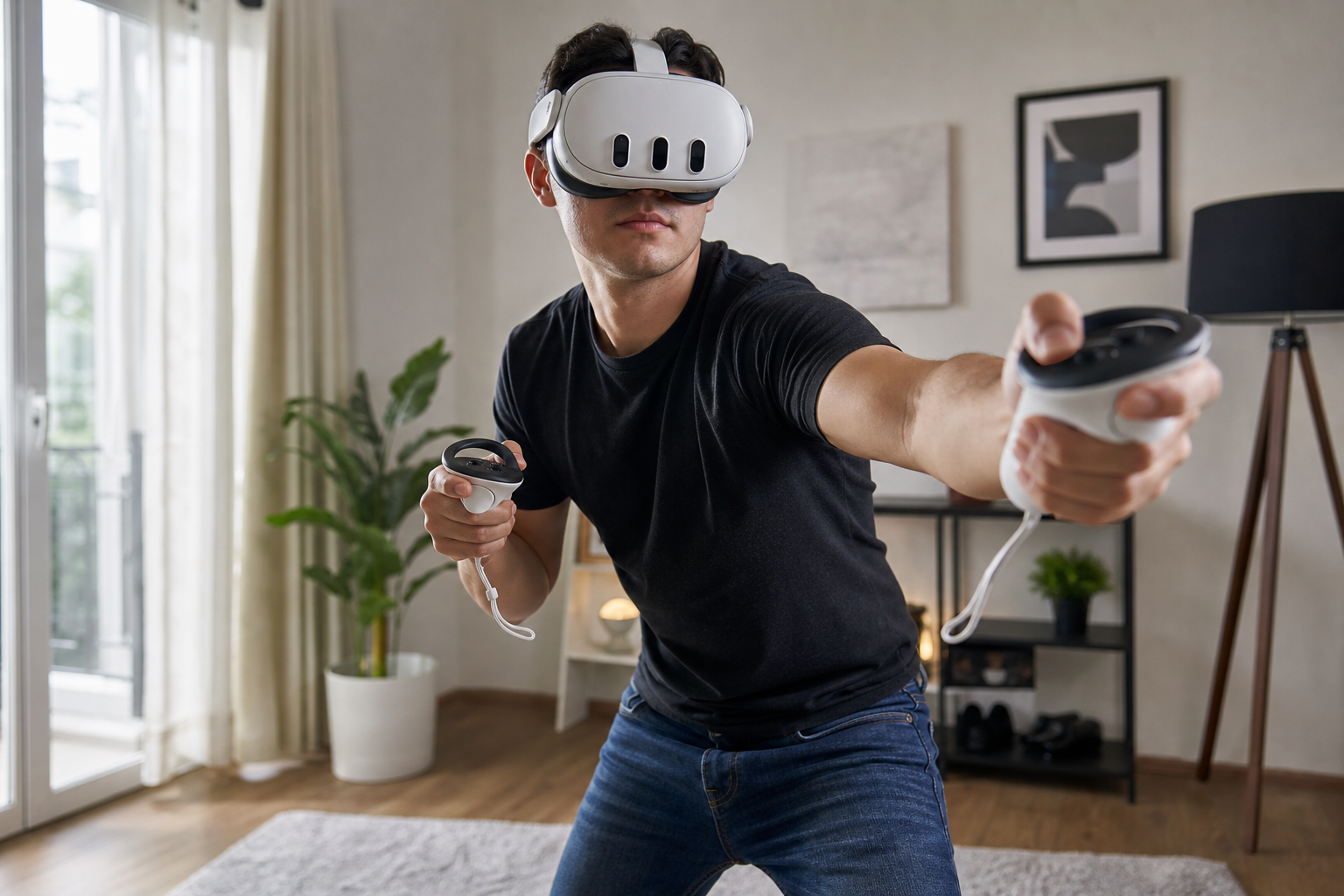
I still have my old Quest 2, so I tried the same sweat mask with it to compare. The core problem remains the same: adding a layer of fabric between your face and the headset creates a potential point of failure for grip. I found the issue was actually more pronounced on the Quest 2. Because the Quest 2 is more front-heavy, the downward pull on the headset is stronger. Every time I ducked or moved my head quickly, that extra weight combined with the slippery mask made the headset shift more than it did on my Quest 3S. The newer headsets are better balanced and lighter, which seems to help the mask stay in place a little better. The shape of the facial interface on the Quest 3 and 3S also seems to provide a slightly better fit for the mask I was using. So while the advice to be cautious with masks during intense games applies to all models, your experience might be a bit worse if you're still using an older, heavier headset.
Can VR Sweat Mask earn trust for makeup transfer without proof such as a boxing or Beat Saber movement clip?
A product photo shows a clean mask on a person sitting still. But you play intense games. Can you trust that photo when you know you'll be moving and sweating?
No, it is very difficult for a VR sweat mask to earn trust for active use without video proof. Still images don't show slippage, sweat absorption during movement, or how it holds up in a real game. Trust for boxing or Beat Saber players is built on seeing it perform.
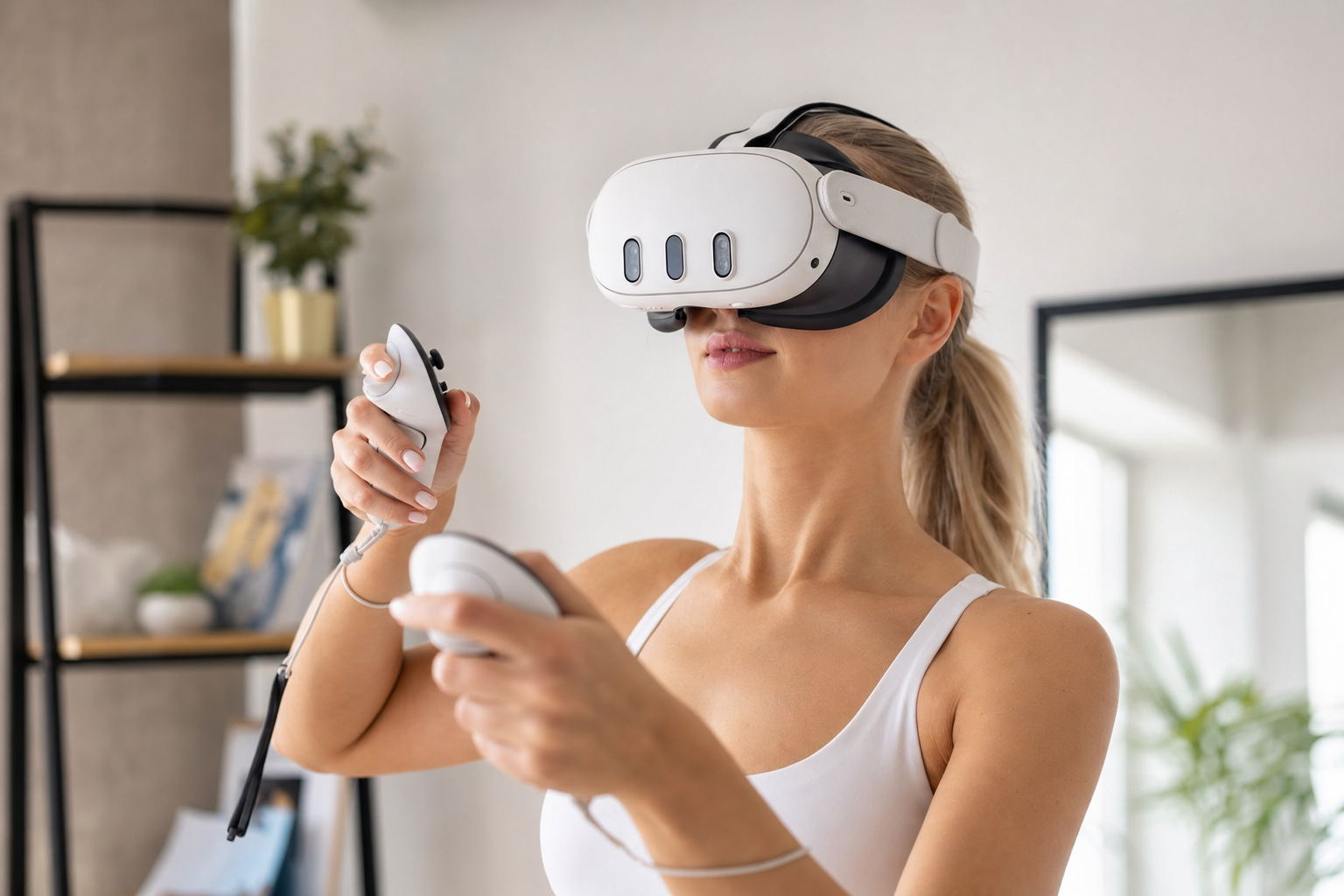
I'll be honest, a simple product photo is not enough to convince me. When I'm looking for an accessory for an active game, I need to see it in action. A static image can't show me if the mask will slip down my face after three minutes of boxing. It can't show me how saturated with sweat it gets. For a product like this, trust comes from dynamic proof. A video clip of someone playing an intense round of Beat Saber or boxing would show me everything I need to know. It shows me the mask stays put. However, there is one area where a company can build trust without a video: cleanliness. After our test, I hand-washed both our masks. The makeup came out easily with a little soap and water. Most importantly, after air-drying, there was no leftover sweat smell. This proves the material is of good quality and hygienic. That builds some trust, but it doesn't solve the core issue of performance during movement. Brands need to show their product works in a real-world gaming scenario.
Conclusion
A VR sweat mask keeps the headset clean but can reduce in-game control. It is great for sharing and hygiene, but competitive boxing players should be aware of potential slippage.
Leave a comment