



Can sensitive-skin users still test whether fog appears sooner or later than usual after adding a VR Sweat Mask?

My sensitive skin hates the feeling of a sweaty VR headset, especially in a hot room. You want to stop the sweat and fog, but will a sweat mask just cause new problems? I decided to test one myself.
For sensitive-skin users, a VR sweat mask can delay fogging by absorbing the first wave of sweat. But it's not a perfect fix. Its real value depends on the mask's material, how well it fits, and your willingness to wash it after every single use.
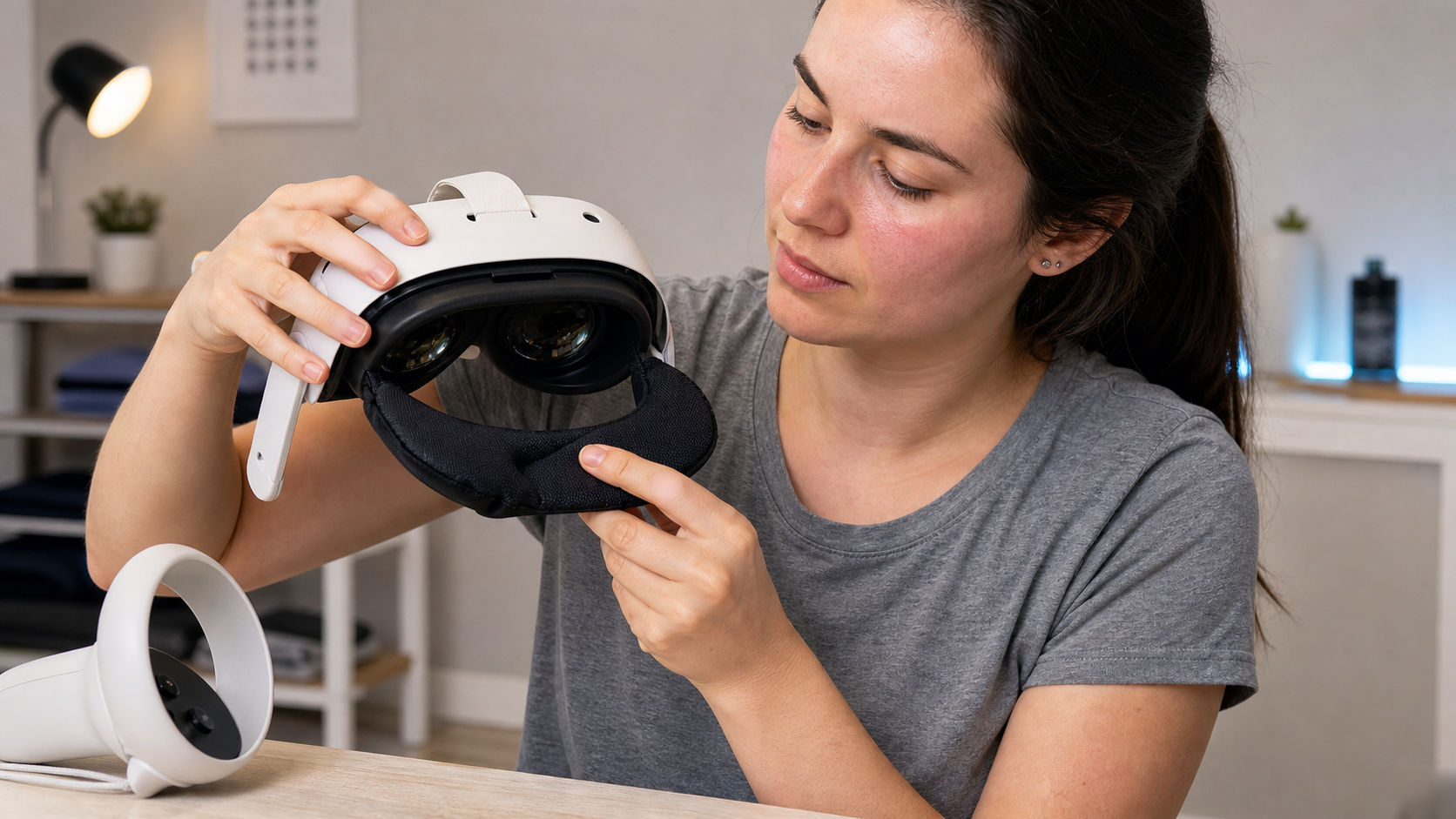
As someone with sensitive skin, I'm always careful about what I put on my face. The idea of adding another layer of fabric under a VR headset felt risky. Would it trap heat and cause breakouts? Would it actually stop the dreaded lens fog that happens in my warm apartment? I decided to treat this as a personal case study. I wanted to see if a VR sweat mask could solve my problems or if it would just create new ones. I focused on the real questions that came up as I used it, from hygiene to comfort, especially when sharing the headset. This is my honest experience.
In a shared headset, does VR Sweat Mask create a different hygiene problem after hot rooms?
Sharing a VR headset already feels a little gross. Adding a sweat-soaked fabric mask to the mix seems like it would only make things worse. I had to figure out if the cleaning trade-off was worth it.
Yes, it creates a completely different hygiene challenge. Instead of quickly wiping a smooth silicone interface, you now have a fabric mask full of sweat, oil, and bacteria. It demands a strict wash-and-dry routine after every session to be truly hygienic for sharing.
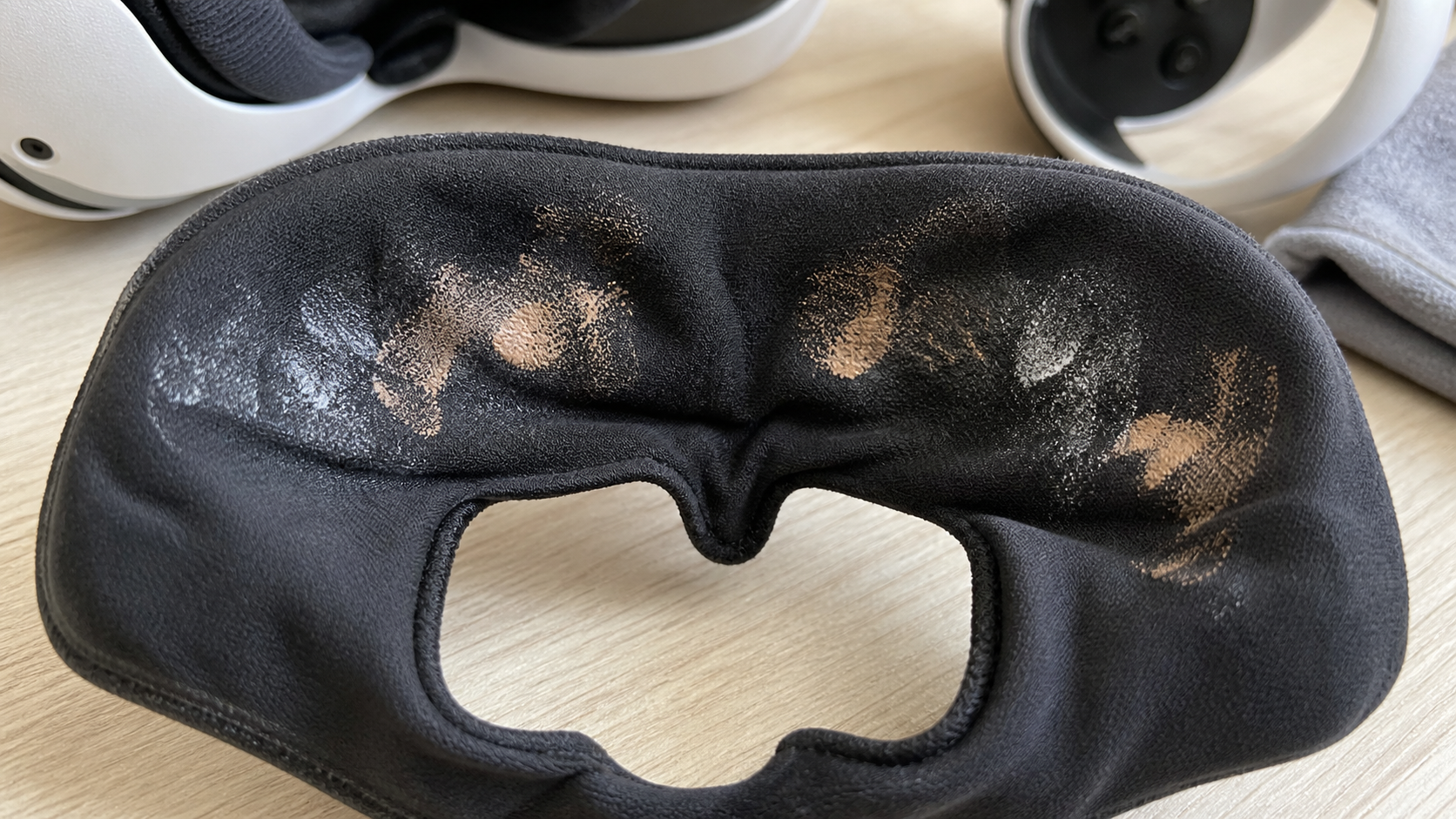
My initial test was simple. I played for an hour in a warm room, then handed the headset to my partner. Without the mask, a simple wipe-down with an antibacterial cloth on the silicone facial interface was enough. It felt clean in seconds. With the sweat mask, the story changed. The mask was damp. I couldn't just hand it over. It absorbed my sweat, but it also absorbed the sunscreen I was wearing. This created a new problem. A simple wipe does nothing for a fabric mask. It needed a full wash with soap and water. This meant we needed multiple masks if we wanted to play back-to-back, or we had to wait for it to dry. The table below breaks down my experience.
My Cleaning Routine Comparison
| Hygiene Aspect | Without Sweat Mask (Silicone Interface) | With Sweat Mask (Fabric) |
|---|---|---|
| Cleaning Method | Wipe with antibacterial cloth | Hand wash with soap and water |
| Time to Clean | ~15 seconds | ~2 minutes + drying time |
| Drying Time | Instant | 1-2 hours (air dry) |
| Odor Control | Easy, no odor buildup | Requires regular washing to prevent smells |
| Makeup/Sunscreen | Wipes off easily | Stains the fabric, needs a deep clean |
The mask is not a simple hygiene upgrade. It's a trade-off. It keeps your sweat off the headset foam, which is great. But it requires you to adopt a laundry routine for your VR accessories.
Does a verdict for fitness users versus casual players make the recommendation more trustworthy?
Most accessory reviews give a single "yes" or "no" answer. But a VR fitness fan sweats a lot more than someone watching a movie. A good recommendation has to consider both.
Absolutely. A trustworthy verdict must separate these two use cases. The mask is great for casual players to improve comfort and absorb light oils. For intense fitness users, it gets soaked quickly and can feel damp and heavy against the skin.
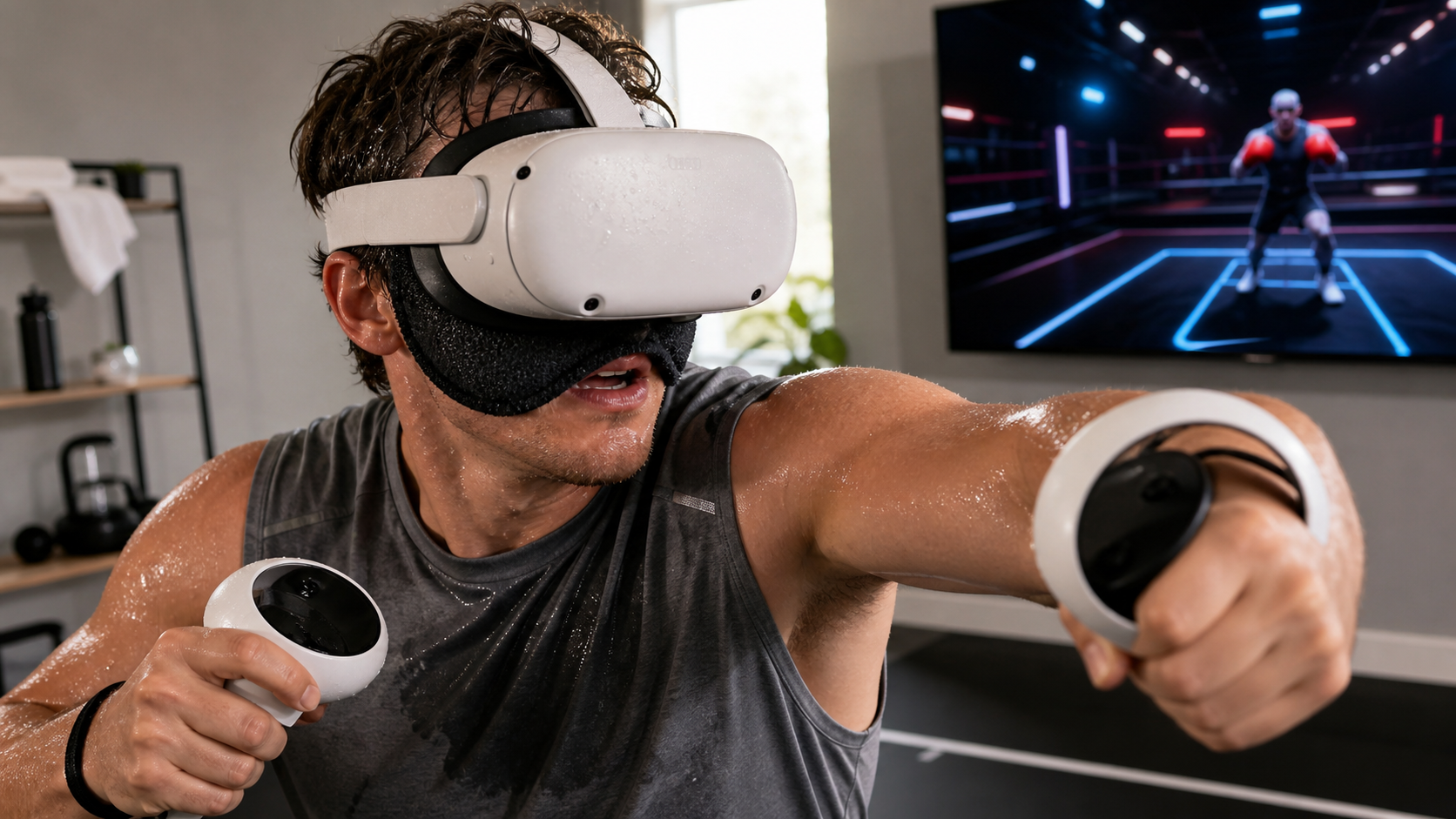
I put this to the test myself. First, I played a 30-minute session of Supernatural. For the first 10 minutes, the mask was great. It caught the initial beads of sweat from my forehead and kept my vision clear. But after that, it hit its limit. The fabric became saturated. It felt heavy and wet on my face, which was an annoying distraction. It didn't stop sweat from eventually dripping down, it just held it against my skin for longer. The lens fogging was delayed, but once the mask was soaked, the warm, moist air it trapped seemed to make the fogging worse.
Then, I tried a more casual experience, watching a 30-minute video in Bigscreen. Here, the mask was a clear winner. I wasn't sweating heavily, but the mask provided a soft, comfortable barrier between my face and the headset's interface. It absorbed the minor skin oils that can build up over time, keeping the headset itself cleaner. It felt much nicer on my sensitive skin than the pressure of the standard foam. A review that doesn't split these two experiences is missing the point. The mask fails for heavy fitness but succeeds for casual comfort.
Is comfort the main buying trigger, or is performance the real reason people search?
I see ads for sweat masks talking about stopping fog and improving performance. But is that what really makes people keep using them? I thought I knew why I wanted one, but my reason changed after I used it.
People often search for a performance fix, like stopping lens fog. But the main reason they keep using a sweat mask is comfort. The soft fabric simply feels better on the skin than foam or silicone, especially for users with sensitive skin.
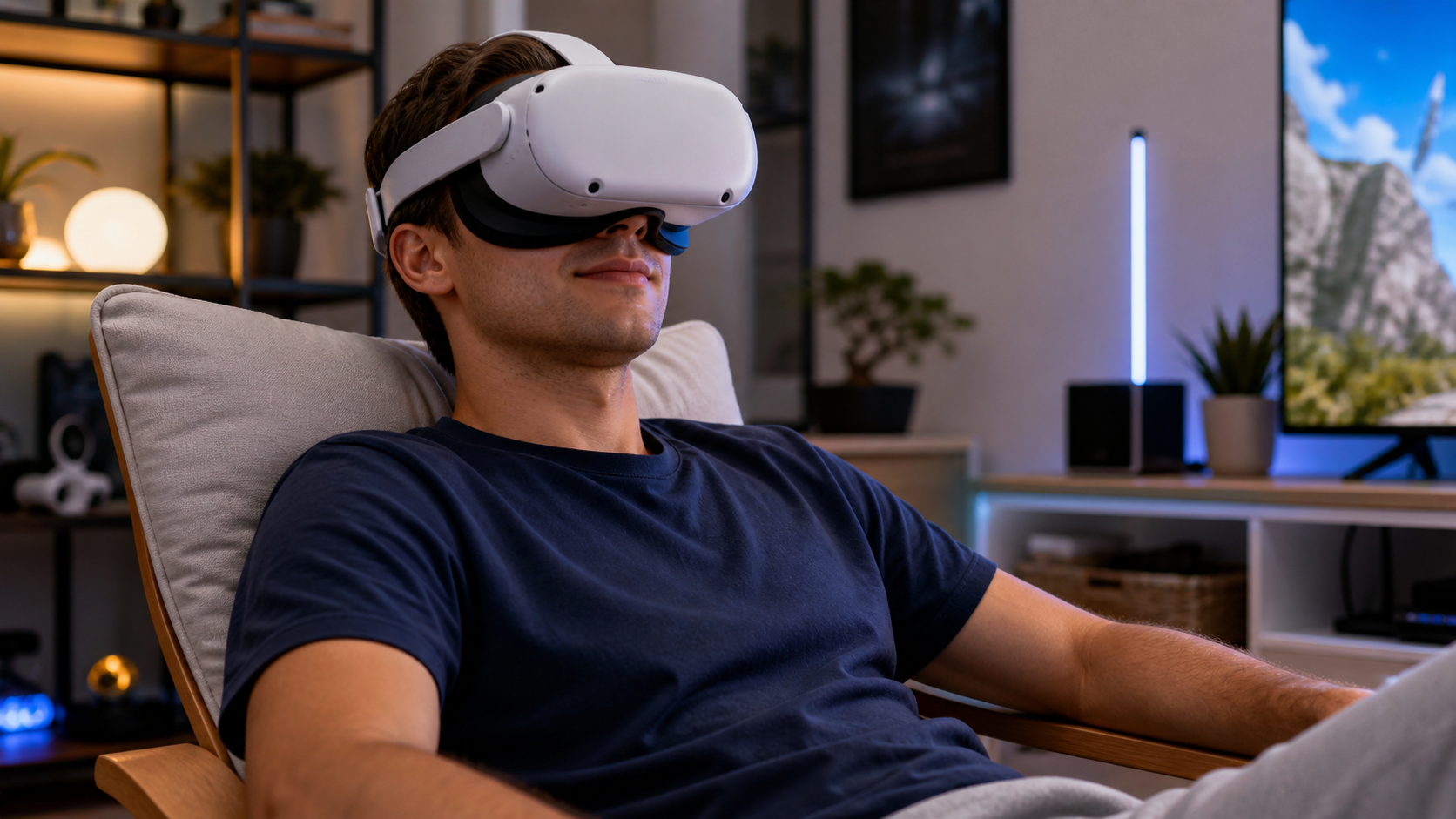
I bought my VR sweat mask for one reason: to stop my lenses from fogging up in my hot apartment. I was searching for a performance solution. I was tired of pausing my game every five minutes to wipe my lenses. The mask did help, but only for a little while. It delayed the fog by about 10-15 minutes in an active game. It was not the magic bullet I was hoping for. The performance gain was minor.
What surprised me was the comfort. I have sensitive skin, and the standard foam interface of the Quest 2 can feel scratchy and leave red marks on my face. The sweat mask, being a soft and breathable fabric, felt much gentler. It distributed the pressure more evenly and created a pleasant barrier. I found myself reaching for the mask even for short, casual sessions where sweat wasn't an issue. My motivation for buying was performance, but my reason for continuing to use it became comfort. The real value for me wasn't in stopping sweat, but in making the headset feel better to wear. This was a huge, unexpected benefit.
Does the answer change when sensitive-skin users care more about hygiene than price in hot rooms?
For me, sensitive skin means I can't just buy the cheapest option. A bad material can cause breakouts and rashes. When you add heat and sweat, the risk gets even higher. Price takes a back seat to safety.
Yes, the answer changes completely. For a sensitive-skin user, hygiene is everything. A cheap, poorly made mask can trap bacteria and cause skin irritation. A high-quality, breathable, and easily washable mask becomes a non-negotiable investment, making hygiene the top priority over price.
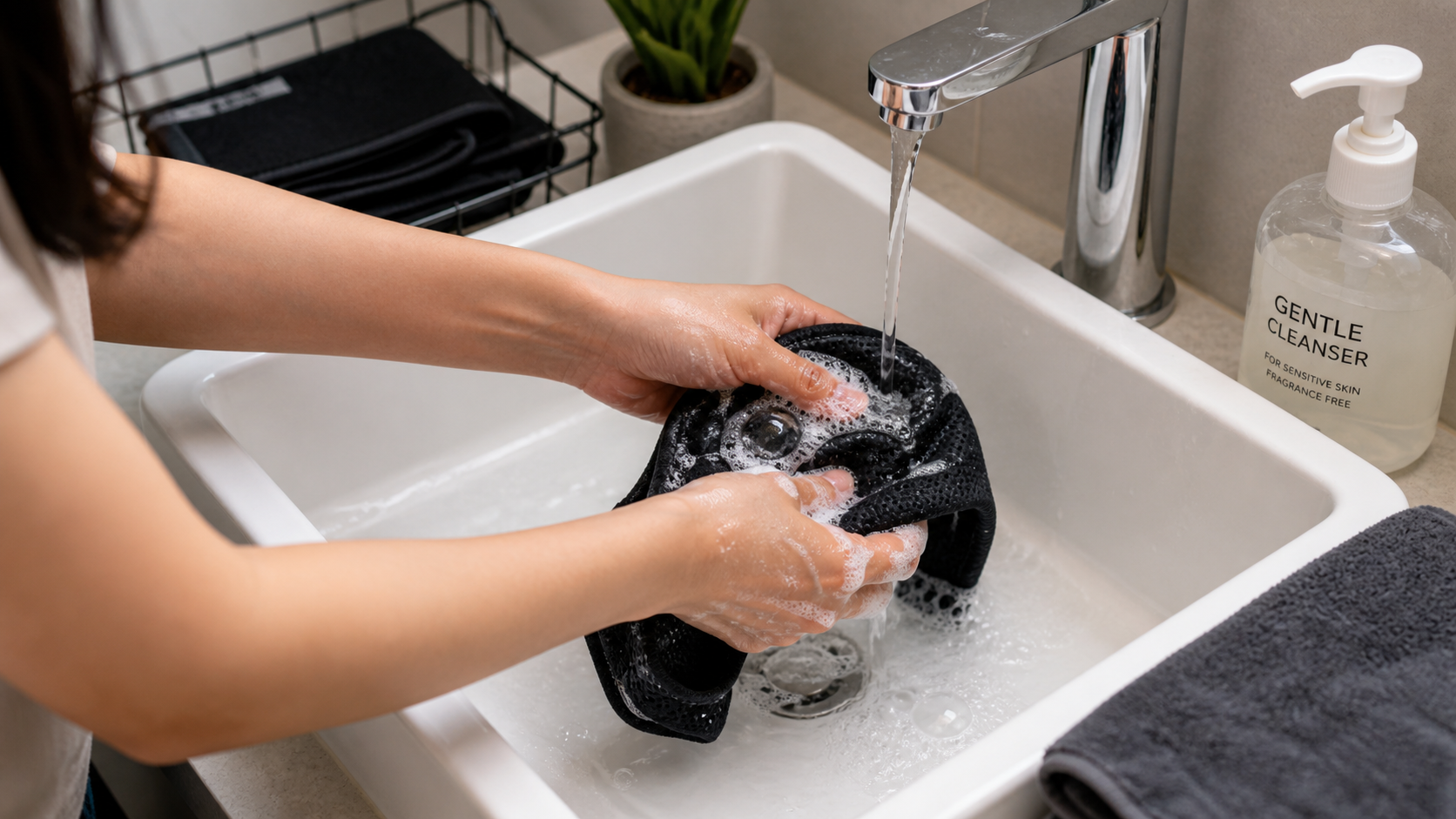
Here is where I encountered a failure. My first sweat mask was a cheap, generic one from a big marketplace. The fabric felt okay at first, but after one workout in my warm room, I knew it was a mistake. It didn't seem to breathe at all. It just trapped all the moisture and heat against my skin. After I washed it, it took forever to dry and started to get a faint mildew smell. My skin was red and irritated after using it. The hygiene problem I was trying to solve was still there, just in a different form.
This experience taught me that for someone with my skin type, the material and construction of the mask are more important than anything else. I had to find a mask made from a breathable, moisture-wicking, and antimicrobial fabric. It cost more, but the difference was night and day. It felt lighter, it dried faster, and it didn't irritate my skin. For sensitive-skin users, especially in hot environments, the choice isn't just about absorbing sweat. It's about finding a material that won't become a breeding ground for bacteria right on your face. You have to be willing to invest in a quality product and commit to washing it every time. If you can't do that, you are better off without a mask at all.
Conclusion
A VR sweat mask is a comfort and hygiene tool, not a perfect performance fix. For sensitive skin, its real value depends on buying a quality mask and having a strict cleaning routine.
Leave a comment