



Can Meta Quest 3 tracking stay stable when Quest Battery Pack is used for family sharing?

Sharing the Quest 3 with my family is great, until the battery dies mid-movie. A battery pack seems like the obvious fix, but does it make the headset overheat?
Yes, the Meta Quest 3's tracking stays perfectly stable with a battery pack, even during family sharing. The main issue is heat. The battery adds significant runtime, but it also creates a noticeable warm spot on the back of your head, which can become uncomfortable during long sessions.
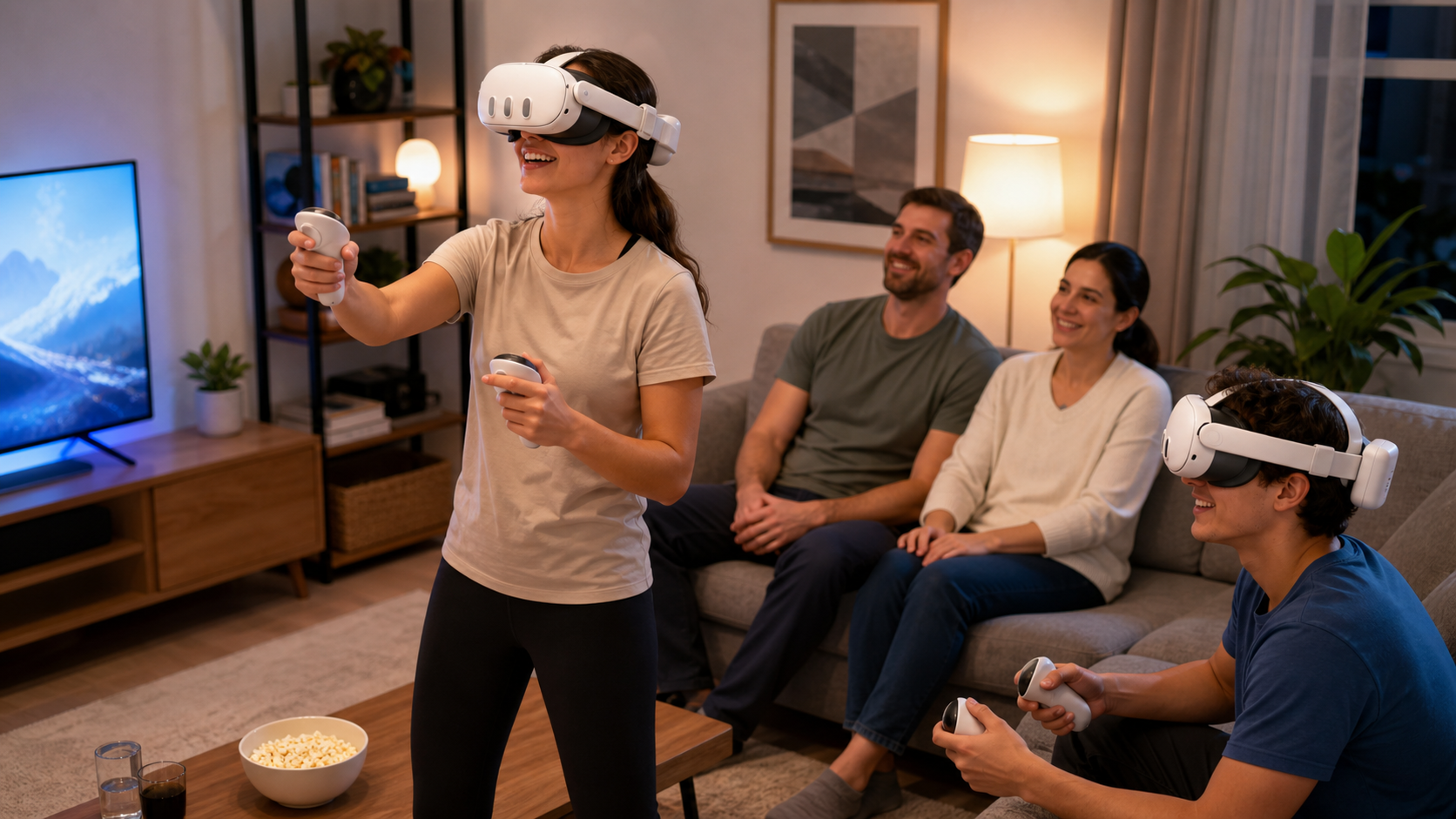
When you’re the go-to tech support for the family, every little friction point feels huge. The Quest 3's short battery life became our biggest hurdle. One person would get immersed in a game, and then 90 minutes later, the low-battery warning would pop up, killing the fun for the next person in line. I thought a battery pack was the simple answer to give us a solid evening of VR without constantly reaching for the charging cable. But as soon as I strapped one on, a new question popped up: would this extra power source create more problems than it solved? I decided to document our experience as a family, focusing on the one thing that worried me most—heat. This isn't a typical review; it's our real-life case study on whether this popular accessory actually works for a multi-user household.
Does a verdict by user type: family, fitness, travel, or PCVR answer the buyer's main doubt about heat concerns in family sharing?
You need more playtime for your family. But you're worried a battery pack will get too hot. Is it a good idea for casual movie nights or intense gaming?
Yes, looking at different user types is the best way to understand the heat issue. For casual family use like watching movies, the heat is noticeable but okay. For intense fitness, it's a real problem. For travel and PCVR, it's a trade-off for more freedom.
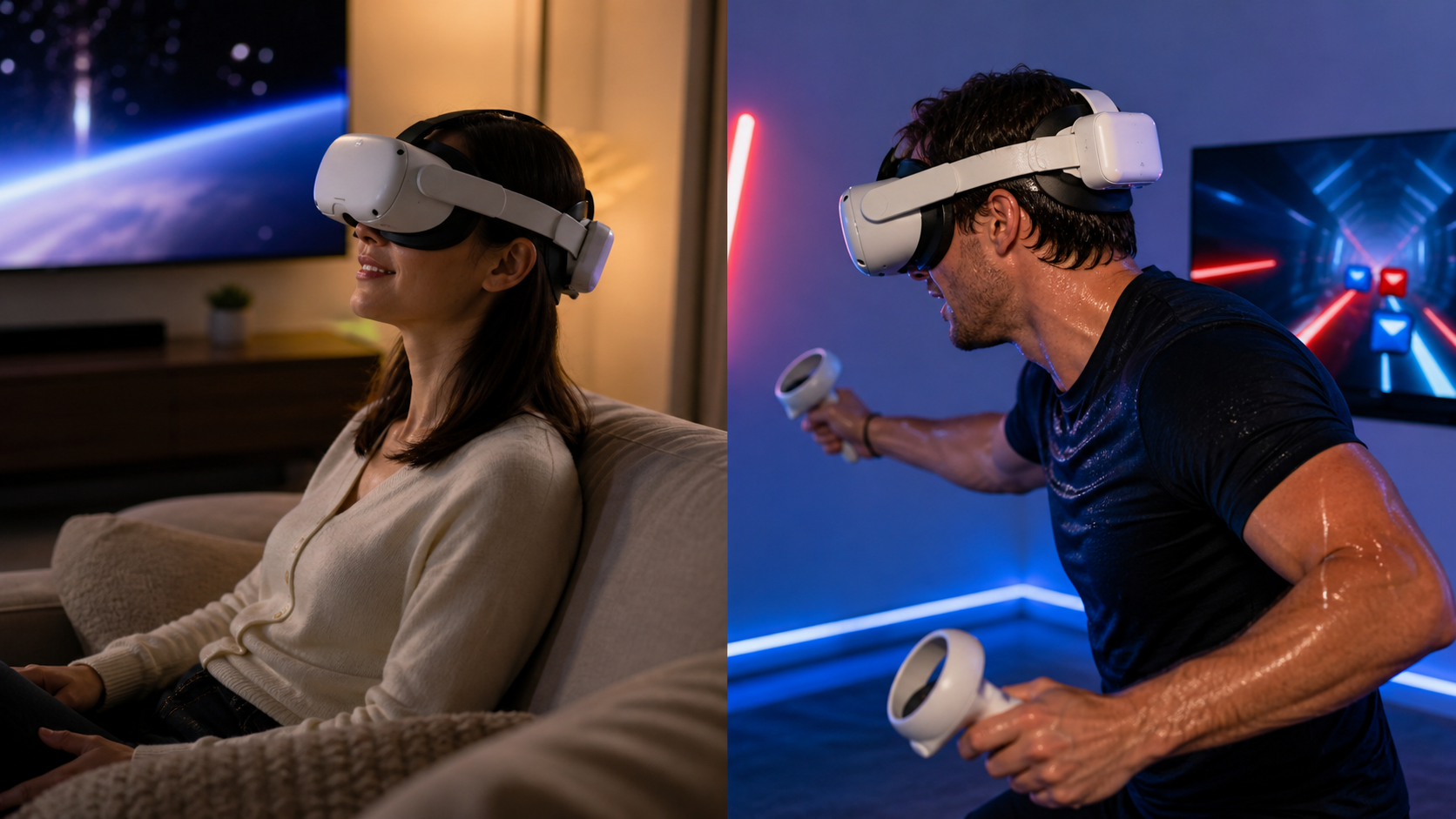
The "is it good?" question is too simple. The real answer depends entirely on how you use the Quest 3. A battery pack feels completely different when you're sitting still versus when you're moving around a lot. In our family, we do a bit of everything, so I saw the pros and cons for each scenario firsthand. The heat wasn't a dealbreaker when my partner and I were watching a two-hour movie. We felt the warmth on the back of our heads, but it was just a minor annoyance. For my nephew playing a high-energy game, it was a different story. The heat, combined with the extra weight, made him uncomfortable fast.
Heat and Comfort Verdict for Different VR Activities
To make it clear, I broke down my observations in a table. This shows how the battery pack performed for each type of activity we tried at home.
| User Type | Heat Concern Level | Our Experience |
|---|---|---|
| Family (Movies/Social) | Low to Medium | Warmth is felt on the back of the head after about 45 minutes. It's noticeable but not a dealbreaker for seated experiences. |
| Fitness (Beat Saber) | High | The combination of body heat, sweat, and battery heat is very uncomfortable. The extra weight also feels unstable during fast movements. |
| Travel (Simulated) | Medium | The extra runtime is essential. Heat is a factor, but being untethered for a long period is the bigger benefit. |
| PCVR (Wireless) | Low | The battery keeps the headset alive for long sessions. The heat is less of an issue because PCVR games often don't push the headset's own processor as hard. |
Could heat concerns be solved by setup changes before buying Quest Battery Pack?
The headset already gets warm. You think a battery pack will make it worse. Is there a simple fix you can try before spending more money on accessories?
Partially, but not completely. Improving room ventilation with a fan or air conditioning helps cool the front of the headset. However, these changes do not stop the battery pack itself from generating its own heat source directly on the back of your head.
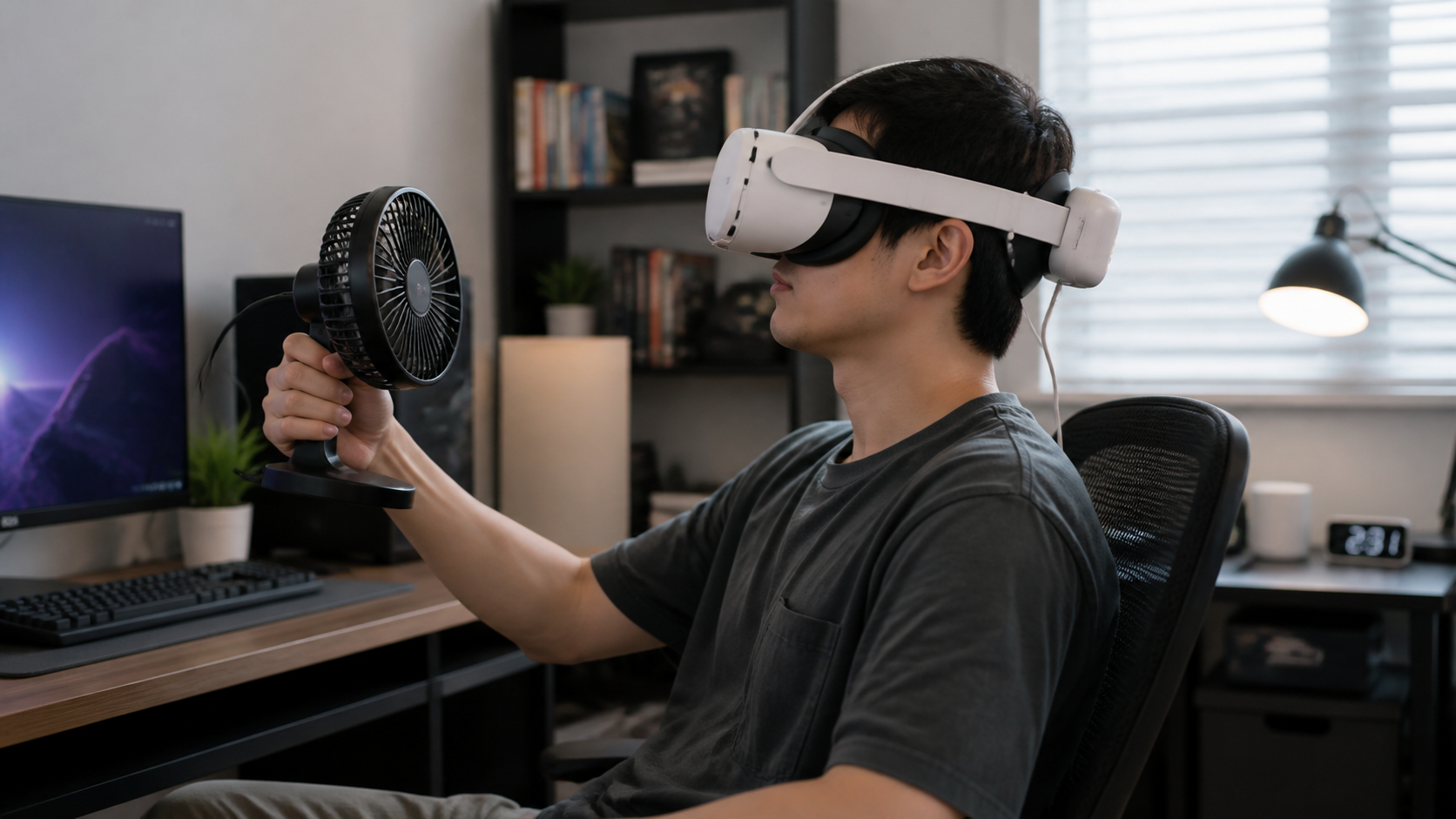
Before committing to the battery pack full-time, I tried to solve the heat problem with my environment. My first thought was that maybe my room was just too stuffy. So, I opened a window and set up a small tower fan next to my play area. This definitely helped with the heat coming from the Quest 3 itself. The front of the headset felt cooler to the touch, and I noticed less lens fogging. But this was a failure case for the battery pack heat. The fan couldn't do anything about the warmth building up on the back of my head, right where the battery was strapped. The heat is generated by the battery discharging power, and no amount of room airflow can stop that process. This taught me that the heat from the headset and the heat from the battery are two separate problems. You can solve one with a good setup, but the other is a fundamental trade-off of using a head-mounted battery.
Is comfort the main buying trigger, or is performance the real reason people search?
Your Quest 3's battery dies too fast. You think you need a battery for more playtime. But is the real issue the front-heavy design, not just the battery life?
Performance, specifically longer battery life, is the main reason people start searching. However, many quickly discover that the added comfort from the battery's counterweight is an equally important, and often surprising, benefit. People buy it for runtime but love it for the balance.
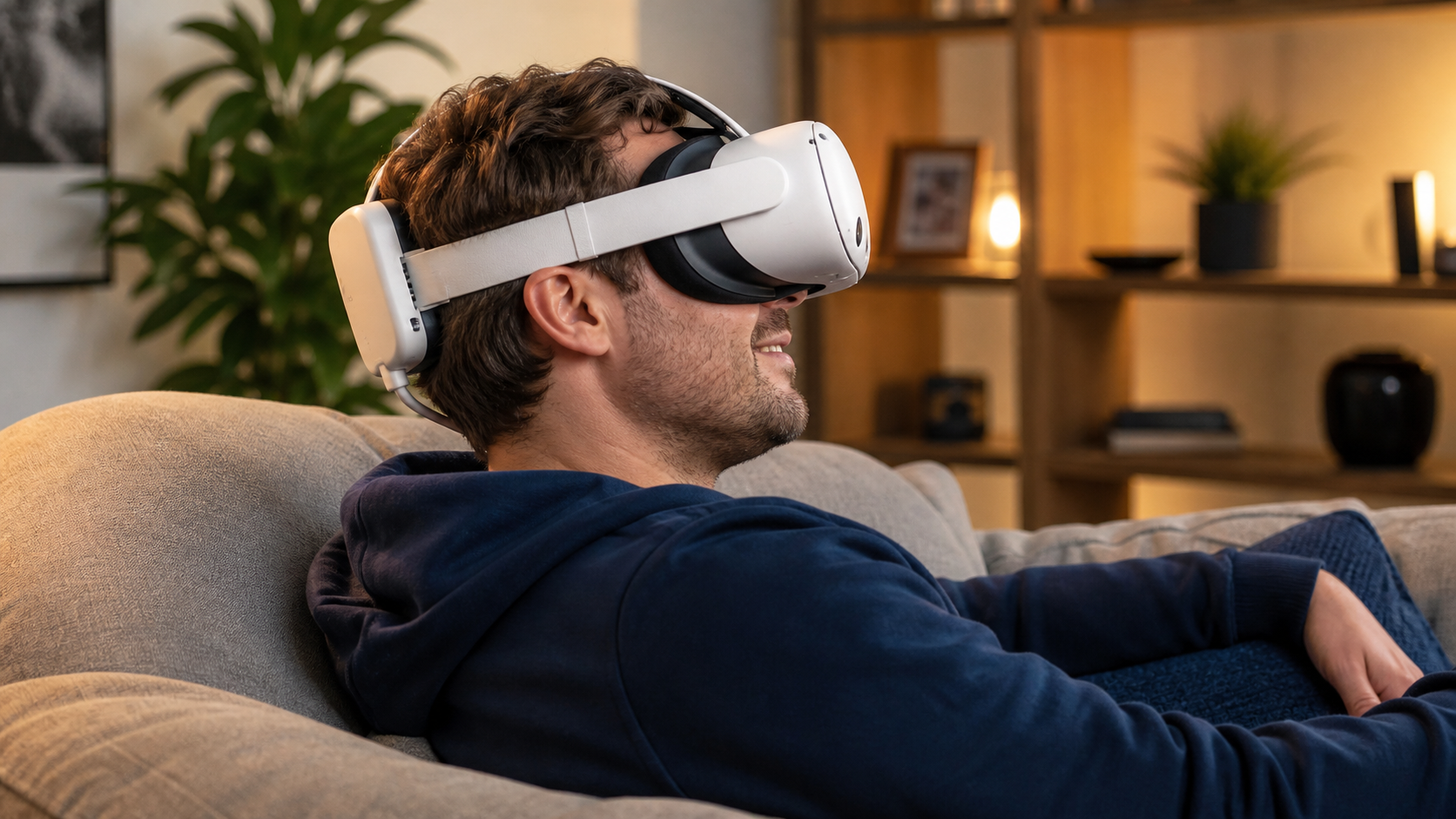
I'll be honest, I bought the battery pack for one reason: performance. I was tired of our family VR sessions being cut short. I wanted to triple our runtime, and that’s exactly what I got. What I didn't expect was the huge improvement in comfort. The standard Quest 3 strap puts all the pressure on your cheeks and forehead. After about an hour, I'd start to feel it. But the battery pack acts as a perfect counterweight. It shifts the center of gravity from the front of my face to the middle of my head. The headset suddenly felt more secure and much lighter on my face. My neck wasn't strained after watching a movie. This was a game-changer for my family. The kids stopped complaining about the headset feeling heavy. So while I came looking for a performance boost, the unexpected comfort is what made this accessory feel essential for our shared use.
Who should avoid this Quest Battery Pack setup even if it looks useful for family sharing on Meta Quest 3?
A battery pack seems like a perfect solution for family VR sessions. But for some people, it will just lead to frustration and a wasted purchase. Who is it not for?
Intense fitness users and people very sensitive to weight should avoid this setup. During fast-paced games, the extra weight creates noticeable momentum, and the combination of sweat and battery heat makes the back of your head uncomfortably hot and distracting.
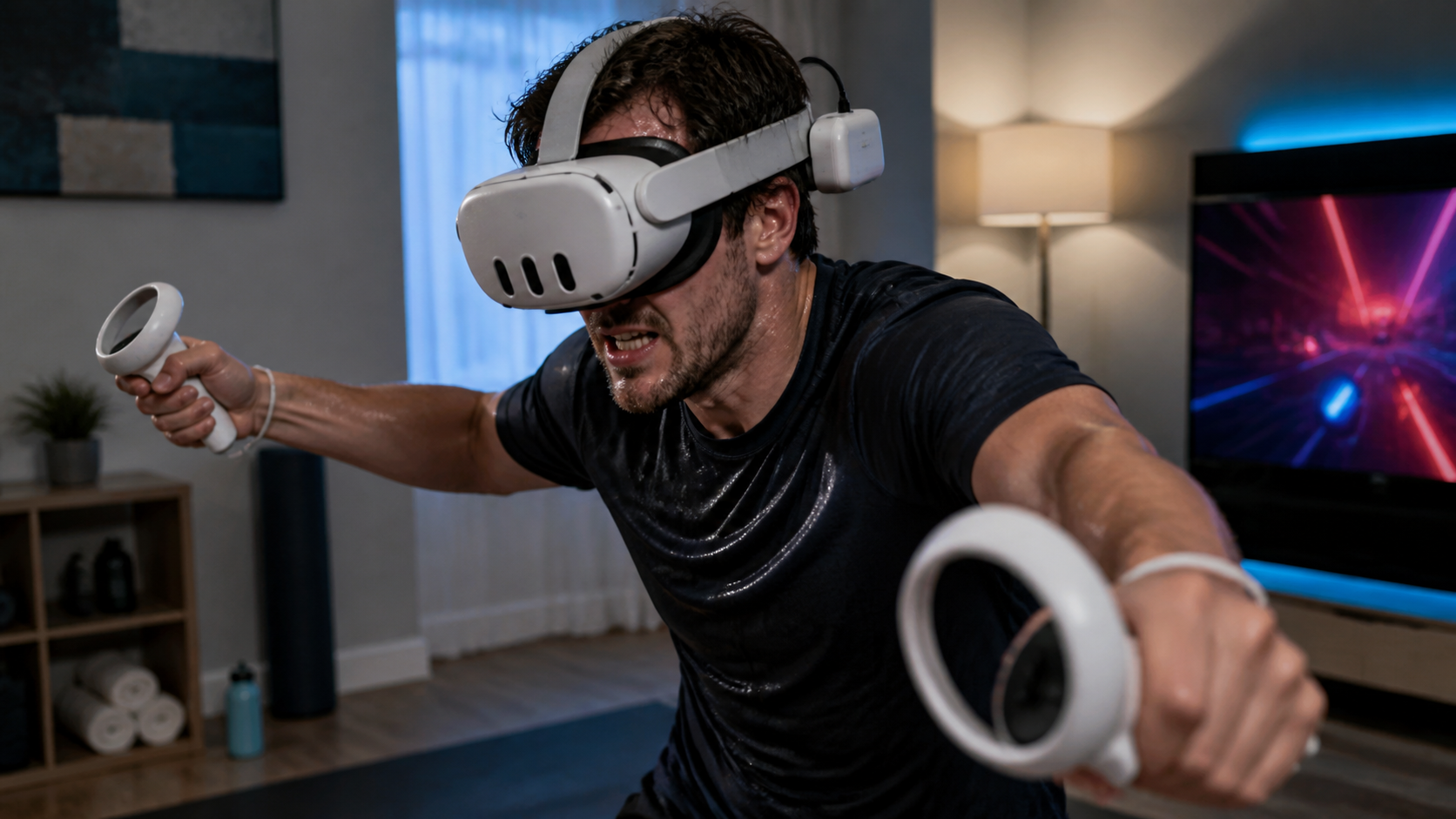
The battery pack failed spectacularly for one specific use case: high-intensity fitness. I love playing Beat Saber to get a workout, but with the battery pack on, the experience was worse. The extra weight at the back of my head felt like it had its own momentum. When I made quick head movements to hit blocks, I could feel the weight lagging slightly, which was disorienting. More importantly, the heat was unbearable. Within ten minutes, the back of my head was a sweaty, hot mess. The strap started to feel slippery, and all I could think about was how hot I was. This is the concrete failure case I was looking for. For my family members who only want to play active games like Gorilla Tag or Supernatural, this setup is a definite no. The added runtime isn't worth the discomfort and distraction caused by the weight and heat during intense physical activity.
Conclusion
The battery pack is a great tool for families who use VR for movies and slower games. It solves the runtime problem. But for intense fitness users, the heat and weight are dealbreakers.
Leave a comment