



Can Long Arms for Gorilla Tag handle fast movement without creating weight balance?

Tired of just missing that next branch in Gorilla Tag? It feels like your arms are just a few inches too short, and it's costing you the game.
Long arms for Gorilla Tag can handle fast movement, but they introduce a noticeable weight imbalance. This imbalance affects your swing timing and can cause wrist fatigue, especially during rapid, repetitive motions like branching or wall climbing, requiring a significant adjustment period.
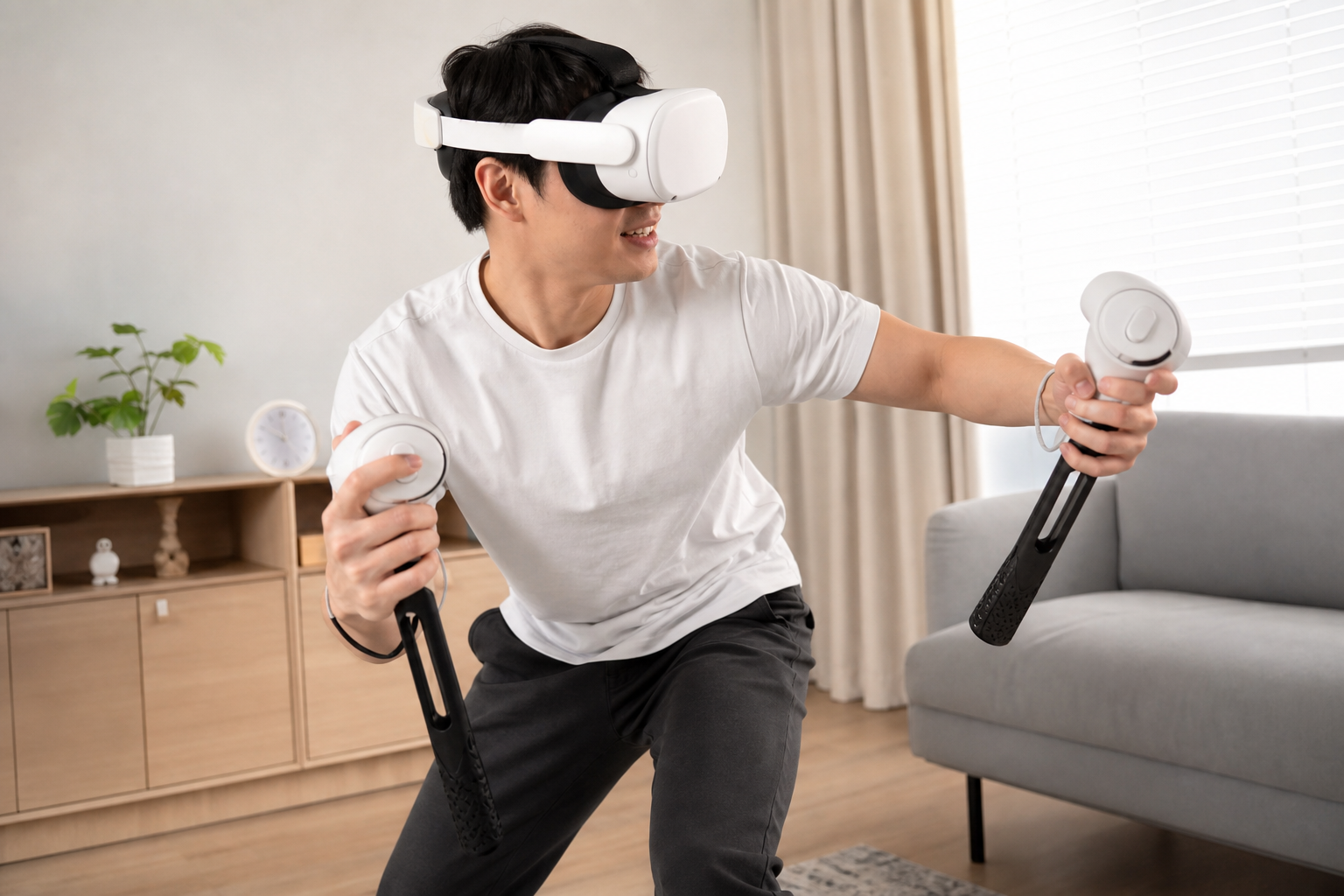
This isn't just another accessory review. I'm a player with a small room, using the standard Quest Touch Plus controllers, and I wanted to see if these extenders were a real solution or just another gimmick. I spent time in training sessions, focusing on how these accessories felt moment-to-moment. For me, the setup process itself was the first challenge. Younger players, especially, will need help making sure the grips are the right size and the wrist straps are secure. I found that if I didn't get this perfect, a hard downward swing to test the grip would reveal a wobble that threw everything off. This is my honest experience, following my real questions as I tested them. Let's see where they helped and where they just got in the way.
When you practice branching for five minutes and note timing changes, does weight balance feel better or worse?
You're trying to nail a fast branching route. You swing, but your timing is off, and you fall. It’s frustrating when your body knows the move but the equipment feels wrong.
During the first five minutes of practice, the weight balance feels significantly worse. The added length and forward weight of the accessory make your swings feel slow and clumsy. Over time you start to adjust, but the initial feeling is one of fighting against the new momentum.
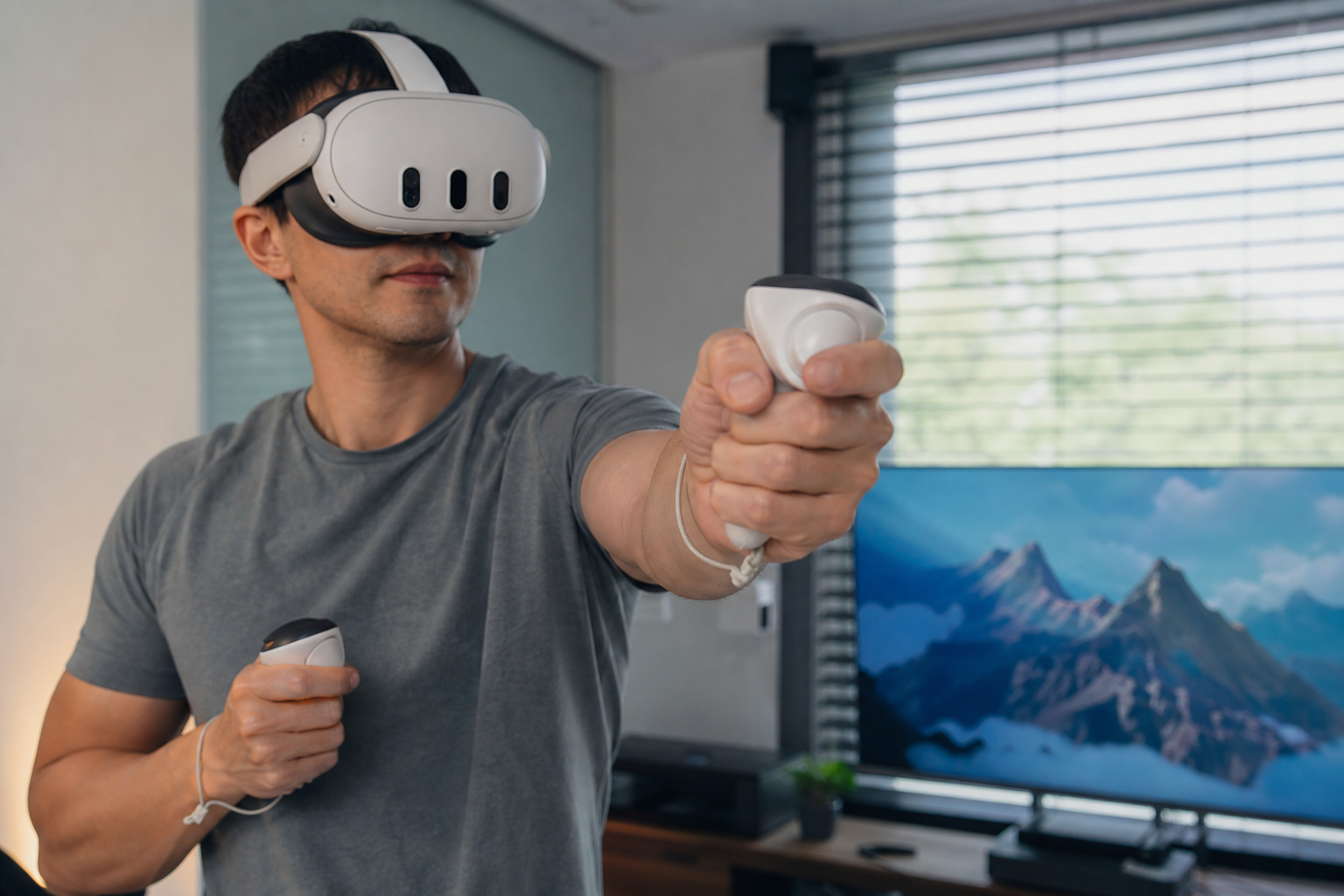
My first few minutes were a mess. I jumped into the forest map to practice a simple route I knew well. The goal was to see if the extra reach made it easier. Instead, I kept overshooting or undershooting my targets. The weight at the end of the extenders changed the entire arc of my swing. It felt like I had attached small weights to the end of my controllers, and my muscles weren't ready for it. I had to consciously swing earlier and with more force to get the same result, which felt unnatural.
Initial Setup and Feel
Before I even started, the setup was key. I made sure the Quest Touch Plus controller was locked in tight. I adjusted the wrist straps to be extra snug because I planned on swinging hard. My first test was just a few hard downward swings in my small play space to check grip security. I immediately noticed the weight balance was off. The controller felt top-heavy, and my wrist had to work harder just to keep it level.
Five-Minute Practice Results
I created a simple table to track my feelings during the short training session. It shows how my perception changed as my body started to adapt.
| Time | Timing Feel | Weight Balance |
|---|---|---|
| Minute 1 | Very slow. Consistently late on grabs. | Feels heavy and clumsy. Hard to control. |
| Minute 3 | Starting to adjust. Landing about 50% of jumps. | Still feels unbalanced, but my wrist is compensating. |
| Minute 5 | Much better. Timing feels more natural. | Balance is manageable, but my forearm feels tired. |
After five minutes, I was doing better. But "better" didn't mean "good." It just meant my arm was getting used to the extra work. The core problem of the weight imbalance was still there.
Could Long Arms for Gorilla Tag feel helpful at first but annoying after repeated use?
That first successful grab with long arms feels amazing. You reached something you never could before. But after a few more minutes, your arms start to burn. Was it worth it?
Yes, absolutely. The initial advantage of increased reach is exciting, but it quickly becomes annoying. After about 15 minutes of continuous, fast-paced play, I noticed significant wrist and forearm fatigue. The strain made precise movements difficult and took the fun out of the game.
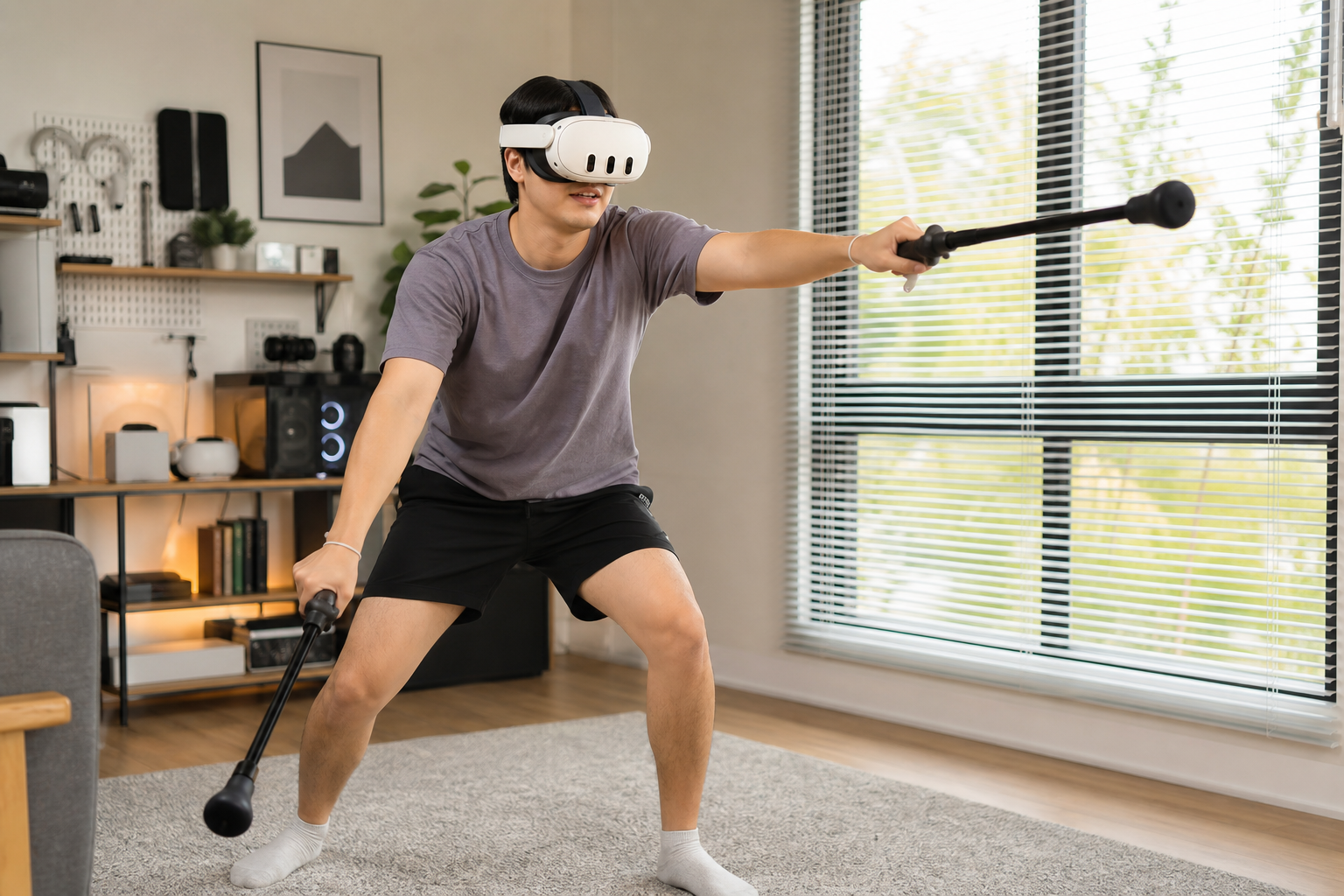
I definitely experienced a "honeymoon phase" with these extenders. For the first few minutes after my initial adjustment period, I was having a blast. I was making jumps and grabbing ledges that were previously just out of reach. It felt like a superpower. I thought I had found the ultimate cheat code for Gorilla Tag. But that feeling didn't last. The game is all about fast, repeated arm movements. Every single one of those movements was now harder because of the extra weight. It started as a small annoyance, a little burn in my forearm. But after 15 minutes of non-stop branching and wall-climbing, it turned into real fatigue. My movements became sloppy. I wasn't just missing jumps because of timing anymore; I was missing them because my arm was too tired to move fast enough. The accessory that was supposed to help me was now actively holding me back.
Can the user recover quickly when the accessory gets in the way?
You swing for a high branch, but the plastic extender hits your low ceiling. The controller is knocked loose, your view is spinning, and you hear a monkey laugh as you get tagged.
No, recovery is much slower and more difficult. The added length increases the chance of hitting things in your play space. When a collision happens, the extender can knock your controller, break your immersion, and leave you vulnerable. Fixing it takes precious seconds you don't have.
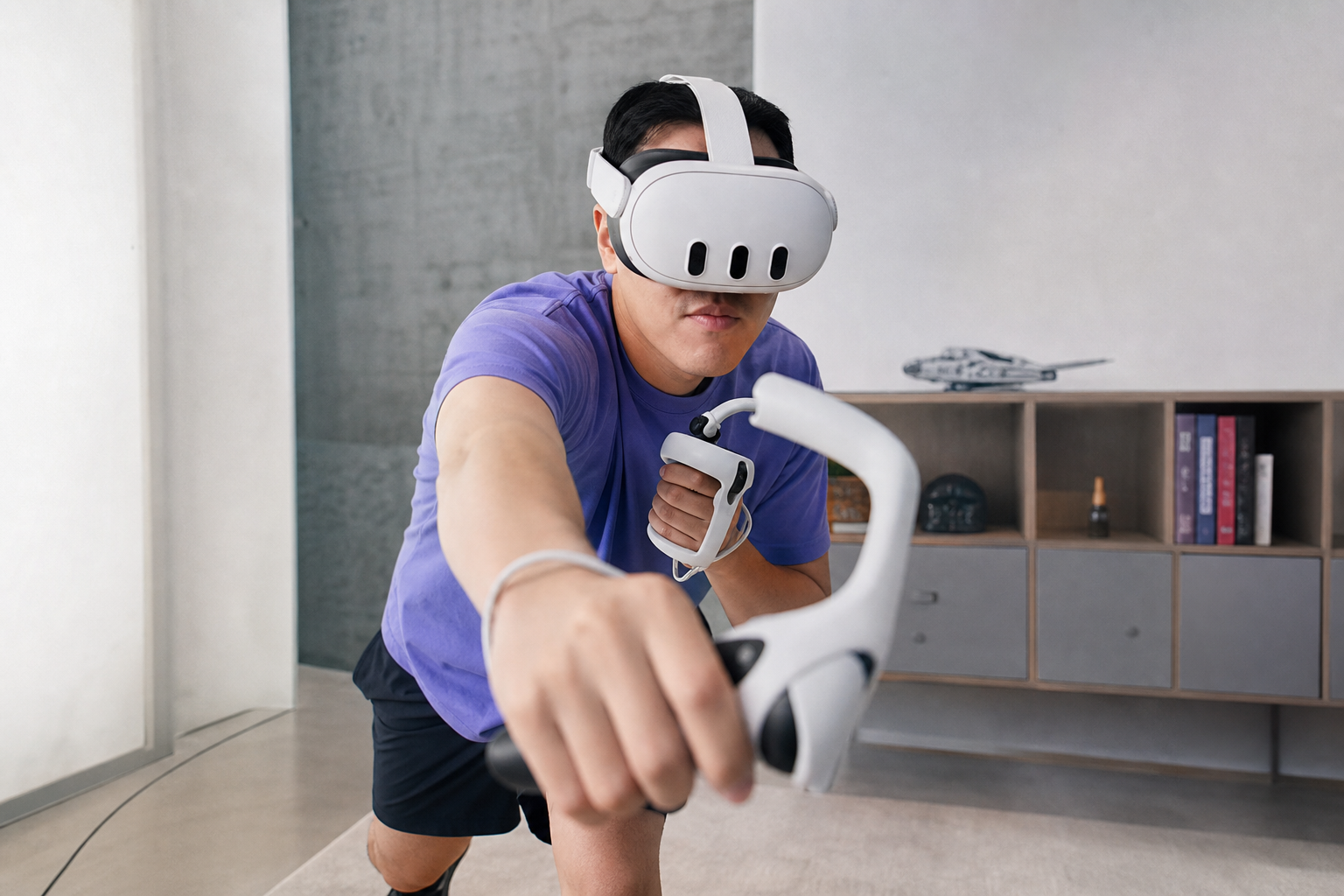
I learned this the hard way. My play space is my bedroom, which is not very big. I have a desk, a bed, and a chair. I'm usually pretty good at avoiding them. But with the long arms, my mental map of my safe zone was suddenly wrong. During one intense chase, I swung my arm back to launch myself forward and the end of the plastic handle smacked right into my desk. The impact wasn't hard, but it was enough to jolt the controller in my hand. My grip shifted, my in-game hand went flying off in a weird direction, and I lost all momentum. I was a sitting duck. The other player tagged me easily while I was still trying to figure out what happened. Recovering wasn't just about getting back in the game; it was about physically re-securing the controller and mentally resetting my position in my room. That entire process is a huge disadvantage in a game as fast as Gorilla Tag.
Could a cheaper or simpler setup answer this training sessions and weight balance problem just as well?
You want to improve your reach and speed. You see these long arm accessories, but you wonder if there's a better way that doesn't involve weird weight balance and wrist pain.
Yes, a simpler approach is often better. Mastering the game's core mechanics without accessories will make you a better player overall. Simple grip covers for better controller security or just dedicated practice can solve the problem more effectively than a complex, heavy extender.
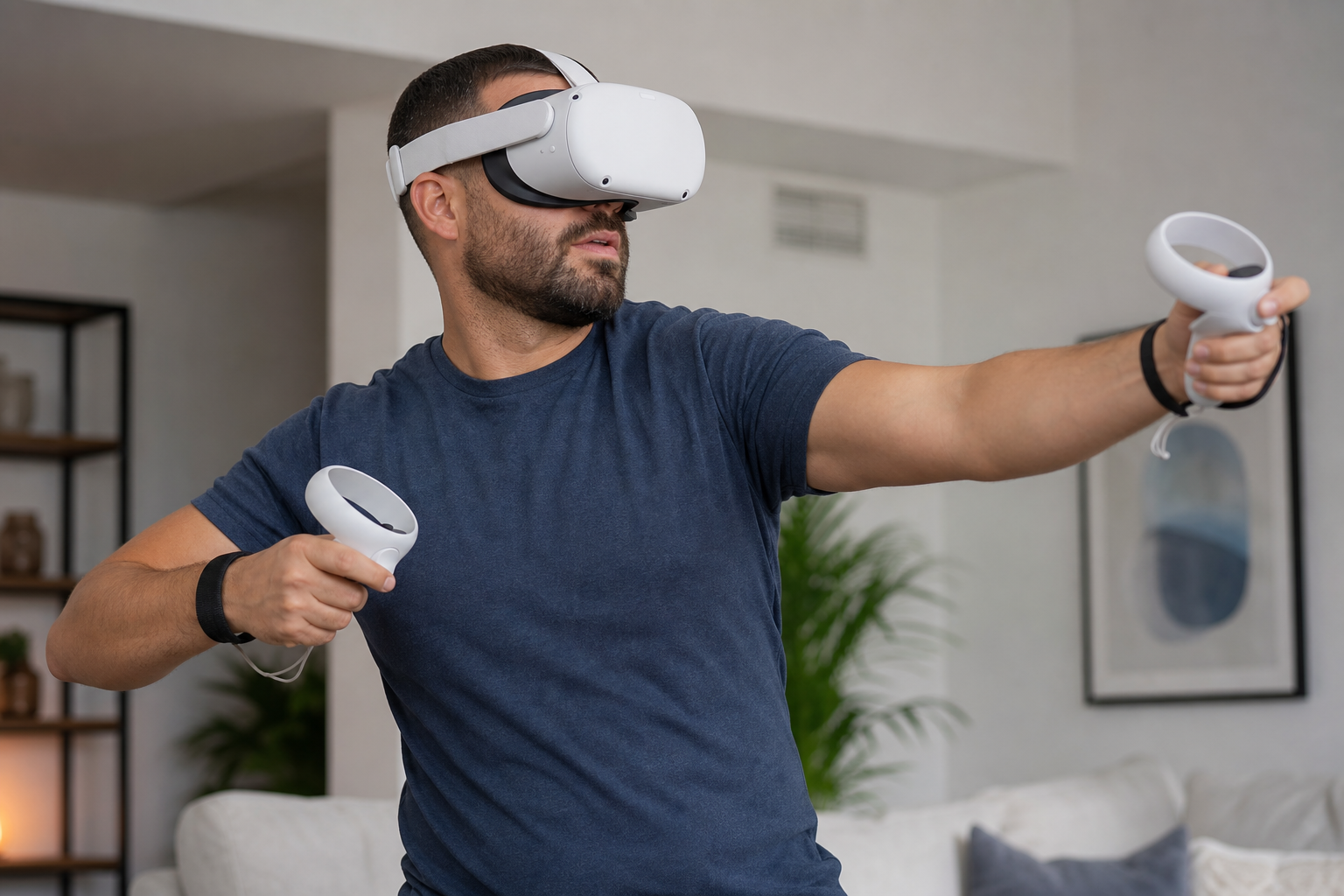
After my frustrating experience, I contrasted the "accessory" setup with what I'd call an "experienced player" setup. The long arms are a shortcut that comes with big trade-offs. An experienced player doesn't rely on them. Instead, they focus on perfecting their technique with the standard controllers. They learn the exact physics of the game, optimize their routes, and build the right muscle memory. There are simpler things that can help. A good set of silicone grip covers can give you more confidence in your swing without adding any length or awkward weight. You could even use light wrist weights outside of the game to build arm strength, which will help your stamina during long sessions. Ultimately, no accessory can replace skill. Spending your time practicing smart movement and precise timing will give you better and more consistent results than strapping a plastic stick to your controller ever will. These long arms might be fun for a few minutes, but they are not a real training tool.
Conclusion
Long arms give you reach but introduce weight balance issues and fatigue. They can be fun briefly, but mastering the game with standard controllers is a much better long-term strategy.
Leave a comment