



Can Beat Saber Grips make Expert+ maps safer, or does it add another risk?

You're trying to clear that Expert+ map, but your controllers keep slipping. Your wrists ache. You wonder if those Beat Saber grips everyone talks about are the answer.
Beat Saber grips can make Expert+ maps feel safer by improving controller security and reducing wrist strain. But, they can also introduce risk by altering the saber angle you're used to, which might require significant readjustment in your muscle memory and in-game settings to avoid missing notes.
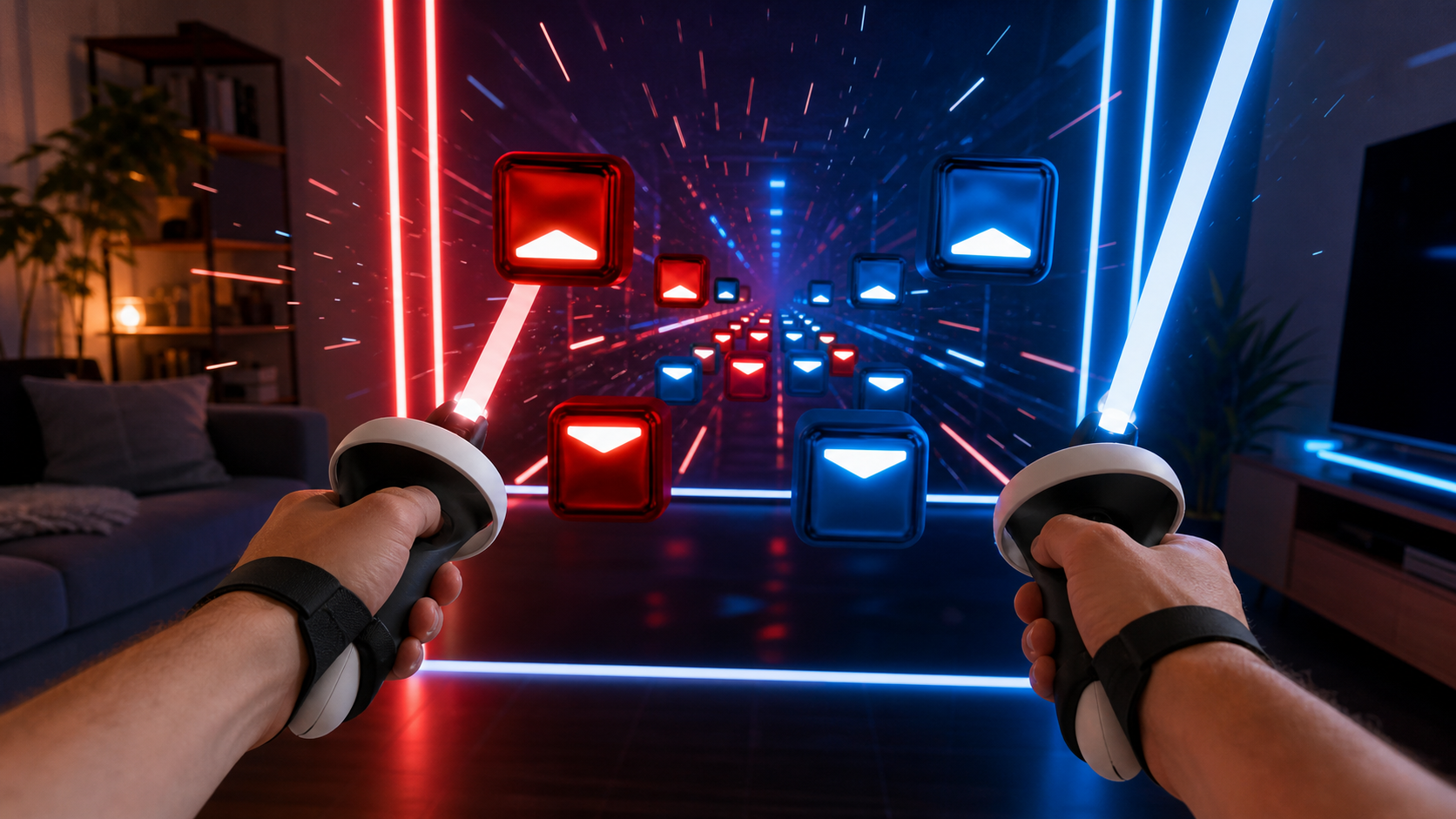
My family and I share our Meta Quest 3, and Beat Saber is a house favorite. Switching between users is easy, but finding a setup that works for everyone is tough. I was hitting a wall on Expert+ maps. My grip would feel insecure during fast, cross-body cuts, and my confidence would drop. I bought a set of controller grips, hoping for a simple fix. I wanted to see if they could give me the consistency I needed without messing up the saber angle that I had spent months building muscle memory for. This is what I found after testing them where it matters most: in the heat of an Expert+ song.
Does Beat Saber Grips still help when watch whether the grip changes saber angle too much?
You add grips for security but suddenly start missing easy blocks. The new hold feels good, but your score is dropping. It is a frustrating and confusing problem.
Yes, grips can still help, but only if you are willing to recalibrate. The added security from a grip often forces a new hand position, which subtly changes the saber's angle. You must go into the settings and adjust the angle to match your new hold.
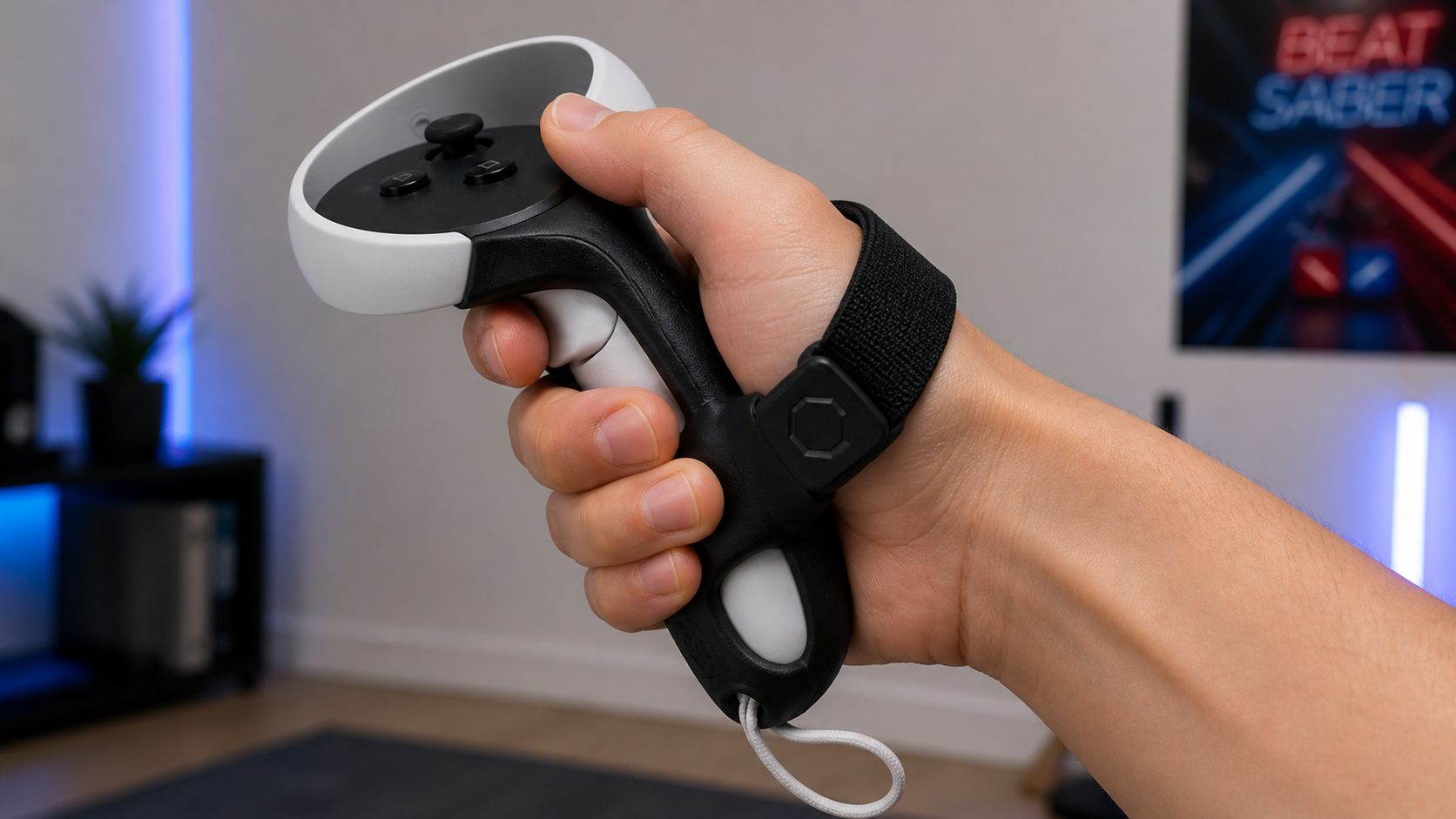
When I first attached the grips, the controller felt amazing in my hand. It was more substantial, and the knuckle strap meant I could relax my fingers without fear of launching a controller across the room. I jumped into a familiar Expert+ map, feeling confident. That confidence lasted about thirty seconds. I started missing cuts I never miss. The saber just wasn't where my brain expected it to be. The grip had shifted my hand's natural resting position just enough to throw the angle off by a few degrees. In normal gameplay, you might not notice. On Expert+ maps, a few degrees is the difference between a full combo and a fail screen.
Initial Feel vs. In-Game Reality
The immediate benefit of the grip was security. But that security came at the cost of my established muscle memory. The problem was most obvious on fast streams of blocks that required precise wrist flicks. The saber felt like it was lagging or angled slightly downward. I had to consciously over-correct my swings, which was not sustainable.
| Grip Style | Bare Controller Feel | With Grip Accessory Feel |
|---|---|---|
| Standard Hold | Familiar angle, but requires a tight grip during fast sections. Can cause hand fatigue. | More secure and comfortable. But, it often forces the hand slightly lower, changing the upward angle of the saber. |
| Claw Grip | Offers precise wrist action. But, it is very insecure and high-risk for controller drops or slips. | Knuckle strap makes it much safer. But, the extra bulk can interfere with the specific finger placement needed for this grip. |
What should be measured before claiming Beat Saber Grips fixes saber angle?
You feel like the grips are helping, but your scores are inconsistent. How do you prove to yourself that the change is actually an improvement and not just a placebo effect?
To claim grips fix saber angle issues, you need objective data. Measure your accuracy percentage, average score on a specific song, and note any changes in wrist strain over multiple sessions. Relying on "feel" alone is not enough, as it can be misleading.
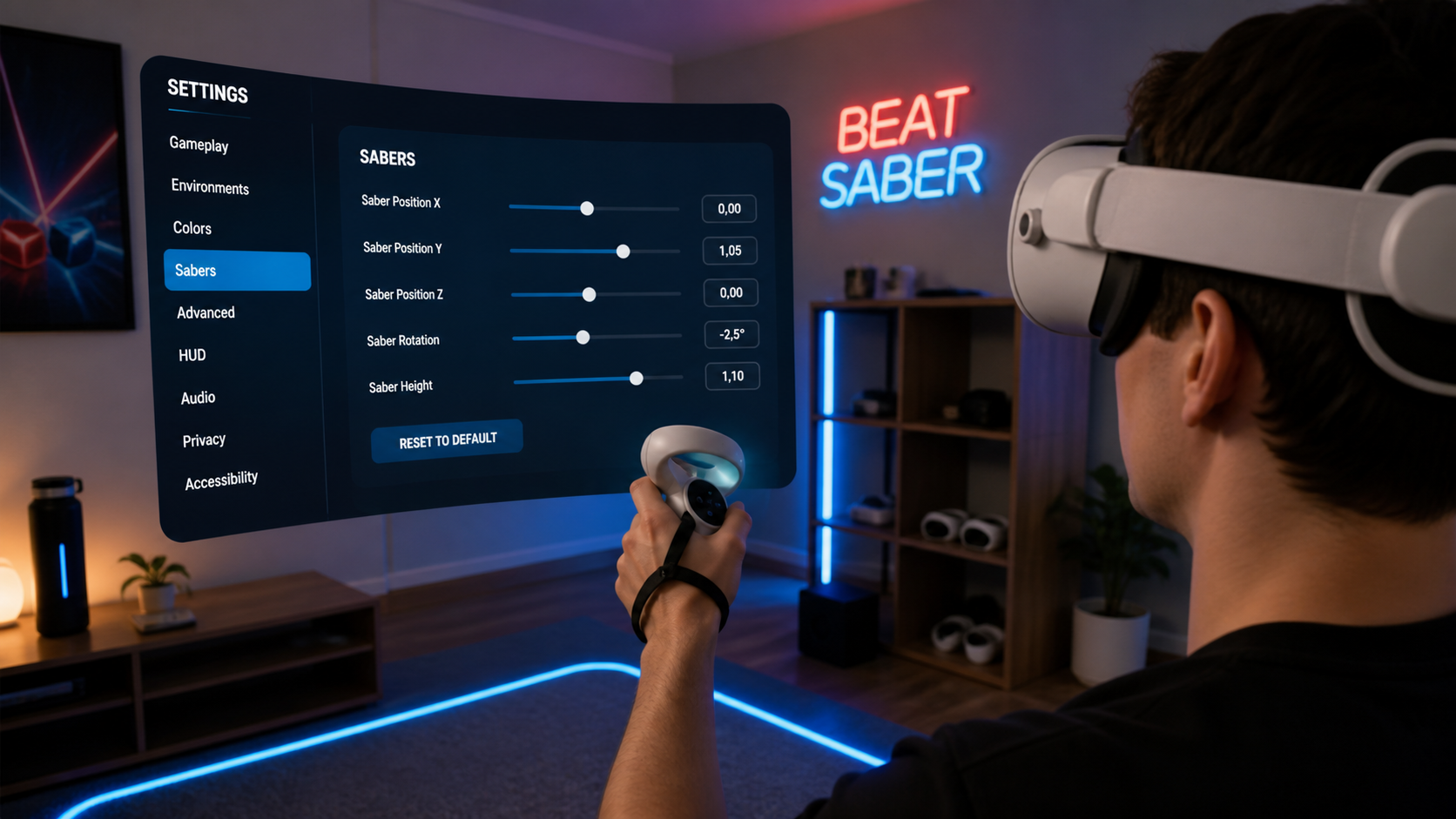
I realized I couldn't just trust my gut feeling. I needed to test this properly. So, I picked one Expert+ song I was very familiar with. My plan was to play the first two minutes of the song ten times with the bare controllers, then ten times with the grips after adjusting the in-game saber angle. I recorded my score and accuracy for each run. I also made a mental note of how my wrists felt after each set of ten. This wasn't a perfect scientific experiment, but it gave me concrete evidence instead of just a feeling. The process of dialing in the new angle was annoying. It took a lot of small tweaks in the settings menu, jumping in and out of the song. But without this step, the grips were actively making me a worse player. Measuring my performance was the only way to confirm I had corrected the problem.
Is comfort the main buying trigger, or is performance the real reason people search?
You see ads for grips promising higher scores and better combos. But you also hear people talking about how much better their hands feel after long sessions. What is the real reason to buy?
While comfort is a major buying trigger, especially for fitness players, the search for a competitive edge is what drives many Expert+ players. They hope better grip security will translate directly into higher scores and more consistent performance on difficult maps.
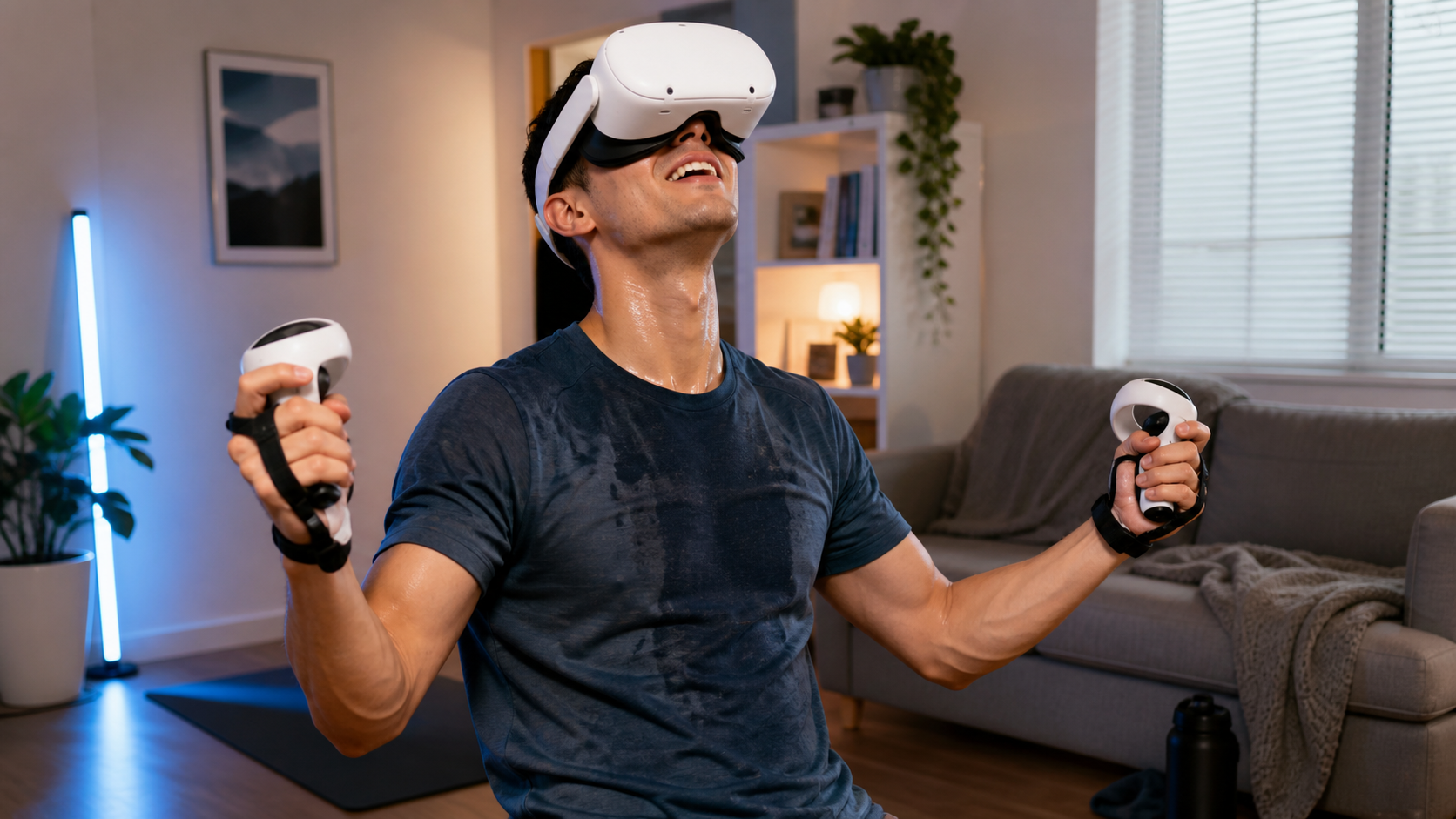
For me, it started with performance. I was failing maps because I felt my grip loosen during intense sections. The fear of dropping the controller made me hesitate, and in Beat Saber, hesitation is death. I wanted an accessory that would let me swing with full confidence. The comfort was a secondary benefit, but one I quickly came to appreciate. After an hour of playing, my hands used to cramp up from squeezing the controller so tightly. With the grips and knuckle straps, I could relax my hands between swings, which significantly reduced fatigue. This meant I could play for longer, which in turn led to more practice and better performance. So, the two are connected. People might search for a performance boost, but they stay for the comfort that allows for more consistent practice. The initial reason was to stop my controllers from slipping, but the reason I kept them on was the reduced strain on my hands.
Would a negative Expert+ maps test still help buyers understand saber angle on Meta Quest 3?
You test a new accessory, and it makes your performance worse. Your first instinct is to return it and leave a bad review. But is that failure still useful information?
Absolutely. A negative test is incredibly helpful. It teaches a buyer about their own specific needs and playstyle. Finding out that a certain grip style doesn't work for you helps you understand what to look for in the future and highlights the importance of saber angle.
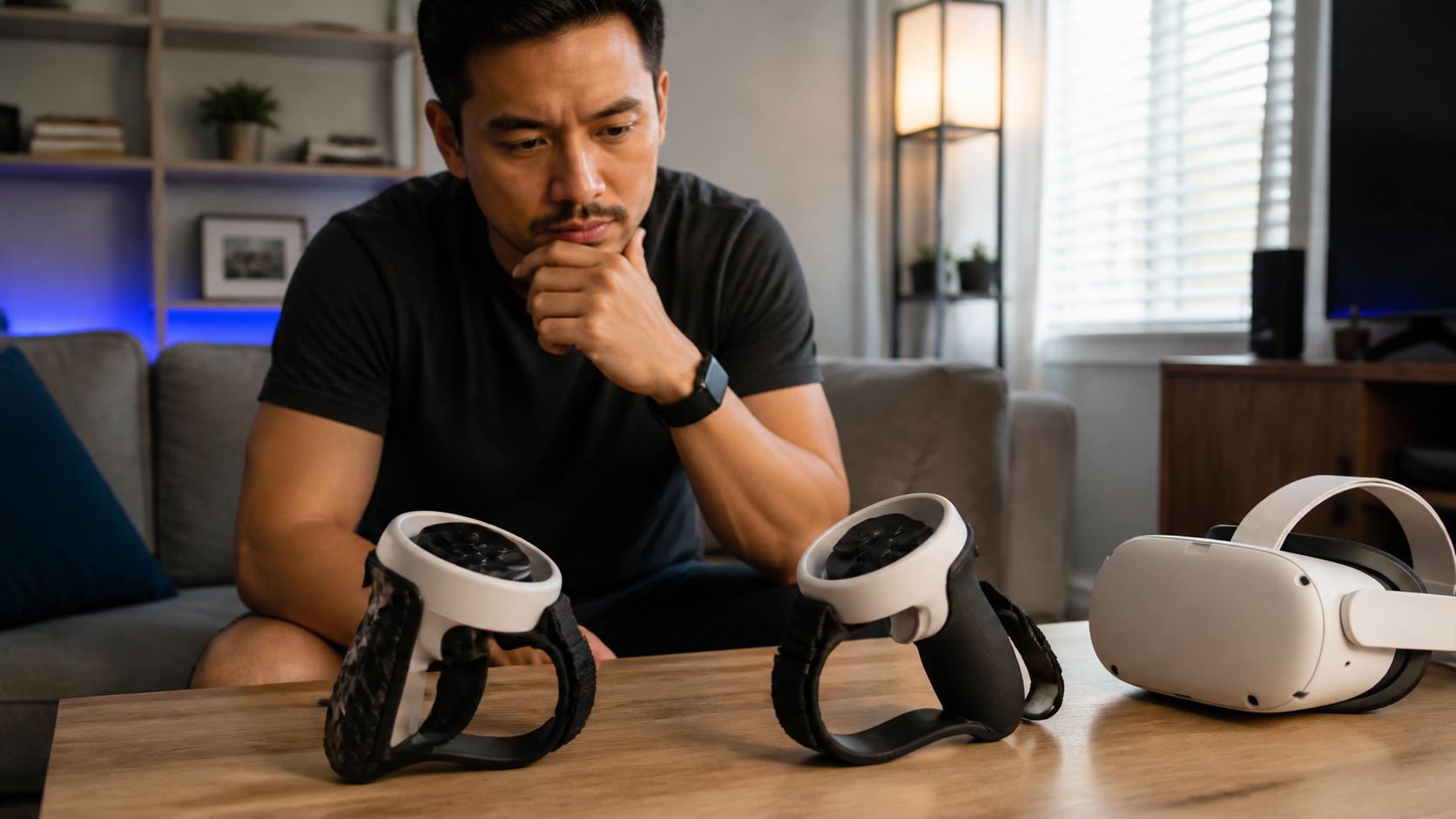
Even if my tests had shown the grips were a complete failure for my Expert+ goals, the experience would have been valuable. It would have forced me to analyze my own grip style and understand exactly why it wasn't working. For instance, if a grip forced my hand into an uncomfortable position for cross-body swings, I would know to look for a more minimalist grip in the future. A negative result is a data point. It tells you what to avoid. For other buyers, reading about my negative experience would help them make a better choice. If they share my playstyle, they'll know to be cautious. A review that just says "this is bad" is useless. A review that says "this grip shifted the angle down and made fast upward swings difficult" is extremely helpful. It helps everyone understand that there is no one-size-fits-all solution and that personal testing is key. Failure is just as important as success when it comes to finding the perfect VR setup.
Conclusion
Grips offer security and comfort, which helps on Expert+ maps. But they demand you readjust your saber angle. They help players who need confidence but may frustrate those with perfected muscle memory.
Leave a comment