



Can a VR Sweat Mask make daily workouts safer, or does it add another risk?

Daily VR workouts are great, but sweat-soaked foam pads are not. This hygiene anxiety made me question if our family's Meta Quest 3 would last.
A VR sweat mask can make workouts safer by absorbing sweat before it soaks into the headset's foam, reducing skin irritation and bacteria buildup. However, a poor fit can introduce new risks like blocking sensors or causing discomfort, making it less safe than a simple wipeable facial pad.
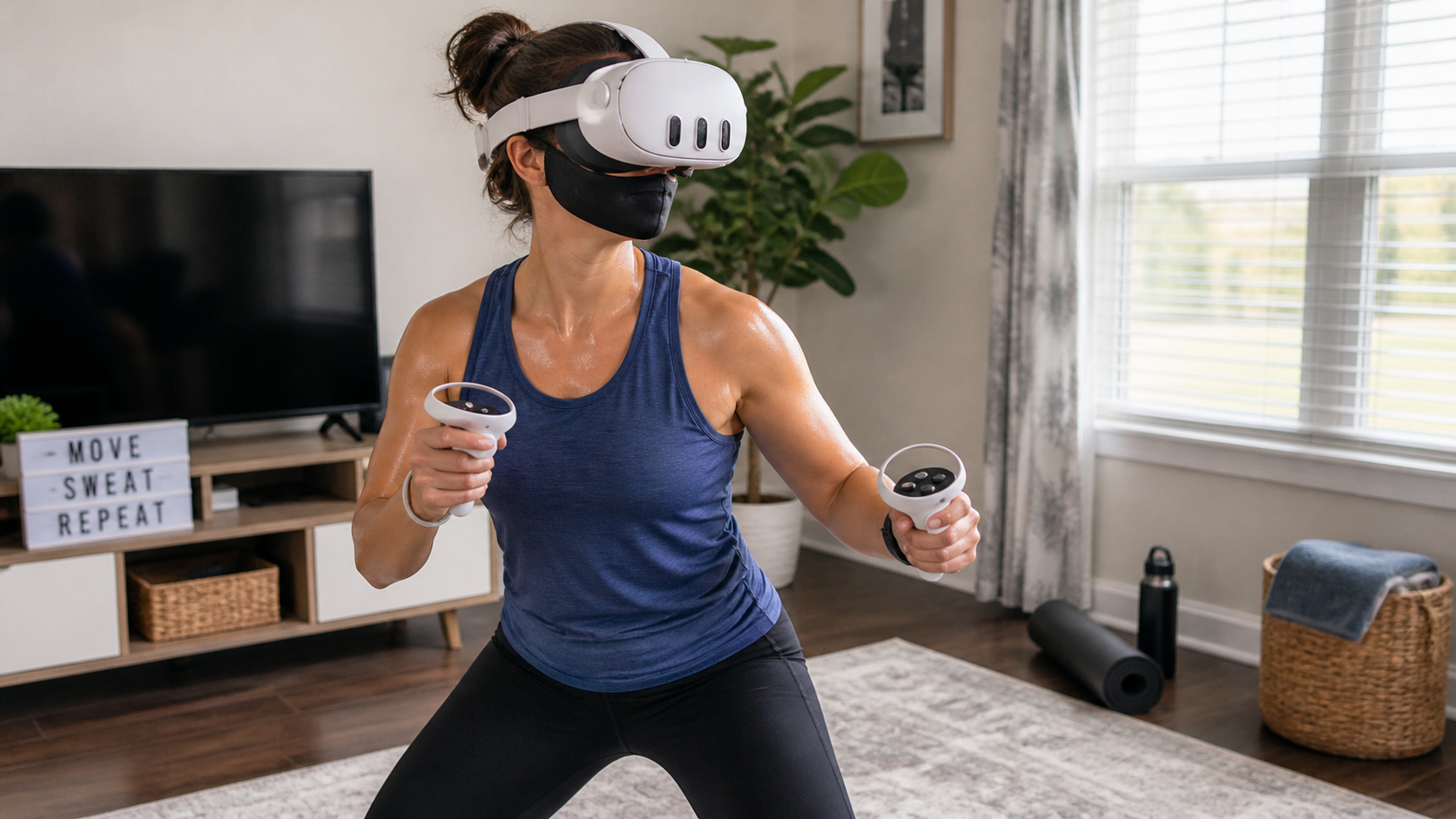
When my partner and I started using our Meta Quest 3 for daily fitness, we hit a snag. The foam facial interface became a sweat sponge. It felt gross, and I worried about hygiene, especially with us sharing the headset. I needed a solution that would protect the device and our faces without adding a new set of problems. A VR sweat mask seemed like the obvious answer, but I had to know if it really worked or just created another hassle. I decided to test it myself and see if it could stand up to our daily routine.
Does a post-workout pad comparison photo answer the buyer's main doubt about hygiene in daily workouts?
Your headset's foam pad gets damp and smelly after a good workout. It feels unhygienic, and you worry about bacteria. A photo might show a fix.
Yes, a comparison photo is powerful proof. Seeing a sweat-stained pad next to a perfectly clean one protected by the mask removes doubt. It visually confirms that the mask absorbs the sweat, keeping the headset's foam dry and hygienic for the next user.
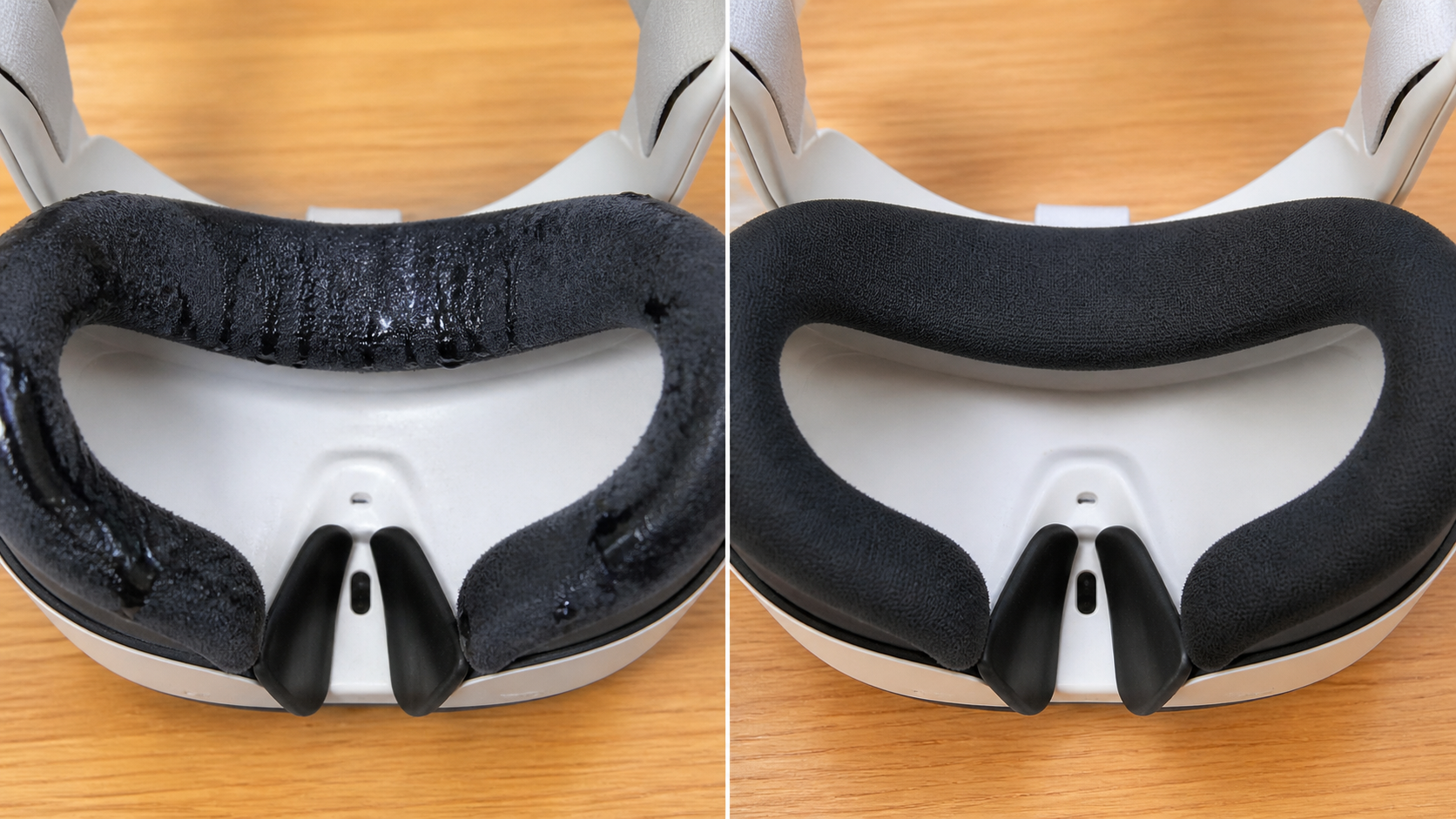
Seeing is believing. Before using a mask, the stock foam pad on our Quest 3 was a disaster after a 30-minute session of Supernatural. It was visibly damp and felt cold and unpleasant to the touch. My main worry was the long-term effect. Would it start to smell? Would it harbor bacteria and cause skin issues? The idea of pressing that same damp foam to my face the next day was not appealing. After I started using a sweat mask, the difference was night and day. I took the headset off, peeled the mask away, and the foam pad underneath was completely dry. The mask had absorbed everything. This visual confirmation was all I needed to feel better about the hygiene of our daily VR workouts.
Post-Workout Pad Condition
The table below breaks down what I observed. It clearly shows how the sweat mask changed the post-workout experience and solved my primary hygiene concern.
| Feature | Without Sweat Mask | With Sweat Mask |
|---|---|---|
| Sweat on Foam Pad | Visibly damp and soaked | Completely dry |
| Immediate Hygiene Feel | Gross and unclean | Clean and ready for next use |
| Long-Term Concern | Bacteria growth, odor | None, foam is protected |
Does a wash-and-dry time note make the recommendation more trustworthy?
So the mask works, but now you have a sweaty mask to deal with. If it's hard to clean or slow to dry, you can't use it tomorrow.
Absolutely. Including wash-and-dry times shows that I've tested the mask for real daily use, not just once. It adds practical, real-world detail. A recommendation is more trustworthy when it addresses the entire lifecycle of the product, including maintenance.
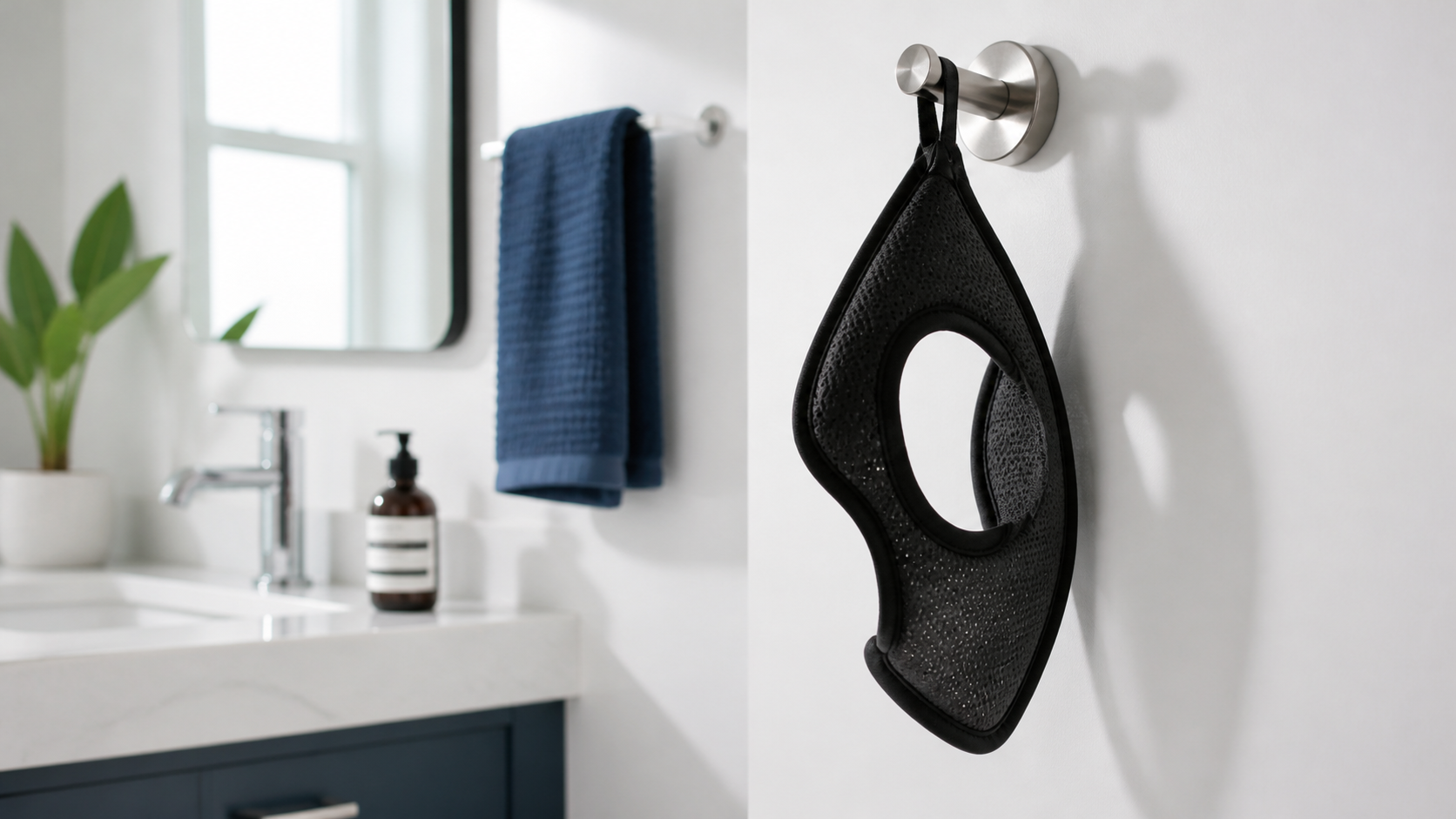
A solution is only a solution if it's convenient. A sweat mask that takes 24 hours to dry isn't practical for someone who works out every day. So, I made sure to test this part carefully. After each workout, I would take the mask to the sink, add a drop of hand soap, and wash it by hand for about a minute. Then I'd rinse it, squeeze out the excess water gently, and hang it up to dry. I found that it would air dry completely in about four hours in my bathroom. If I was in a hurry, placing it in front of a small fan cut the drying time to less than an hour. This quick turnaround is what makes it a viable tool for a daily fitness routine. My honest advice is to buy a two-pack. That way, you always have a clean, dry one ready to go while the other is being washed. It removes any time pressure and makes the whole process effortless.
Is fit under the facial interface the deciding factor for this topic?
You have a clean, dry mask ready to go. You put it on, but it feels weird under the headset. It bunches up and lets light in.
Yes, fit is everything. If the mask doesn't sit smoothly under your facial interface, it's useless. A poor fit can cause light leakage, block sensors, or create pressure points. The experience can become so annoying that it outweighs the hygiene benefits entirely.
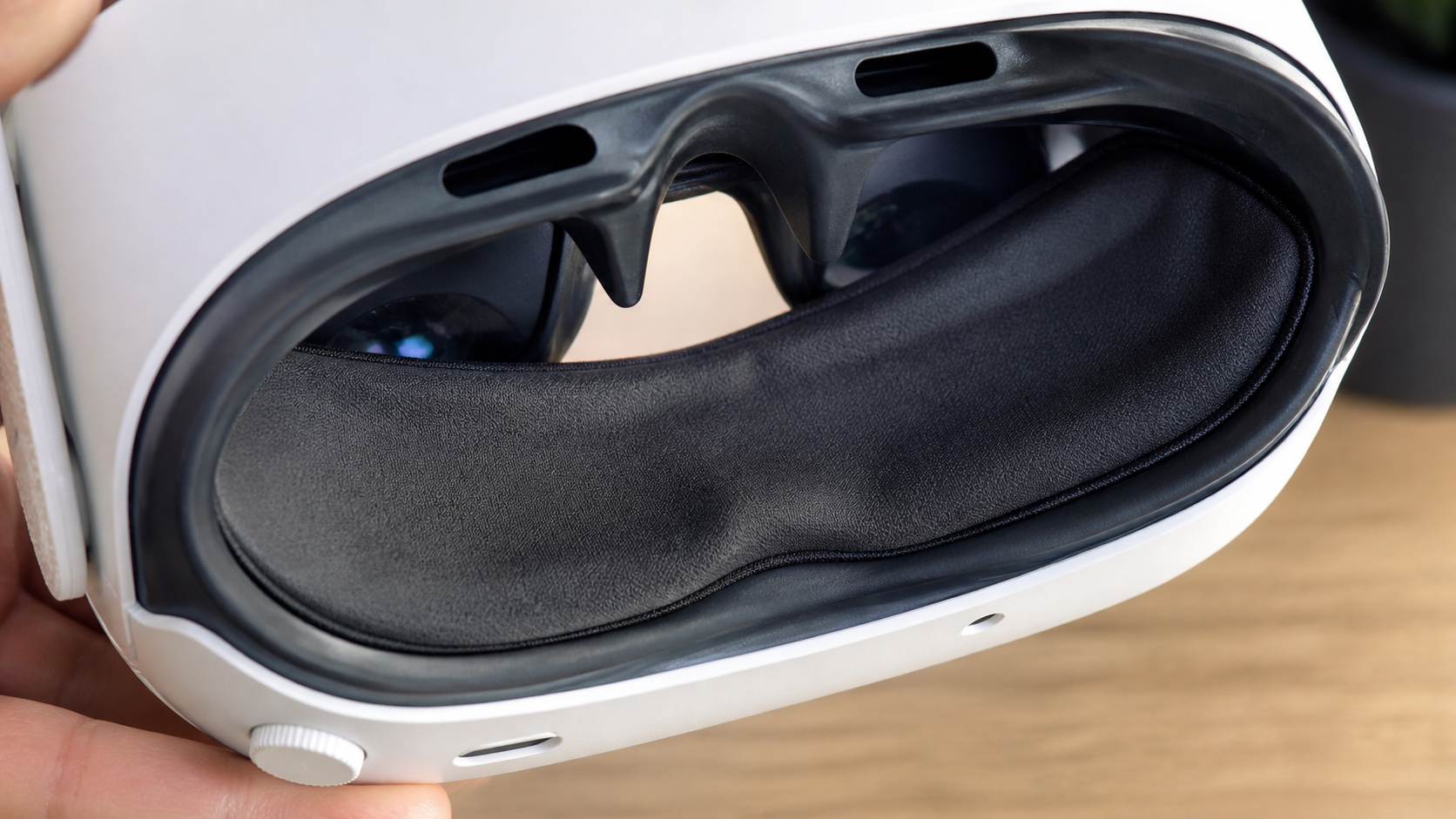
This is where my experience split into two very different stories. Initially, I used the sweat mask with the standard, sealed facial interface that came with the Quest 3. It felt a little crowded. The extra layer of fabric, though thin, sometimes bunched up near my nose. This created a small but distracting light gap. It also felt warmer because there was less room for air to circulate. It worked for hygiene, but the comfort was a step down.
Then I tried the mask with an open-style facial interface, similar to the one X-super Home makes. This was a game-changer. The open design leaves more space around the face, so the mask laid flat and felt completely natural. There was no bunching, no new light leaks, and the airflow was much better. The mask and the open interface worked together perfectly. So, the deciding factor isn't just the mask itself, but how it pairs with your facial interface. For users with a sealed interface, the fit can be a real problem.
What real-life caveat should appear before recommending VR Sweat Mask for daily workouts?
You're about to buy a sweat mask, thinking it's the only fix. But wait, is there an easier way to solve the sweat problem every day?
The biggest caveat is this: a wipeable facial interface is often a simpler, faster solution. Instead of washing a fabric mask, you just wipe the PU leather or silicone pad clean in seconds. For daily users, this convenience can easily outweigh a mask's benefits.
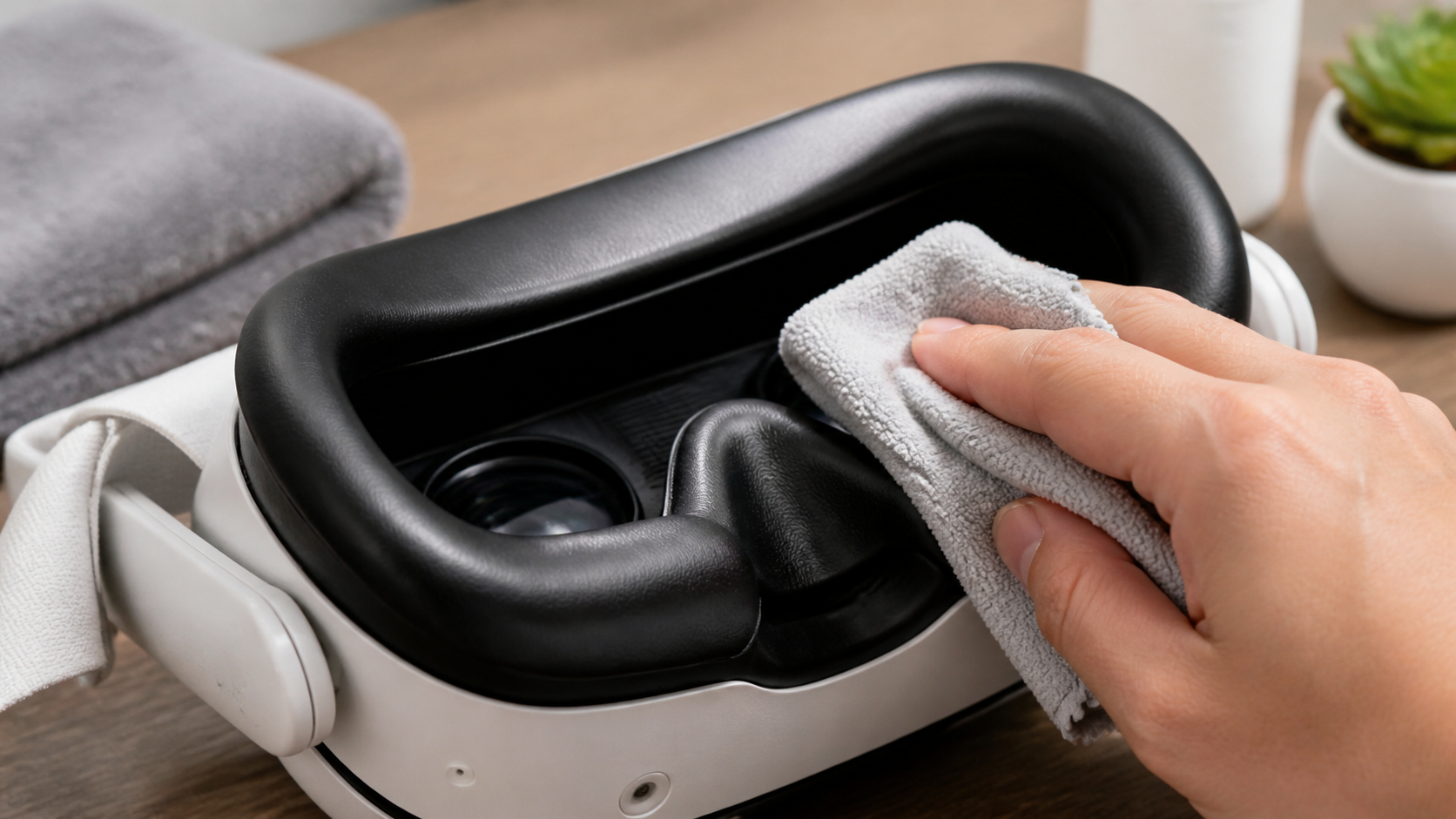
Here is the honest truth from my testing. While the sweat mask is great at protecting the original foam, it isn't a perfect solution. I still found that on very intense workouts, some sweat could drip down my forehead and past the mask. And the whole wash-and-dry routine is another chore to add to my day.
This is why I have to mention the alternative: a replacement facial interface with a wipeable surface, like PU leather or silicone. This is the ultimate solution for hygiene and convenience. After a workout, you just take a cloth or an antibacterial wipe, clean the surface, and it's done. It takes 10 seconds. There's no washing, no drying, and it’s always ready.
So who should use a sweat mask? I think it's best for people who want to protect their original stock foam above all else, perhaps to maintain the headset's resale value. It's also good for those who find wipeable pads feel too slippery or hot. But for parents like me who share a headset and need the quickest possible cleanup between sessions, a full wipeable facial interface is probably the better investment. It solves the hygiene problem with less daily effort.
Conclusion
A VR sweat mask can improve workout hygiene, but its effectiveness depends heavily on fit. For many daily users, a simple wipeable facial interface is a more practical alternative.
Leave a comment