



Can a VR Sweat Mask handle play a boxing round and check whether the mask shifts without feeling awkward?

Sweating through a VR session is frustrating. The headset gets gross, the view gets foggy, and sharing it becomes unthinkable. A simple sweat mask promises a clean, clear solution.
Yes, a good VR sweat mask handles a full boxing round without awkward shifting. It absorbs sweat effectively, keeping the headset stable and your vision clear. The key is finding a mask made from the right material that fits snugly without bunching up during intense, rapid movements.
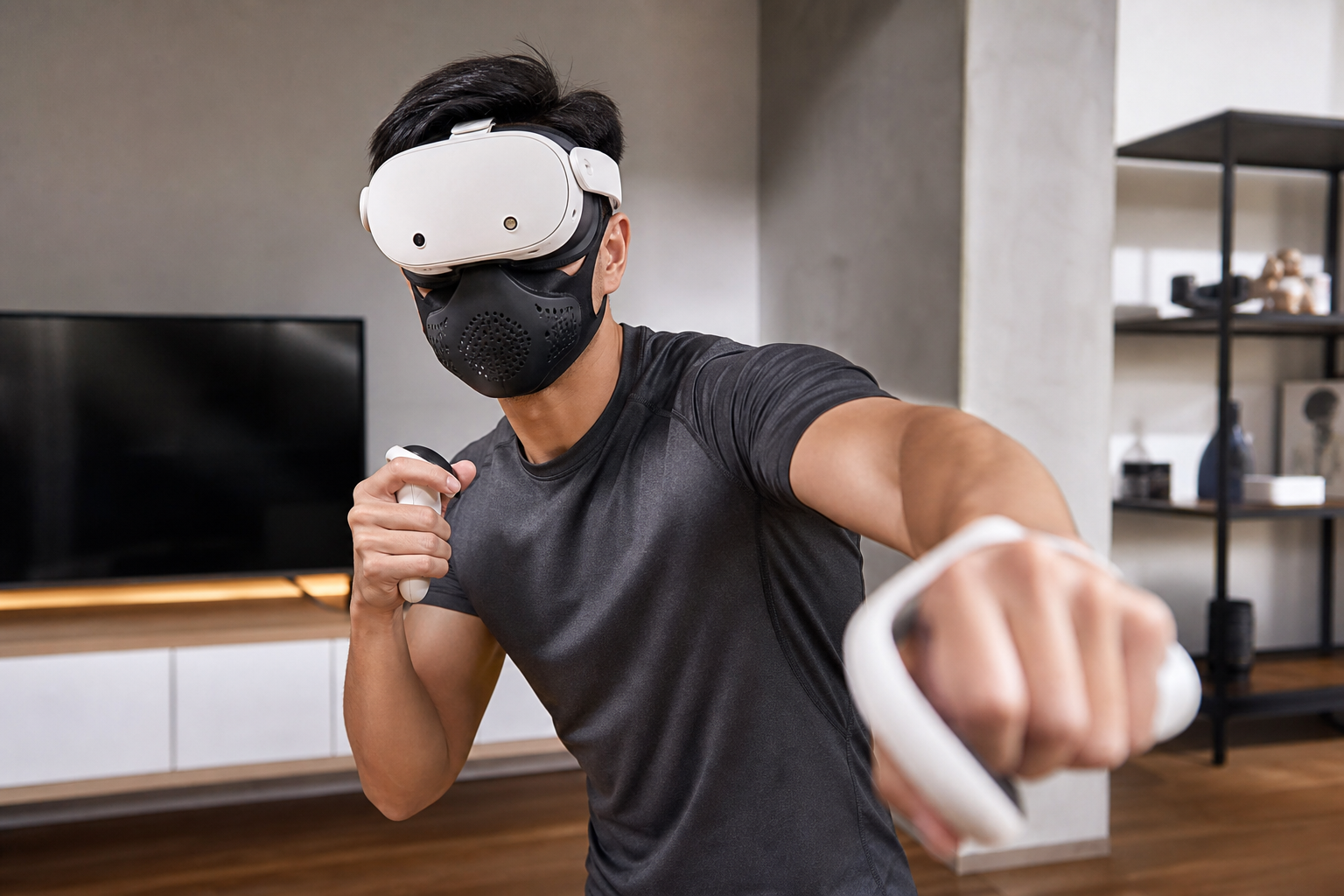
I tested this myself to see if it really works. As someone living in a hot climate, a simple accessory review isn't enough. I needed to know if this solves the real problems we face. It’s not just about sweat; it’s about heat, fog, safety, and the "gross" factor when you share the headset with family. This is my firsthand experience putting a sweat mask through a real-world stress test, moving from one problem to the next to see where it helps and where it falls short.
For hot-climate users, is lens fog really the reason hot rooms feels frustrating?
You keep wiping your foggy lenses, but the game still feels uncomfortable. The heat and trapped air make VR feel more like a chore. Is fog the real enemy here?
No, lens fog is just a symptom. The real frustration comes from trapped heat and humidity inside the headset. This combination causes excessive facial sweat and a stuffy feeling. The fog is just the most visible result of this core problem. A mask helps manage the sweat, but not the heat.
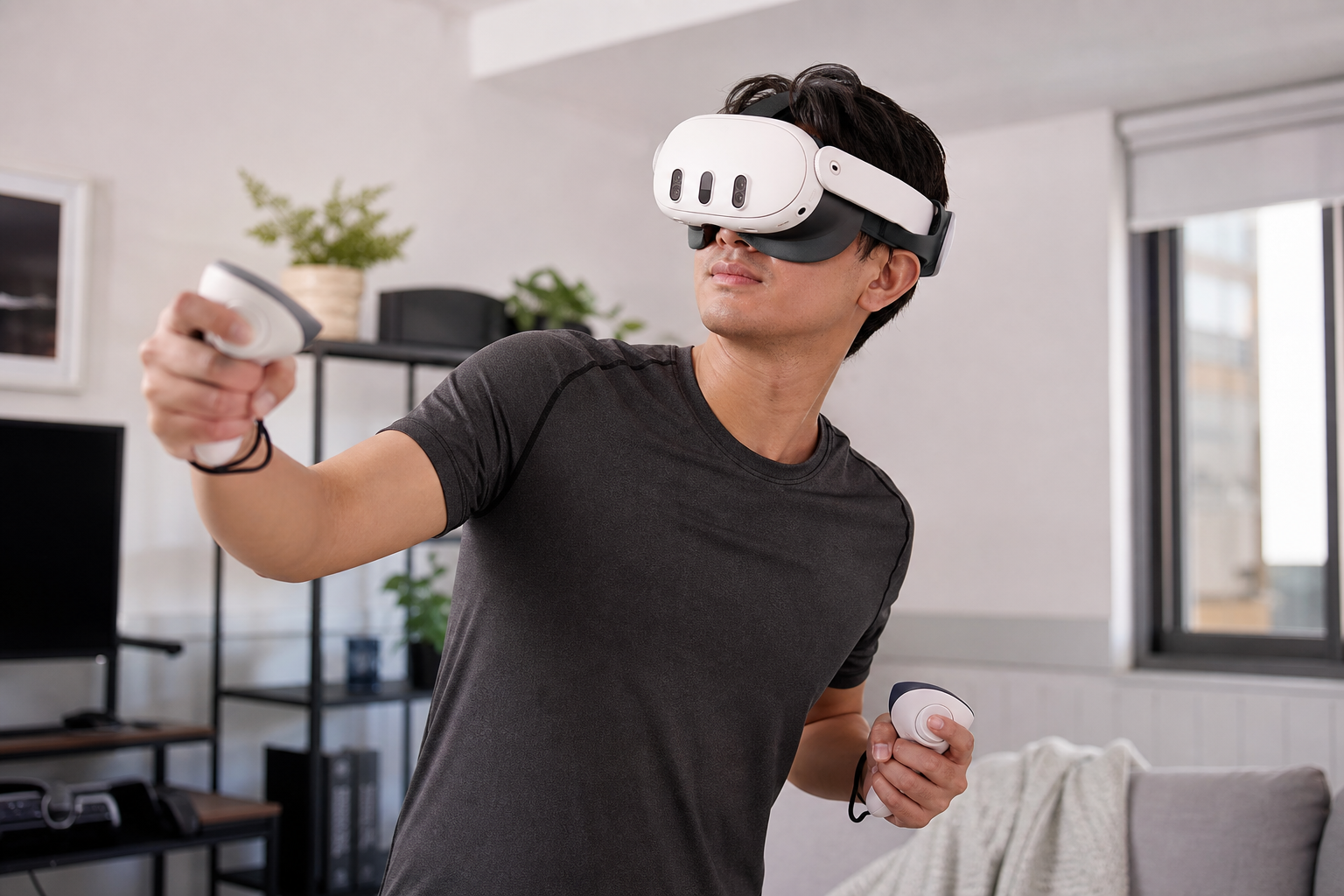
In a hot room, the problem is a chain reaction. The headset traps the heat from your face and the warm air in the room. This creates a mini-greenhouse effect. Your face sweats more to cool down, but the sweat has nowhere to go. It soaks the foam interface, and the warm, moist air condenses on the cooler lenses, causing fog. The sweat mask acts as a barrier. It absorbs the sweat before it can soak the headset’s foam padding. This is a huge win for hygiene, especially when my brother and I share the headset. Swapping out a fresh, clean mask between our sessions is much better than handing over a damp headset.
The Sweat Management Breakdown
The mask’s biggest job is stopping sweat from ruining the experience. It does this in a few key ways.
| Root Cause | Resulting Symptom | How a Sweat Mask Helps |
|---|---|---|
| Trapped Hot Air & Humidity | Lens Fog | It helps a little by blocking some moist air from your breath, but doesn't solve the core heat issue. |
| Facial Heat & No Airflow | Constant Facial Sweat | It directly absorbs sweat, keeping your face feeling drier and preventing drips. This is its main benefit. |
| Soaked Facial Interface | Slippery Headset & Unhygienic Feel | It completely solves this. The headset's original interface stays perfectly dry and clean. |
The Wash-and-Wear Routine
A critical part of this test was hygiene. After an intense boxing session, the mask was soaked. I hand-washed it with a bit of mild soap and warm water, squeezed it out, and let it air dry. I was worried it might develop a permanent odor, but it was completely fresh and ready to go the next day. This simple routine makes it practical for daily use.
Does a boxing or Beat Saber movement clip prove enough for Quest Touch Plus Controllers users?
You watch a quick review video online. Someone is playing an intense game for 30 seconds, and the mask looks perfectly stable. But is that the whole story?
A short clip is not enough proof. It shows the mask can handle a burst of activity, but it doesn't show how it feels after 15 minutes of continuous play when it's heavy with sweat. Over a full session, slight bunching or shifting becomes a real distraction.

I decided to test this with a full three-round match in The Thrill of the Fight. This game requires constant head movement, ducking, and weaving. My focus needs to be on my opponent, not my gear. The haptic feedback from the Quest Touch Plus controllers is crucial; if my headset is slipping, I'm too distracted to react to the controller vibrations telling me I've landed or taken a punch. In the first round, the mask was perfect. It felt like it wasn't even there. By the second round, I could feel the absorbed sweat making it heavier. It started to bunch up a little bit around my nose, forcing me to make a quick adjustment between rounds. By the end of the third round, the mask was fully saturated. It didn't slide off, but it had shifted enough that I was aware of it. A 30-second clip would have missed this completely. The experience shows that for intense, long sessions, the mask is a good first step, but not a perfect solution on its own.
Would hot-climate users care more about safety than immersion here?
You're in the zone, throwing punches, feeling the game. Then, your headset slips just a little. Suddenly, you're not thinking about the game; you're thinking about the wall.
Yes, absolutely. In a hot, sweaty environment, safety is more important than total immersion. A slippery headset is a dangerous headset. It can ruin your sense of direction and cause you to collide with real-world objects. A secure fit is the top priority.
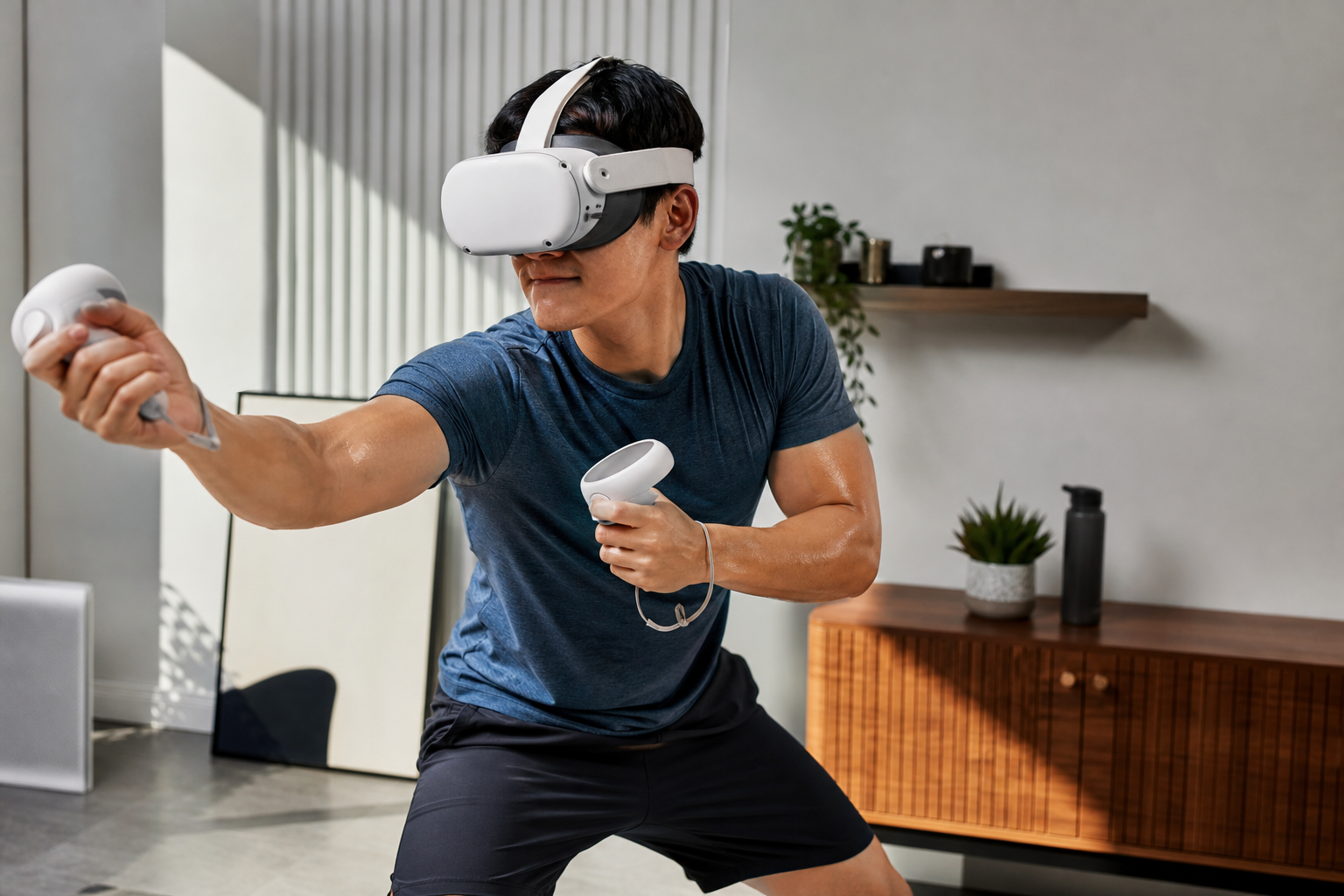
When you’re moving fast, your brain relies on the headset's stability to keep you centered in your play space. I learned this the hard way before I started using a mask. During a dodge, the entire headset shifted on my sweaty face. For a split second, the virtual world and my Guardian boundary moved, and I completely lost my bearings. I had to stop the game to reset. That single moment broke my immersion far more than any accessory ever could. The sweat mask creates a layer of friction. It grips both your face and the headset’s interface, creating a much more stable connection. Even when it’s saturated with sweat, it provides more grip than a soaked, slippery foam interface. So while adding a layer of fabric to your face might seem like it would reduce immersion, the opposite is true. By keeping the headset locked in place, it gives you the confidence to move freely and safely, which allows you to stay immersed in the game without worrying about punching your furniture.
Should the recommendation differ for casual and daily hot rooms use when lens fog appears?
You play VR for a fun workout once a week. Your friend uses it for daily fitness training. You both live somewhere hot. Do you need the same setup?
Yes, the recommendation must be different. A casual user can get by with one good sweat mask to protect their headset. A daily user needs a more robust system, including a multi-pack of masks for rotation and potentially other accessories like an open facial interface to fight heat buildup.

Your VR habits directly impact what accessories you need, especially when heat and sweat are factors. A one-size-fits-all recommendation doesn't work.
For the Casual Weekend Player
If you play a few times a week, a single sweat mask is a fantastic, low-cost upgrade. Its main job is to keep your headset’s original foam clean and free from sweat damage. You can use it, give it a quick hand wash, and let it dry before your next session. Lens fog might still happen, but it’s an occasional annoyance you can manage. The mask is a simple solution for a casual problem. It improves comfort and hygiene without requiring a big investment or complicated routine.
For the Daily VR Athlete
If you're in VR every day for fitness, your needs are much higher. One mask isn't enough. You should get a multi-pack (at least two or three) so you can rotate them. This ensures you always start a session with a clean, dry mask, which is crucial for hygiene and comfort. For a daily user, the sweat mask is a great starting point, but it's part of a bigger system. You should also consider an open-style facial interface that improves airflow. This tackles the root cause of the problem—trapped heat—which reduces fog and sweat in the first place. The mask absorbs what's left, creating a complete comfort and hygiene solution.
Conclusion
A VR sweat mask is a valuable tool for hot-climate users. It boosts safety by preventing slippage and keeps things hygienic. For daily players, it’s a great first step.
Leave a comment