



Can a VR Gunstock help small-room players feel more confident with tactical VR shooters?

Playing tactical VR shooters in a small room is tough. My aim was unstable, and I kept worrying about hitting my desk or wall. I needed something to make me feel more confident.
Yes, a VR gunstock can significantly boost confidence for small-room players by providing a stable, physical anchor for aiming. This stability translates to more precise shots and makes movement feel more deliberate. However, this comes at the cost of slower item handling and weapon switching.
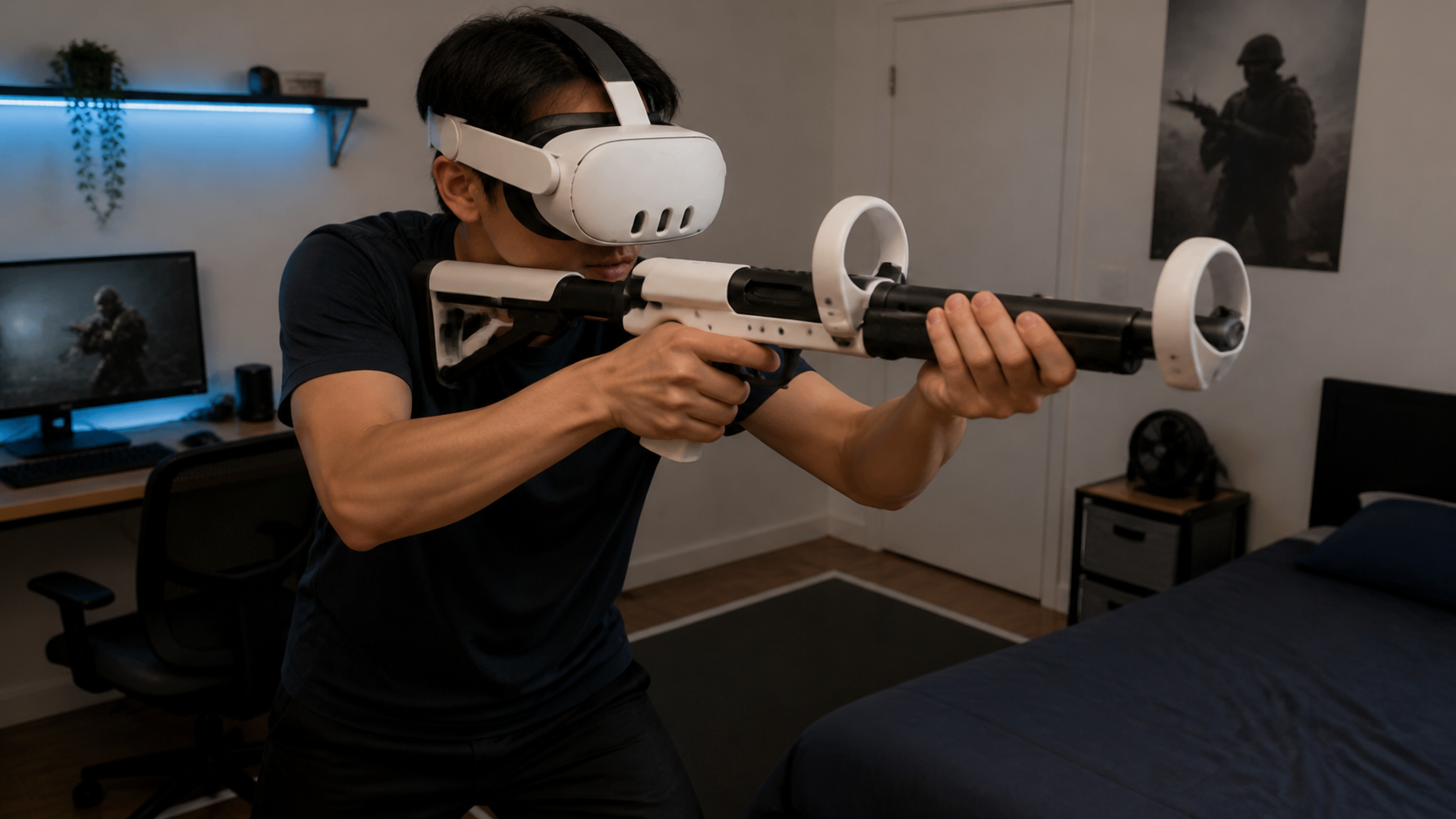
I got a gunstock hoping it would solve all my problems. I wanted that steady, two-handed feel of holding a real rifle. In some ways, it worked wonders. My long-distance shots in games like Pavlov and Onward became much more consistent. But as a small-room player using a Quest 3, I quickly learned it wasn't a simple upgrade. The experience was full of trade-offs that I had to navigate. This is my journey from initial excitement to a more balanced, real-world understanding of where a gunstock helps and where it hurts. I'll walk you through the questions I asked myself along the way.
Could Meta Quest 3S owners solve stock length adjustment without buying another accessory?
My front hand felt like it was floating in space. When I tried to pull the virtual rifle into my shoulder, my hand would get too close to my headset and tracking would glitch.
No, software settings alone can't fully solve the physical problem of controller occlusion for Quest 3S users. A physical gunstock forces your hands into a position that the headset's cameras can see clearly, preventing the tracking loss that happens when one controller hides behind the other.
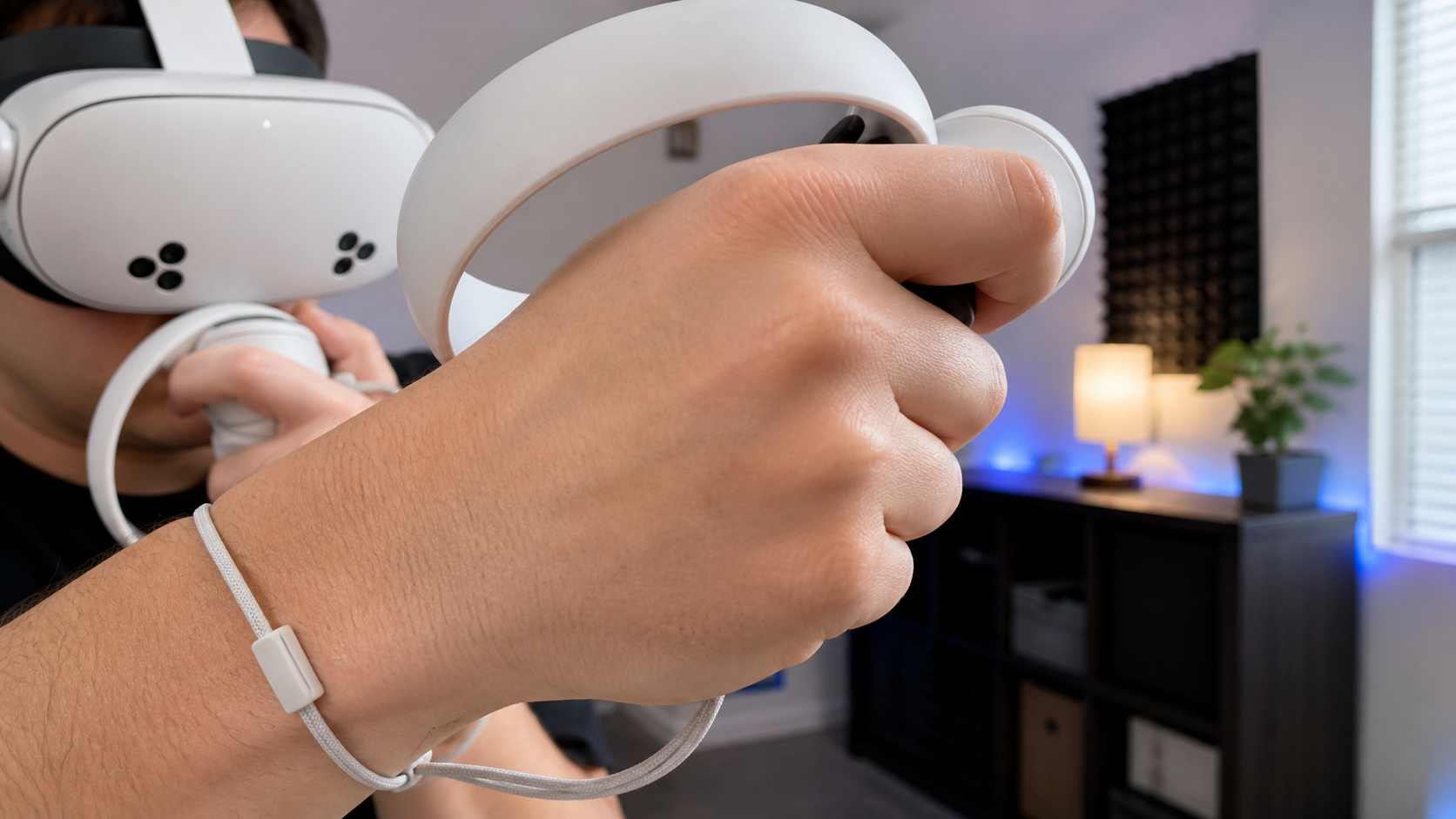
The biggest problem with not having a physical stock is what I call "controller clash." When you bring your front hand back to aim down your sights, it can block the Quest's inside-out tracking cameras from seeing your trigger hand. Or, the front hand gets so close to the headset that the cameras lose sight of it. The result is the same: your virtual gun starts to float away or jitter, right when you need it most. I tried every in-game virtual stock setting. They help a little by adding some digital smoothing, but they can't stop the physical hardware from losing sight of the controllers.
The Physical vs. Virtual Stock Problem
A real gunstock solves this by creating a fixed physical link between your hands. It keeps your front hand far enough forward that it never disappears from the cameras' view. This physical connection is what creates a stable aiming platform.
| Feature | Virtual Stock (In-Game Setting) | Physical VR Gunstock |
|---|---|---|
| Tracking Stability | Prone to jitter and loss when hands are close to the headset or each other. | Excellent. Keeps controllers in the optimal tracking volume for headset cameras. |
| Muscle Memory | Inconsistent. Your hands can be in a slightly different position every time. | Consistent. Builds real muscle memory from a fixed anchor point on your shoulder. |
| Setup Patience | Quick toggle in the game menu. | Requires initial assembly and adjustment to fit your body and preferred weapon. |
Without the accessory, I was constantly fighting my own body to keep the controllers visible. With the gunstock, my focus shifted from "are my controllers tracking?" to just aiming.
Does rifle immersion versus fast item handling matter more than stock length adjustment for small-room players?
I loved how solid the rifle felt. But then I was in a firefight, needed a flashbang, and my hand was stuck to the stock. I fumbled and got taken out.
For small-room players, fast item handling often matters more than perfect rifle immersion. Tight quarters demand quick reactions. Being physically attached to a stock can make reloading, switching to a sidearm, or grabbing a grenade feel slow and clumsy, which is a major liability.
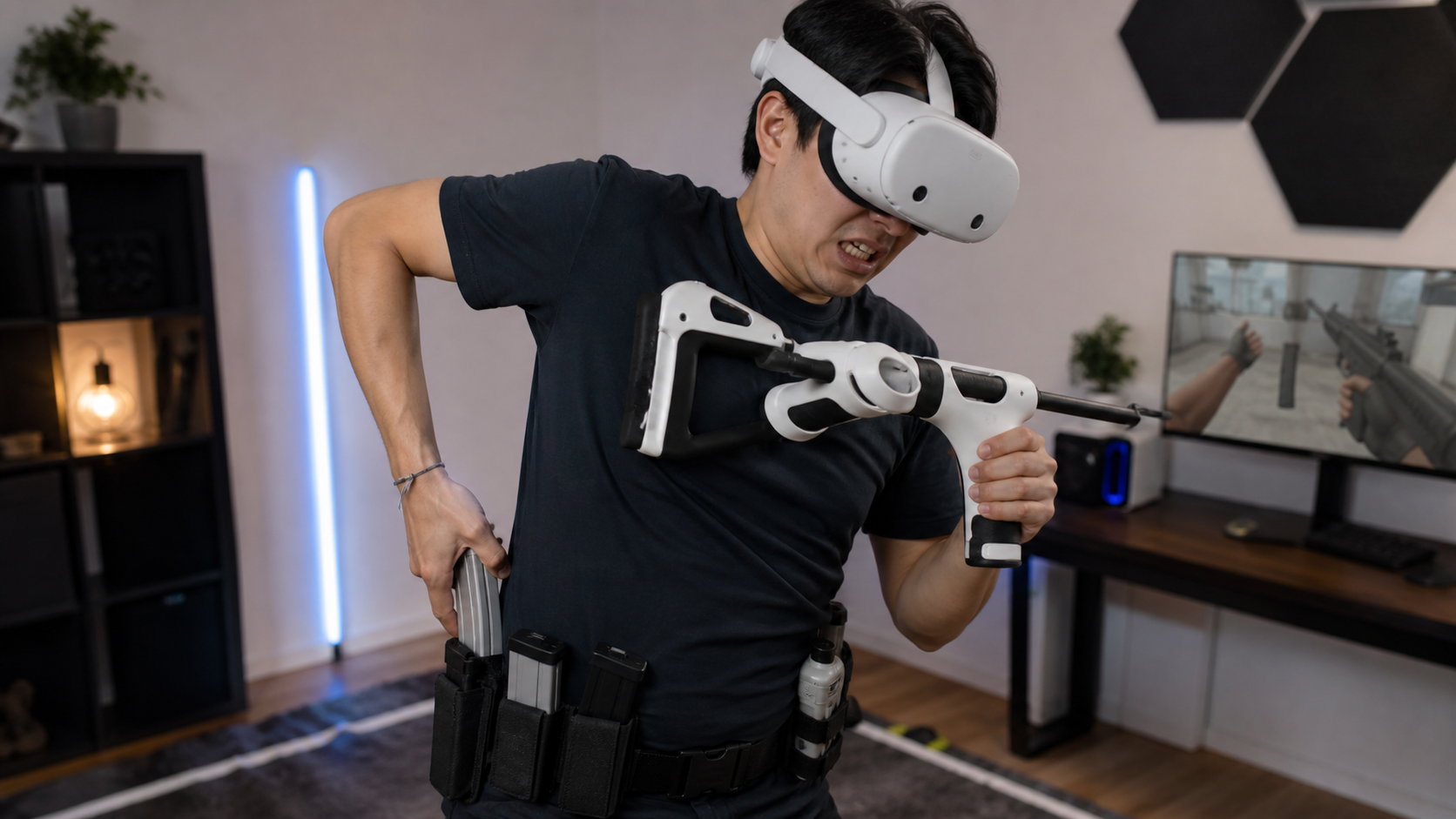
This is the biggest trade-off I discovered. The gunstock is amazing for one specific action: aiming a two-handed rifle. The moment you need to do anything else, it can feel like a burden. In tactical shooters, you're constantly managing your equipment. You need to reload, pull out your pistol, check your watch, or throw a grenade. With a magnetic gunstock, you have to physically detach your controller, perform the action, and then re-attach it. This takes precious fractions of a second that you don't always have.
I recorded myself running the same route in a training map, once with the stock and once without. When I was just shooting targets at a distance, the stock made me more accurate. But when the drill involved reloading and throwing a training grenade, my time was consistently faster without the stock. My hands were free to move naturally to my virtual ammo pouches and belt. The immersion of a stable rifle is fantastic, but it's a specific kind of immersion. The freedom to interact with your gear without fighting a physical object is its own kind of immersion, and in a fast-paced fight, it's often more valuable.
Can the review separate first-impression excitement from repeat-use value?
That first week with the gunstock, I felt like a VR pro. My kill-death ratio went up. But after a month, I found myself leaving it on the shelf for certain game sessions.
Absolutely. The initial excitement comes from the immediate and obvious improvement in aiming stability. The long-term, repeat-use value is determined by how much the gunstock's limitations, like slow reloads and weapon switching, interfere with your specific playstyle over time.
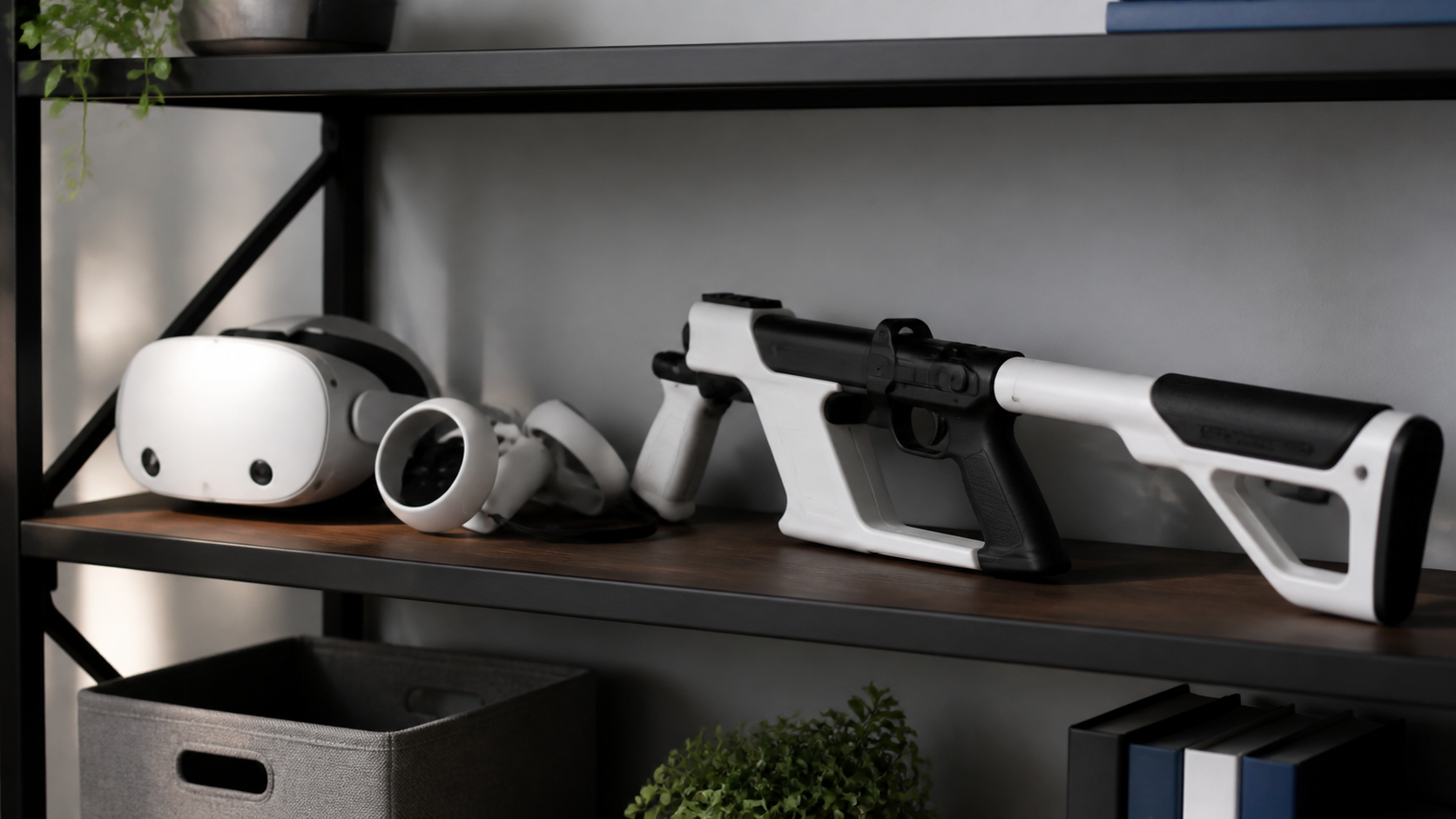
The "honeymoon phase" with my VR gunstock was real. The first time I held a steady sniper scope and landed a cross-map headshot, I was sold. It felt like a true game-changer. The physical feedback of the stock against my shoulder made the experience feel so much more real. But that excitement was based on a limited set of actions. Over weeks of playing, the reality set in. I realized that my gameplay wasn't just about long-range aiming. It was also about close-quarters chaos, quick decisions, and fluid movement. The stock, which was a huge help in one area, became a minor annoyance in many others. Storing the thing was also a pain. It's not something you can just toss aside. It's another piece of gear to manage in my already cramped room. The true value isn't just "does it make me aim better?" but "does it make my overall experience better?" For me, the answer became "sometimes."
What would make the reviewer say VR Gunstock is not worth it for stock length adjustment in tactical VR shooters?
I have friends who tried my gunstock and hated it. They felt trapped and slow. They gave it back after one match and went back to free-handing it.
A VR gunstock is not worth it if you prioritize speed, agility, and the ability to rapidly switch between different actions. If your gameplay relies on fast reloads, frequent weapon swaps, or close-quarters combat with SMGs, the gunstock will feel more like a hindrance than a help.
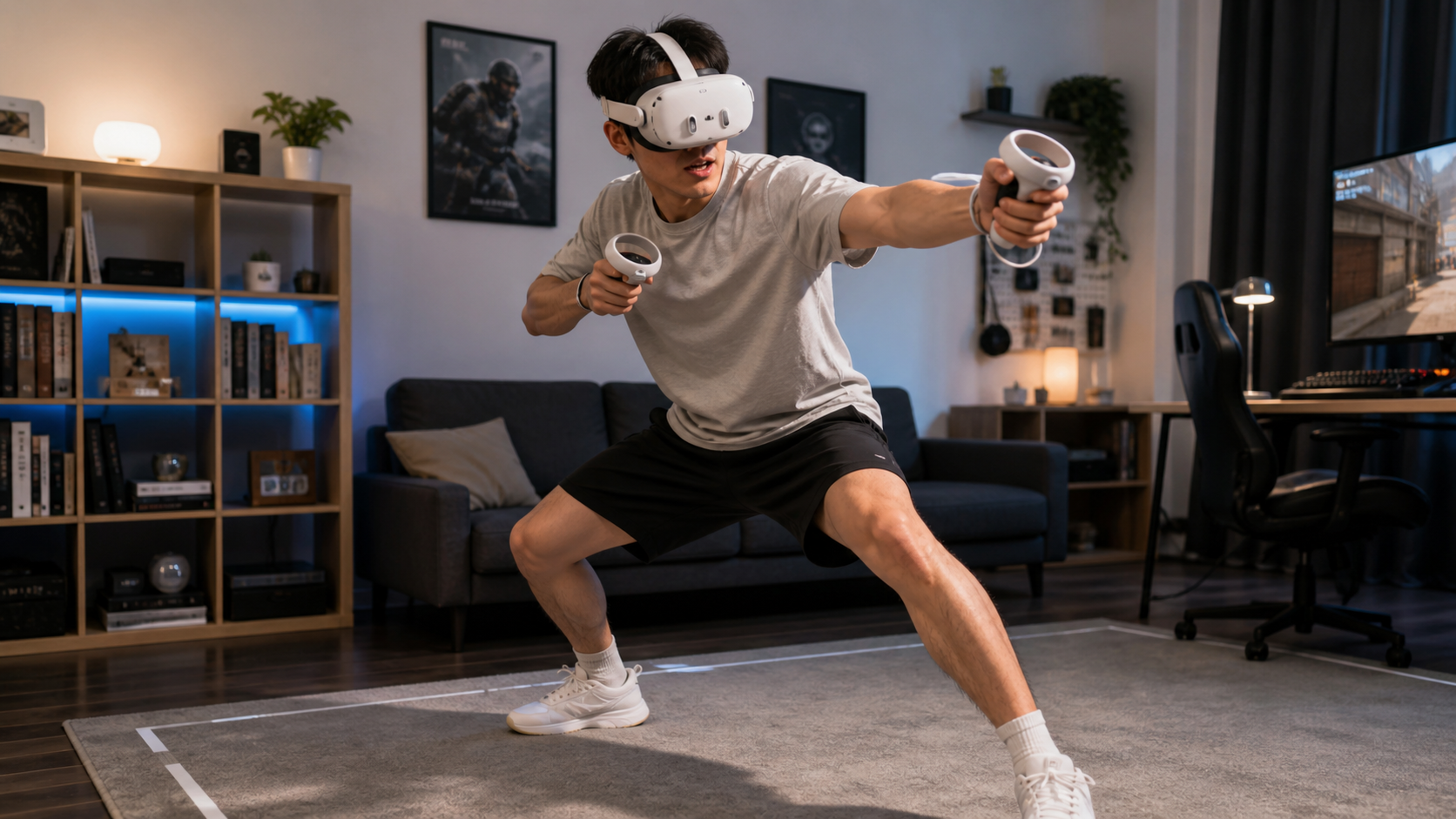
After using the gunstock for a while and letting others try it, I have a clear idea of who should probably skip it. This accessory is a specialist's tool, not a universal upgrade. If you are a player who loves to run-and-gun, who uses shotguns and SMGs up close, you will likely find the gunstock restrictive. These weapons don't benefit as much from a shoulder anchor, and your ability to move your hands independently is far more important.
Furthermore, if your primary frustration with VR shooters is not aim stability but something else, like situational awareness or movement, a gunstock won't fix that. It only solves one problem really well. For players in extremely small spaces, the added physical length of the gunstock can even increase the fear of hitting things, completely defeating the goal of building confidence. It’s for the methodical player, the one who likes to hold an angle and pick their shots from a distance. It’s not for the chaotic player who thrives on pure reaction speed.
| Who a VR Gunstock is For | Who Should Skip It |
|---|---|
| Players who prefer assault rifles and snipers. | Players who prefer SMGs, shotguns, and pistols. |
| Those who play at a slower, more tactical pace. | Those who play fast-paced, run-and-gun styles. |
| Gamers whose main weakness is shaky long-range aim. | Gamers who need to reload and switch items instantly. |
Conclusion
A VR gunstock is a fantastic tool for improving aim stability in small rooms. But it's not a magic bullet. It trades speed for precision, making it ideal for some but a liability for others.
Leave a comment