



Can a Quest Battery Pack survive a sweaty hot-swappable setups session on Meta Quest 3?

You want endless VR sessions, but your Quest 3 dies too fast. A hot-swappable battery pack seems like the perfect fix, until it starts failing during a sweaty party.
Yes, a Quest battery pack can survive a sweaty hot-swap session, but its performance degrades over time. When battery health declines, it may fail to keep the headset charged during intense use, turning a seamless experience into a race against time, especially for high-power games.
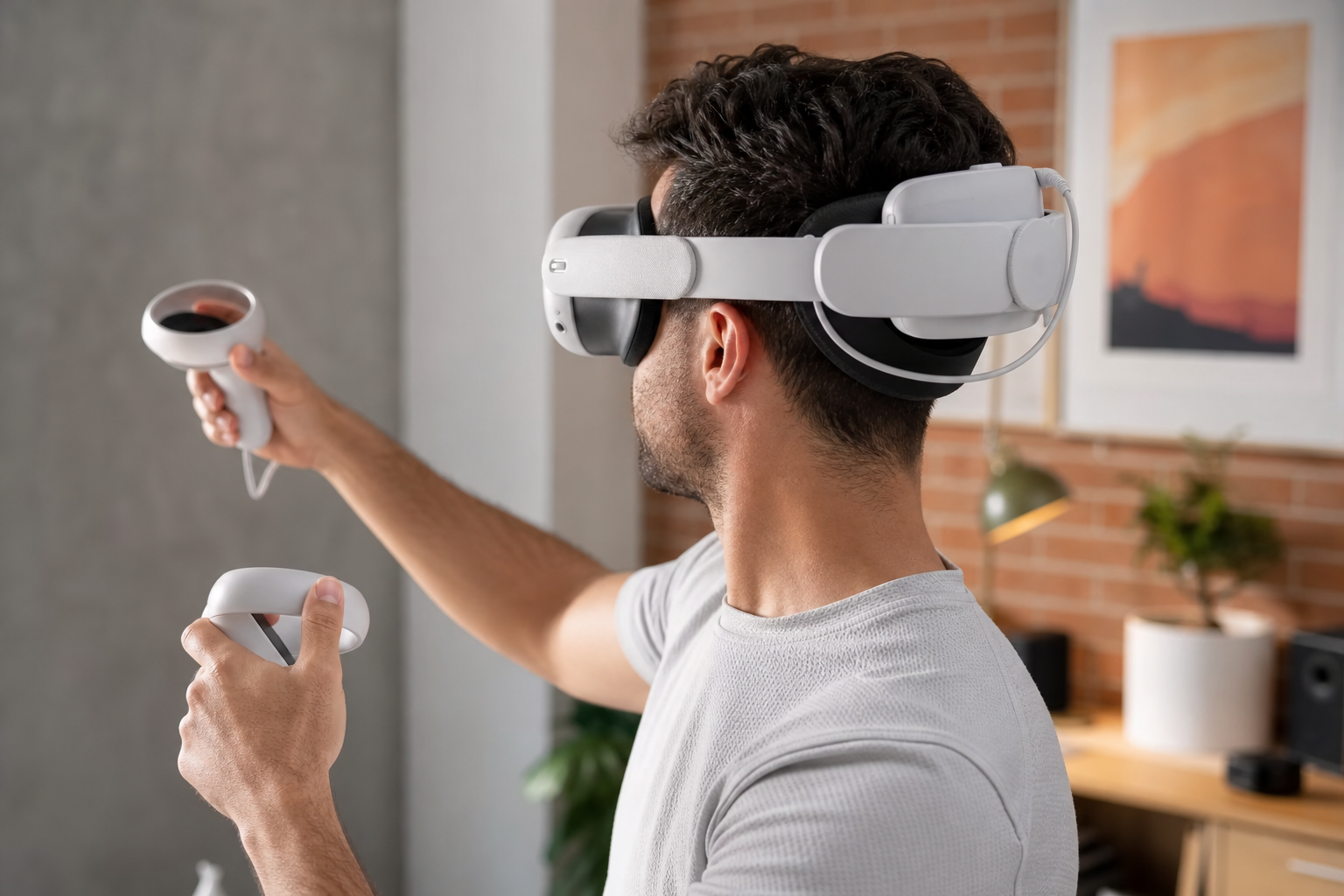
I thought I had the perfect setup. Multiple charged battery packs, ready to go. My family was over, and we were taking turns in Beat Saber. The plan was simple: when one battery dies, I swap in a fresh one, and the Quest 3 never has to stop. It worked perfectly for the first hour. Then, things got strange. Even with a fully charged pack clicked in, the headset's internal battery percentage started dropping. The "low battery" warning popped up mid-song. My seamless system had failed right when I needed it most. It made me wonder what was really going on with my battery pack's health.
Does battery health affect beginners and experienced users in the same way?
You buy a battery pack expecting it to work forever. Then one day, it doesn't hold a charge, and your VR session is ruined. You feel cheated and confused.
No, battery health affects beginners and experienced users differently. A beginner might think the product is defective and get frustrated. An experienced user understands that all batteries degrade over time and will notice the small performance dips sooner, planning for a replacement before it fails completely.
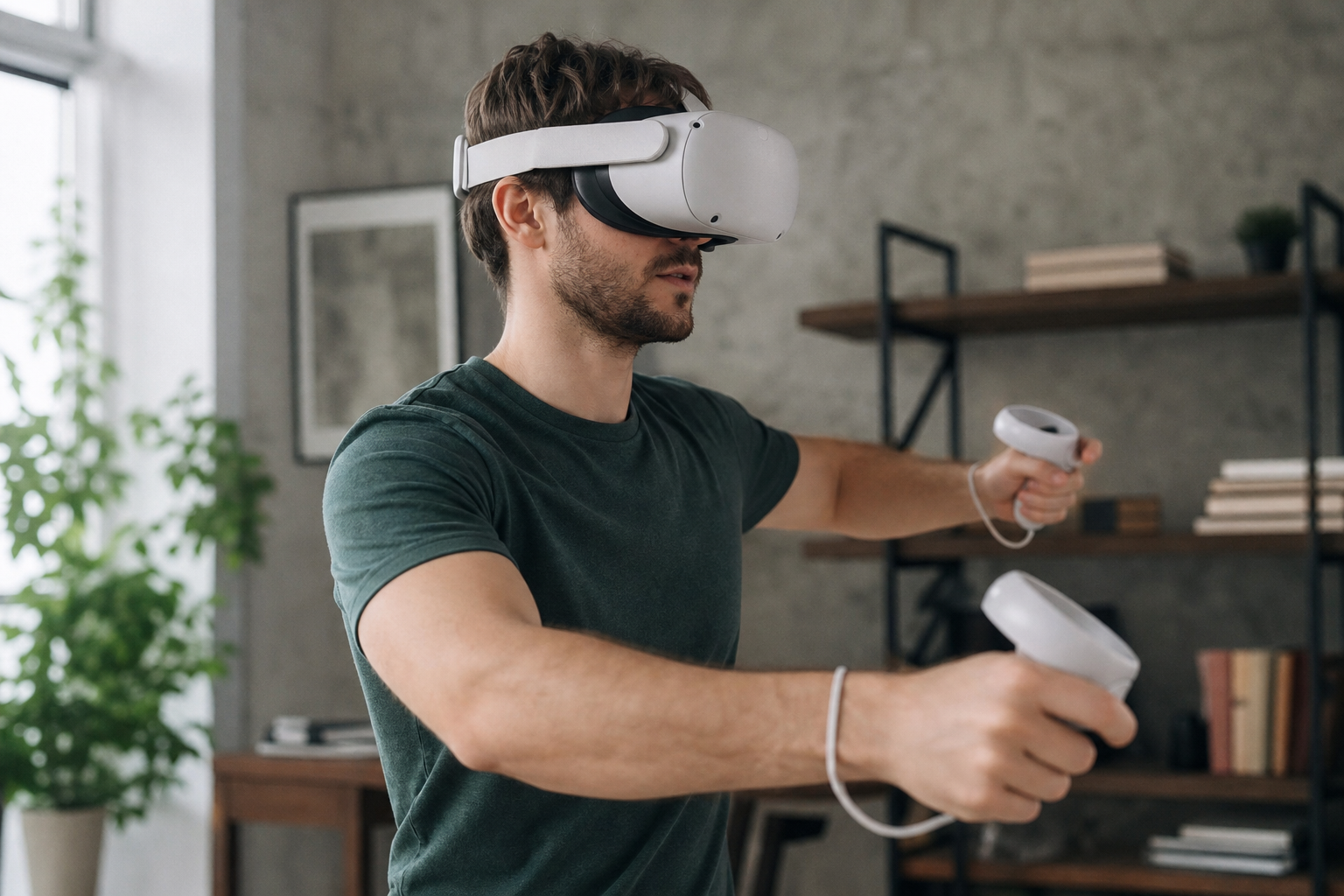
When a battery starts to wear out, the experience changes based on who is using it. An experienced player who uses their Quest 3 daily has a built-in sense of timing. They know how long a full charge should last. When a pack that used to give them two extra hours now only gives 90 minutes, they notice immediately. A beginner, on the other hand, doesn't have that baseline. They just know it isn't lasting as long as they hoped. This can lead to a lot of frustration. They might blame the headset or the game, not the aging accessory. An experienced user is more likely to have a backup plan, like a second battery pack or a charging cable nearby. A beginner’s session just ends abruptly.
Here is a simple breakdown of how each user type might react:
| Factor | Beginner User | Experienced User |
|---|---|---|
| Expectation | The battery pack should always work perfectly. | Understands batteries have a limited lifespan. |
| First Sign of Trouble | A sudden "low battery" warning on the headset. | Notices slightly shorter playtime per charge. |
| Reaction | Confusion and frustration. Thinks the product is broken. | Starts monitoring performance more closely. |
| Solution | Stops playing or searches for troubleshooting tips. | Prepares a backup or orders a new battery. |
Would a beginner notice battery health sooner than an experienced hot-swappable setups player?
You're new to VR and your battery dies fast. You just assume this is normal. An experienced player would know something is wrong right away, but you don't.
A beginner would notice the catastrophic failure sooner, like a dead headset mid-game. An experienced player would notice the subtle signs of battery degradation much earlier, like slower charging speeds or a slight drop in total playtime, long before a complete failure occurs.
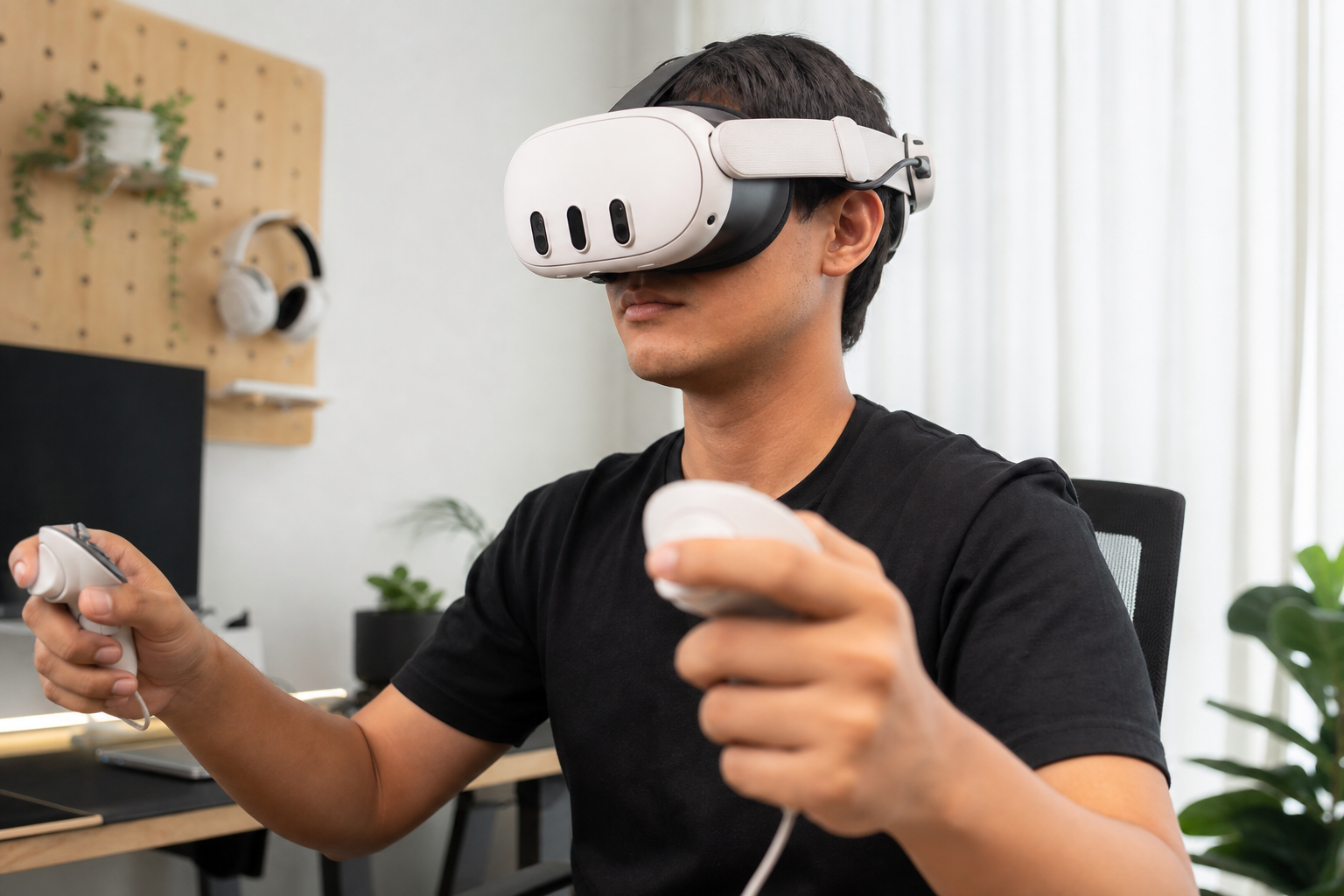
It’s a question of what "noticing" means. A beginner notices the final, dramatic result. For me, it was when my nephew was playing and the headset just shut down. He had no idea why. He thought he broke it. To him, the problem appeared out of nowhere. But I had been an experienced user for a while. Looking back, I realized I had seen the signs for weeks. The battery pack used to keep the Quest 3 at 100% for an hour. Recently, it had only been able to hold it at 95%. I also noticed the pack itself took a little longer to recharge. These are small details. An experienced hot-swapper who is obsessed with efficiency will see these clues. A beginner who is just excited to play will miss them completely. They will only see the big, frustrating problem when it’s too late.
Does the accessory make hot-swappable setups more consistent or just more dramatic?
You bought a hot-swap battery system for smooth, endless gameplay. Now, you find yourself frantically swapping packs as your headset's battery drains faster than the pack can charge it.
A new, healthy battery pack makes hot-swapping consistent and seamless. An old, degraded battery pack makes the process dramatic and stressful. The swap becomes a race against the clock to prevent your headset from dying, which is the exact problem the accessory was meant to solve.
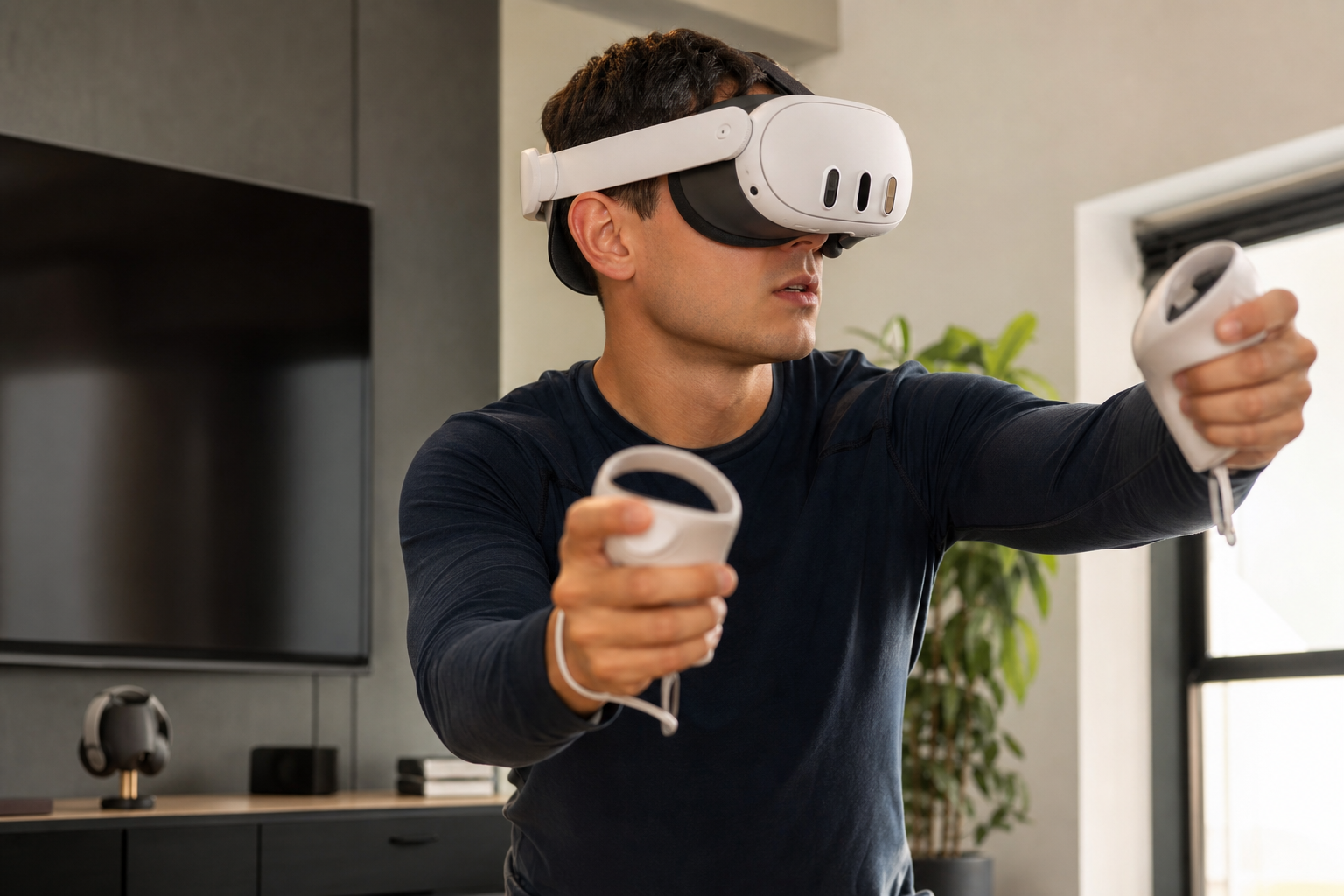
When I first got my battery packs, hot-swapping was magical. I could play for hours. The Quest 3 stayed at 100% as long as I had a fresh pack ready. It was completely consistent. I could get lost in PCVR for an entire afternoon without ever thinking about power. But during that family party, it was the opposite. It became a drama. I'd shout, "The battery is low, swap it now!" My brother would fumble with the magnetic connector while the low-power screen flashed in his eyes. The goal was no longer to keep playing, but to just keep the headset from shutting down. A failing battery can’t output enough power for demanding apps. The Quest 3 uses more power than the old pack can provide, so it drains the internal battery anyway. The accessory that promised consistency was now the source of chaos and pressure.
Should the recommendation differ for casual and daily hot-swappable setups use when battery health appears?
Your battery pack isn't what it used to be. You're wondering if you should replace it now or if you can keep using it for a bit longer.
Yes, the recommendation should absolutely differ. A casual user can tolerate a dying battery pack for longer. A daily user, especially for fitness or PCVR, needs reliability and should replace it at the first sign of significant performance loss to avoid frustrating interruptions.
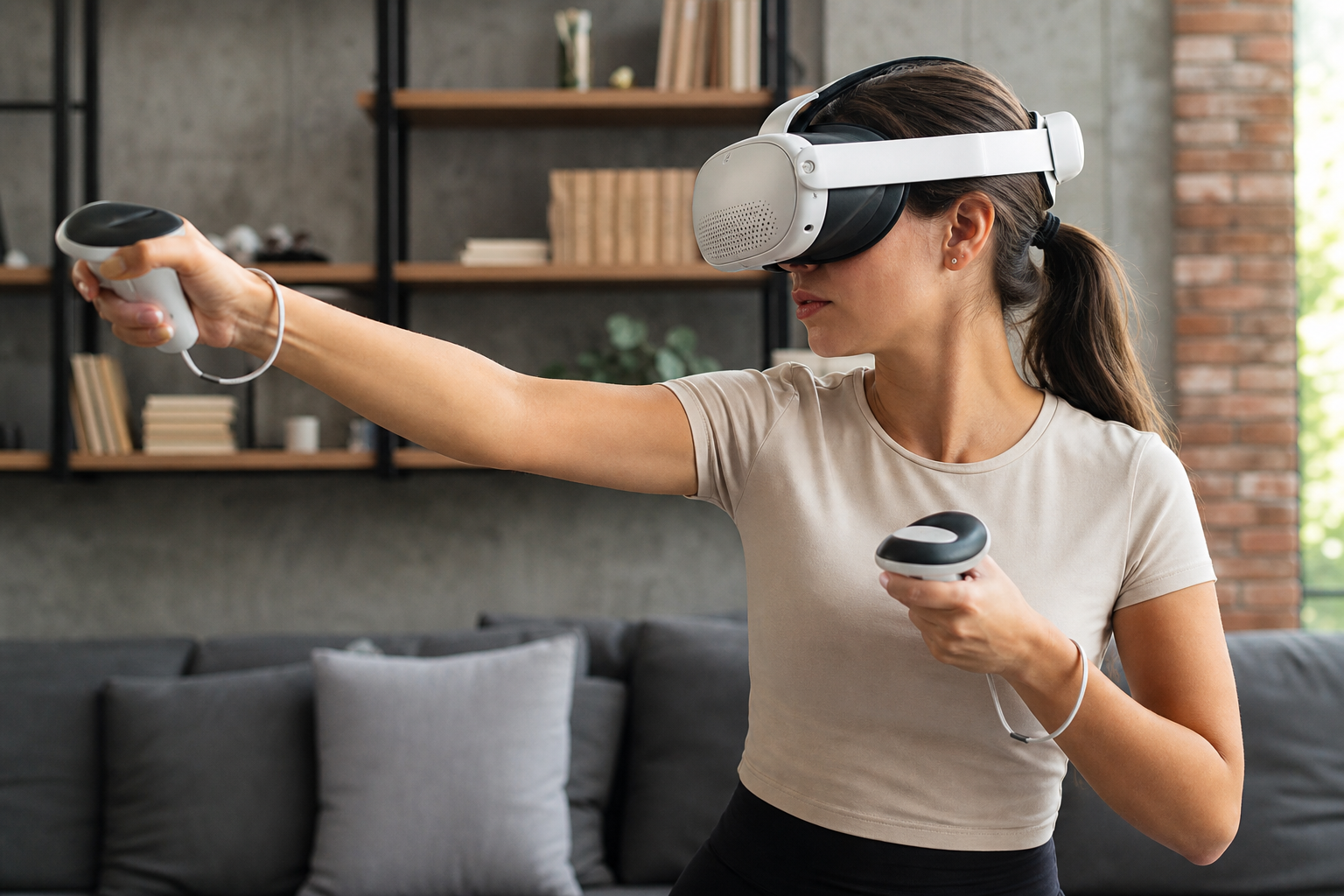
If you only use your Quest 3 on weekends to play a few games, a degraded battery is just a minor annoyance. If a 90-minute pack now only lasts 60 minutes, your session is just a little shorter. It's not a big deal. But if you use your headset for daily workouts in Supernatural or for long work sessions in PCVR, that lost time is a major problem. I use my headset for fitness every morning. An unexpected shutdown can ruin my entire workout flow. For me, reliability is everything. The moment my battery system becomes unpredictable, it has to be replaced. For my cousin who plays once a month, he could probably use my old, dying pack for another six months without complaining.
- Family/Casual User: Keep using the battery until it becomes a real problem. A shorter playtime is not a crisis.
- Fitness/Daily User: Replace the battery as soon as you notice a consistent drop in performance. Your routine depends on it.
- Traveler/PCVR User: Reliability is key. You don't want your battery failing on a plane or during a long work session. Replace it early.
Conclusion
A battery pack is essential for long VR sessions, but its health matters. An aging battery turns a consistent tool into a dramatic problem, affecting daily users most of all.
Leave a comment