



Can a Quest Battery Pack make travel feel natural on the first session?

Your Quest 3 died mid-flight, leaving you bored. You want a battery pack for your next trip, but worry it will just trade one problem for another, like bad comfort or heat.
The official Quest Battery Pack can make travel feel more natural by extending playtime without messy cables. However, its added weight and significant heat generation during use mean it isn't a perfect solution, especially for long movie-watching sessions where comfort is key.
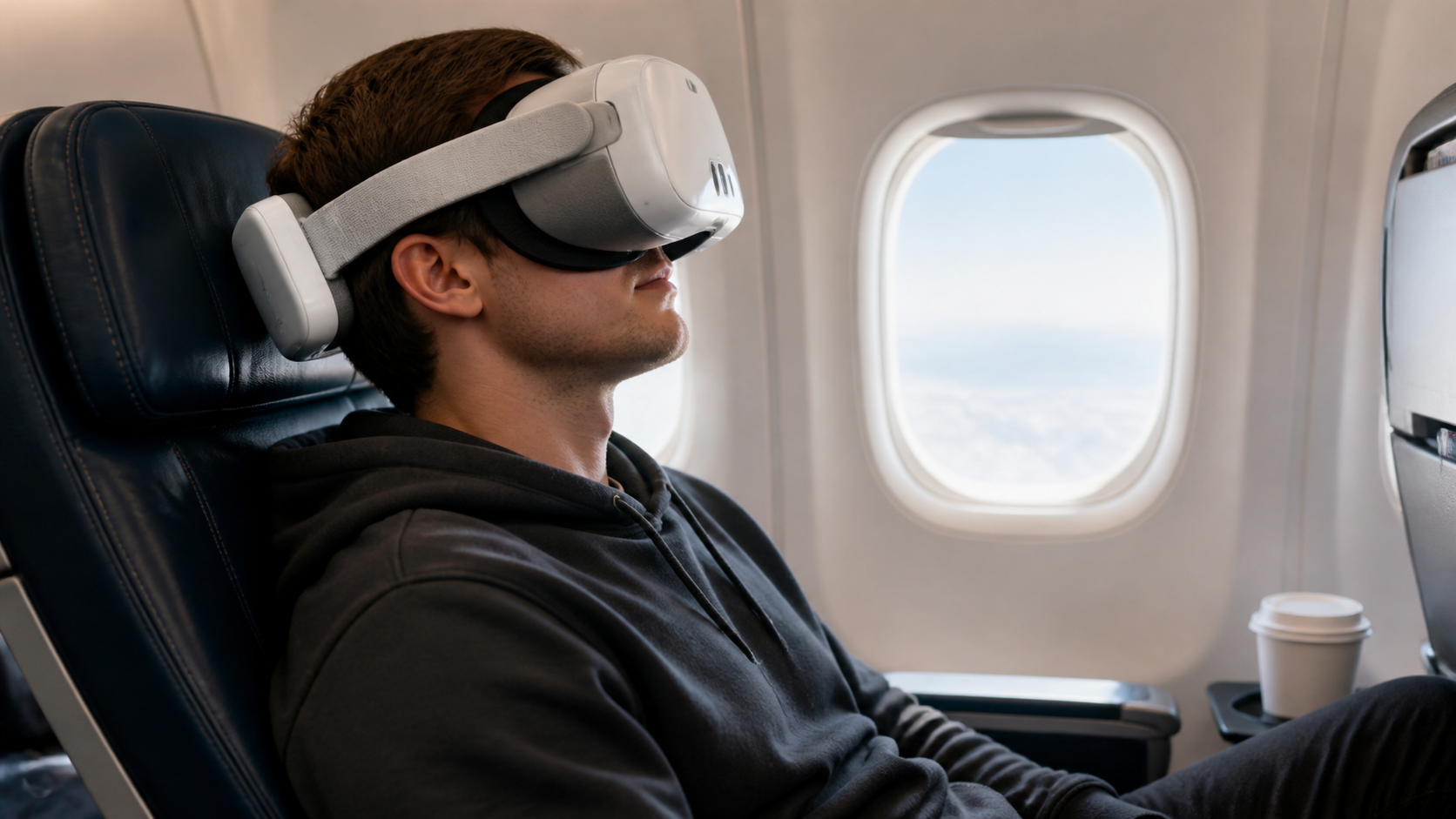
I travel a lot for work, and my Quest 3 is my favorite way to unwind in a hotel room. Watching a movie on a huge virtual screen beats staring at a tiny phone. The problem has always been battery life. On a recent trip, I decided to test the official Meta Quest Battery Pack to see if it could finally make my travel setup feel complete. I wanted to know if it was comfortable enough for a whole movie and if it solved the battery problem without creating a new heat problem. What I found was a mix of good and bad, and it all started the moment I plugged it in after a long flight.
In a shared headset, does Quest Battery Pack create a different heat concerns problem after travel?
You just want to relax with a movie after a long trip. But soon, you feel a growing warmth on the back of your head. Is your new accessory causing this?
Yes, the Quest Battery Pack introduces a new heat problem. It generates its own heat while discharging, which combines with the headset's warmth. This is especially noticeable on the back of your head, creating a different and sometimes more annoying type of discomfort than just a warm face.
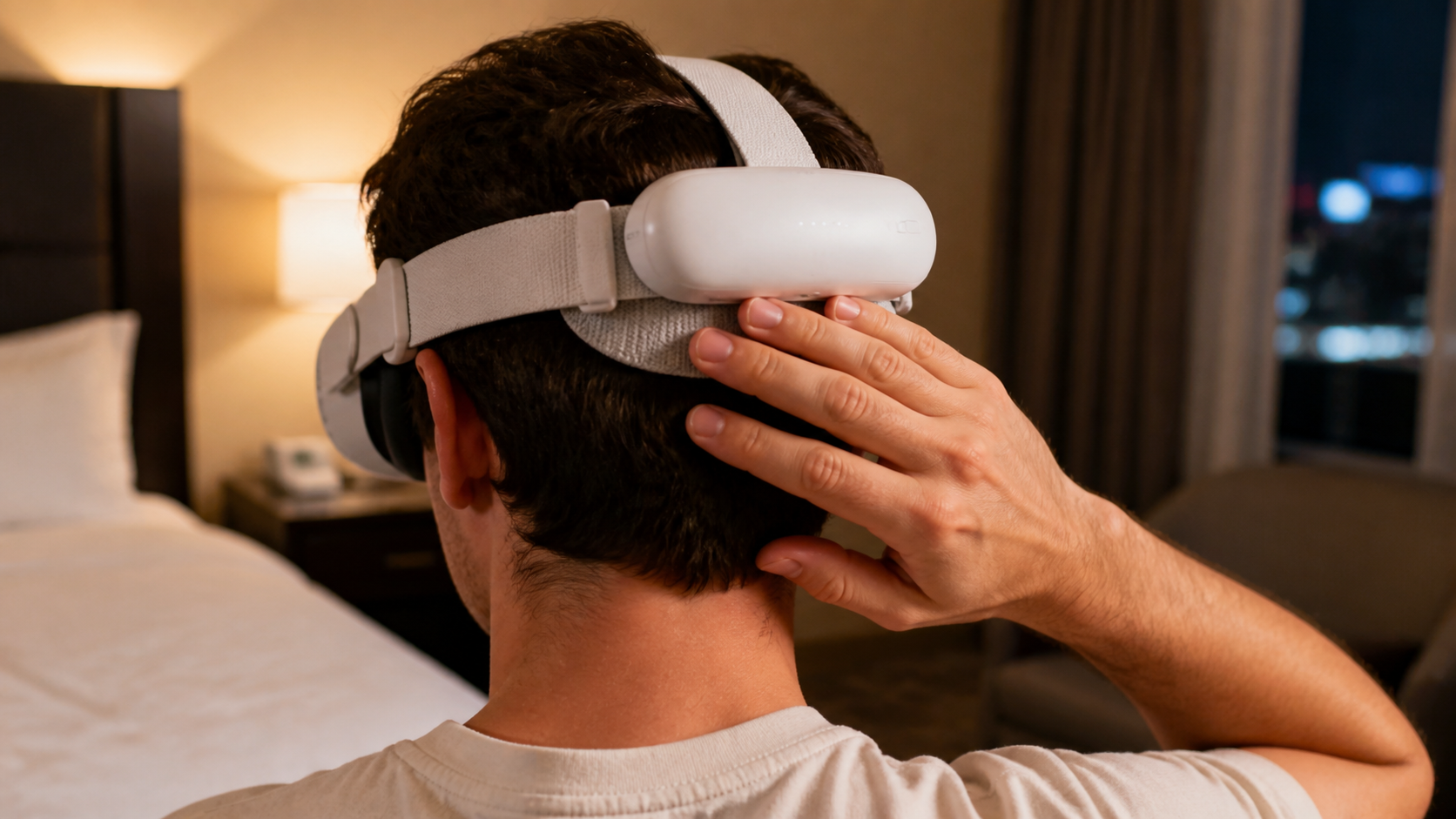
After settling into my hotel, I started my test. I wanted to see exactly how warm the headset and pack would get while I watched a two-hour movie. I started with both the Quest 3 and the Battery Pack at 100%. My plan was to make a note of the heat and the battery levels every 30 minutes. This wasn't a scientific test with thermometers, just my own real-world experience of how it felt.
My Heat and Battery Log
I noticed the first sign of a problem pretty quickly. The weight felt okay, but the warmth was undeniable. It wasn't just my face feeling the heat from the headset; it was a distinct warm spot on the back of my head where the pack rested. Here is how it went.
| Time Elapsed | Heat Sensation | Headset Battery % |
|---|---|---|
| 30 minutes | Slightly warm on the back of the head. Face feels normal. | 100% |
| 60 minutes | Noticeably warm. The pack itself is warm to the touch. | 98% |
| 90 minutes | Uncomfortably hot. I had to shift it around. My neck felt sweaty. | 94% |
The most surprising part was seeing the headset battery drop even while plugged in. This told me the headset was drawing power faster than the pack could supply it, which was likely contributing to all the extra heat.
Could heat concerns be solved by setup changes before buying Quest Battery Pack?
The heat from your headset is ruining your movie. You wonder if a simple tweak to your setup could fix it, without you having to spend more money.
Partially, yes. Setup changes like using an open-style facial interface for better airflow or playing in a cool, well-ventilated room can reduce how hot your face feels. However, they cannot stop the battery pack itself from generating heat at the back of your head.
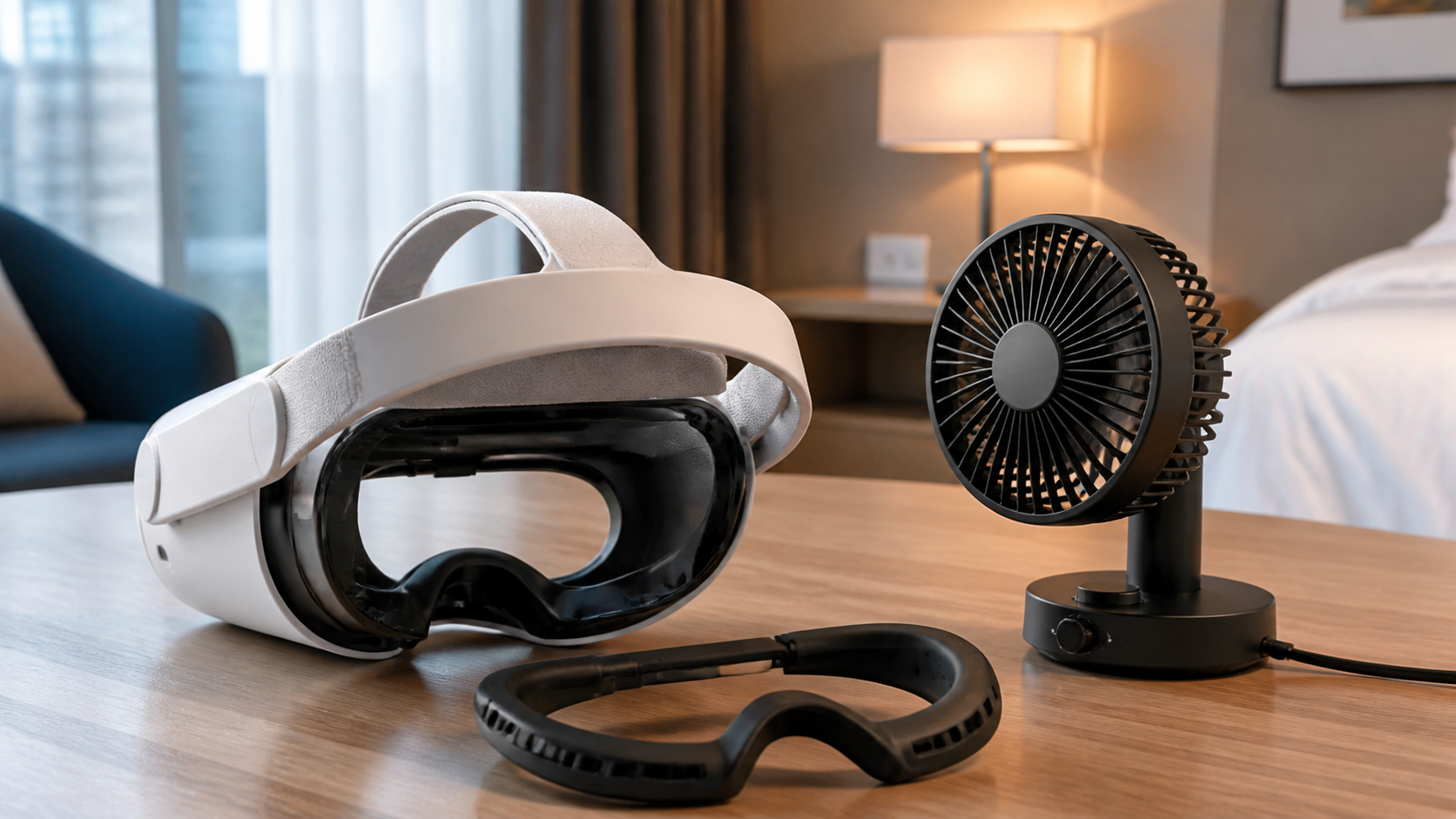
Since I design VR accessories, my first thought was to try and engineer a solution. I travel with a few of our X-super Home prototypes, so I swapped out the standard facial interface for our open-style one. The goal was to increase airflow around my face and see if that made a difference. I also turned the hotel room's air conditioning down to make the room colder. These changes definitely helped my face feel cooler. The stuffy, closed-in feeling was gone, which was a big improvement.
But the core problem remained. The battery pack on the back of the strap was still a little furnace. The heat wasn't coming from the headset's processors onto my face anymore. It was coming from the battery discharging right into the back of my skull. No amount of facial airflow could fix that. It just moved the discomfort from one place to another. So while setup changes can manage the symptoms, they don't cure the disease. The heat is created by the battery itself, and unless you can cool the pack, you're going to feel it.
Is the best comparison a cheaper accessory, a DIY setup, or no accessory at all?
You see the price of the official battery and hesitate. Is a third-party strap better? Or maybe just a power bank in your pocket? Or is doing nothing the smartest choice?
For most people, a cheaper third-party battery head strap is the best comparison and a better choice. It offers superior comfort through better weight distribution and similar battery life. A DIY setup is for power users, while no accessory is fine for short sessions only.
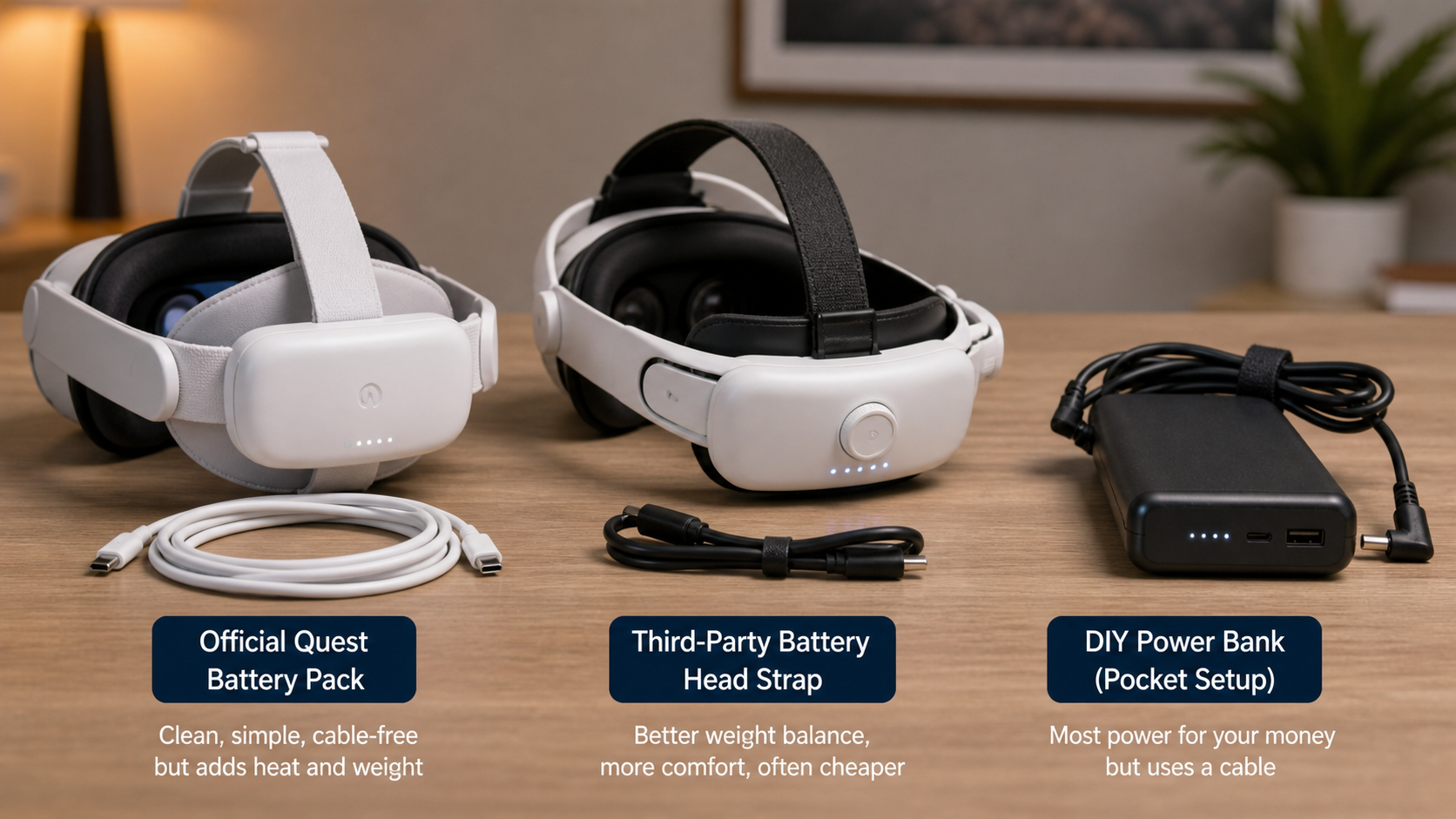
The official Quest Battery Pack exists in a strange middle ground. It's clean and easy, but it's not the best at anything. Let's break down the real alternatives. First, there's the third-party elite-style strap with a built-in battery. These often cost less than the official pack but provide a full head strap that acts as a counterbalance. This makes the whole headset feel lighter and more stable, which is a huge win for comfort during a long movie.
Second, you have the DIY route: a long USB-C cable and a powerful 20,000mAh power bank in your pocket. This is the cheapest and most powerful option. You get way more battery life, but you have to deal with a cable getting in your way. For seated movie watching, it's not a big deal. Finally, there's the option of using no accessory at all. If you only watch short videos or play for an hour at a time, the Quest 3's built-in battery might be enough. The official pack only makes sense if you demand an official, cable-free solution and are willing to sacrifice comfort and accept the heat.
What real-life caveat should appear before recommending Quest Battery Pack for travel?
The ads show a simple, seamless power solution. It just works. But you suspect there's a catch they aren't telling you about that you'll only discover on your trip.
The most important caveat is the power deficit. During demanding tasks like streaming high-quality video, the Quest 3 can use more power than the battery pack can provide. This means your headset's battery will still drain, just more slowly, and both devices will generate continuous heat.
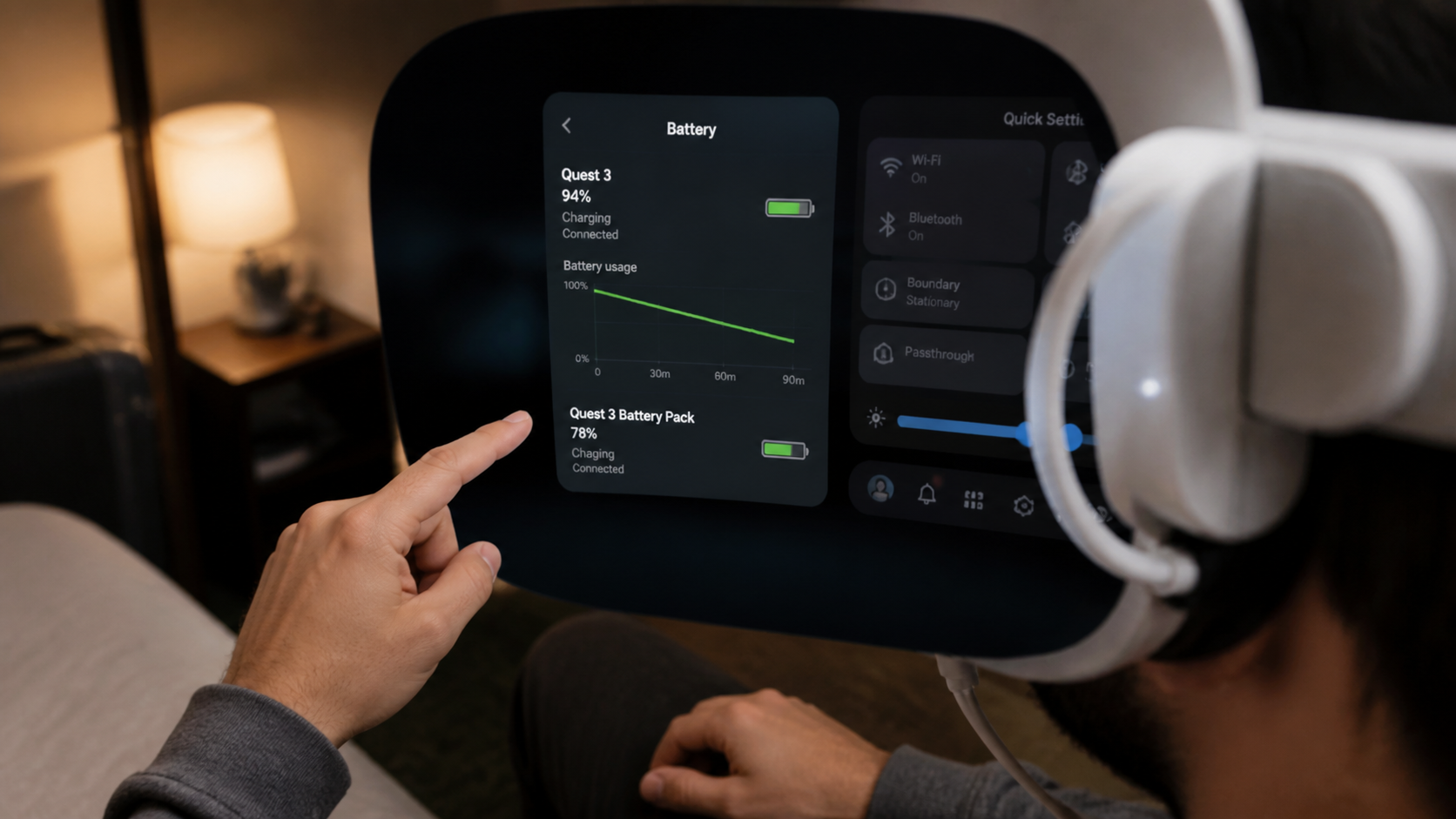
This was the "failure case" I discovered during my 90-minute test. I expected the battery pack to keep my headset topped off at 100%. That's how a battery pack is supposed to work. Instead, I watched the headset's internal battery slowly tick down from 100% to 94%. This seems small, but it's a huge deal. It means the system is in a constant state of charging and discharging at the same time. This is very inefficient and a primary source of the heat I was feeling.
This power deficit means you aren't truly extending your battery life in the way you think. You are just slowing down the drain. For someone who wants to sit down for a three-hour movie, this is a dealbreaker. The heat will likely become too much, and you might still not make it to the end credits without the headset dying. This is a critical piece of information that is missing from the marketing. It's not a simple "plus two hours" of battery; it's a more complicated and warmer experience.
Conclusion
The Quest Battery Pack is a sleek, simple travel accessory. But its heat output and inability to keep the headset charged during movie streaming make it a flawed solution for long sessions.
Leave a comment