



Are VR Controller Grips comfortable enough for Beat Saber, or does novelty fade fast?

I felt a familiar dread every time my Quest 3 controller buzzed with a low battery warning. It meant peeling off my new controller grips, fumbling with the battery door, and then wrestling the silicone back on. It was a small thing, but it was annoying. The real test came when my nephew wanted to play Beat Saber. I spent more time adjusting the knuckle straps for his small hands than he spent in the first song. It made me wonder if these grips were just a novelty that would end up in a drawer.
VR controller grips are comfortable for solo Beat Saber players, but the novelty fades fast in shared environments. The main issue is strap adjustment. If you constantly switch between users with different hand sizes, the grips become more of a hassle than a help, limiting their overall value.
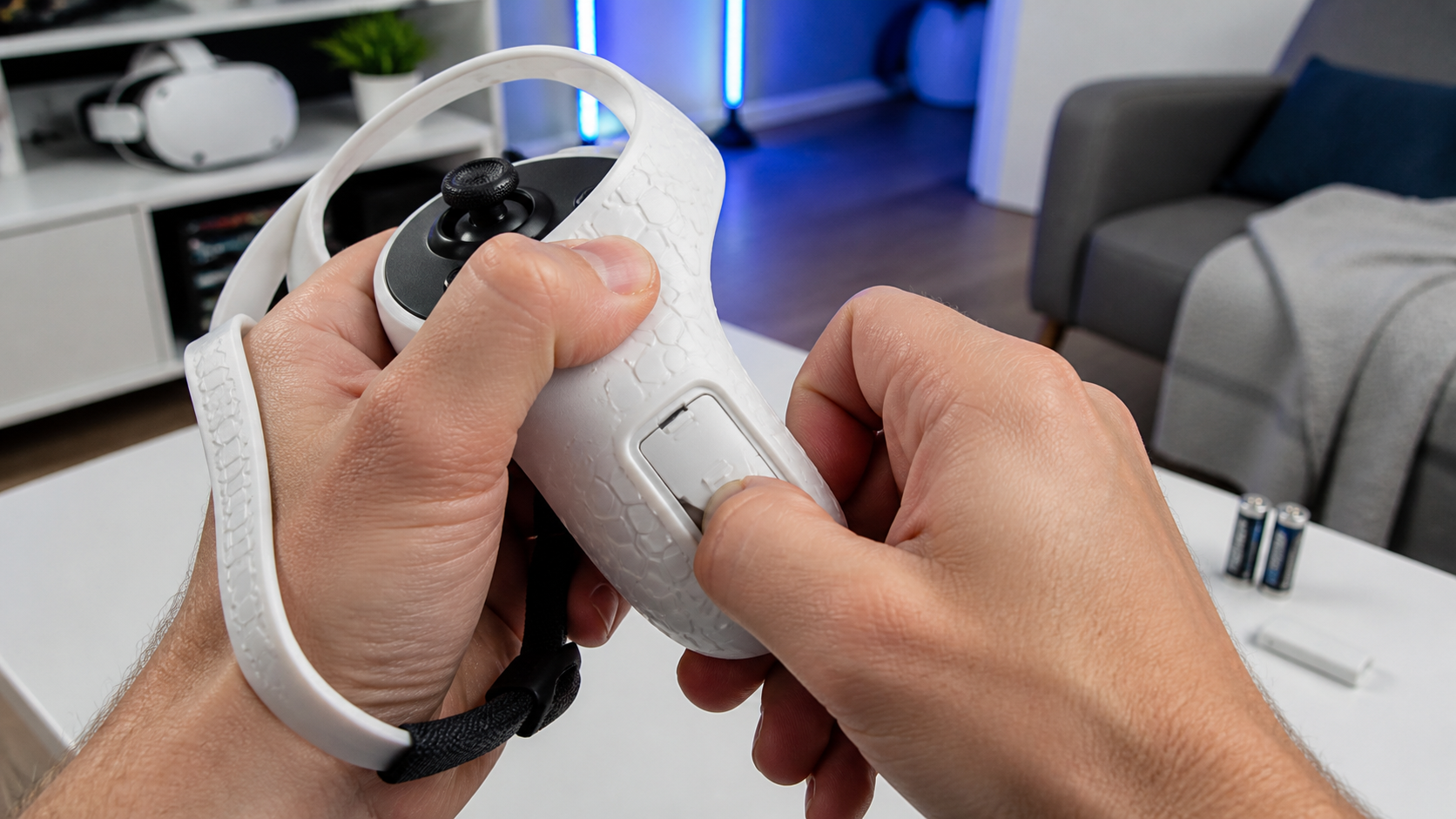
I bought these grips hoping for a better Beat Saber experience. I saw everyone online raving about them. They promised more control, better comfort, and the safety of not launching a controller through my TV. But the lived experience is always different from the product page. The constant battery door dance and the strap-sharing problem with my family were real frustrations. I decided to seriously test them and see if the benefits of comfort, control, safety, and immersion were worth the daily annoyances, especially when dealing with the pesky strap adjustment. This is my honest breakdown.
Would active gamers describe the Beat Saber change as comfort, control, safety, or immersion when strap adjustment changes?
I was tired of my hands cramping up during long Beat Saber sessions. The fear of a controller slipping from my sweaty palms was real. These grips seemed like the perfect fix.
Active gamers would primarily describe the change as a boost in control and safety. The knuckle straps let you relax your hand, preventing drops and reducing fatigue. However, if the strap adjustment is poor, it completely undermines comfort and breaks immersion every time you switch players.
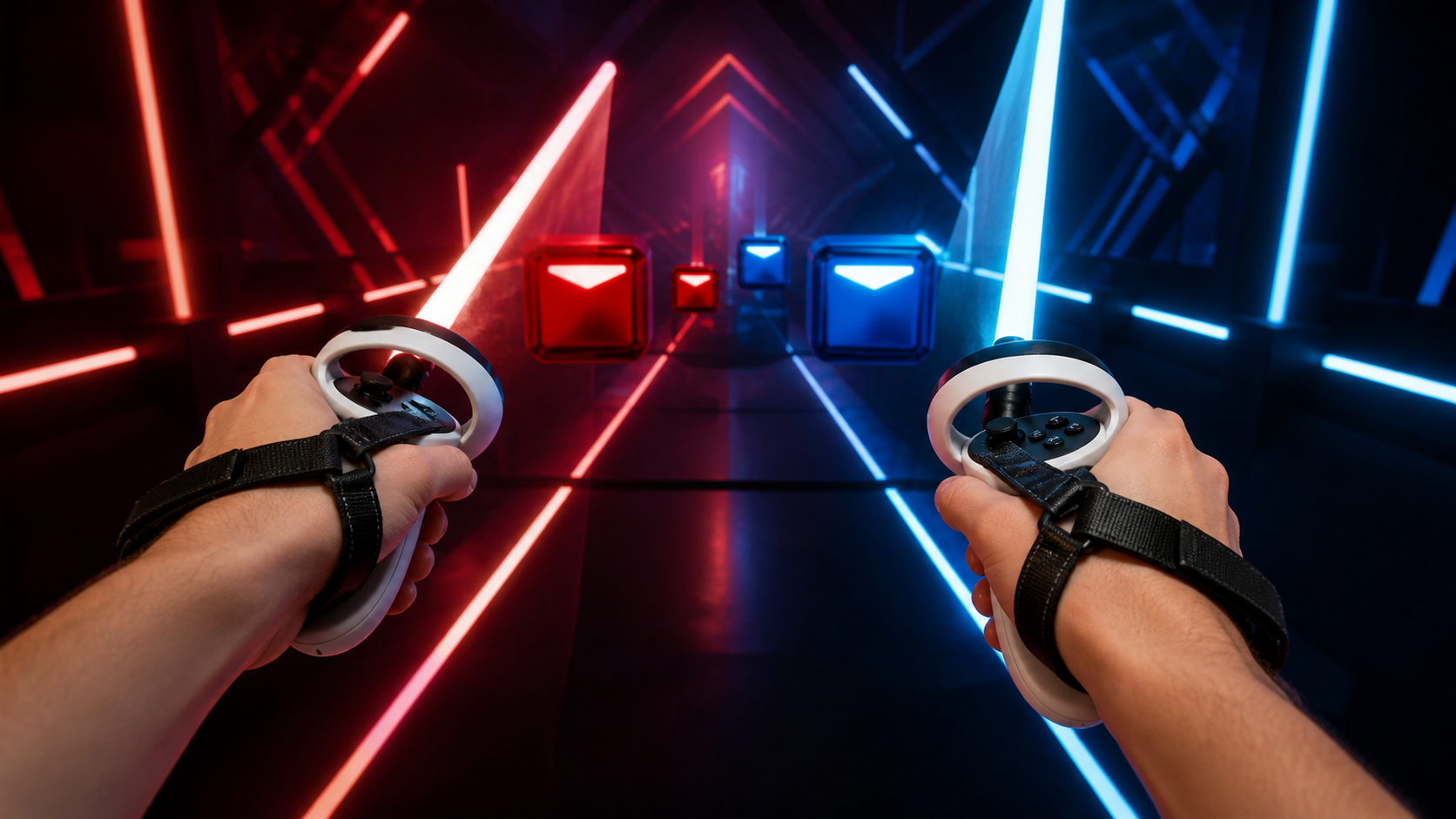
When I was the only one playing, the difference was immediately clear. The knuckle strap held the Touch Plus controller to my hand even when my grip was loose. This was a huge deal. It allowed for a more natural, relaxed wrist flick, which is key for hitting high-speed blocks in Beat Saber. But the moment I handed the controller to someone else, the experience changed. The "one size fits all" strap didn't fit all. The constant need to stop and readjust for another person’s hand size turned a seamless accessory into a point of friction.
The Four Pillars of Experience
I broke down the feeling into four key areas to see where the grips helped and where the strap adjustment failed.
| Feature | Without Grips | With Grips (Good Adjustment) | With Grips (Poor Adjustment) |
|---|---|---|---|
| Comfort | Okay, but requires a firm grip, leading to fatigue. | Greatly improved. My hand could relax, reducing cramp. | Worse than nothing. The strap digs in or feels loose. |
| Control | Good, but tied to how hard I could squeeze the controller. | Excellent. I felt more connected and precise with my swings. | Poor. The controller wobbles inside the loose strap. |
| Safety | Relies entirely on the thin wrist strap. I always felt nervous. | Very high. The controller felt like an extension of my hand. | Questionable. It feels secure until it suddenly isn't. |
| Immersion | Good, until my hand gets tired or I worry about dropping it. | Enhanced. I forgot I was holding a controller. | Constantly broken by the need to pause and readjust. |
The table makes it obvious. When the strap fits, grips are a clear winner. But when you introduce another player, especially a child with much smaller hands, the benefits in comfort and control disappear. The safety feels less certain, and immersion is gone.
Would compare minimalist grips against full silicone covers expose the same strap adjustment problem?
Some grips are just a strap, while others are full silicone sheaths. I wondered if the design made a difference or if I was doomed to face the same strap problem everywhere.
Yes, both minimalist grips and full silicone covers expose the same core strap adjustment problem. The issue is in the strap mechanism itself, not the amount of silicone. Full covers often make battery access worse and can even mute button feedback, adding new frustrations.
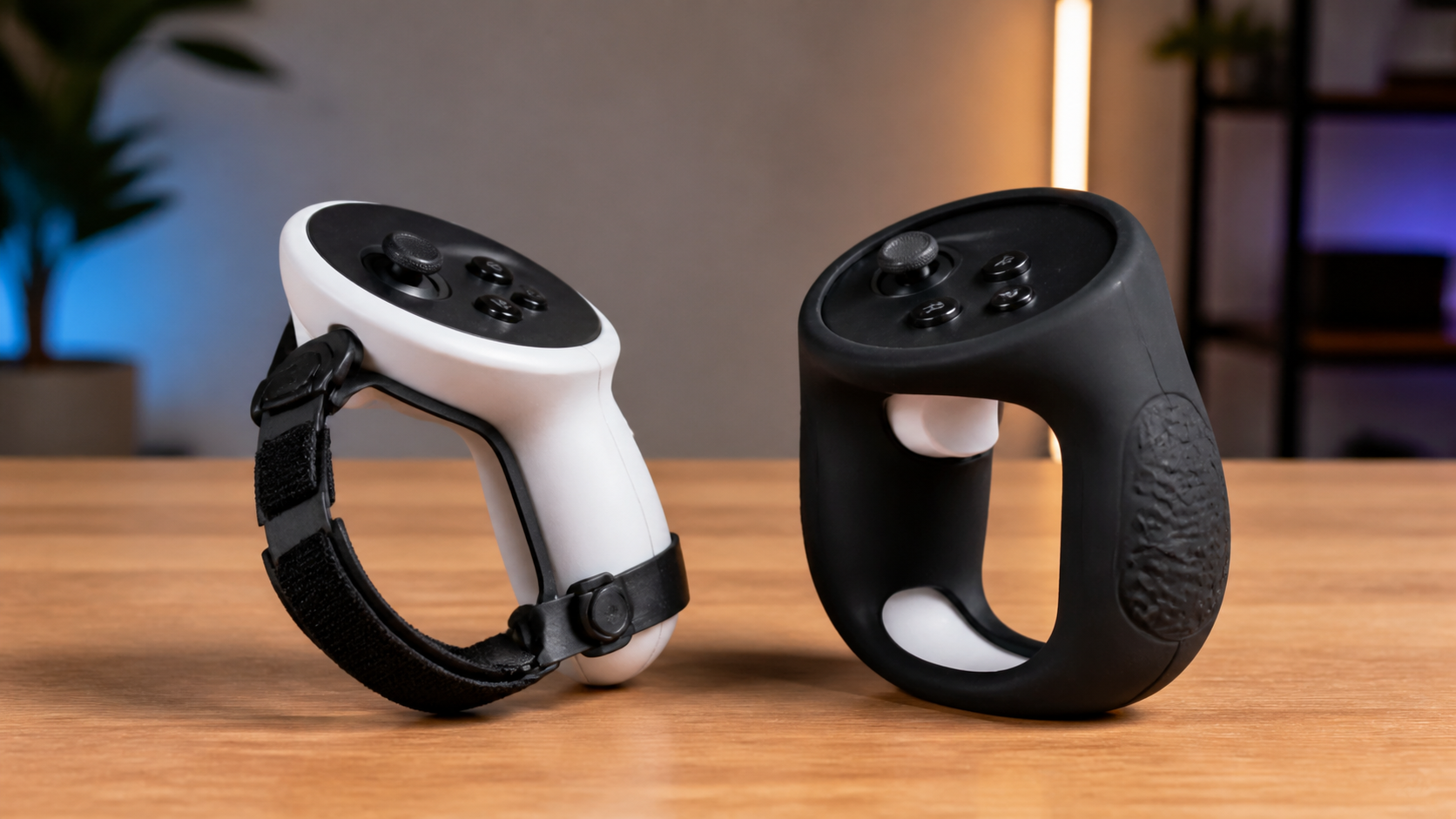
I decided to try both types to be sure. I started with a minimalist grip that was basically just a plastic clip and a knuckle strap. Then I moved to a full-body silicone cover that wrapped around the entire controller. My goal was to see if one was better for a multi-user household. The short answer is no. The fundamental design of the adjustable knuckle strap was the point of failure in both cases.
With the minimalist grip, the strap was easier to access, but it still required un-threading and re-threading Velcro for a significant size change. It was faster, but still an interruption. The full silicone cover was worse. The strap was often integrated into the silicone body, making it clunky to pull and tighten. And forget about changing the battery. I had to peel back the entire cover, which felt like performing surgery. I also hit a concrete problem: the thick silicone around the buttons made the haptics feel weak and mushy. The satisfying "click" of the A/B buttons was gone, which was a surprisingly big deal in a rhythm game like Beat Saber where you feel the beat. Both designs failed the family-sharing test.
Does the title need a warning for people with small rooms or shared spaces?
After a few sessions with the grips on, I felt invincible. My swings were faster and wider. Then I heard a loud crack as my knuckles met the edge of my desk.
Yes, a warning is absolutely necessary for people in small rooms or shared spaces. The enhanced safety of the grips creates a false sense of security. This encourages wider, more aggressive swings, dramatically increasing the risk of hitting walls, furniture, or other people.
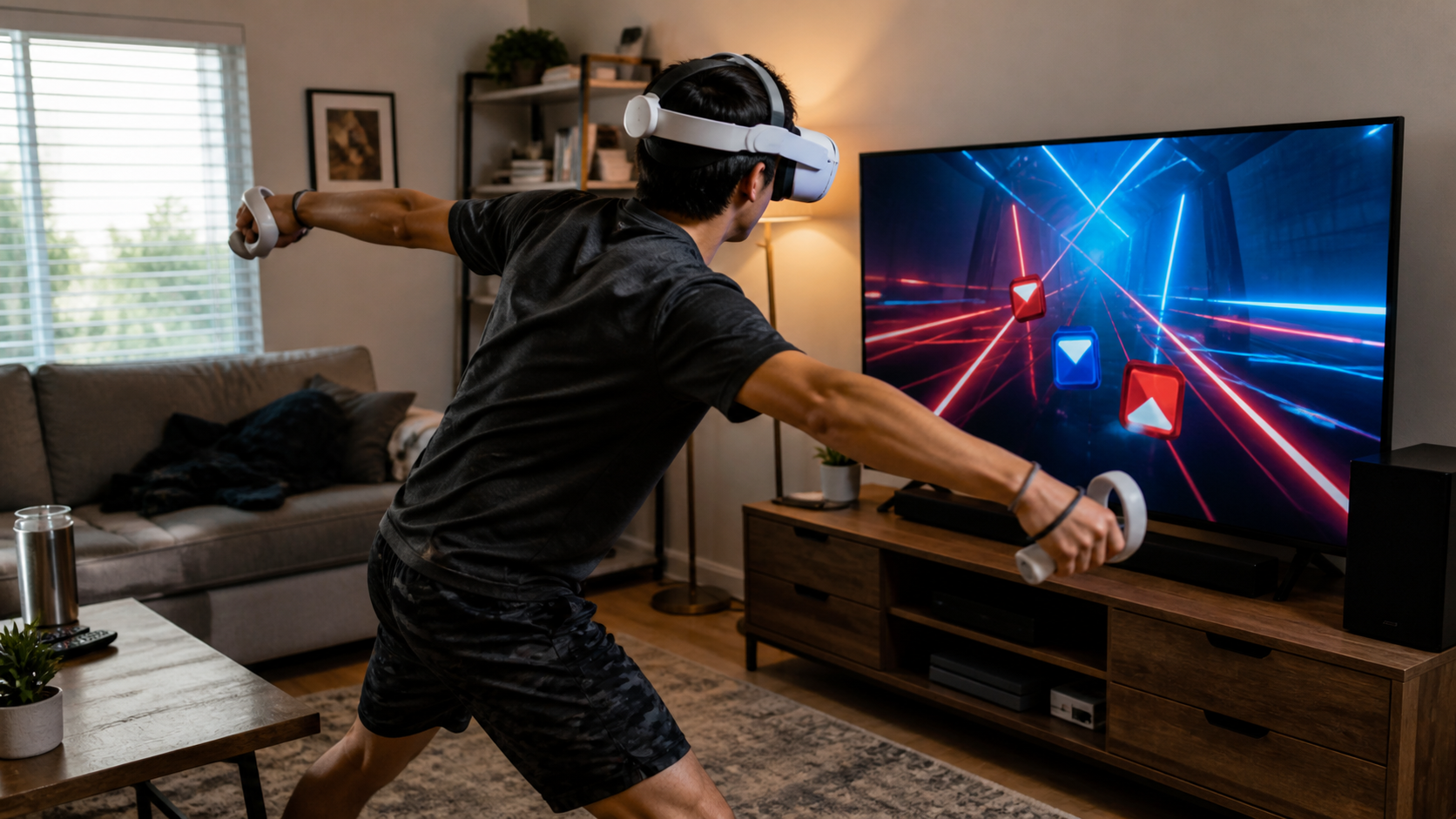
This is a side effect I never anticipated. The fear of dropping the controller acts as a natural limiter on your movements. When that fear is gone, you subconsciously swing bigger. In a large, open play space, this is great. It feels more freeing and immersive. In my small office, it was dangerous. The grips protected the controller when I hit my desk, but they didn't protect my hand. My guardian boundary was set up correctly, but in the heat of a fast song, my arm extended just a few inches past it.
This becomes an even bigger problem in shared living spaces. If you're playing in the living room while someone else is on the couch, your newly expanded "swing zone" can become a hazard for them. The grips make you feel like the controller is part of your body, and it's easy to forget you're swinging a hard piece of plastic through the air. If you play in a confined area, you need to be extra mindful of your movements with grips on. The added confidence they provide comes with added responsibility.
What final verdict should Quest Touch Plus Controllers users get for VR Controller Grips when Beat Saber is limited by strap adjustment?
So, after all this testing, are grips a must-have accessory or a waste of money? The answer isn't a simple yes or no. It all comes down to how you use your Quest.
For solo players, VR grips are a fantastic upgrade for Beat Saber, improving control and reducing fatigue. For anyone sharing their headset with family or friends, the constant strap readjustment makes them a frustrating burden that outweighs the benefits. They are an accessory for a personal device, not a shared one.
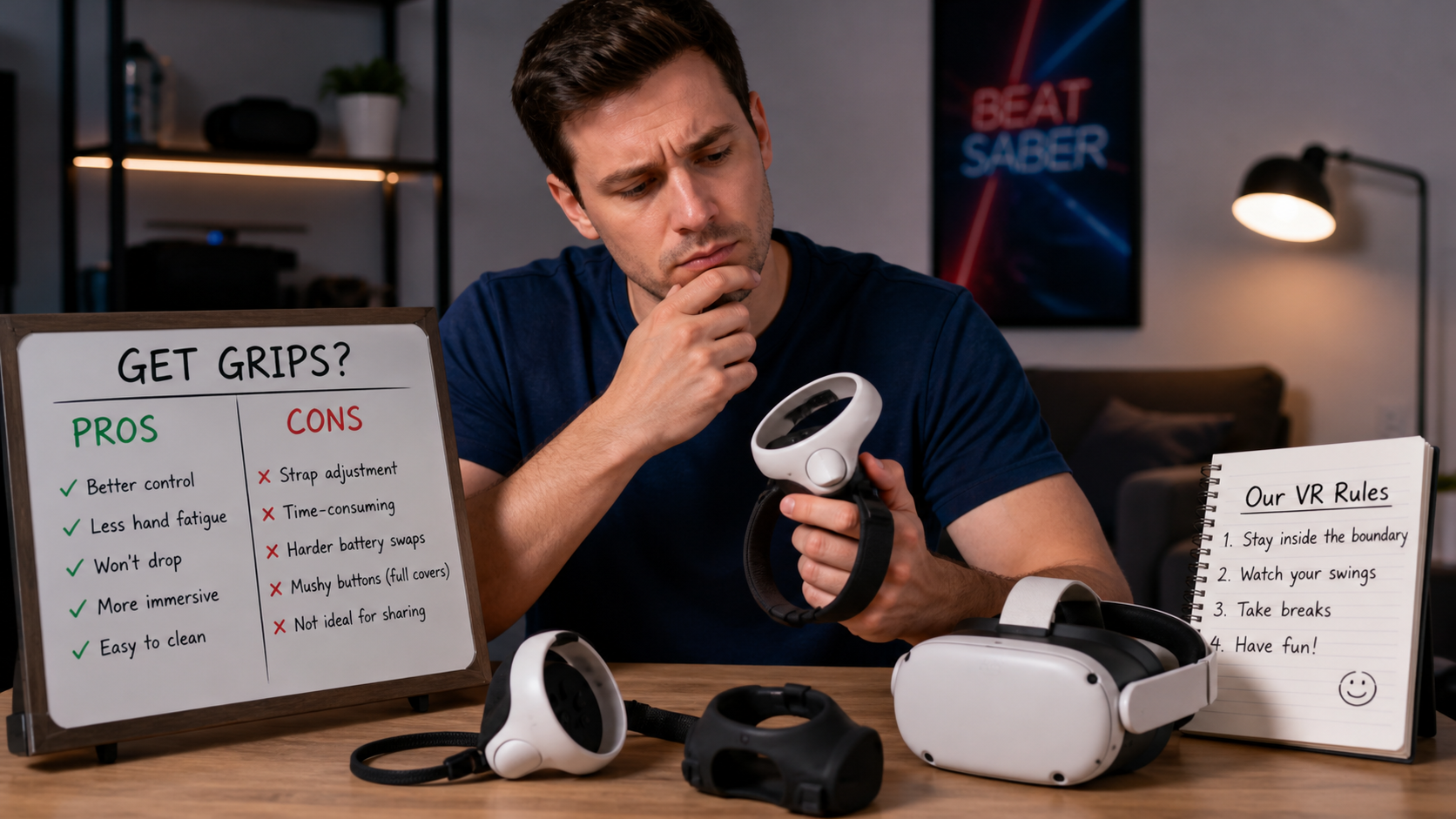
Here's my honest takeaway. If you are the primary or sole user of your Meta Quest 3, I highly recommend a good pair of controller grips. You can set the strap to your hand size once and enjoy the massive improvement in control and comfort. It makes long sessions of Beat Saber far more enjoyable, and the added security is a great peace of mind. The hygiene aspect of being able to remove and wash the silicone is also a nice bonus.
However, if your headset is the family's VR machine, I'd say skip them. The "failure case" I found was universal. Even with a high-end grip that had a quick-release buckle, it was still an extra step that broke the flow of just handing the headset over. The time spent adjusting straps between me and my nephew was pure friction. In this scenario, the grips create a problem instead of solving one. The base Touch Plus controllers with their simple wrist loops are faster and easier for a group setting. Don't buy into the hype if your VR time is a shared experience.
Conclusion
Controller grips are a great idea with a major flaw for shared use. They excel for solo gamers but fail the family test due to frustrating strap adjustments.
Leave a comment