



Are Beat Saber Grips a good gift for someone who mainly plays Quest 3 controllers?

My wrists ache just thinking about it. You're deep into an Expert+ map on Beat Saber, but your grip is failing. Is an accessory the answer, or just another gimmick?
Beat Saber grips can be a great gift for Quest 3 users, especially casual fitness players looking for more comfort. For competitive score chasers, however, the added bulk can interfere with tracking during fast cross-body swings, making them a risky choice for high-level play.
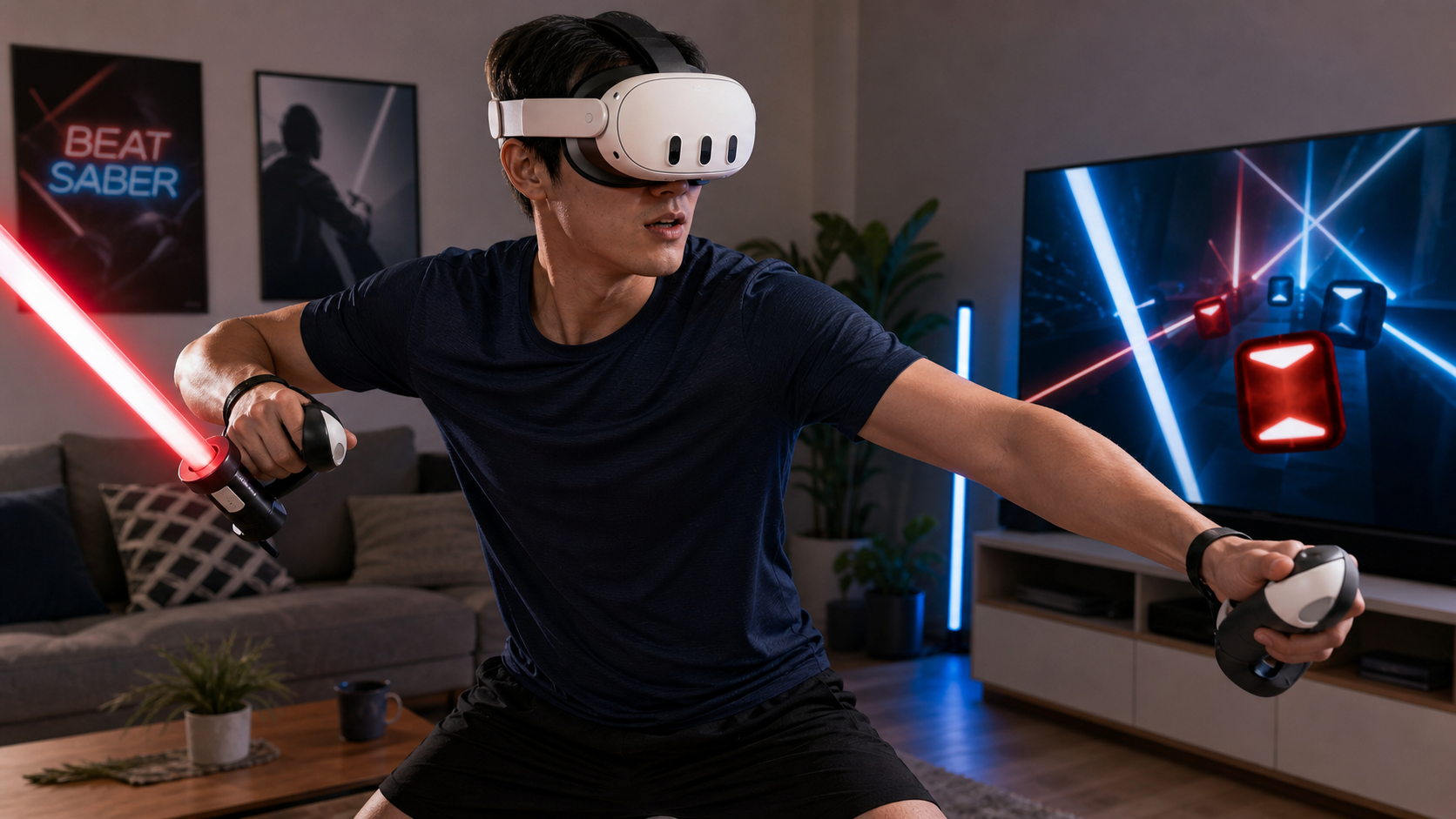
I’ve spent countless hours chasing high scores in Beat Saber, and the strain on my wrists is a constant battle. The Quest 3's Touch Plus controllers are light and well-balanced, but after 30 minutes of nonstop swinging, my hands start to cramp. I decided to see if a set of Beat Saber grips could be the solution. This isn't just a review; it's a deep dive from my own experience to see if these accessories help or hurt when the blocks are flying fast. I’m here to share what I found, from the first swing to the final score.
When score chasers use Beat Saber Grips in Quest 3 controllers, what feeling changes first about wrist strain?
You feel that familiar burn in your forearms during a tough song. You tighten your grip, but it only makes it worse. Is this just the price of playing hard?
The first thing you feel is a change in leverage, not a direct reduction in strain. The grip extends the controller, shifting the center of balance. This lets you relax your fingers, but it can create a new kind of rotational stress on your wrist during fast direction changes.
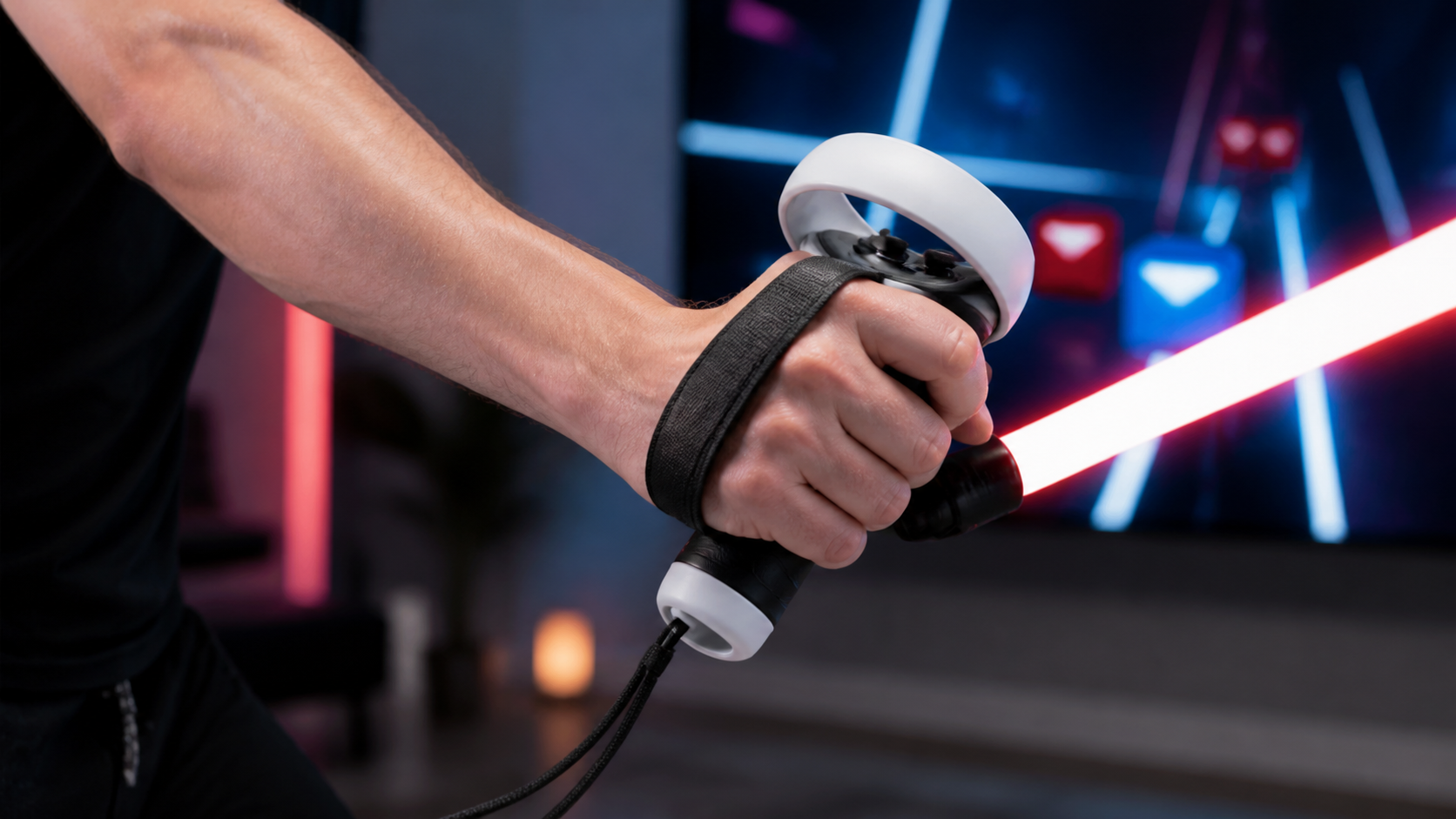
When I first attached the grips, the difference was immediate. The controller felt more like an extension of my arm, almost like a real saber hilt. The knuckle strap meant I no longer had to death-grip the controller, which was a huge relief for my fingers and palm. My hand could finally relax. But as I jumped into an Expert+ track, I noticed something else. The added length and weight, even if minor, created a pendulum effect. My swings felt more powerful, but snapping my wrist back for a quick up-down pattern required more force. The strain moved from my fingers to the small muscles that rotate my wrist. It was a trade-off, not a simple fix.
Initial Sensation: Grip vs. Strain
I broke down the initial feeling to understand the change. It wasn't just better or worse; it was different.
| Feature | Bare Quest 3 Controller | Controller with Beat Saber Grip |
|---|---|---|
| Hand Tension | High, especially during fast parts. You have to squeeze it. | Low. The knuckle strap secures the controller, letting your hand relax. |
| Swing Fulcrum | Centered in the palm of your hand. | Shifts lower, toward the bottom of the grip and wrist. |
| Type of Strain | Mainly in the fingers and forearm from constant gripping. | Shifts to rotational force on the wrist joint itself. |
What should be measured before claiming Beat Saber Grips fixes wrist strain?
An accessory feels "better," but your scores are dropping. Is it really helping? A gut feeling isn't enough when you're trying to improve your performance and avoid injury.
To properly test if grips fix wrist strain, you need to measure objective data. I tracked my score consistency, accuracy on fast crossover sections, and how long I could play before fatigue set in. These metrics provide proof, not just a subjective feeling of comfort.
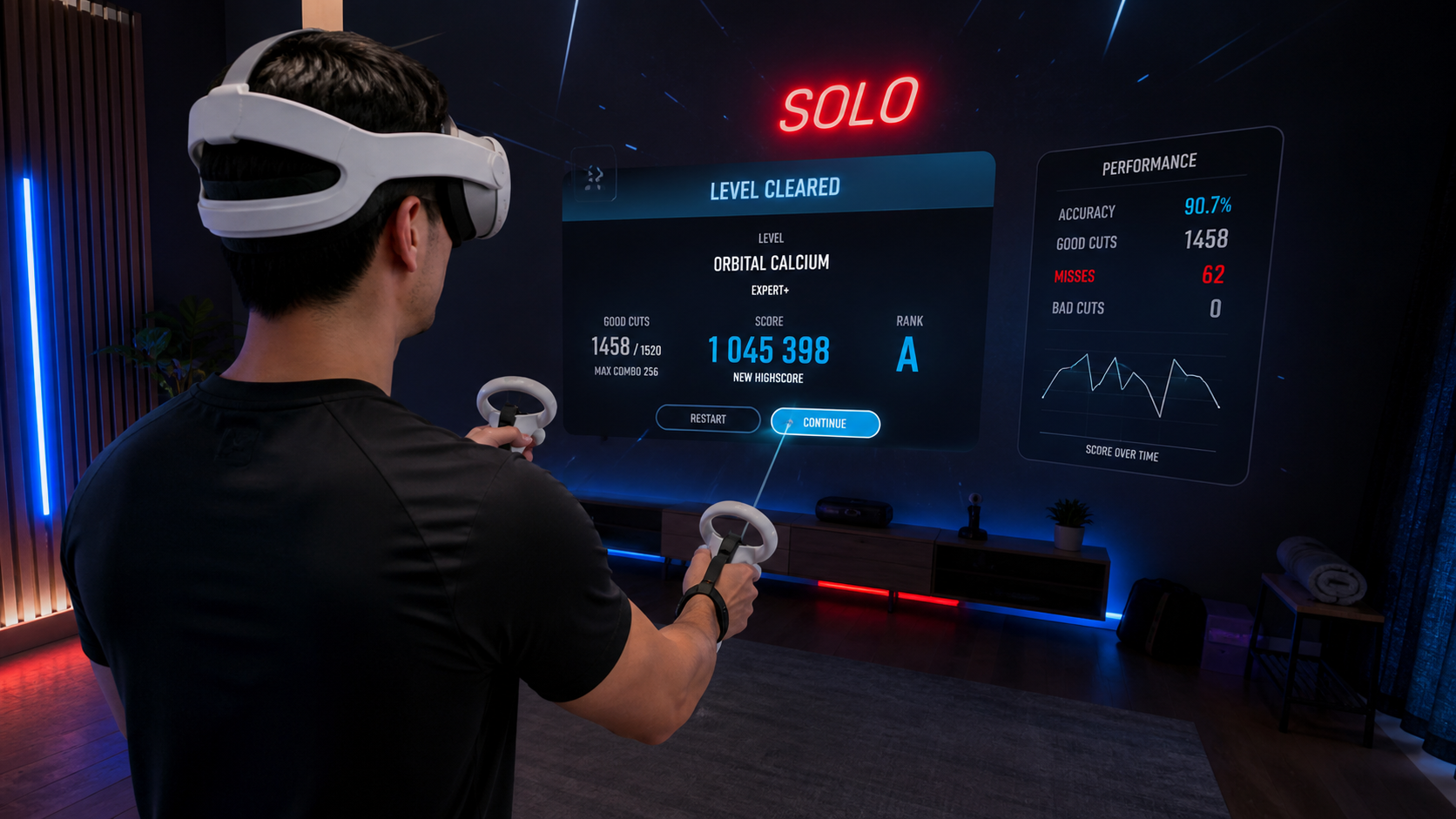
A claim without data is just an opinion. I knew I couldn't just say the grips "felt good." I needed to know if they made me play better or longer. So, I set up a personal test. I chose three Expert+ songs known for their complex, fast-moving patterns that cross the center of the body. These are the moments where tracking is most likely to fail and where my wrist strain usually peaks. Over several days, I played each song five times with the bare controllers and five times with the grips. I logged my average score, my accuracy percentage, and I made a special note of how many misses happened during fast crossover combos. The results were surprising. While my hands felt more comfortable with the grips, my accuracy on those critical crossover sections dropped by a few percentage points. The grips, while comfortable, were sometimes causing tracking glitches when my hands passed close to each other.
Can Quest Touch Plus Controllers fit checks catch the problem before the first full session?
You're excited to try your new grips, so you jump straight into a game. Suddenly, your sabers fly away or miss an easy block. Could you have seen this coming?
Yes, a simple fit check before you even launch the game can reveal major problems. I found that simulating fast cross-body swings in my living room immediately showed if the grips were too bulky. If they bump into each other or feel awkward, they will fail in-game.
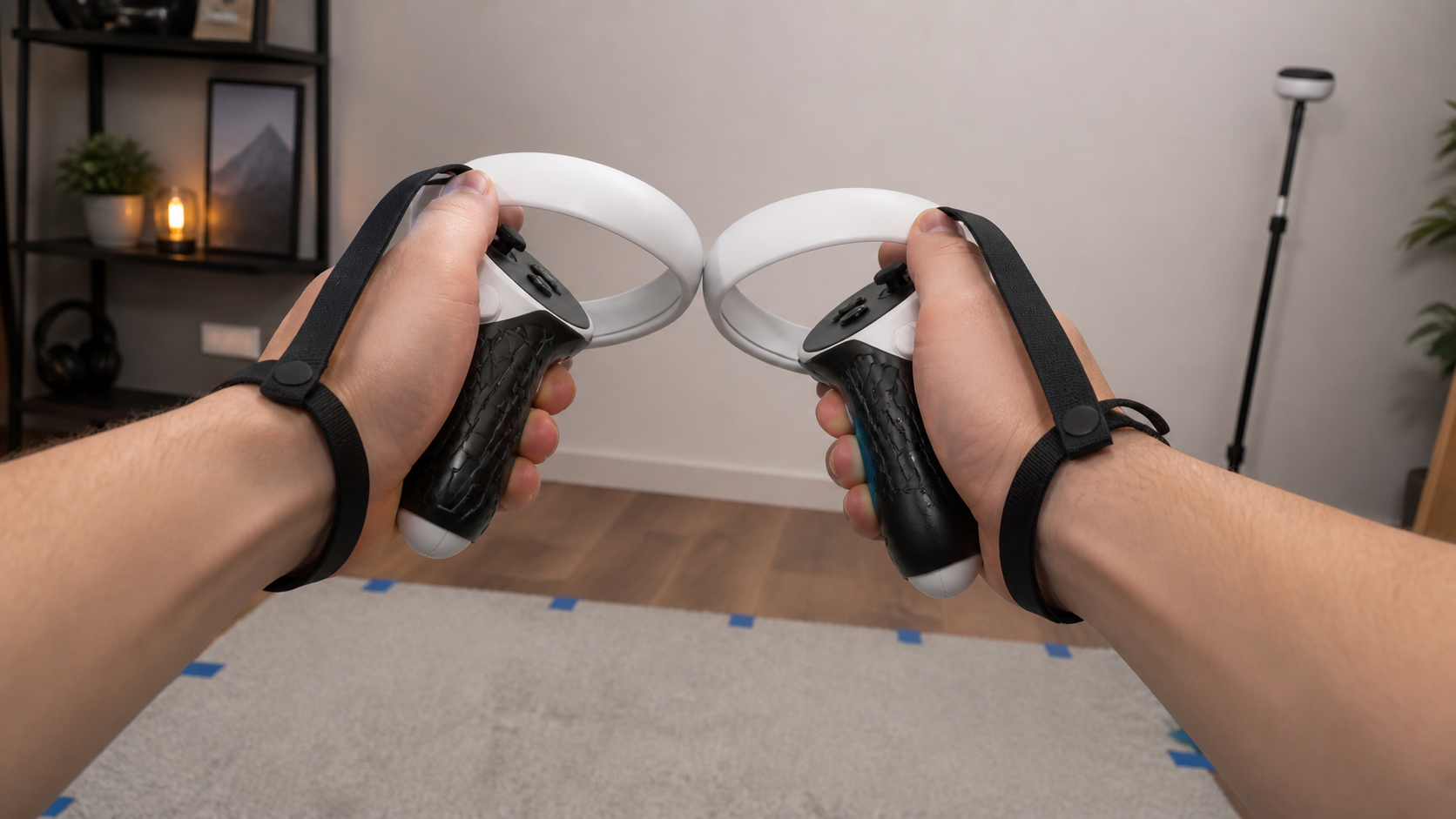
I learned this the hard way. My first session with the grips was a disaster because I didn't check the fit first. On my second attempt with a different grip style, I did a dry run. First, I put the grips on and tightened the straps. I held the controllers and just felt the balance. Then, I did some slow, deliberate swings to see if anything shifted or felt loose. The most important step was the crossover test. I stood and mimicked the arm movements of a difficult song, bringing my hands close together and crossing one over the other rapidly. This is where the issue became obvious. The plastic shell of the grip on my right hand was slightly colliding with the grip on my left. It was a tiny bump, but at the speed of an Expert+ song, that tiny bump was enough to cause a missed block and break my combo. This simple, two-minute check told me everything I needed to know before I even saw the first note block.
What would the reviewer keep using after the Quest 3 controllers test if wrist strain improves?
You've done the tests and you have the data. Now you face the real choice: what will be your go-to setup for your next session? The answer isn't always simple.
After all my testing, I decided to use both. I keep the Beat Saber grips on for long, casual fitness sessions where comfort is key. For serious score-chasing on Expert+ maps, I take them off and use the bare controllers for maximum tracking reliability.
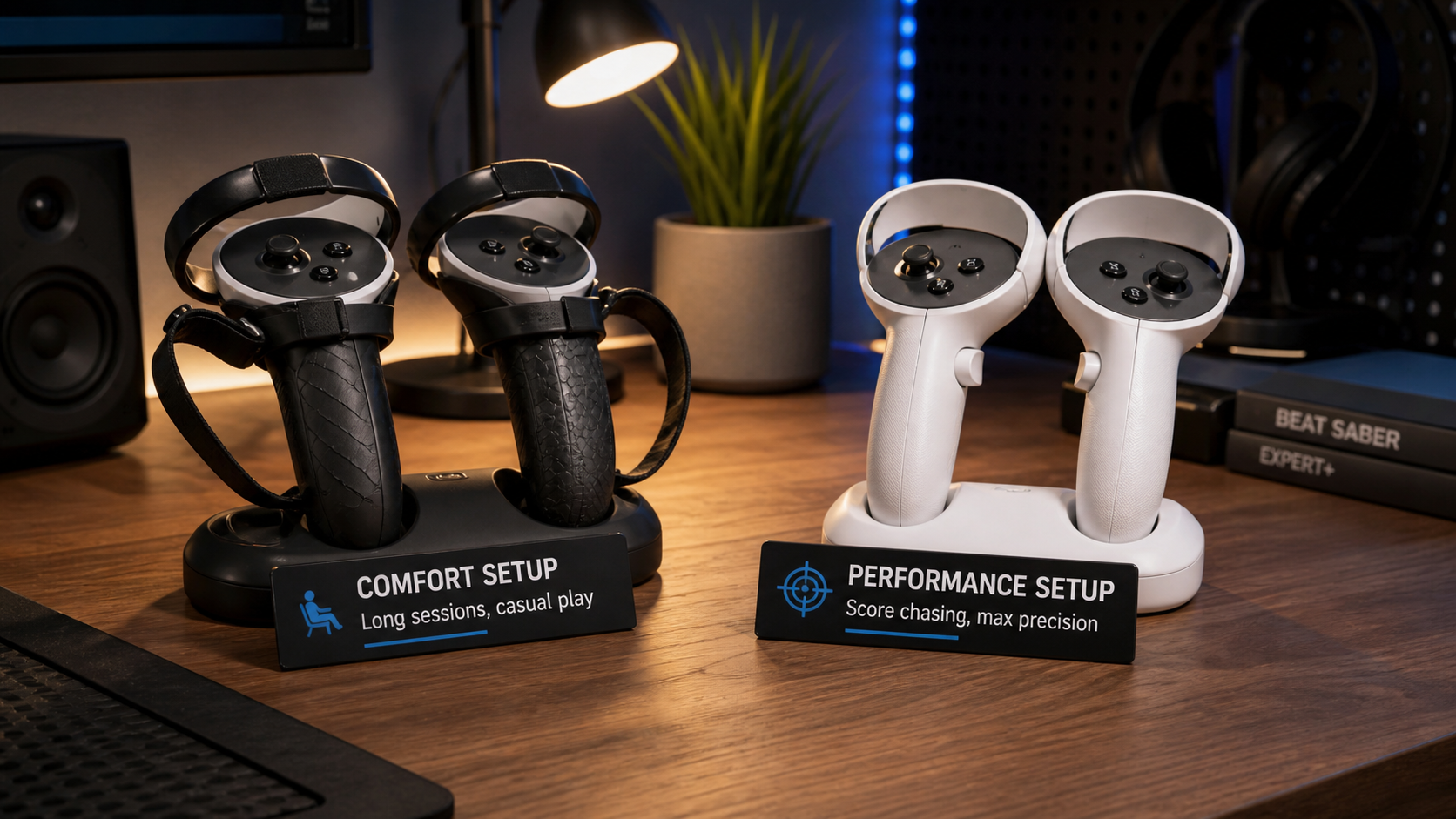
My final verdict is split because there are two types of players. For the competitive player trying to get a full combo on a ridiculously fast song, I have to recommend using the bare Quest 3 controllers. The slight change in balance and the risk of tracking interference during crossovers are deal-breakers. The bare controller is lighter, more nimble, and offers the most consistent tracking performance, which is what you need when every cut counts.
However, for the fitness player or someone who enjoys playing for an hour on Hard or Expert levels, the grips are a fantastic gift. The comfort they add is significant. Being able to relax your hands reduces fatigue and lets you play for longer. The strain from gripping is almost completely gone, which makes the overall experience much more enjoyable. The grips felt most annoying when a tracking error cost me a high score, but they felt most helpful during a long workout when my only goal was to keep moving and have fun. It all depends on your primary goal.
Conclusion
Beat Saber grips are a great gift for casual Quest 3 players seeking comfort. For score chasers, the bare controllers offer better precision and tracking for top-tier competitive play.
Leave a comment