



When does a Silicone Head Strap for Meta Quest stop feeling helpful in Beat Saber sessions for Travelers?

Your Meta Quest feels front-heavy during travel sessions. The stock strap digs in, but elite straps are too bulky to pack, ruining your immersion.
A silicone head strap stops feeling helpful in Beat Saber when intense, long sessions cause sweat to build up. This can make the silicone material feel slippery, requiring readjustment during fast-paced songs and breaking your focus, especially for expert-level players who need perfect stability.
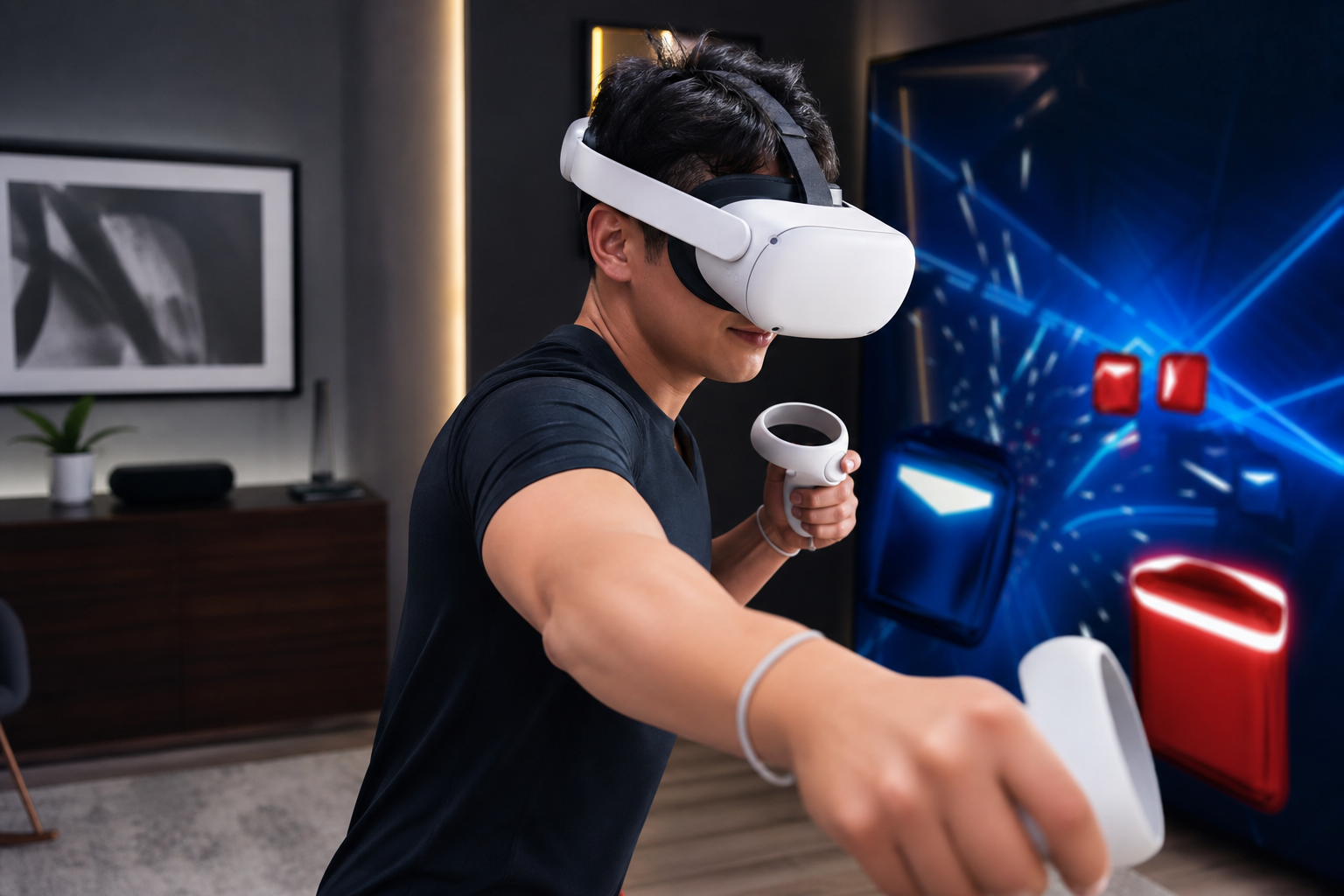
When I first unboxed my Meta Quest, I knew the cloth strap wouldn't last. For a traveler, space is everything. I needed an upgrade that was comfortable but also flat-packed easily. A silicone strap seemed like the perfect answer. It promised more support than the stock strap without the bulk of a rigid halo or elite-style strap. My main game on the road is Beat Saber, so the test was simple: could I play longer and harder without the headset wobbling off my face? The answer wasn't a simple yes or no. It depended entirely on who was playing and for how long.
Does weight balance affect beginners and experienced users in the same way?
You think a comfortable strap is a one-size-fits-all solution. But what feels great to you as a beginner might feel unstable to an expert player.
No. Beginners mainly feel the relief from forehead pressure and appreciate the headset staying put. Experienced Beat Saber players are more sensitive to the subtle front-heavy feeling that remains, as perfect balance is critical for the fast, precise head movements required in expert-level songs.
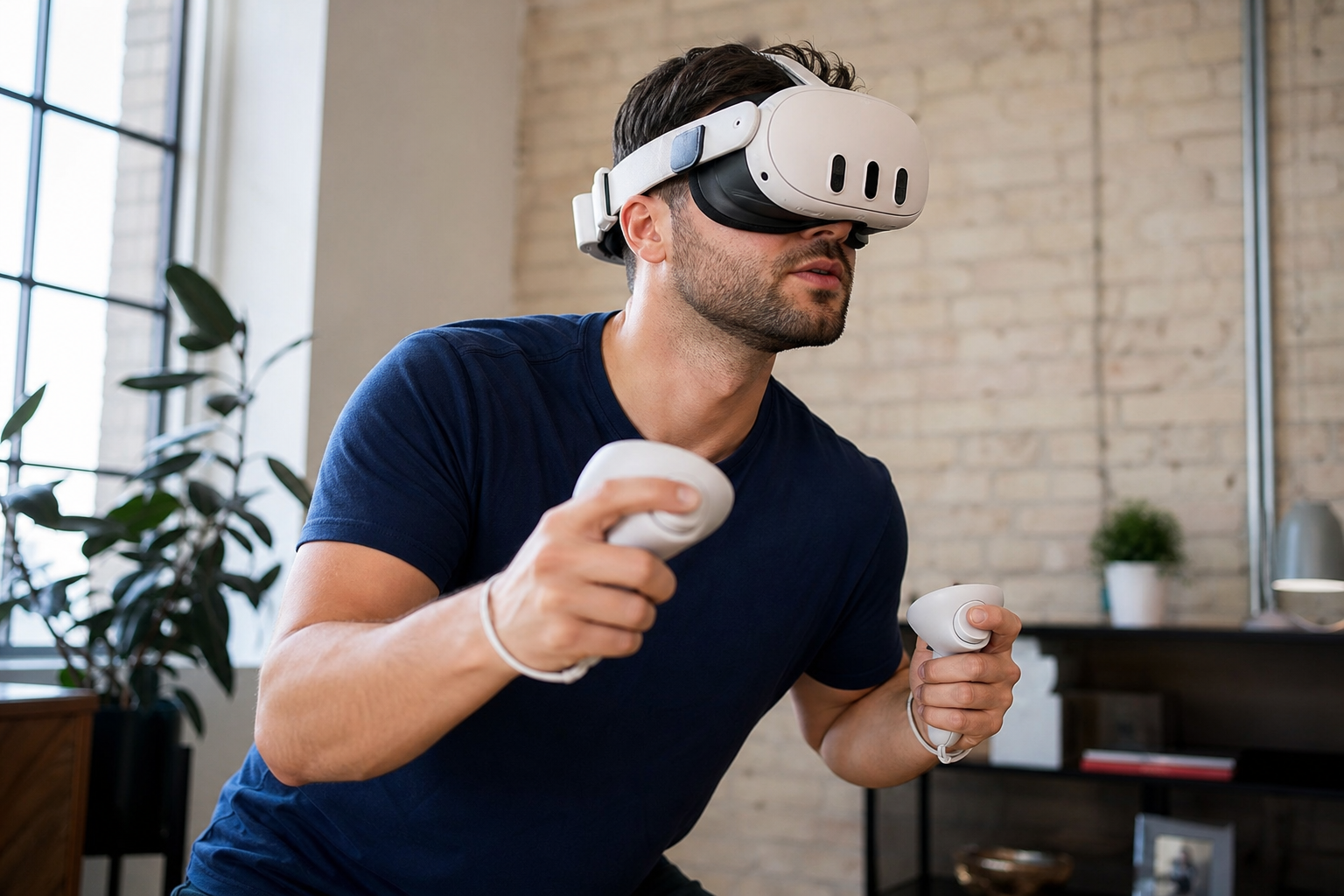
When I started using the silicone strap, the difference was immediate. The stock strap made the headset press all its weight onto my cheekbones and forehead. The silicone strap cradled the back of my head, distributing that weight much better. For my first few weeks playing Beat Saber on "Hard," this felt like a total game-changer. I could play for an hour without feeling that nagging pressure. But when I invited a friend over who plays on "Expert+," he noticed something different. He said that while it was more stable than the stock strap, he could still feel the headset's inertia on fast dodges. He was used to a heavy counterweight strap, and for him, that perfect front-to-back balance was missing.
Beginner vs. Expert Priorities
| Feature | Beginner's Perspective | Expert's Perspective |
|---|---|---|
| Stability | "Does it stay on my face?" The silicone strap is a huge win. | "Does it shift at all during a 90-degree wall dodge?" A slight shift is noticeable. |
| Comfort | "Does it stop the pressure on my forehead?" Yes, it's much better. | "Is the weight perfectly balanced for minimal neck strain?" It's better, but not perfectly balanced. |
Does a glasses-fit photo from the side prove enough for Meta Quest 3S owners?
You see a product photo with someone wearing glasses, and it looks perfect. You assume your glasses will fit just as well.
No, a side-view photo is a poor indicator of true comfort. It can't show if the strap arms press the sides of your glasses into your temples over a long session. The width and thickness of your frames make a huge difference, which one photo can't capture.
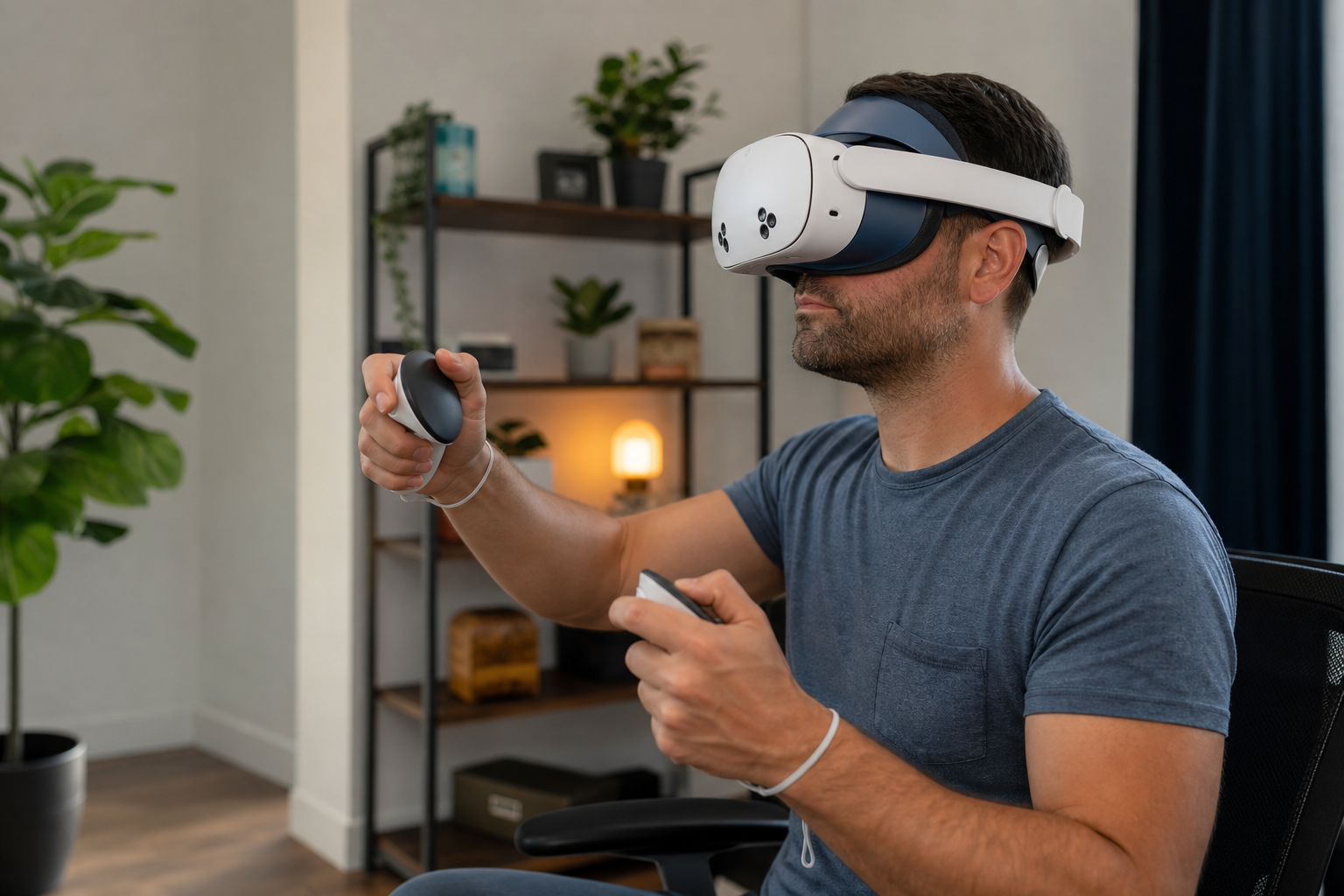
I wear glasses, so this was a big deal for me. On the product page, I saw the typical side-view shot, and it looked like there was plenty of room. When I first put the strap on, it felt fine. The side straps didn't seem to touch my glasses frames. But after about 20 minutes in Beat Saber, I started to feel a dull ache on the side of my head. I took the headset off and realized the flexible silicone arms were slowly but surely pressing my glasses' arms into my temples. My everyday glasses have thicker arms, so the pressure was noticeable. When I switched to my thinner travel glasses, the problem mostly went away. A single photo can show that a strap doesn't outright conflict with glasses, but it can't tell you anything about sustained pressure, which is what really matters for immersion.
Is the best comparison a cheaper accessory, a DIY setup, or no accessory at all?
You're trying to find the best value. Should you compare this strap to a $15 knock-off, a power bank you zip-tied to the back, or just the original strap?
For a traveler, the best and most honest comparison is no accessory at all. The main goal is a lightweight, packable upgrade over the stock experience. Cheaper accessories can be unreliable, and DIY setups are often too bulky and clumsy for travel, defeating the purpose.
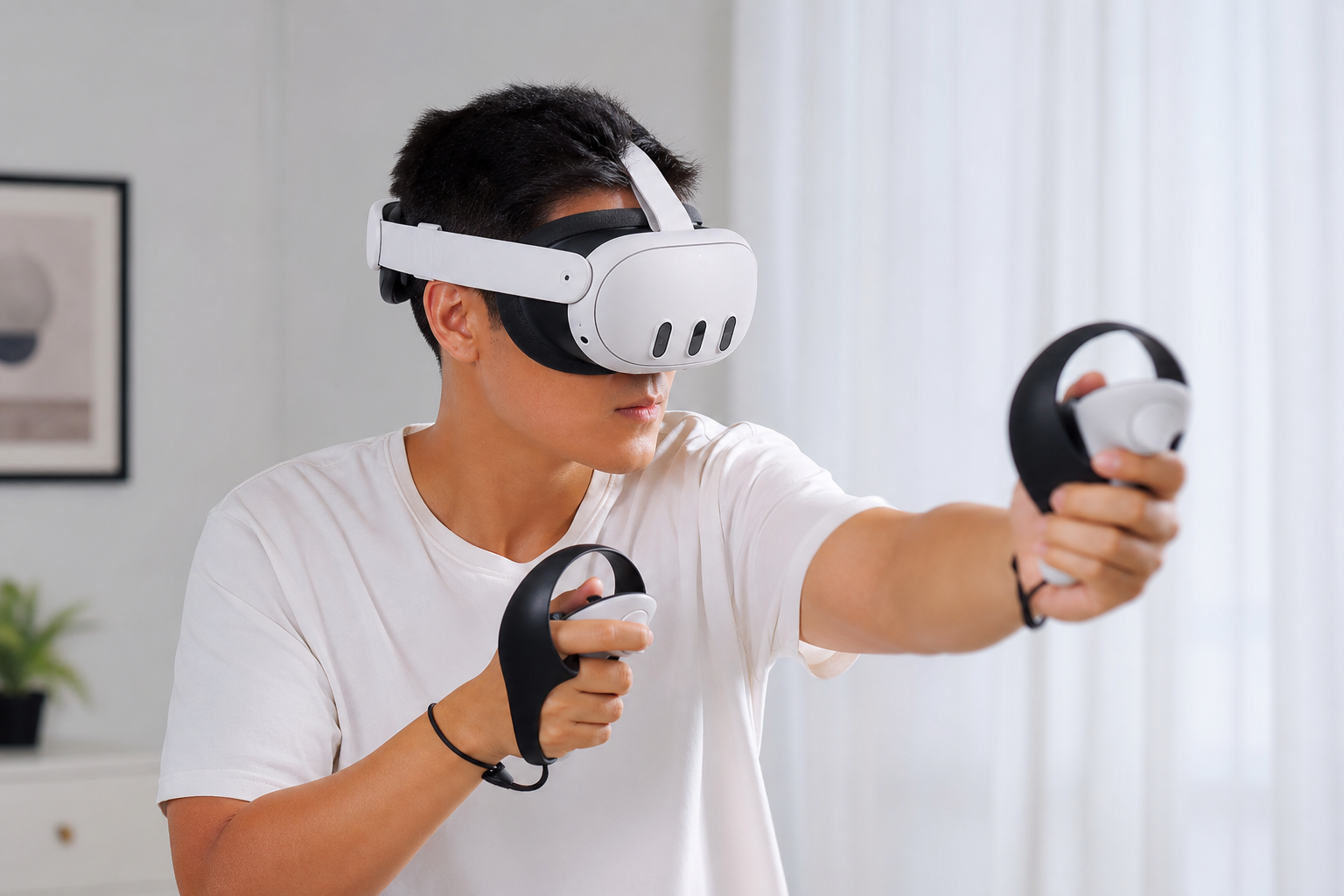
I've seen all the recommendations. Some people swear by taping a 10,000mAh power bank to the back of the stock strap. It works for balance, but it looks messy and I'd never pack that for a trip. I also tried a cheap, hard plastic strap I found online. It cracked after two weeks. For me, the real question was simple: Is my experience with the silicone strap significantly better than with the cloth strap that came in the box? I wasn't looking for the absolute best comfort in the world—I know a big battery strap would win that. I was looking for the best portable comfort. The silicone strap packs almost as flat as the cloth one, is much easier to clean, and provides a 70% improvement in stability. For my travel needs, that makes it a clear winner over the stock strap.
| Factor | Stock Cloth Strap | Silicone Head Strap |
|---|---|---|
| Packability | Excellent, completely flat. | Very good, mostly flat. |
| Stability | Poor, requires constant tightening. | Good, holds firm for most sessions. |
| Cleaning | Difficult, absorbs sweat. | Excellent, just wipe it down. |
Would a negative Beat Saber sessions test still help buyers understand weight balance on Meta Quest 3S?
Product reviews always seem to say "it's great!" It makes you skeptical. What if a product has flaws? Is sharing that failure actually more helpful?
Yes, absolutely. A "negative" test that finds the strap's limits is more helpful than a generic positive review. Knowing that it might slip after 45 minutes of intense, sweaty gameplay helps an expert player make an informed choice, while reassuring a casual player that it's perfect for their needs.
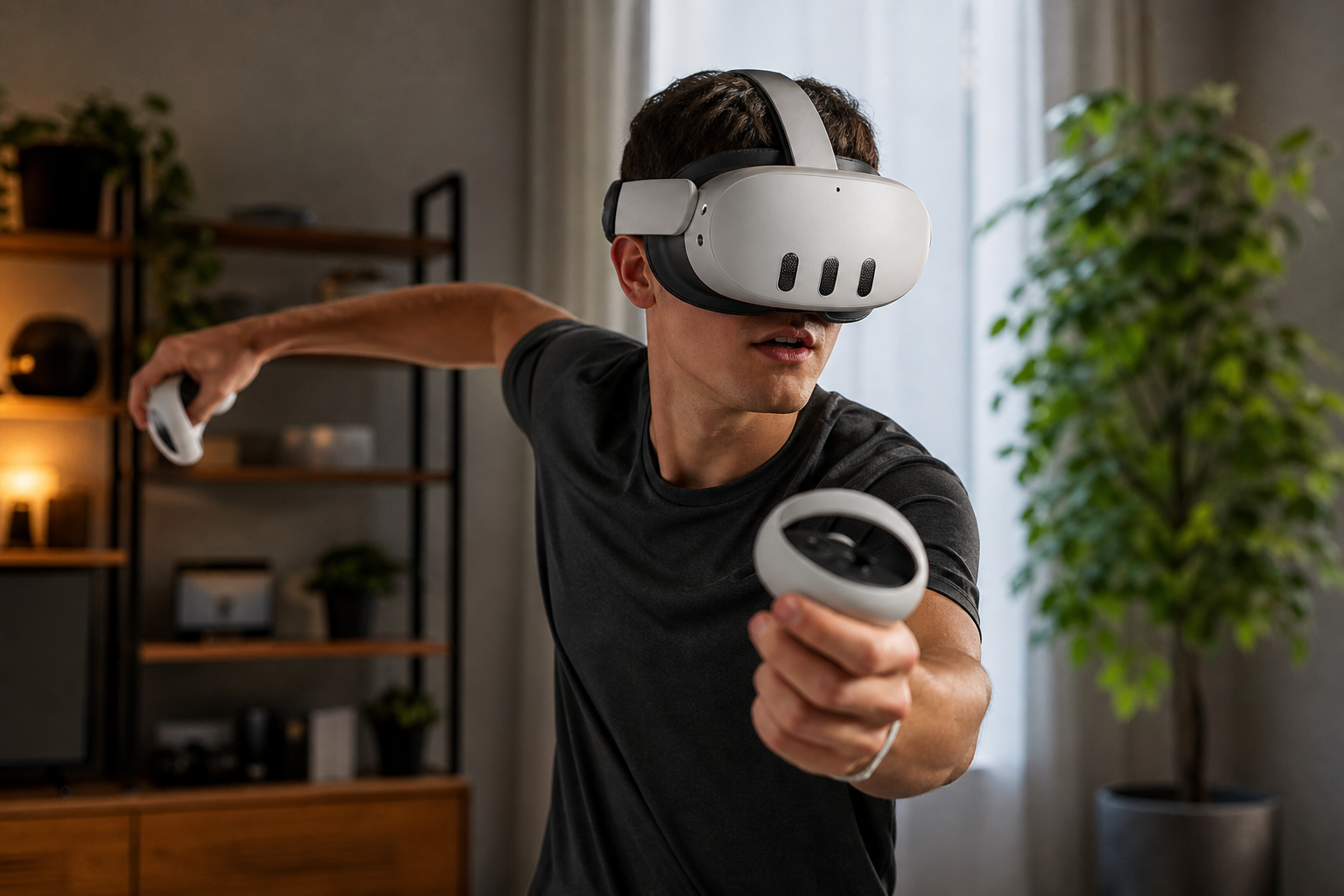
I decided to push the silicone strap to its limit. I put on a custom 10-minute endurance song in Beat Saber filled with fast patterns and lots of ducking and dodging. For the first five minutes, it was perfect. The headset felt locked to my face. But as I started to sweat heavily, I felt the back of the silicone cup begin to lose some of its grip. By minute eight, I had to pause and readjust because a fast head-swivel made the headset shift slightly. Now, is that a failure? Not really. It's a data point. It tells me this strap is fantastic for 95% of my gameplay. But for that top 5% of super-intense, long-form sessions, it has a performance ceiling. Sharing this specific "negative" experience is the most honest thing I can do. It helps other players match the product to their own play style.
Conclusion
The silicone strap is a fantastic travel upgrade for casual players. It vastly improves on the stock strap's comfort and stability. Hardcore players may hit its limits during sweaty, marathon sessions.
Leave a comment