



What would make boxing players return VR Sweat Mask after trying kids' fitness?

Sweat in VR is a huge problem. Your headset gets gross, the lenses fog up, and it feels awful. A VR sweat mask seems like the perfect fix.
A boxing player would return a VR sweat mask if the hassle of washing it after every short session feels like more work than just wiping down the headset. For a 20-minute kids' fitness game, the benefit of sweat absorption doesn't outweigh the inconvenience of daily cleaning.
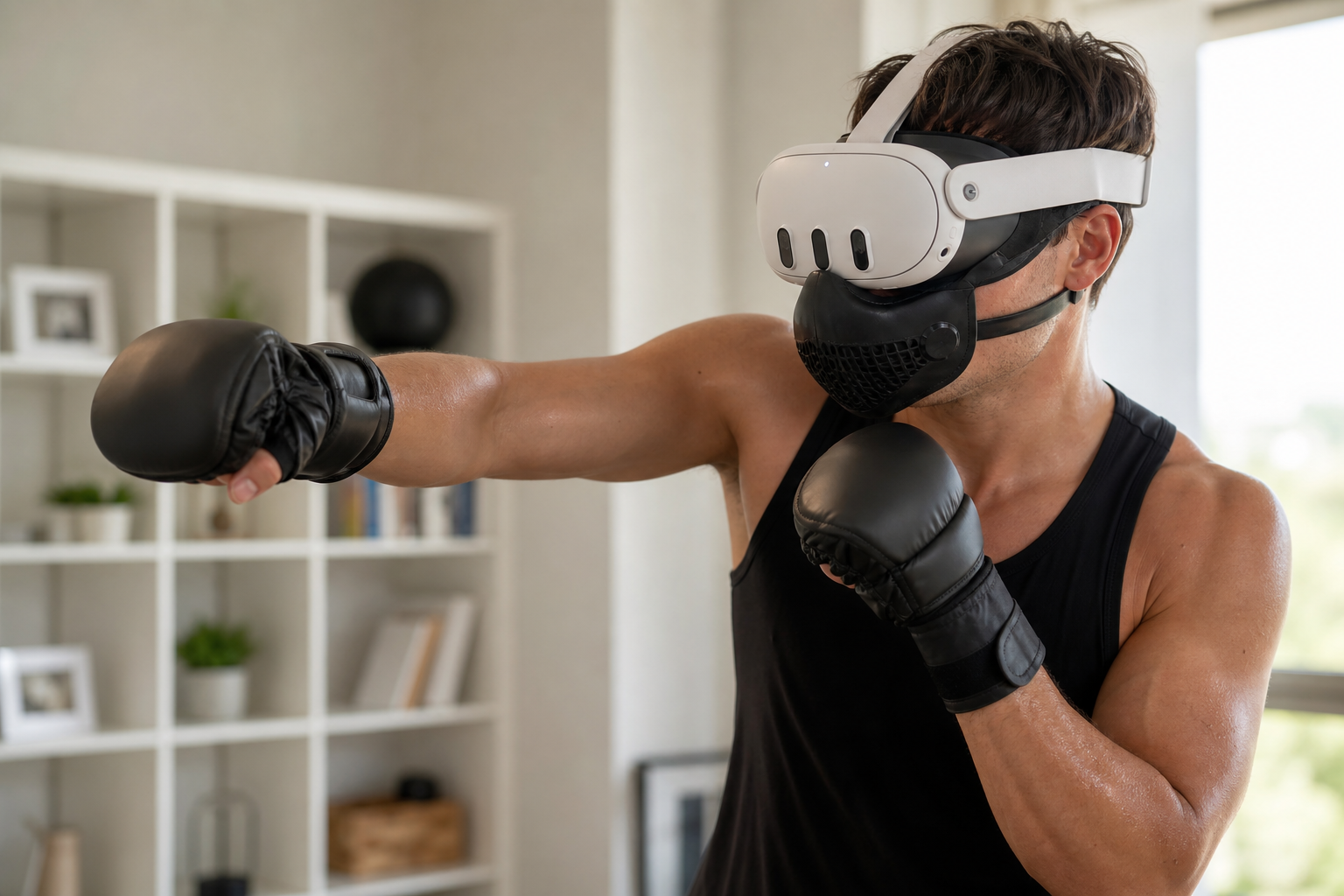
I'm used to intense VR boxing. My sessions are long, and I sweat a lot. For that, a sweat mask makes sense. But recently, I tried something different. I jumped into a few kids' fitness games on the Quest 3 with my new Touch Plus Controllers. The experience made me rethink my accessories. I started asking myself if this sweat mask was really worth it for everything. My gut feeling was that for shorter, less intense games, the mask was more trouble than it was worth. This experiment turned into a deep dive, a case study from my own living room. I wanted to find out what really works and what's just another gadget to clean.
If the session lasts 20 minutes, does washing frequency become more noticeable?
You finish a quick game and feel great. But now you have a damp sweat mask. You have to wash it, or it will get smelly. The quick fun is over.
Yes, for a 20-minute session, the washing frequency becomes a major factor. The mask doesn't get soaked, just slightly damp. The effort of a full wash-and-dry cycle feels excessive for such a short playtime, making a simple wipe-down facial interface seem much more convenient.
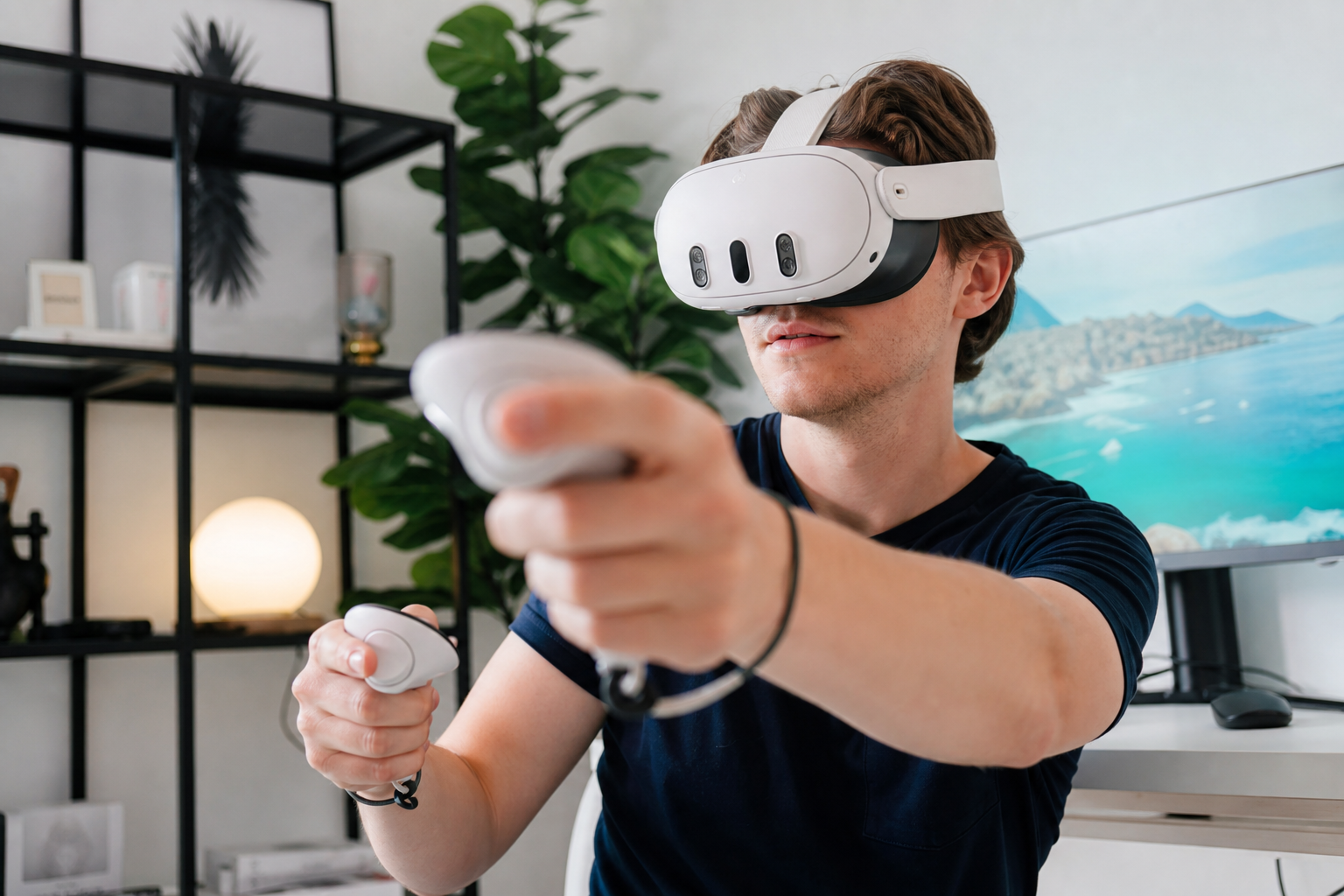
When I play a boxing game for an hour, I'm dripping with sweat. The stock facial interface becomes a sponge. In that case, washing a separate sweat mask is a clear win. It protects my headset and is designed to be cleaned. But a 20-minute kids' fitness game is different. I get a little warm, and my face might feel a bit clammy, but that's it. The mask absorbs this small amount of moisture, but then what? It's not dirty enough for a machine wash, but leaving it damp is a bad idea. So, I have to hand wash it and set it out to dry. This process takes a few minutes, and I have to remember to do it. If I forget, I come back to a nasty surprise later. This is where the hassle factor really kicks in.
The Cleanup-to-Playtime Ratio
I started thinking about the time spent cleaning versus the time spent playing. For my intense workouts, the ratio is fine. For these short sessions, it feels completely backward. I spent more time on accessory maintenance than I would have if I just used a silicone face cover and wiped it with an antibacterial wipe.
Here’s a breakdown of how I see it:
| Accessory | 20-Min Session Cleanup | 60-Min Session Cleanup | Notes |
|---|---|---|---|
| VR Sweat Mask | Hand wash and air dry (5-10 mins + drying time) | Machine or hand wash (5-10 mins + drying time) | Feels like too much work for a short session. Must be fully dry before next use. |
| Silicone Face Cover | Wipe with cloth/wipe (30 seconds) | Wipe with cloth/wipe (30 seconds) | Instantly ready for the next person or session. Sweat can sometimes drip down. |
| Stock Foam Interface | Stays damp, hard to clean | Gets soaked, very unhygienic | The worst option for any kind of fitness. Absorbs sweat and bacteria. |
After looking at it this way, the sweat mask started to feel like a specialized tool, not an everyday solution. For quick, casual fun, its main feature—absorption—creates a chore that a simpler accessory avoids. The failure case is clear: if my VR habit includes many short sessions, the washing frequency makes me not want to use the mask at all.
Does a photo showing fit under the facial interface make the recommendation more trustworthy?
You see a perfect product photo. The sweat mask looks seamless under the facial interface. But you wonder, "Will it actually feel that good on my face?"
A photo helps, but it doesn't make a recommendation fully trustworthy. It can show if there are major gaps or bunching. But it can't communicate the feeling of pressure, material texture against the skin, or if it causes the headset to shift during fast movements.
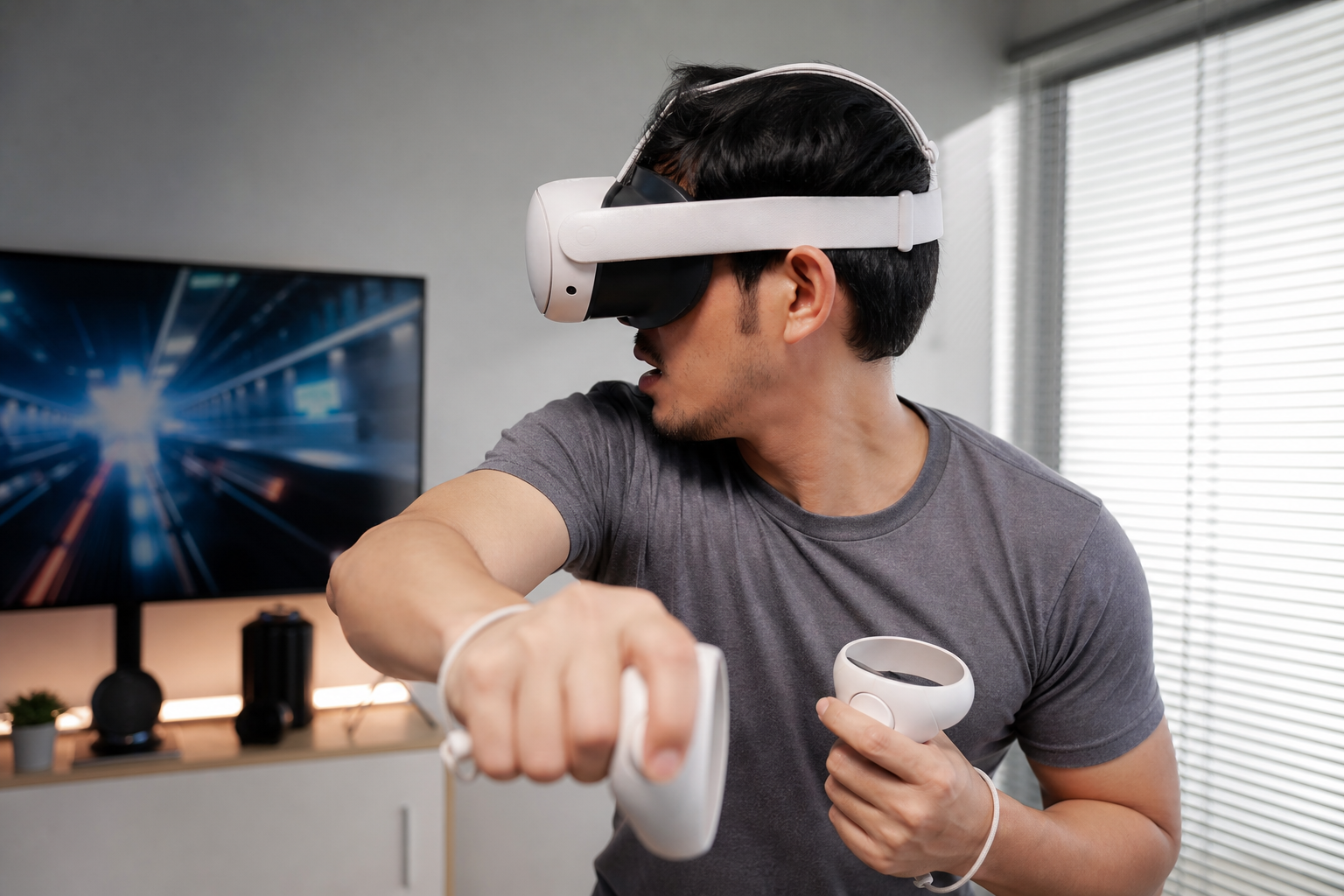
Pictures are great for a first impression. When I was looking at this sweat mask, the photos showed it fitting neatly. It looked like a clean, simple solution. But my real-world experience was more complicated. The first time I put it on, I could feel the extra layer of fabric. It wasn't uncomfortable, just noticeable. The photo can't tell you how the fabric feels after 15 minutes when it's slightly damp with sweat. It can't show you the slight pressure it adds around your cheekbones or forehead. For me, this was the most important part. The mask changed how the headset's weight was distributed on my face. It was a small change, but it was there. A picture is static. It doesn't capture the dynamic reality of moving your head quickly in a game. That’s when you find out if the fit is truly good or if it just looks good for a product listing. The lived experience is what makes a review trustworthy, not just the picture.
Is the pain caused by the game, the controller shape, or the accessory fit?
Your hand starts to ache during a game. You're not sure why. Is it the game's fault? Is it the new controllers? Or is something else causing the problem?
The pain is likely a combination of factors, but the controller shape is the primary suspect. The Quest Touch Plus controllers lack straps, forcing a constant grip. A poorly fitting face accessory can make this worse by shifting the headset, causing you to adjust your posture and grip even tighter.
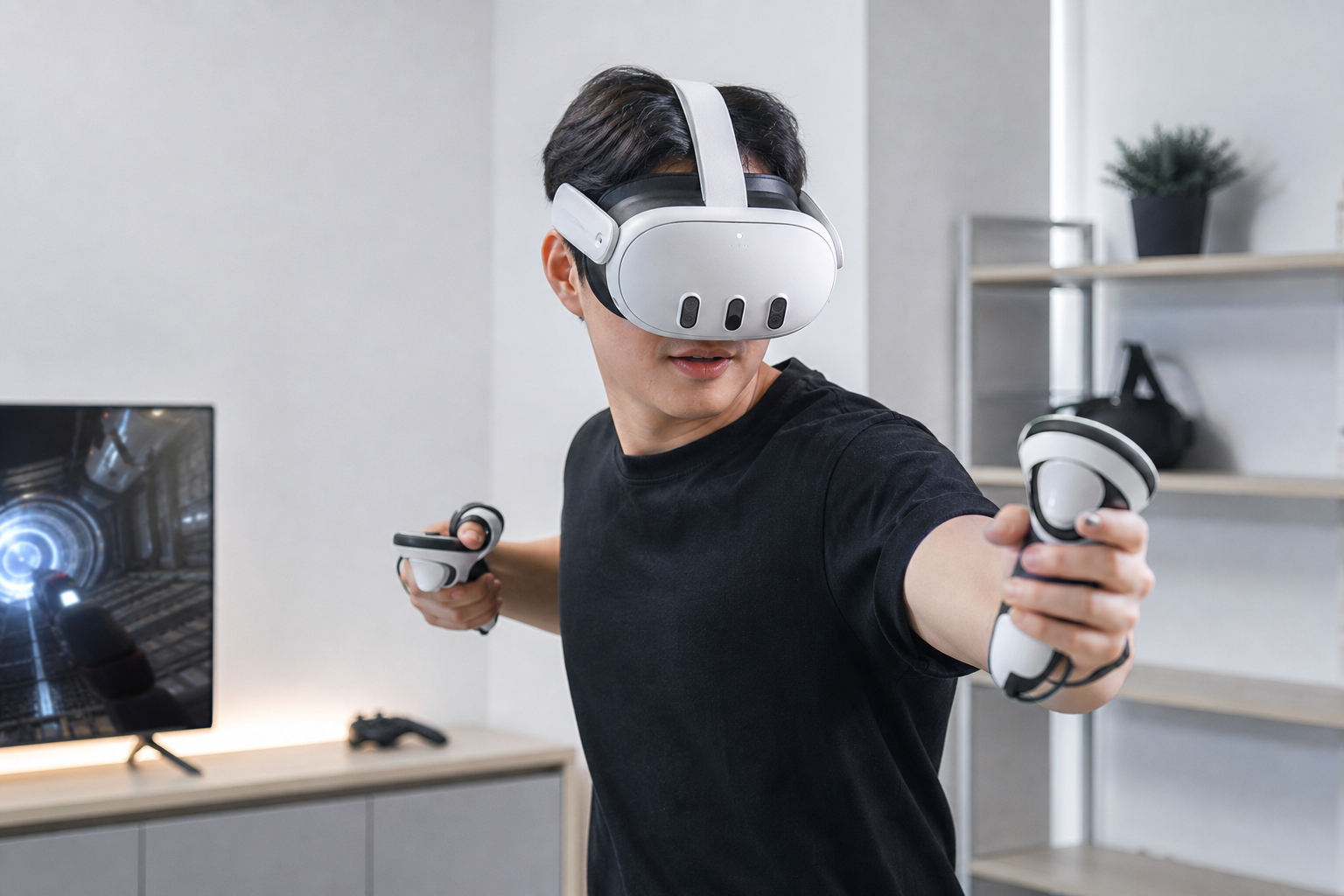
I noticed my hands getting tired while playing. The kids' fitness games I tried weren't intense. The movements were simple. So, it wasn't the game itself. My first thought was the new Quest Touch Plus controllers. They don't have the straps that the Touch Pro or even the old Quest 2 controllers had. This means I have to constantly hold them. I can't relax my hands at all. After a while, this constant gripping causes strain. But I realized the sweat mask played a role too. Because it added a thin layer, my headset didn't feel as secure. It would shift just a little when I moved my head fast. To compensate, I found myself tensing my neck and shoulders. This tension traveled down my arms to my hands. So while the main cause of the pain was the controller design, the imperfect fit of the face accessory made the whole situation worse. It's a chain reaction. A small issue with fit can lead to bigger comfort problems elsewhere.
What would the reviewer keep using after the kids' fitness test if washing frequency improves?
Imagine a perfect sweat mask. It's easy to clean and dries in minutes. Would you use it for every game, or would you still switch to something else?
Even if washing were instant, I would still only use the sweat mask for intense, long-duration workouts like boxing. For shorter, casual games, I'd stick with a silicone facial interface cover because it requires zero drying time and offers better room awareness and airflow.
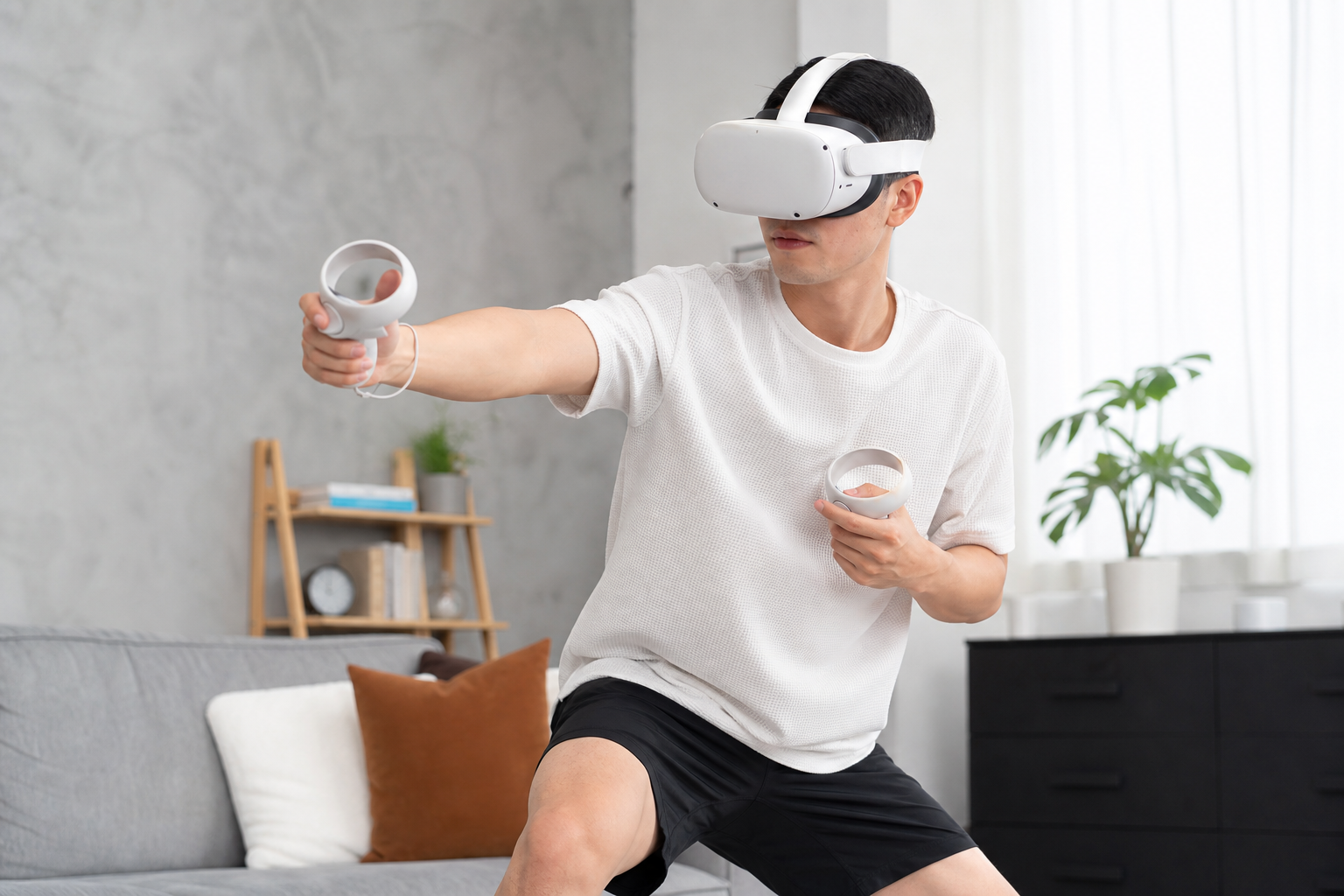
Let's do a thought experiment. What if this sweat mask was magical? I finish my game, rinse it under the tap, and it’s instantly dry. The biggest problem, the washing frequency, is gone. Would I use it all the time? Honestly, no. For my high-intensity boxing, absolutely. The absorption is necessary. But for the 20-minute kids' fitness session, it still feels like overkill. The mask adds a layer between me and the headset. It makes my face feel a little hotter and more enclosed. An open-style facial interface or even just a simple silicone cover feels much more freeing. I have better peripheral vision and more air on my skin. That feeling of openness is really nice for casual games where I'm not pushing my body to the limit. The mask is a tool designed for a specific, heavy-duty job: managing a lot of sweat. Using it for a light task is like using a sledgehammer to hang a picture frame. It works, but a better, simpler tool exists for that job.
Conclusion
A VR sweat mask is a great accessory for intense workouts. But for short, casual games, the cleaning hassle makes it a poor choice. It's a specific tool, not an everyday solution.
Leave a comment