



Should You Build the Mold Locally or in China? A Practical Cost-Risk Comparison
Should You Build the Mold Locally or in China? A Practical Cost-Risk Comparison
Choosing where to build your injection mold is a huge decision. The cost savings in China are tempting, but the potential risks can feel overwhelming. What's the right move?
The best choice depends on balancing cost, speed, and risk. China generally offers significant cost savings, especially for complex tooling. Local mold making provides faster lead times, simpler communication, and direct engineering access. We'll help you weigh these factors for your specific project.
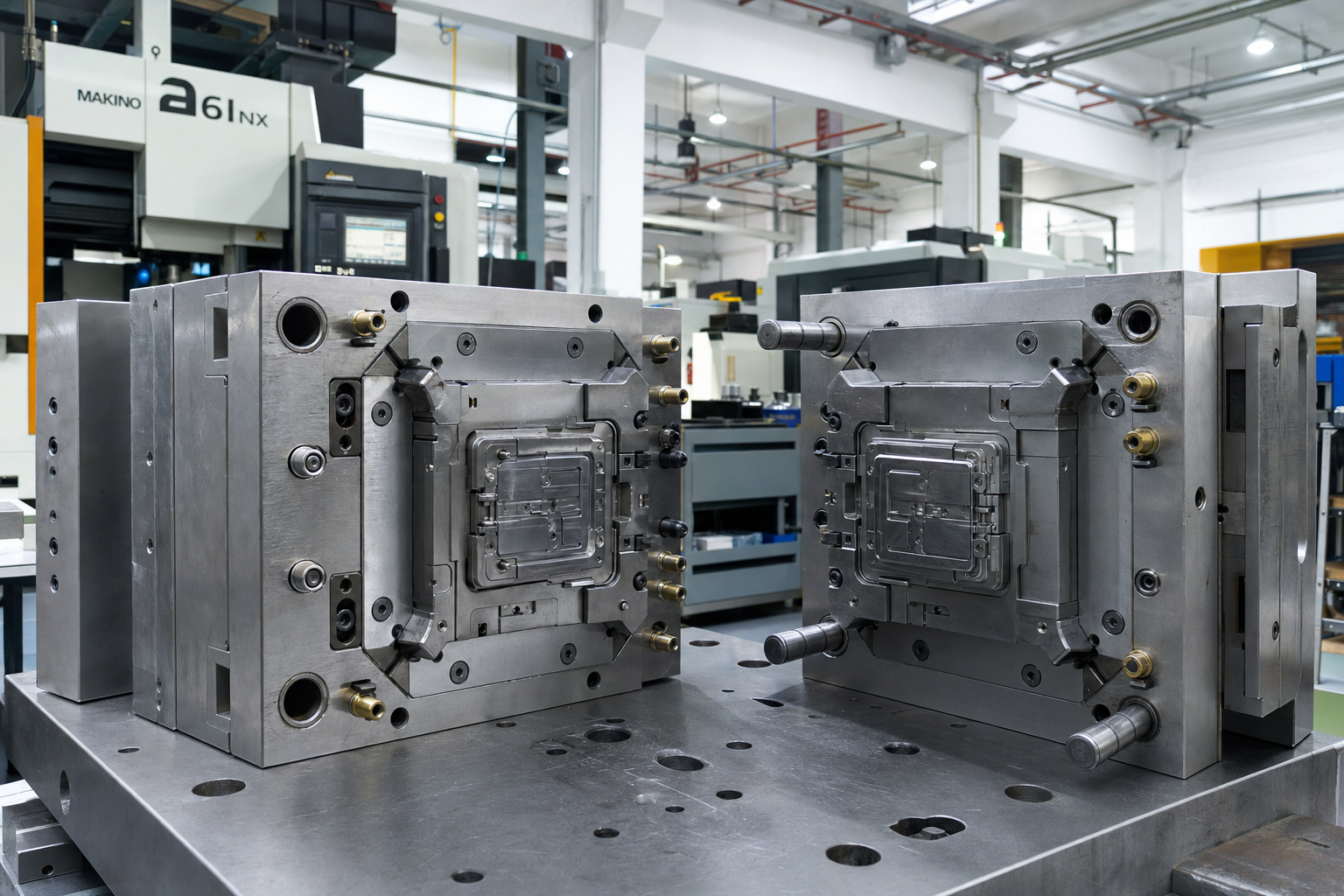
This decision is one of the most critical you'll make in your product development journey. It impacts your budget, your timeline, and the final quality of your parts. I've worked on hundreds of projects, some sourced locally and many built right here in our facility in China. There isn't a single "right" answer for everyone, but there is a right answer for your project. Let's break down the key factors so you can make an informed choice with confidence.
How Do Tooling Cost, Lead Time, and Engineering Access Compare?
You need a high-quality mold without breaking the bank. But overseas quotes can seem too good to be true, and local ones feel too high. Which path gives you the best value?
Chinese mold makers often offer 30-50% lower tooling costs due to labor and overhead advantages. However, local shops provide much faster lead times (weeks vs. months) and invaluable direct, hands-on access for your engineering team during the build and trial process.
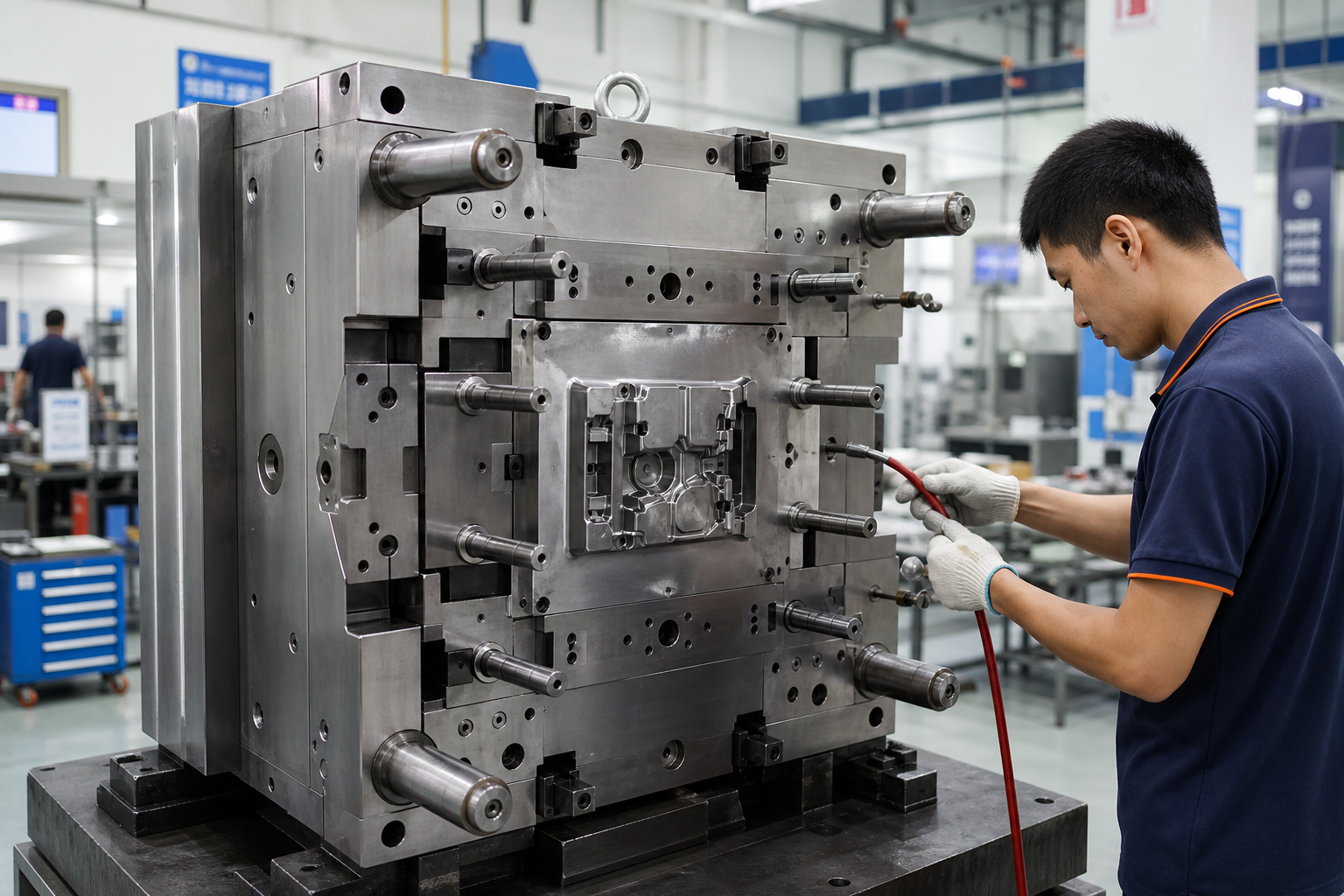
These three factors—cost, time, and access—are deeply connected. You often have to trade one for another. Understanding the real numbers and the practical implications is the first step.
The Cost and Time Equation
The most obvious difference is the price tag. The lower cost of skilled labor and operational overhead in China directly translates into a lower final price for the mold. For a complex, multi-cavity tool, this can mean saving tens of thousands of dollars, which is a massive advantage for any project budget. However, this cost saving comes with a longer timeline. Standard lead times from China are often 6-12 weeks, compared to 4-8 weeks locally. You must also factor in the time for international shipping, which can add another 2-5 weeks.
Engineering Access and Iteration
This is where local shops have a clear edge. If your engineers need to be physically present to review the tool, watch the first trial run, or discuss a complex change, nothing beats being a short drive away. This hands-on access is critical for new, unproven designs that may require quick adjustments. With an overseas partner like us, we bridge this gap with robust engineering support, detailed DFM reports, and video-documented mold trials, but it requires a more structured communication process.
| Factor | Local Mold Maker | China Mold Maker (Xsuper Mold) |
|---|---|---|
| Tooling Cost | High | Low (typically 30-50% less) |
| Lead Time | Fast (4-8 weeks) | Moderate (6-12 weeks + shipping) |
| Engineering Access | Direct, in-person | Remote (DFM, video, reports) |
| Mold Trials | Easy to attend | Video trials & shipped samples |
What Are the Communication, Inspection, and Logistics Tradeoffs?
Managing a project overseas feels risky. Time zones, language barriers, and shipping complexities can cause major headaches. How do you ensure quality from thousands of miles away?
Local tooling means same-time-zone communication and easy on-site inspections. Sourcing from China requires a structured communication plan and a robust quality control system, like our FAI and IPQC processes. Logistics are also simpler locally, while international shipping adds cost and time.
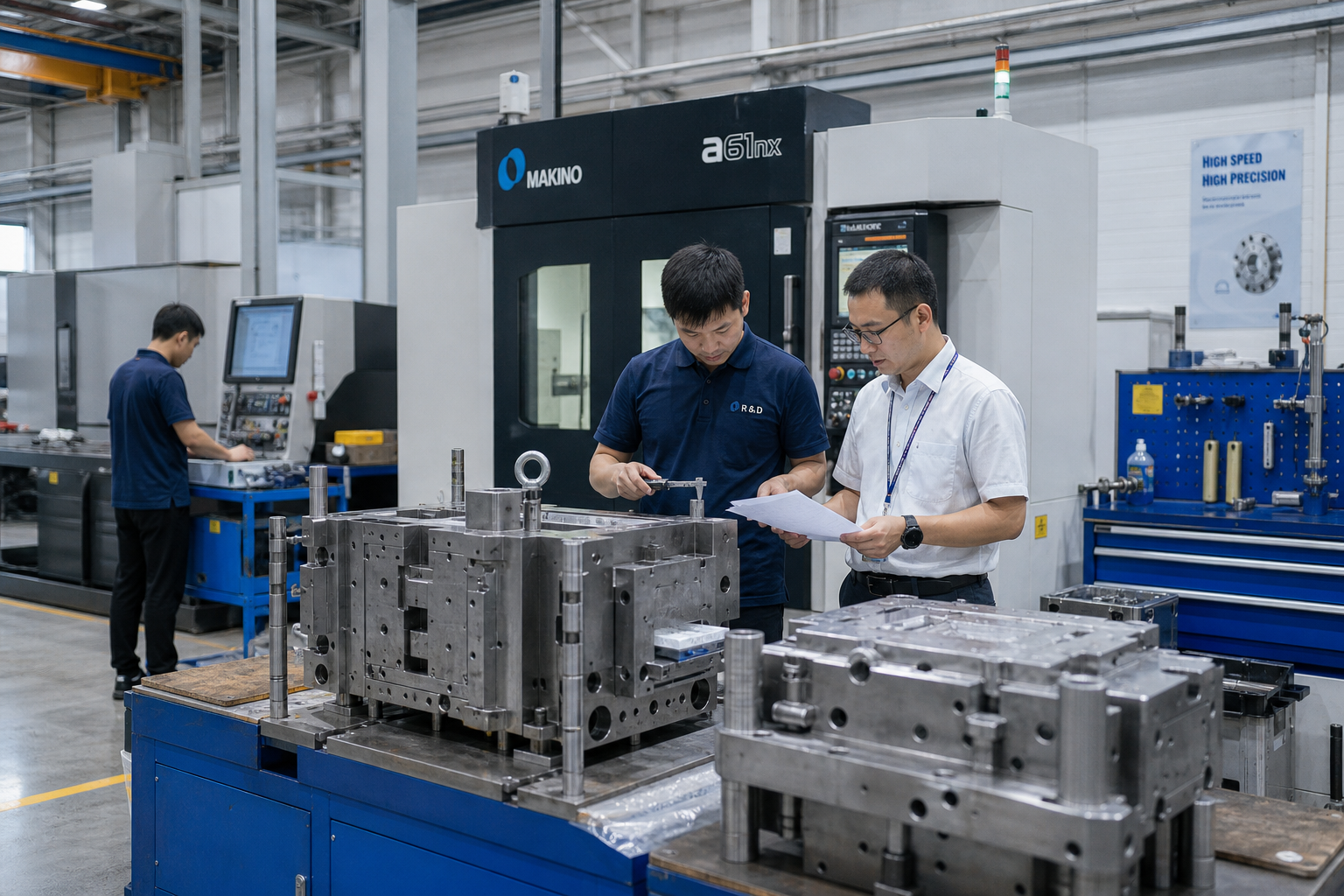
The "hidden" costs of a project often come from friction in these three areas. A small misunderstanding can lead to a big delay or a costly mistake. I remember an early project where a simple mix-up on a surface finish requirement led to a week of back-and-forth and rework. We learned from that. Now, our entire process is built around clear, documented communication to prevent those problems before they happen.
Clear communication is non-negotiable. Working with a local shop, you can pick up the phone or drop by. When working with us in China, that communication becomes more structured. We assign a dedicated, bilingual project manager who is your single point of contact. We rely on detailed emails, scheduled video calls, and extensive photos and videos to keep you fully updated.
Inspection is about trust and verification. Locally, you can be there for the First Article Inspection (FAI) and measure the parts yourself. To provide that same confidence, we've built a rigorous quality system. We perform Incoming Quality Control (IQC) on all steel and components, a detailed FAI with a full dimensional report from our CMM machine, In-Process Quality Control (IPQC) during molding, and a final Outgoing Quality Control (OQC) before anything ships. We prove the quality with data. Finally, logistics can't be an afterthought. Shipping a 2-ton block of steel across the ocean involves freight forwarders, customs clearance, and potential delays. We handle all of that, but it's a factor in your total timeline and cost.
When Is Local Tooling Worth the Premium?
You know local tooling costs more. But sometimes, paying that extra price is the smartest business decision you can make. When does it make sense to stay close to home?
Local tooling is worth the premium for highly complex or experimental designs requiring frequent engineer involvement, projects with extremely tight, inflexible deadlines (like a product launch), and when absolute intellectual property (IP) protection is a primary concern. The hands-on control justifies the cost.
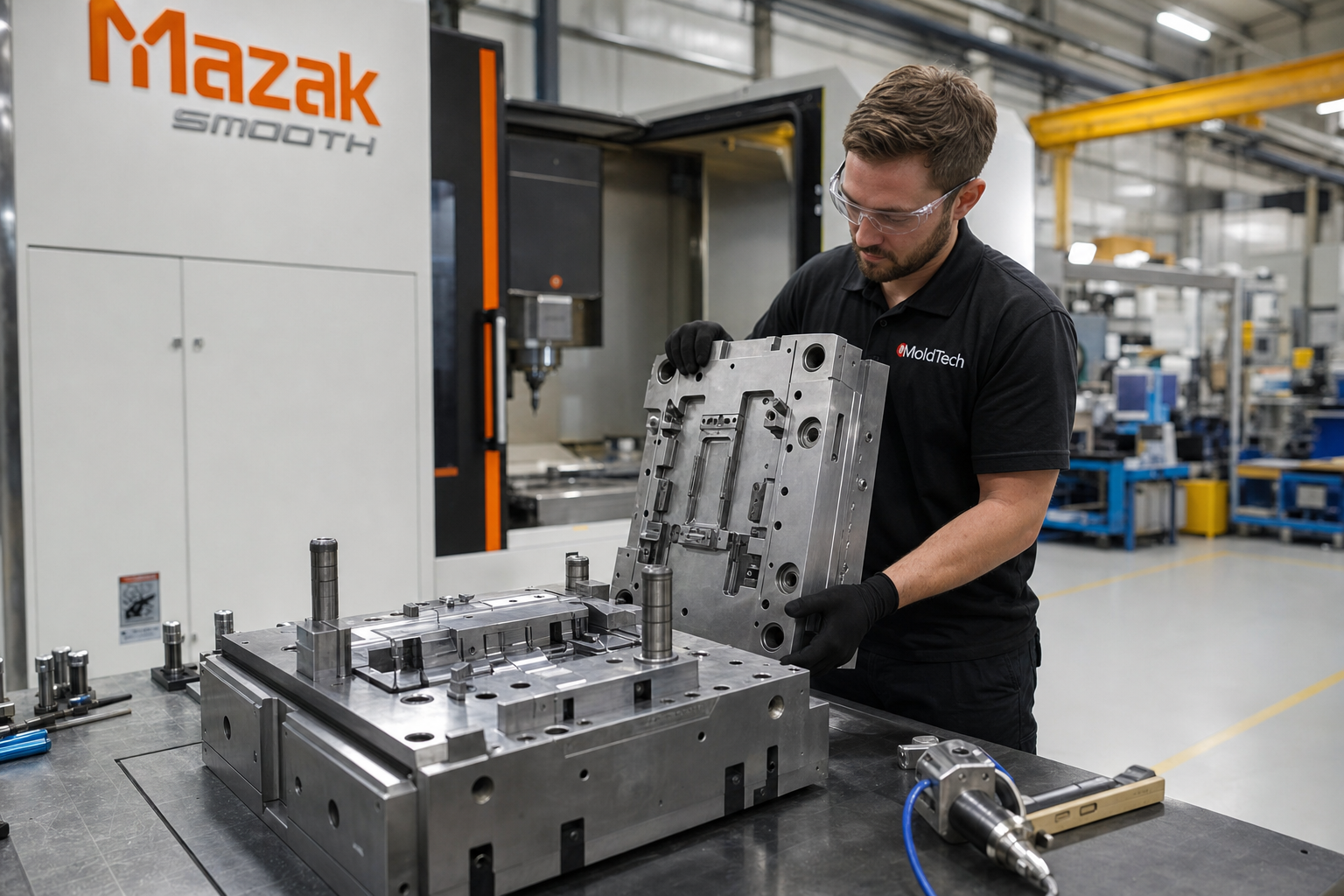
While we pride ourselves on making overseas manufacturing feel easy, I'm the first to admit there are times when a local partner is the better strategic choice. Paying more upfront can sometimes save you from much bigger costs down the road.
One key scenario is when you have a very new or innovative product design. If you anticipate needing multiple rounds of tweaks and adjustments after the first mold trials, the ability for your R&D team to be physically present is invaluable. The speed of making changes is much faster when you can have a face-to-face conversation with the toolmaker while looking at the physical tool and parts.
Another critical factor is an immovable deadline. If you have a massive trade show or a guaranteed retail launch date, the shorter lead time and elimination of international shipping risks from a local supplier can be worth every penny. A 3-week customs delay could be catastrophic in that situation.
Finally, for some companies with highly sensitive or revolutionary technology, keeping the intellectual property within the country's legal framework provides a level of security that justifies the higher cost. While we operate under strict NDAs and have a strong reputation, some projects demand the extra assurance of a domestic supply chain.
When Does China Sourcing Create a Real Advantage?
You see the low prices from China, but you're worried about the risk. When can you confidently pull the trigger and gain a real competitive edge from overseas sourcing?
Sourcing molds from China creates a major advantage for cost-sensitive, high-volume production parts where the design is stable and finalized. It is ideal for complex, multi-cavity, or large molds where the tooling cost savings are most significant and can be amortized over a long production run.
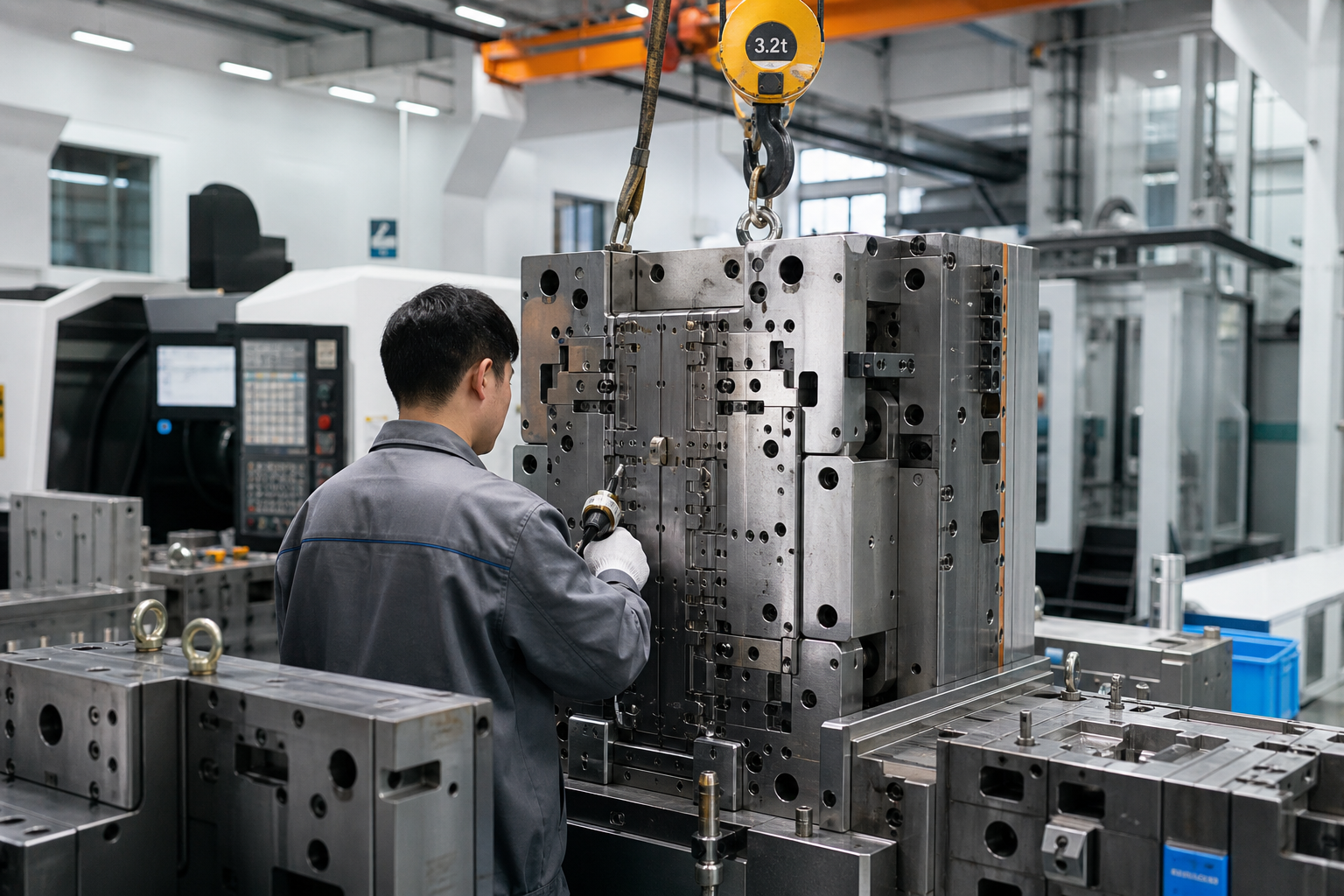
This is where we at Xsuper Mold provide incredible value for our partners. The decision to source from China becomes a powerful strategic move when the conditions are right. The number one reason is cost savings on high-volume products. If you plan to produce hundreds of thousands or millions of parts, the initial tooling cost is a huge part of your per-piece price. Saving 40% on a complex, 16-cavity hot runner mold can dramatically improve your product's profitability over its entire lifecycle.
The ideal project for us is one with a mature, well-vetted design. Once you've completed your prototyping and are confident in the part's form, fit, and function, the need for rapid, hands-on iteration decreases. At this stage, you can leverage our cost efficiency without introducing unnecessary risk. Our DFM analysis will catch any remaining manufacturing issues before a single piece of steel is cut.
The ultimate advantage, however, comes from our integrated model. We don't just build the mold; we run the production. This eliminates the enormous risk, cost, and headache of shipping a mold internationally. The tool we build stays right here in our facility, maintained by the same team that built it, running on our state-of-the-art injection molding machines. This is the one-stop solution that turns sourcing in China from a simple cost decision into a streamlined, efficient supply chain strategy.
Conclusion
The right choice isn't about location; it's about your project's specific needs. Balance cost, speed, complexity, and risk to make the best decision for your product and your business.
Leave a comment