



Should ranked players buy Beat Saber Grips for Expert+ maps or keep using bare controllers?

You miss a note on an Expert+ map. Your controller slipped, just a little. That one slip kills your combo and your confidence. A simple grip might fix this.
For ranked Beat Saber players on Expert+, grips can improve consistency and reduce strain by preventing controller slip during long, sweaty sessions. However, they are not a magic fix for everyone and can change your swing mechanics, so a careful personal test is necessary before deciding.
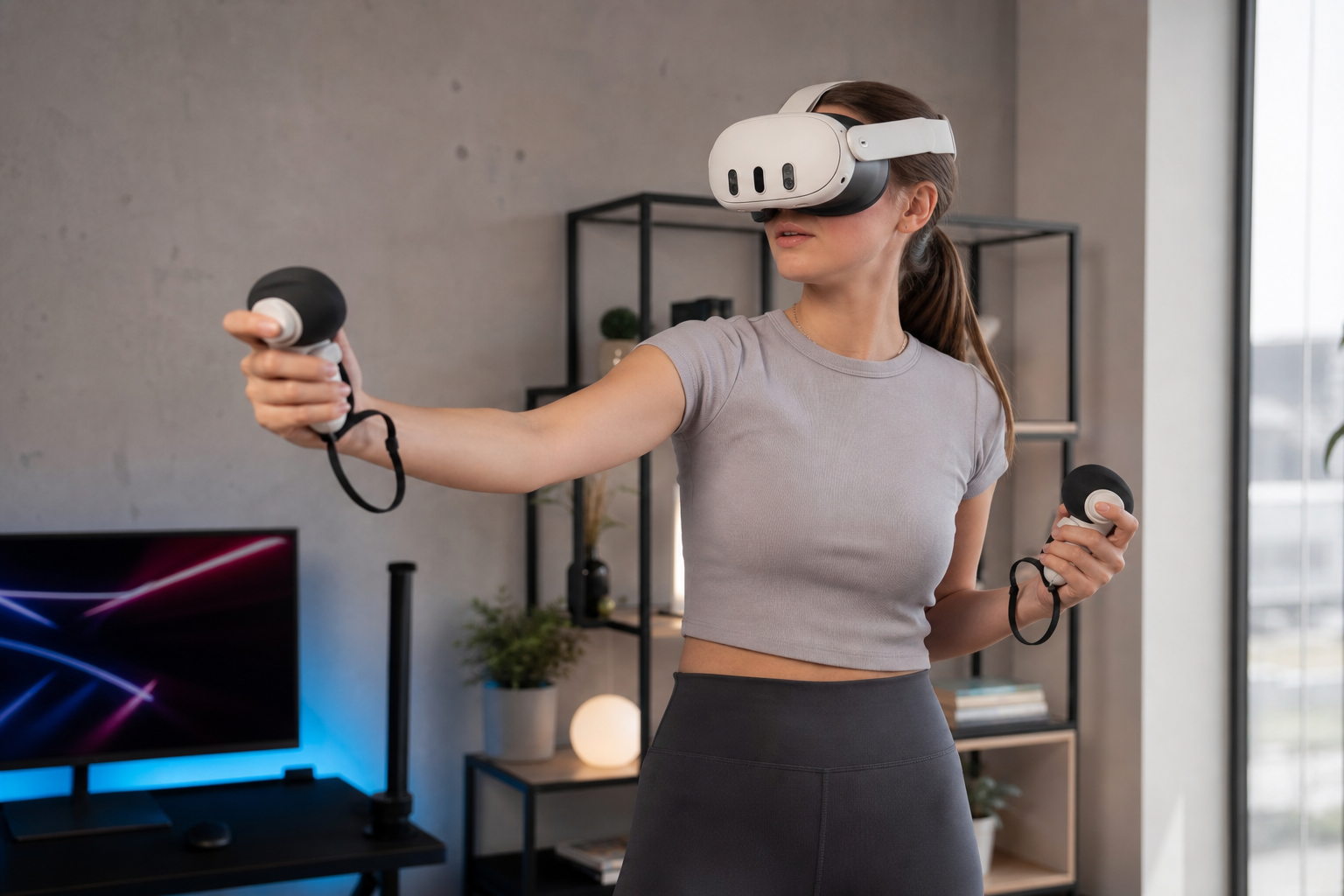
I'm a ranked player, and I live on Expert+ maps. The slightest inconsistency can ruin a perfect run. I kept hearing that controller grips were the answer to controller slip, which is a huge problem once you start sweating. I was skeptical. Would adding bulk to my controller really help, or would it just mess with my muscle memory? I decided to put it to the test. I played some of my most demanding maps with and without grips to see what really happens. This is my experience.
Does Beat Saber Grips still help when play one fast wrist-heavy section and note strain?
Those fast, wrist-heavy sections are killers. Your fingers clench, your forearm burns, and you can feel the controller start to shift. One wrong move and your perfect combo is gone.
Yes, grips can help with note strain in fast sections. They let you relax your hand slightly without the controller flying off. This reduces finger tension and can lead to less wrist fatigue over time, but the added bulk can feel clumsy at first.
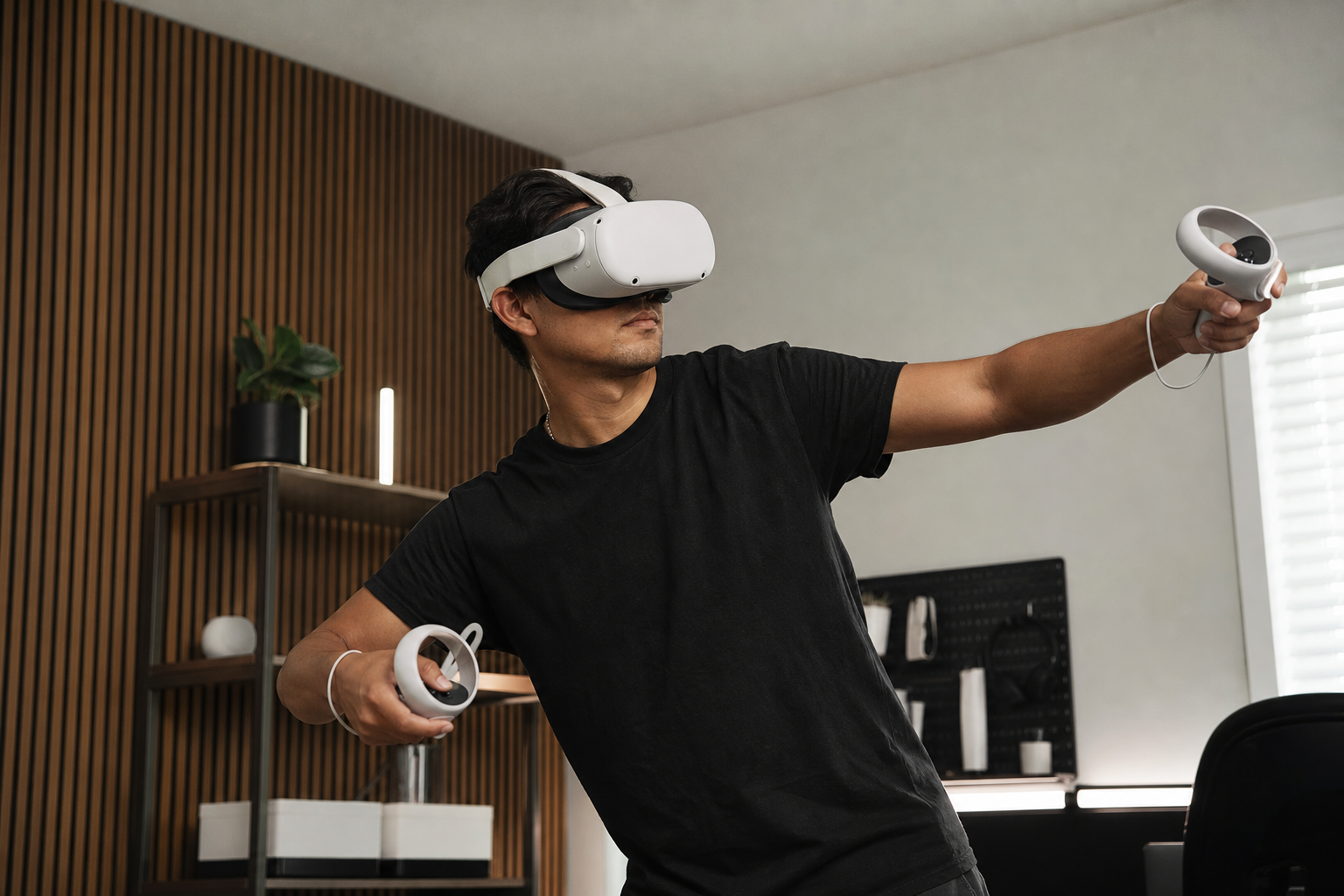
My first test was on a map full of rapid-fire drumrolls and flicks. These maps force you to use your wrists, not your arms. Without grips, I have to maintain a death grip on the controller. After a few minutes, my fingers and forearms are incredibly tense. This tension makes my movements less precise and tires me out faster.
When I put the grips on, the first thing I noticed was the knuckle strap. This was a game-changer. I could physically open my hand a bit between swings without the controller moving. This meant I wasn't constantly squeezing it. My whole arm felt more relaxed. The trade-off was that the controller felt a little heavier and less nimble at first. My brain had to adjust to the new weight distribution. It took a few tries to get my timing right again.
Bare Controller vs. Grip Performance
I broke down my feelings into a few key areas to see the real difference.
| Metric | Bare Controller | With Beat Saber Grips |
|---|---|---|
| Hand Tension | Very High (Constant Squeeze) | Moderate to Low (Relaxed Hold) |
| Wrist Mobility | Maximum | Slightly Reduced by Bulk |
| Perceived Strain (After 5 Mins) | Noticeable in Fingers & Forearm | Much Lower Overall |
| Confidence on Fast Flicks | Decreases with Fatigue | Stays Consistent |
The table shows it clearly. While the bare controller offers maximum freedom, that freedom comes at the cost of strain and slipping. The grips forced me into a more secure, less tense playing style that I believe could help over longer sessions.
What should be measured before claiming Beat Saber Grips fixes controller slip?
People love to say, "These grips fixed my controller slip!" But what does that really mean? A feeling is subjective. To do a real test, I needed to look for hard evidence.
To measure controller slip, you need more than just a feeling. Track your saber angle consistency, the number of times you need to readjust your grip mid-song, and your accuracy on notes that require precise, wide swings. These are concrete metrics that show if a grip is working.
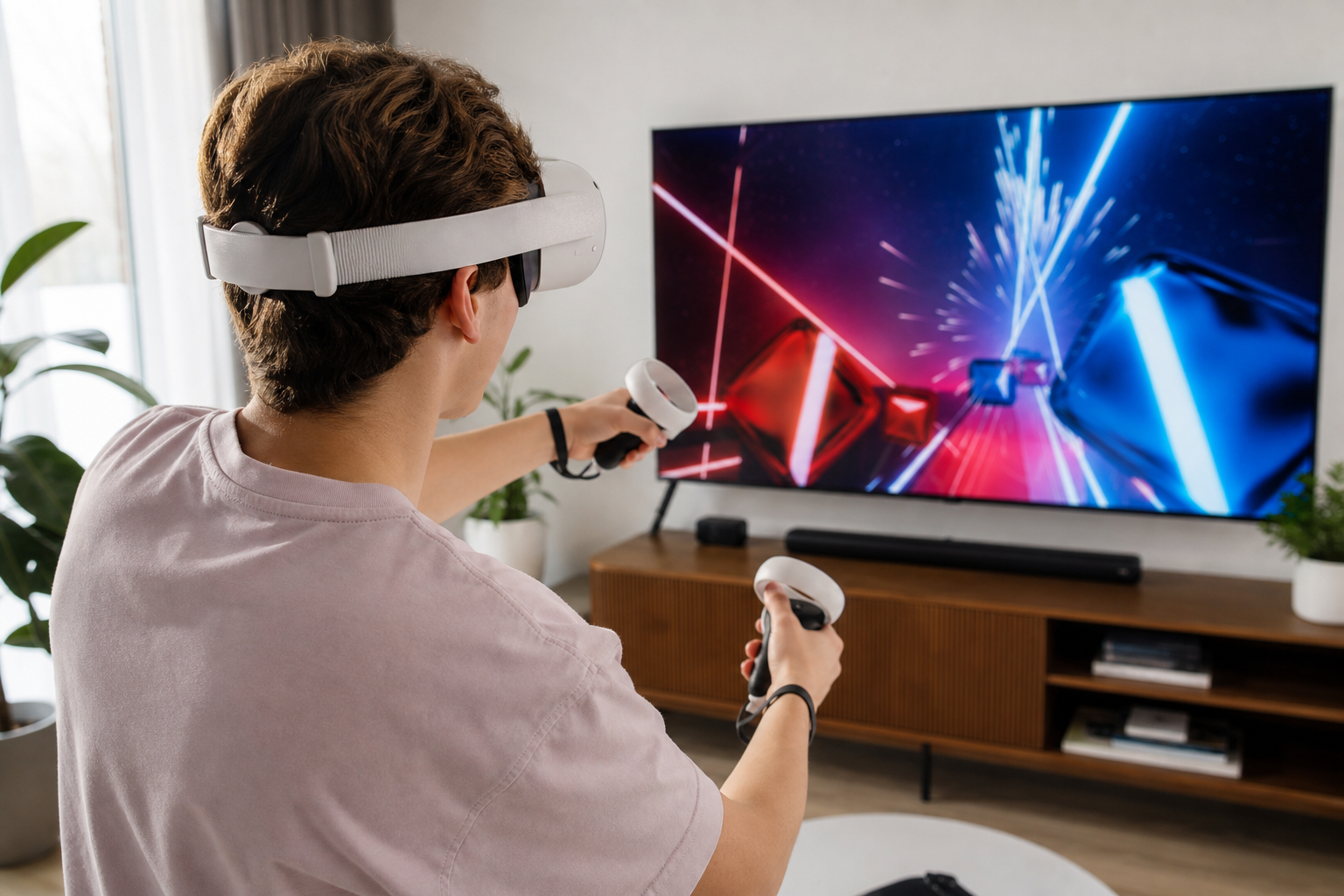
Controller slip isn't usually a big, sudden event. It's a slow, tiny rotation. As you play, the controller gradually twists in your hand. Your saber angle in the game changes with it. You might not even notice it consciously, but you start missing notes that you know you should be hitting. Your brain is sending the right signals, but the controller is no longer in the right position.
So, I started to actively measure this. My main method was to check my saber angle. I’d pause the game during a quiet moment and see where my saber was pointing. Without a grip, I noticed it would often be rotated slightly downward after a tough section. I also started counting my "micro-adjustments." These are the tiny finger movements I make to push the controller back into place. Without a grip, I was doing this constantly.
With the grip, especially one with a good knuckle strap, the controller stayed locked in place. My saber angle remained consistent throughout the entire song. I barely had to make any micro-adjustments. This was the most concrete proof I found. It wasn't just a feeling; I had more consistent control over the saber's position, which is everything in a game like Beat Saber.
Does a short test tell the truth, or is a longer session needed?
It's easy to try a new accessory for five minutes and make a decision. It feels good, or it feels weird. But that first impression is almost always wrong, especially for something like this.
A short test is misleading. Controller slip and wrist strain get worse during longer, fitness-style sessions. You need at least a 30-45 minute test to see how grips perform when sweat and fatigue become major factors. That’s when the real benefits (or drawbacks) appear.
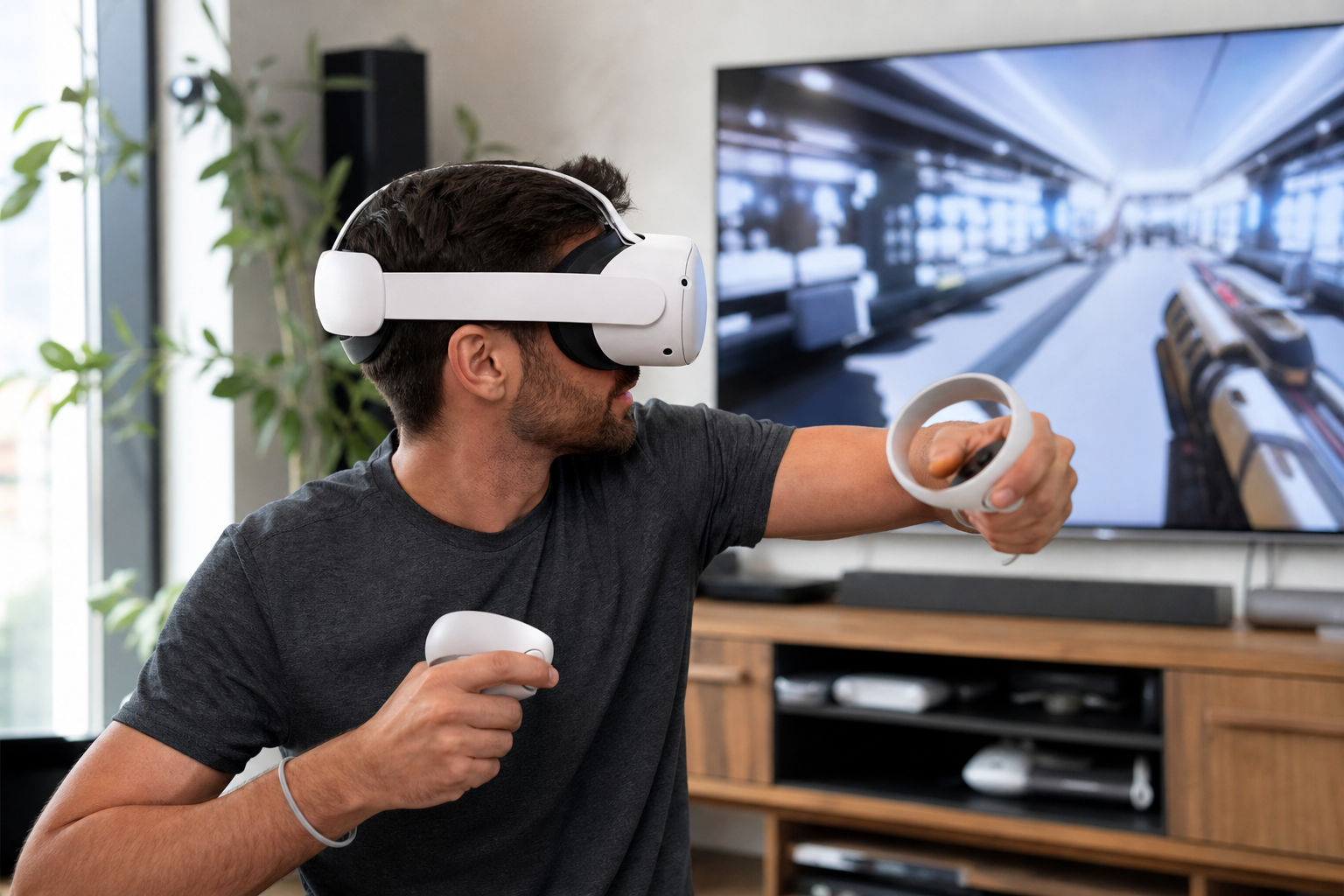
My initial test with the grips wasn't great. They felt bulky and strange. The added weight threw off my swings, and I actually scored worse on my first song. If I had stopped there, I would have said they were a waste of money. But I knew the real problem—controller slip—doesn't show up until I'm deep into a session.
So, I committed to a 45-minute playlist. For the first 10 minutes, I was still getting used to the grips. But then something happened. As I started to get tired and my hands got sweaty, the bare controller would have become a slippery nightmare. I would have been death-gripping it, my score would have started to drop, and I would have been frustrated. With the grips, none of that happened. The controller felt just as secure at minute 45 as it did at minute one. I wasn't thinking about my grip at all. I was just focused on the notes. This is where the true value of the grips became obvious. A short test only tells you how it feels when you're fresh. A long test tells you how it performs under pressure.
Would a negative Expert+ maps test still help buyers understand controller slip on Meta Quest 2?
What if, after all this testing, I decided I didn't like the grips? Would this whole experiment be a failure? I don't think so. A negative result can be just as helpful as a positive one.
Absolutely. A negative test is incredibly valuable. It helps buyers understand why a grip might not work. Maybe it changes the controller's balance, feels too bulky for your hand size, or doesn't fit your specific claw or palm grip style. Honesty builds trust.
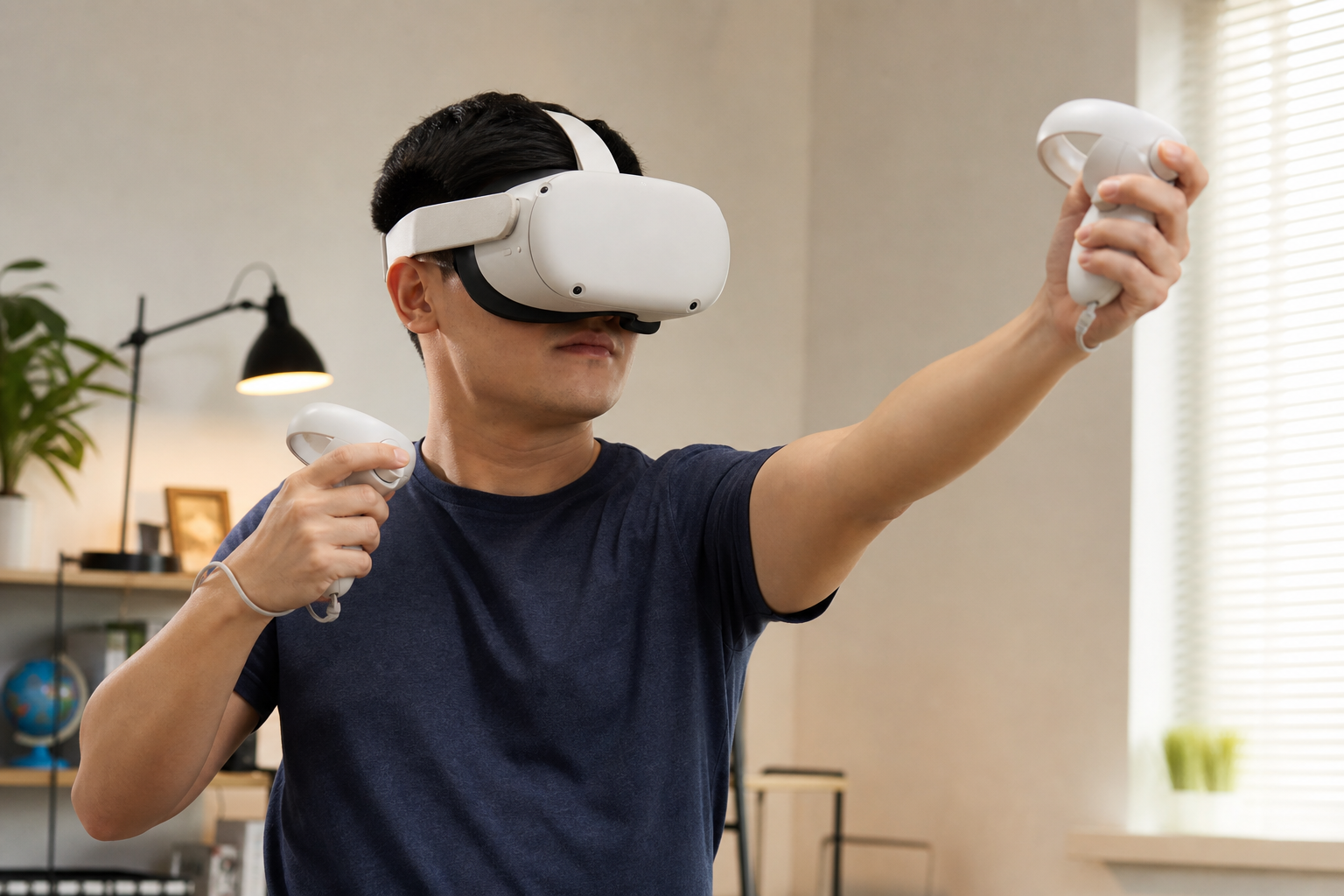
Here's the honest truth: the grips weren't perfect in every situation. While they were amazing for fast, stamina-draining maps, I found them a bit annoying on slower, more technical maps that require very small, precise wrist movements. The extra bulk made me feel a little less agile. I also found that my specific grip style—a sort of hybrid between claw and palm—had to be adjusted slightly.
This is critical information. If I just said, "grips are great, buy them," I'd be misleading a lot of people. A negative experience helps define who a product is for. For example, if you have very small hands, the added size of a grip might be uncomfortable. If you only play slower, technical maps, you might not even have a problem with controller slip, so a grip would be pointless.
By explaining where the accessory felt helpful and where it felt annoying, I can give a much more complete picture. A negative test isn't a failure; it's data. It helps other players like me make a smarter choice instead of just buying based on hype. It shows that there is no single solution for every player.
Conclusion
Grips can be a game-changer for consistency in long, sweaty sessions if they fit your hand and play style. But you must test them properly before making a final decision.
Leave a comment