



Does a Silicone Head Strap for Meta Quest create a learning curve in long VR sessions for Small-head Users?

The stock Meta Quest strap feels fine for ten minutes. Then the pressure starts. The headset slowly slides down my face, and I'm constantly readjusting. This is my reality.
For small-head users, a silicone head strap significantly reduces the learning curve for long VR sessions. It provides a stable, grippy fit that the stock cloth strap lacks, eliminating constant readjustments and pressure points. This improved comfort and security make extended play accessible from day one.
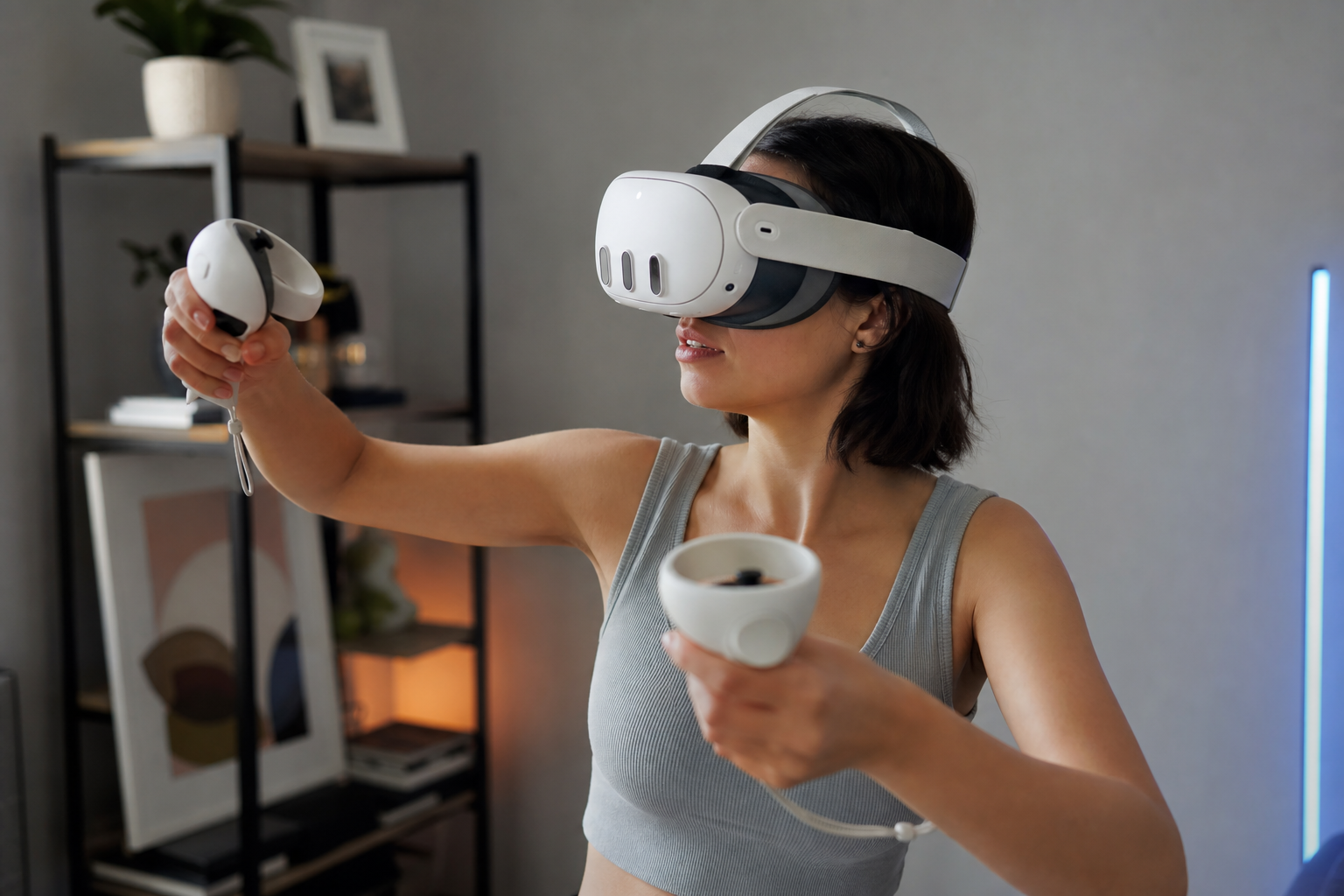
I always thought the problem was just part of VR. You accept a little discomfort to enter these amazing worlds. The stock cloth strap that came with my Quest 2 felt flimsy from the start. During long sessions, especially with my glasses and a new facial interface, the instability got worse. It felt like a constant balancing act. I heard a silicone strap could help, but I was skeptical. Would it really fix the pressure and slipping? Or would it just introduce new problems? I decided to treat this as a personal case study. I wanted to find real answers to the questions I had, starting with how it would hold up when my whole family wanted to play.
In a shared headset, does Silicone Head Strap for Meta Quest create a different long-term durability problem after long VR sessions?
Sharing my Quest 2 used to mean a slow death for the head strap. The constant pulling and resizing stretched the elastic. It felt like it was losing its grip.
A silicone head strap offers superior long-term durability in a shared headset. Unlike the stock cloth strap, it does not absorb sweat, stretch out, or fray with frequent adjustments. It is easy to clean and maintains its form, solving the main wear-and-tear issues.
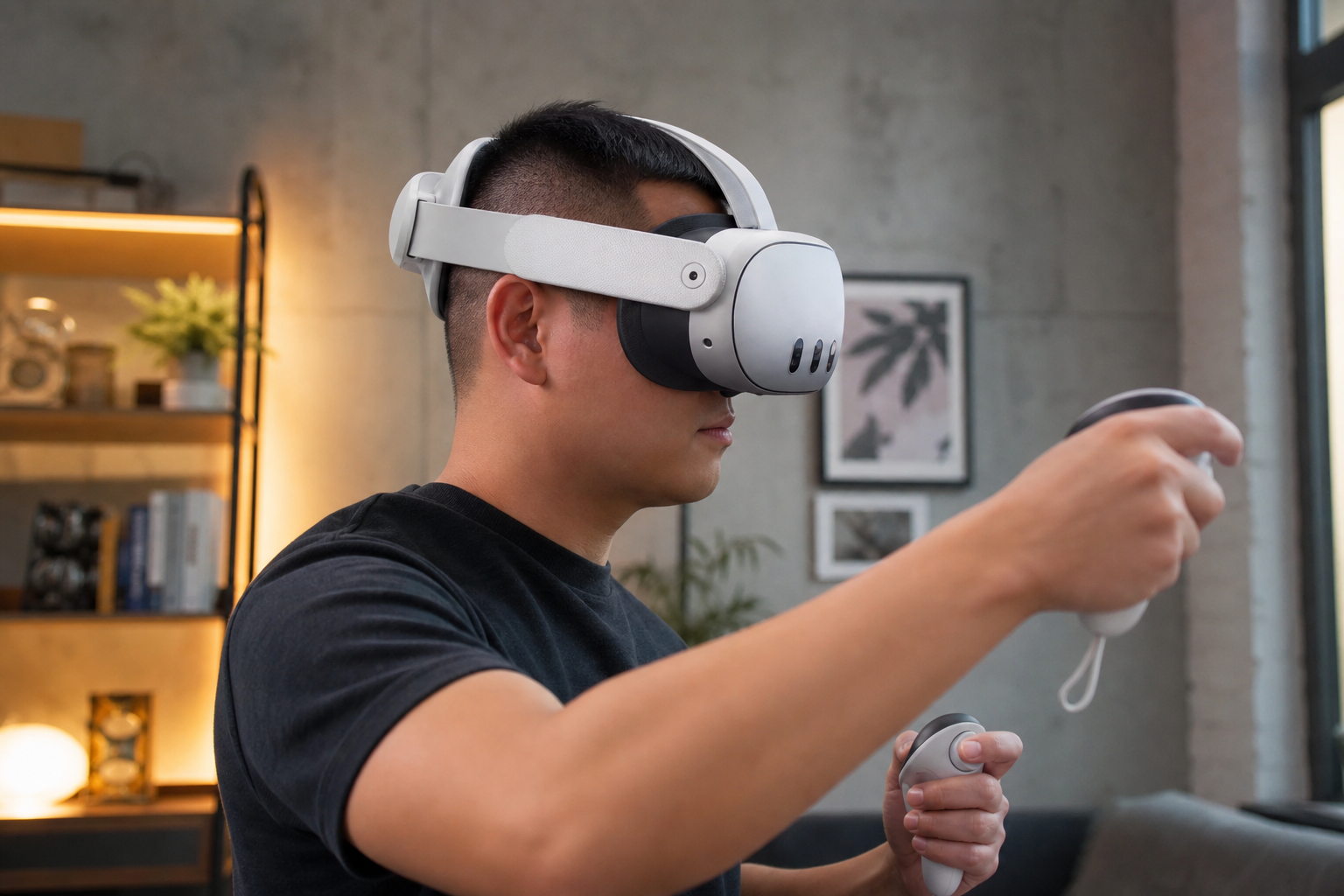
My experience with the original cloth strap was frustrating. After a few months of sharing the headset with my partner, the strap felt permanently loose. It absorbed sweat, which was not great, and cleaning it was a hassle. The velcro parts started to look worn out from being pulled apart and reattached so many times. It just wasn't designed for constant resizing between two different head sizes. The silicone strap felt different right away. It's a single, solid piece of material. There are no fabric fibers to stretch or degrade. Wiping it down with a cloth after a session takes five seconds.
Material Integrity Over Time
The stock strap is made of elastic fabric. Like any elastic, it loses its tension with repeated use. This process speeds up when you are constantly changing the fit for different people. The silicone strap, however, is a non-porous polymer. It returns to its original shape. It doesn't have the same "memory" issue as fabric, so it feels just as snug after the hundredth adjustment as it did on the first.
Durability Comparison
Here is a simple breakdown of how the two materials compare in a shared environment.
| Feature | Stock Cloth Strap | Silicone Head Strap |
|---|---|---|
| Stretching | Stretches and loses elasticity over time. | Maintains original shape and tension. |
| Cleaning | Absorbs sweat; difficult to clean thoroughly. | Wipeable and non-absorbent; very easy to clean. |
| Adjustment Wear | Velcro or plastic sliders can wear out. | Adjustment points are part of the mold; more durable. |
Does a family adjustment test with two head sizes make the recommendation more trustworthy?
A product review from one person can be helpful. But we are all different. What works perfectly for my small head might be a nightmare for someone with a larger head.
Yes, testing with multiple head sizes makes a recommendation far more trustworthy. It moves beyond a single opinion to show how the accessory performs in a real-world family setting. This approach reveals its versatility and helps different types of users make a better buying decision.
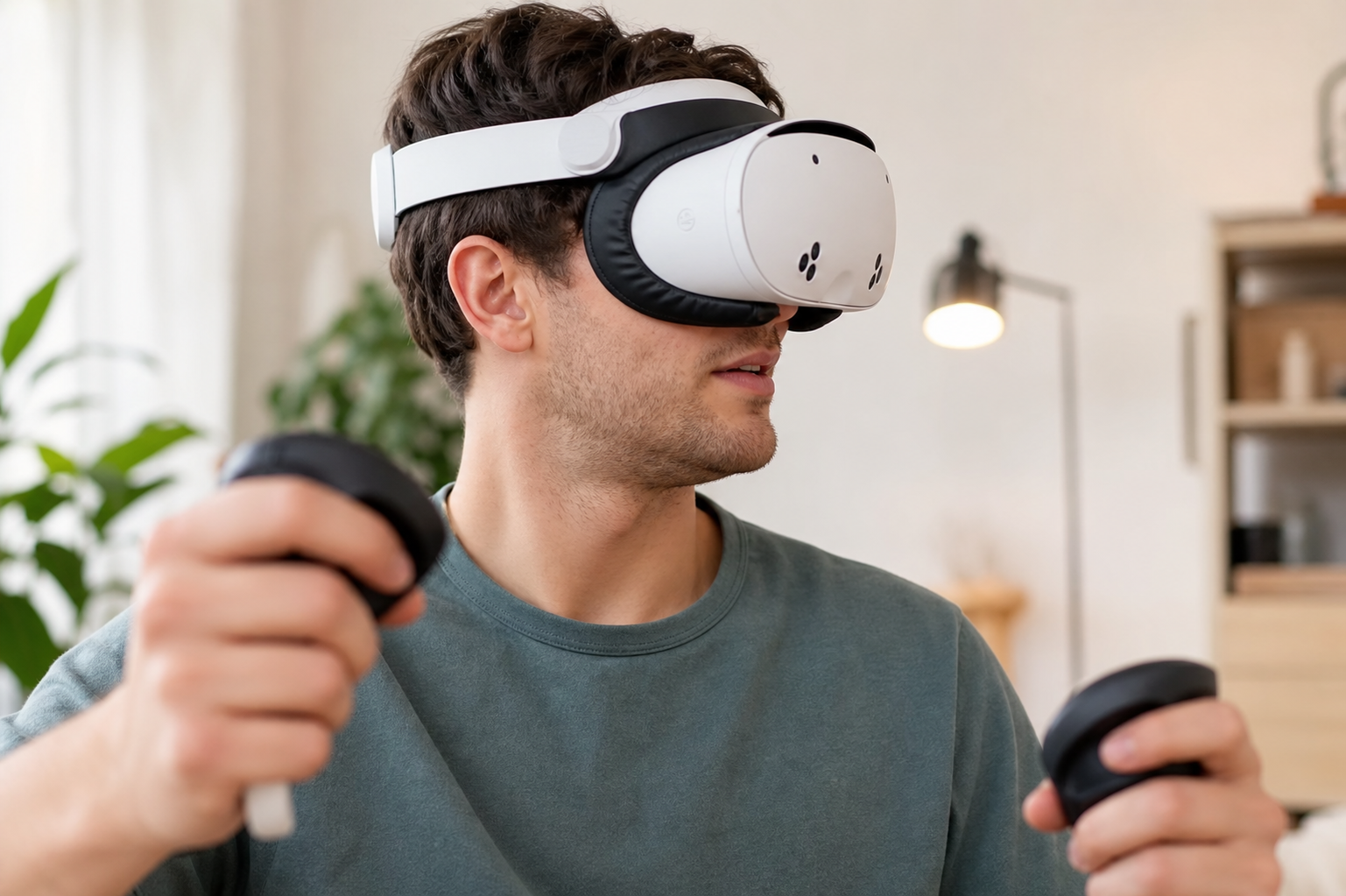
To make my test fair, I enlisted my brother. I have a smaller head, and the headset always feels front-heavy and slides up in the back. He has a much larger head and his main complaint with the stock strap was pressure on his forehead. We spent an afternoon swapping the headset back and forth while playing a few rounds of Walkabout Mini Golf. The process of switching was immediately easier. Instead of re-doing the top strap and side velcro, we just used the simple adjustment mechanism on the silicone strap. It took seconds. For me, the silicone material gripped the back of my head and stopped the headset from slipping. For him, the wider strap design distributed the weight more evenly, reducing the forehead pressure he hated. Our shared experience gave me much more confidence in the product. It wasn't just a "small head" solution; it was a better solution for both of us, just for slightly different reasons. This proved to me that a solo review can miss the bigger picture.
Would small-head users care more about safety than immersion here?
When you’re in a fast-paced game, the last thing you want is to feel your expensive headset wobble. That fear of it flying off can ruin the entire experience.
Absolutely. For small-head users, a feeling of safety is the foundation for immersion. The constant worry that an unstable headset might shift or fall off breaks focus. A secure silicone strap removes this anxiety, allowing the user to trust their gear and fully lose themselves in VR.
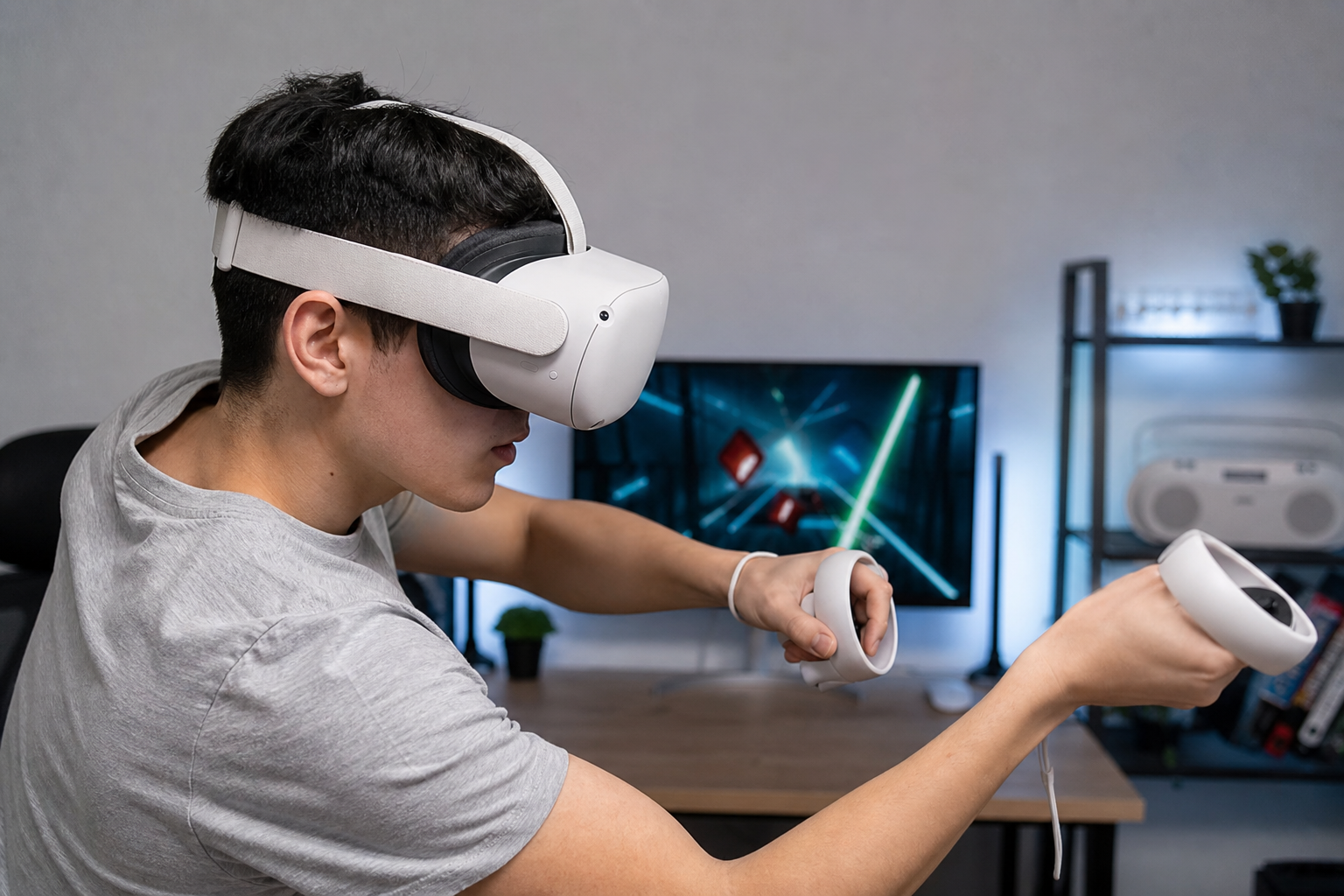
Before I switched, I was always a bit timid in active games. In Beat Saber, I wouldn't swing my head too quickly. In Gorilla Tag, I avoided any big jumps. It wasn't a conscious thought, but I was holding back because the stock strap felt so loose. The headset would shift, the screen would blur for a second, and my immersion would shatter. I was more aware of the hardware on my face than the game I was in. The silicone strap changed that completely. It locked the headset onto my head. The grippy texture held on, and the weight felt balanced. This new feeling of stability was liberating. I could finally move freely without fear. This is when I realized safety isn't the opposite of immersion; it's a requirement for it. When you feel secure, you can forget you're wearing a headset. That is true immersion. To prove this, I kept a diary during a 30-minute session.
30-Minute Pressure & Stability Diary
- Game: Beat Saber (Expert Level)
-
Goal: Track pressure points and any headset slippage.
Time Stamp My Subjective Feelings 5 Minutes Fit feels very secure. No wobble during fast movements. Mild, even pressure around the back of my head, but not uncomfortable. 15 Minutes Completely forgot about the strap. The headset hasn't moved at all, even on songs with lots of ducking and dodging. No focused pressure points. 30 Minutes Session over. Took off the headset. No red marks on my forehead or cheeks like with the stock strap. The back of my head feels fine. The headset was stable for the entire session.
Should the recommendation differ for casual and daily long VR sessions use when long-term durability appears?
If you only play VR once a month, your needs are very different from someone who plays every day. A small issue can become a huge problem with repetition.
Yes, the recommendation must differ. For casual users, the stock strap is likely sufficient. For daily, long-session players, a durable silicone strap is a necessary upgrade. It solves the comfort and stability problems that only become truly apparent and frustrating with consistent, heavy use.
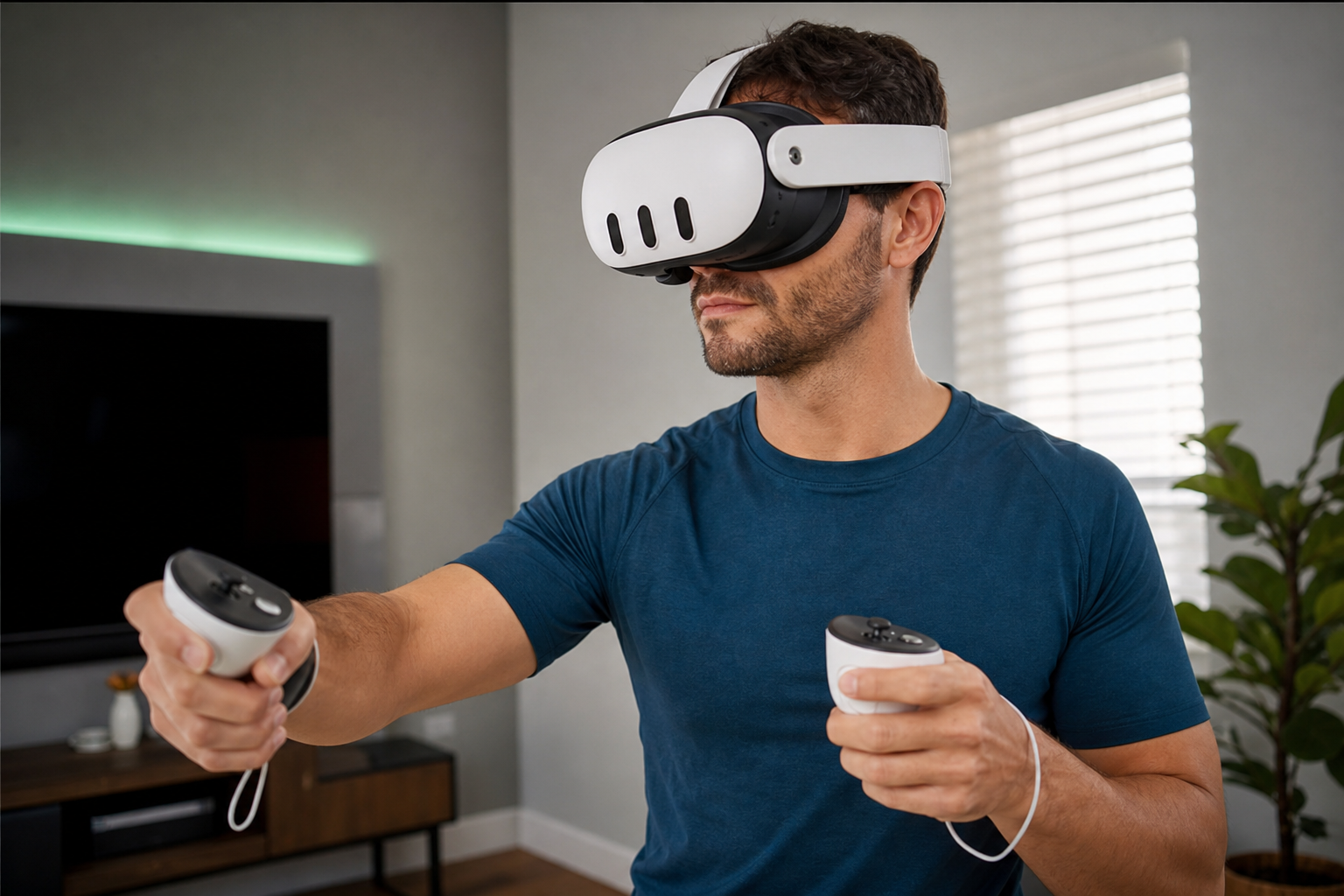
Thinking back, the stock strap was okay for my first few weeks with the Quest 2. I was only playing for 20-30 minutes at a time, a few times a week. The pressure and slipping were there, but they were minor annoyances. However, once I got hooked and started playing for over an hour every day, those minor annoyances became major comfort problems. The strap stretched out, the pressure on my cheeks became more noticeable, and I found myself quitting sessions early because of discomfort, not because I was done playing. This is where the line is drawn. For a casual user, the stock strap's flaws may never become significant enough to warrant an upgrade. But for a daily player, especially one with a smaller head, those flaws ruin the experience over time. The silicone strap is an investment in long-term comfort. It’s for the person who sees VR as a hobby, not a novelty. For me, it was the difference between wanting to play and being able to play comfortably for as long as I wanted.
Conclusion
For small-headed daily VR users, a silicone strap is a vital upgrade. It solves key comfort, safety, and durability problems, making long sessions much more enjoyable and immersive.
Leave a comment